

In the realm of sleep technology, the jelly bed stands out as a remarkable innovation that promises both comfort and advanced support. These beds are designed to transform your sleep experience by combining unique gel materials with ergonomic synergy. Whether you’re seeking relief from chronic pain, improved sleep quality, or a futuristic upgrade to your sleeping routine, a jelly bed might be the perfect solution. Understanding how to use a jelly bed, its benefits, and how it compares with traditional mattresses can enhance your decision-making process. From placement to maintenance tips and realistic expectations, this guide provides a comprehensive look into the world of jelly beds.
Contents
Understanding the Technology Behind the Jelly Bed
Before diving into how to use a jelly bed, it’s essential to understand what makes it stand out from conventional mattresses. The core innovation lies in its use of gel-based materials that adapt to your body’s contours, providing personalized support and pressure relief.
By examining the composition, functionalities, and technological principles, you can better appreciate why jelly beds are increasingly popular among sleep enthusiasts and those with specific health needs.
Composition and Material Properties of Jelly Beds
A typical jelly bed integrates a specialized gel layer within a multi-layered mattress framework. These gels are often made from viscoelastic or thermally responsive substances that soften or firm up based on body temperature and pressure. This dynamic response allows for an optimal distribution of weight, reducing pressure points on areas like hips, shoulders, and neck.
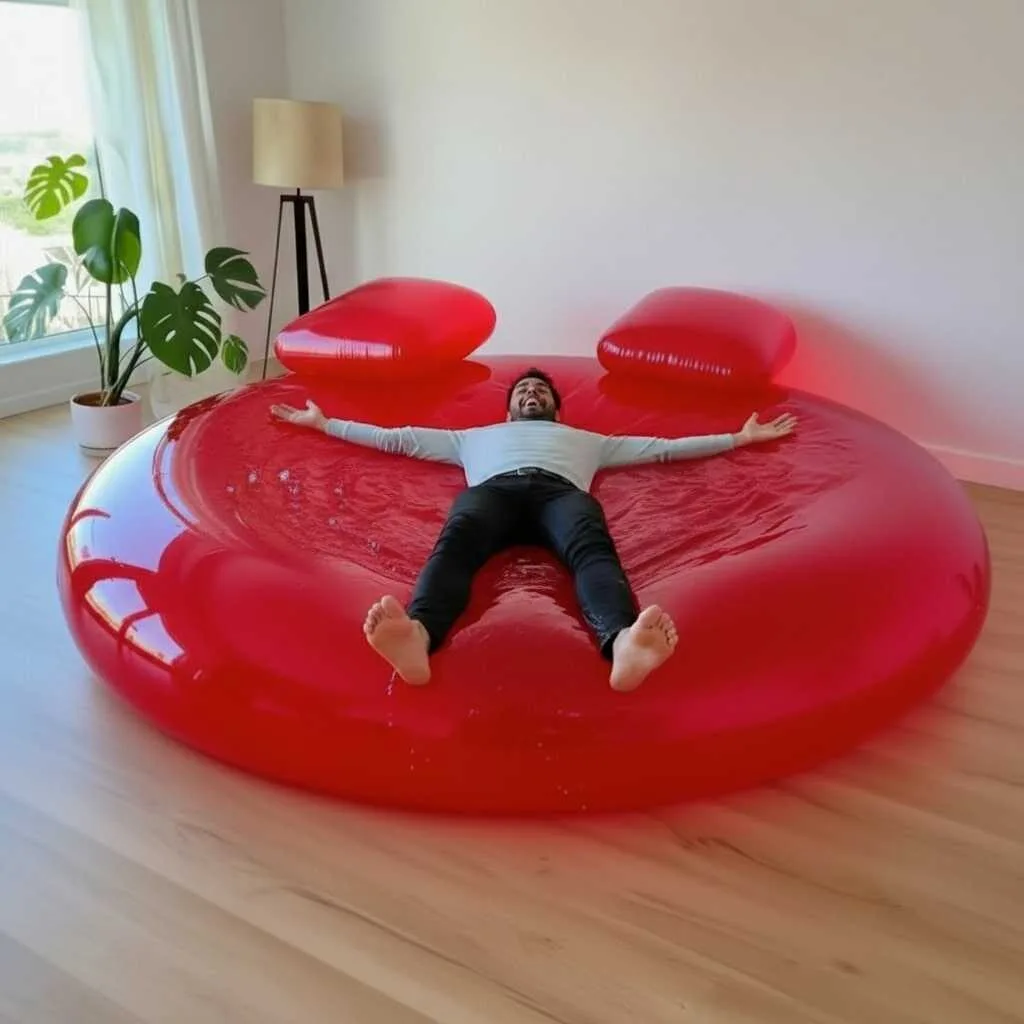
The gel’s unique properties enable the bed to absorb and dissipate body heat, maintaining a cool sleeping surface throughout the night. This feature is especially beneficial for hot sleepers or individuals prone to night sweats. The material’s flexibility also ensures that movements are minimally disruptive, providing a more restful sleep environment.
Furthermore, high-quality jelly beds incorporate layers of memory foam or latex for additional comfort and durability. The integration of gel technology enhances these traditional materials by adding adaptive support and heat regulation, making the jelly bed a technologically advanced sleeping platform.
How Silicone-Based or Gel-Infused Beds Differ from Traditional Mattresses
Compared to conventional foam or spring mattresses, jelly beds utilize gel infusions or silicone-based components to modify responsiveness. Traditional mattresses rely solely on foam density or coil support, which may lead to uneven pressure distribution and heat retention.
In contrast, jelly beds actively respond to the body’s shape and movements, providing tailored support that adapts in real-time. This adaptability translates to improved spinal alignment, reduced tossing and turning, and diminished pressure sores over time.
Moreover, the cooling effect of gel-infused layers makes jelly beds desirable for hot sleepers who find standard mattresses too warm. The gel’s ability to dissipate heat gives these beds an edge in maintaining ideal sleeping temperatures, which is critical for achieving deep, uninterrupted sleep cycles.
Technological Innovations and Future Trends in Jelly Bed Design




The evolution of jelly beds continues as manufacturers seek to combine comfort, durability, and health benefits through innovative techniques. Recent advancements include responsive heating and cooling systems, smart sensors that monitor sleep quality, and antimicrobial gel formulations that resist bacteria and mold.
Future trends suggest an integration of AI-powered adjustments where the bed can automatically optimize support and temperature based on sleep patterns. Eco-friendly materials are also gaining prominence, with biodegradable gels and sustainable production processes becoming standard.
These innovations point towards a more personalized sleep environment, where the jelly bed becomes not only a place for rest but a hub for health monitoring and wellness. As technology advances, expectations for jelly beds will likely include enhanced longevity, lower environmental impact, and smarter comfort solutions.
How to Use a Jelly Bed Effectively
Utilizing your jelly bed to its fullest potential involves understanding setup, maintenance, and optimal sleeping positions. Proper usage not only prolongs the lifespan of the mattress but also ensures you gain maximum health and comfort benefits.
Proper Placement and Maintenance Tips for Longevity
Positioning your jelly bed on a flat, supportive surface is crucial. A sturdy bed frame with a solid base prevents sagging and maintains the integrity of the gel layers. Avoid placing the mattress directly on uneven or soft surfaces that can cause misalignment or uneven wear.
Regular maintenance involves rotating the mattress every three to six months to prevent indentations and distribute wear evenly. Additionally, using a breathable, fitted mattress cover can protect against dust, moisture, and accidental spills that may degrade the gel layers over time.
Cleaning should be done with gentle, non-abrasive methods, avoiding harsh chemicals that may compromise the gel components. Periodic airing out and proper bedding choices—preferably hypoallergenic and moisture-wicking sheets—enhance the sleep environment and preserve the gel’s functional properties.
Dos and Don’ts for Maximizing Comfort and Support
To get the most from a jelly bed, avoid jumping or standing on the mattress, as this can damage the gel layers. Instead, emphasize gentle movement and proper support from your bed frame.
Use pillows that complement your sleep style—back, side, or stomach sleeper—to align your spine correctly. Avoid excessive heat from electric blankets or heating pads directly on the gel surface, as extreme temperatures can affect gel performance and longevity.
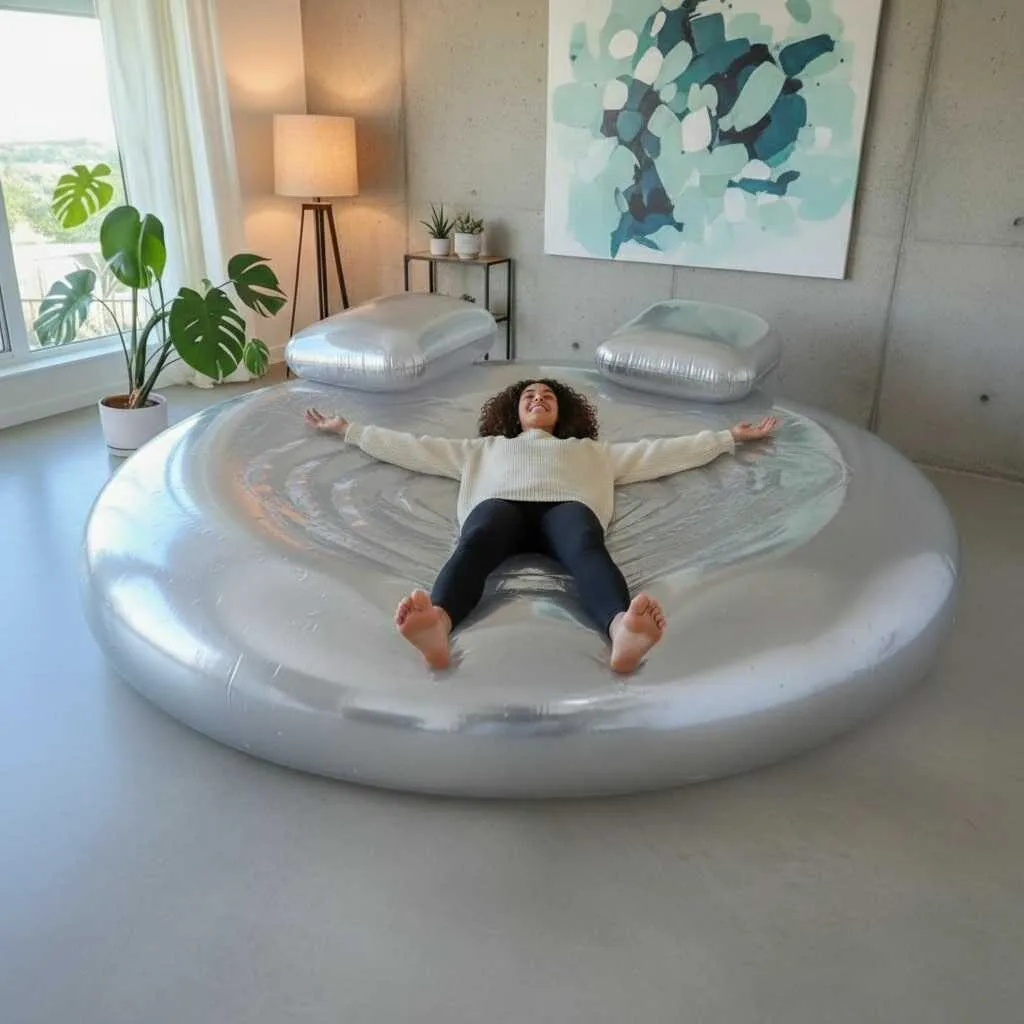
Invest in an adjustable bed base if possible, as this can help customize your sleeping position for optimal support. Regularly check for signs of wear, such as sagging or uneven support, and consult the manufacturer if significant issues arise to ensure warranty compliance and proper repairs.
Recommendations for Different Sleep Styles and Needs
Different sleepers have specific requirements from their jelly beds. Side sleepers, for example, benefit from increased pressure relief on shoulders and hips. A plush, softer setting with ample gel cushioning can alleviate joint pain and promote spinal alignment.
Back sleepers should look for beds that provide firm support along the length of the spine while still accommodating curves. Medium-firm jelly beds are usually ideal, offering a balance of support and comfort.
Stomach sleepers need a slightly firmer surface to prevent the hips from sinking, which can strain the neck and back. Selecting a jelly bed with targeted support zones can help maintain neutral positioning and reduce discomfort throughout the night.
Individuals with health issues, such as arthritis or chronic pain, should opt for beds offering high-pressure relief and cooling features to maintain comfort and reduce inflammation.
Comparing Jelly Beds to Traditional Mattresses: Making an Informed Choice
Understanding the differences between jelly beds and traditional mattresses allows consumers to select the best fit for their lifestyle, health, and comfort preferences. While each offers unique advantages, weighing them against each other reveals clear distinctions.
Advantages of Jelly Beds Over Conventional Mattresses
Jelly beds excel in pressure distribution, adaption to body contours, and temperature regulation. They reduce aches and pains by evenly dispersing weight, unlike traditional foam mattresses that may create pressure points over time. Additionally, their cooling properties satisfy the needs of hot sleepers more effectively than standard foam or spring beds.
The technological integration in jelly beds offers a dynamic sleep experience, adjusting support in real-time, which enhances sleep quality and muscular recovery. This responsiveness also minimizes tossing and turning caused by discomfort, leading to deeper, uninterrupted sleep cycles.
Furthermore, jelly beds tend to have a longer lifespan due to their resilient gel materials, often resisting sagging and degradation better than traditional mattresses. This durability guarantees users a sustained investment in their sleep health.

Drawbacks and Limitations of Jelly Beds
Despite numerous benefits, jelly beds can be more expensive upfront compared to traditional options. The complex materials used in their construction may require specialized maintenance and warranties, which could add to overall costs.
Another consideration is the weight of these beds; gel layers add heft, making moving or adjusting the mattress more challenging. Additionally, some users might notice a sensation of firmness or unfamiliar feel initially, requiring a period of adaptation.
Limitations such as the availability of professional installation and repair services, or the necessity for specific bed frames, may influence user experience. Understanding these limitations is critical in making a financial and practical decision aligned with individual needs.
Which Design Suits Your Lifestyle?
Choosing between a jelly bed and a traditional mattress depends greatly on personal preferences and health considerations. If temperature regulation, pressure relief, and cutting-edge support are priorities, jelly beds offer significant advantages. However, if budget constraints or ease of movement are more critical, a high-quality traditional mattress might suffice.
Those with ongoing health issues related to joint or spinal pain might find the benefits of jelly beds outweigh their higher costs. Conversely, casual sleepers or those who prefer a softer, more familiar feel may opt for plush foam mattresses. Assessing your sleeping habits, health needs, and financial considerations will guide you towards the best sleeping solution.
The jelly bed revolutionizes sleep comfort by blending innovative gel technology with ergonomic design, offering adaptive support, superior temperature regulation, and durability. Proper setup, maintenance, and understanding your personal sleep style are essential to maximize these benefits. While jelly beds tend to be more costly than traditional options, their advanced features and health advantages often justify the investment, especially for individuals seeking relief from pain or seeking optimal comfort. Carefully weighing the benefits against your needs and budget will ensure you choose the right sleep environment for restorative rest and overall well-being.