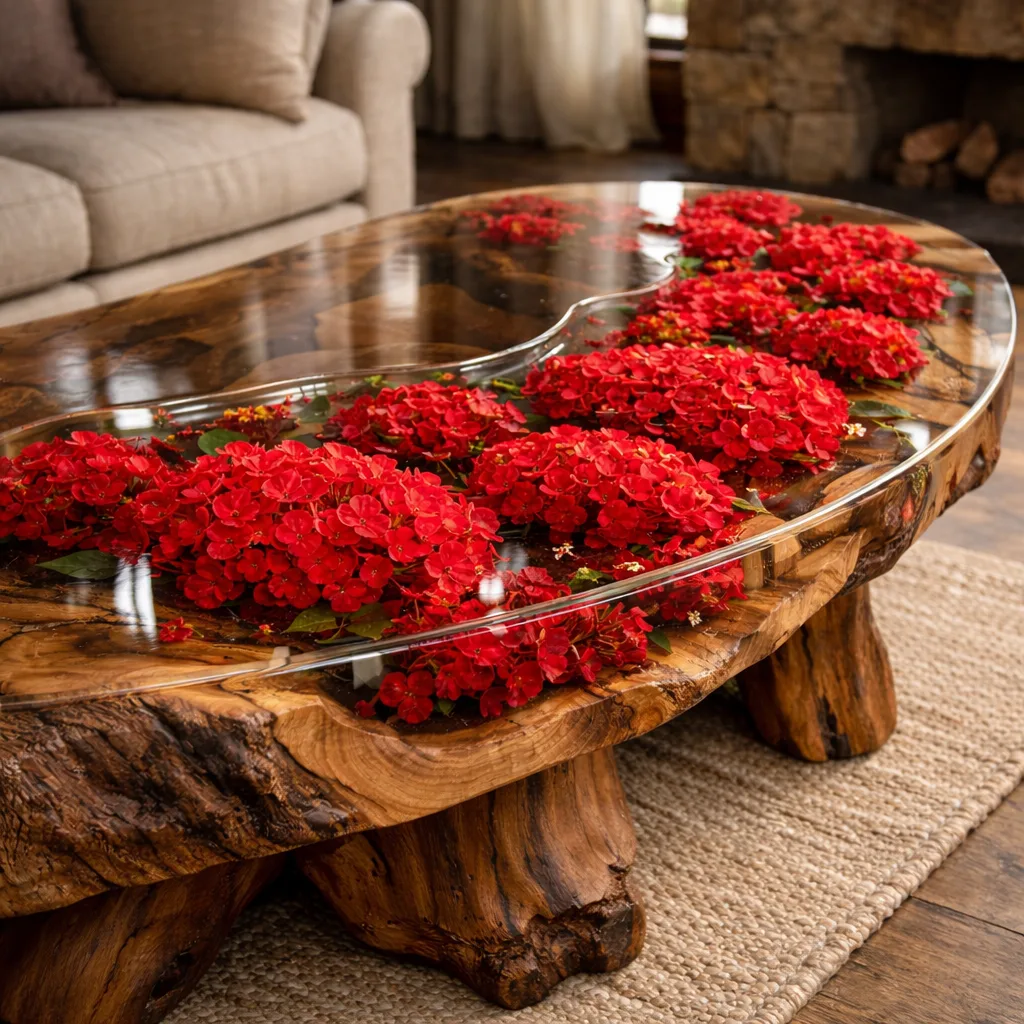

The epoxy Hydrangea table captures the eye with its enchanting beauty, blending nature’s delicate blossoms with the sleek shine of epoxy resin. This piece not only serves as a functional table but also as a work of art, making it a centerpiece in any living space. Whether you’re a DIY enthusiast or a seasoned crafter, learning how to use an epoxy Hydrangea table opens up endless creative possibilities. In this guide, we’ll explore different examples, comparisons, and practical advice on creating and appreciating this exquisite furniture piece.
Contents
- 1 The Art of Creating an Epoxy Hydrangea Table – Techniques and Tips
- 2 Practical Uses and Style Examples of the Epoxy Hydrangea Table
- 3 Maintenance and Care for Your Epoxy Hydrangea Table
- 4 Creativity in Designing Your Own Epoxy Hydrangea Table
- 5 The Emotional Appeal and Symbolism of Hydrangeas in Design
- 6 Exploring Trends and Innovations in Epoxy Furniture
The Art of Creating an Epoxy Hydrangea Table – Techniques and Tips
Designing an epoxy Hydrangea table involves meticulous planning and execution. The process blends floral preservation, resin work, and craftsmanship to produce a mesmerizing piece that unifies natural beauty with modern design. This section dives into vital techniques and tips for crafting a stunning epoxy Hydrangea table.
Creating an epoxy Hydrangea table starts with selecting the right flowers. Hydrangeas are popular because of their lush, rounded blooms and vibrant colors. Before embedding them in resin, it’s crucial to dry the flowers properly to prevent mold or decay. Air drying or using silica gel works well, ensuring the flowers retain their shape and color when encapsulated with epoxy. Once dried, the flowers are carefully arranged on the wooden or acrylic base, considering composition and balance.
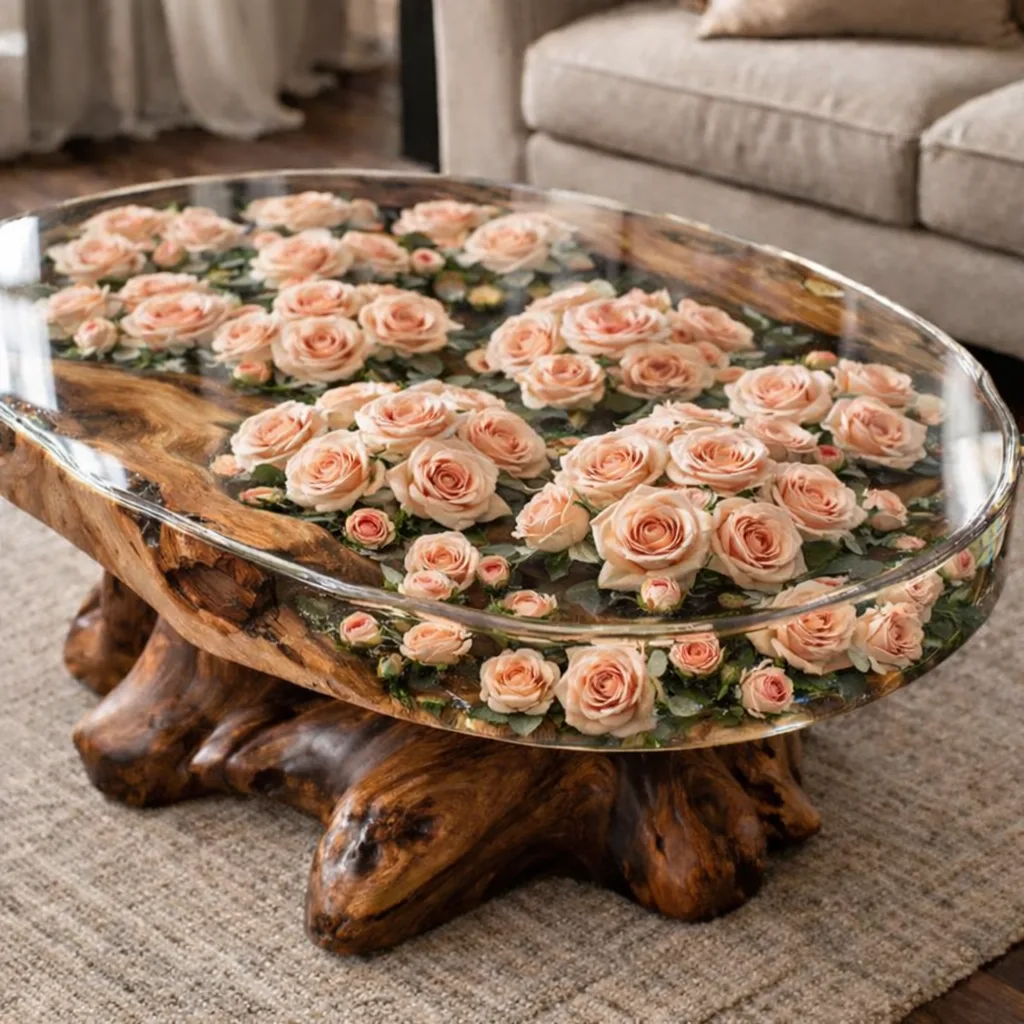
The next step involves mixing the epoxy resin. It’s essential to follow manufacturer instructions precisely, paying attention to the resin-to-hardener ratio for optimal clarity and durability. When pouring the resin, do so in layers, allowing each to cure partially. This technique reduces bubbling and helps achieve a glossy, seamless finish. During this process, small details such as air bubbles should be removed gently using a torch or heat gun, ensuring a clear, smooth surface. The final step involves curing the resin fully—this could take several days, depending on humidity and temperature.
Personal insights reveal that patience is key with epoxy projects. Rushing can lead to imperfections or cloudy resin, undermining the elegance of the hydrangea encapsulation. Additionally, experimenting with color pigments or glitter shards within the resin can add unique effects, elevating the herbal beauty of the hydrangeas. This method allows hobbyists to develop their signature style, whether it’s a more transparent look or a vibrantly tinted finish.
In comparison to other floral resin tables, the epoxy Hydrangea table stands out for its romantic floral aesthetics and versatility. It can be customized from rustic country styles to sleek, contemporary designs. Advice for beginners is to start small—perhaps with a custom tray or coaster—before embarking on larger pieces like dining tables. This build-up of experience helps in mastering resin techniques while creating a stunning piece of functional art.
Practical Uses and Style Examples of the Epoxy Hydrangea Table
An epoxy Hydrangea table isn’t just a decorative object—it’s a flexible piece that can elevate various spaces and serve multiple functions. From elegant dining tables to artistic centerpieces, this work-of-art furniture celebrates craftsmanship and natural beauty simultaneously.
One notable example is a dining table adorned with a vibrant display of preserved hydrangeas suspended in clear epoxy. This design integrates the floral motif into everyday living, transforming the dining experience into an encounter with nature. The glossy finish of epoxy highlights the delicate petals while providing easy maintenance—a perfect synthesis of beauty and practicality.
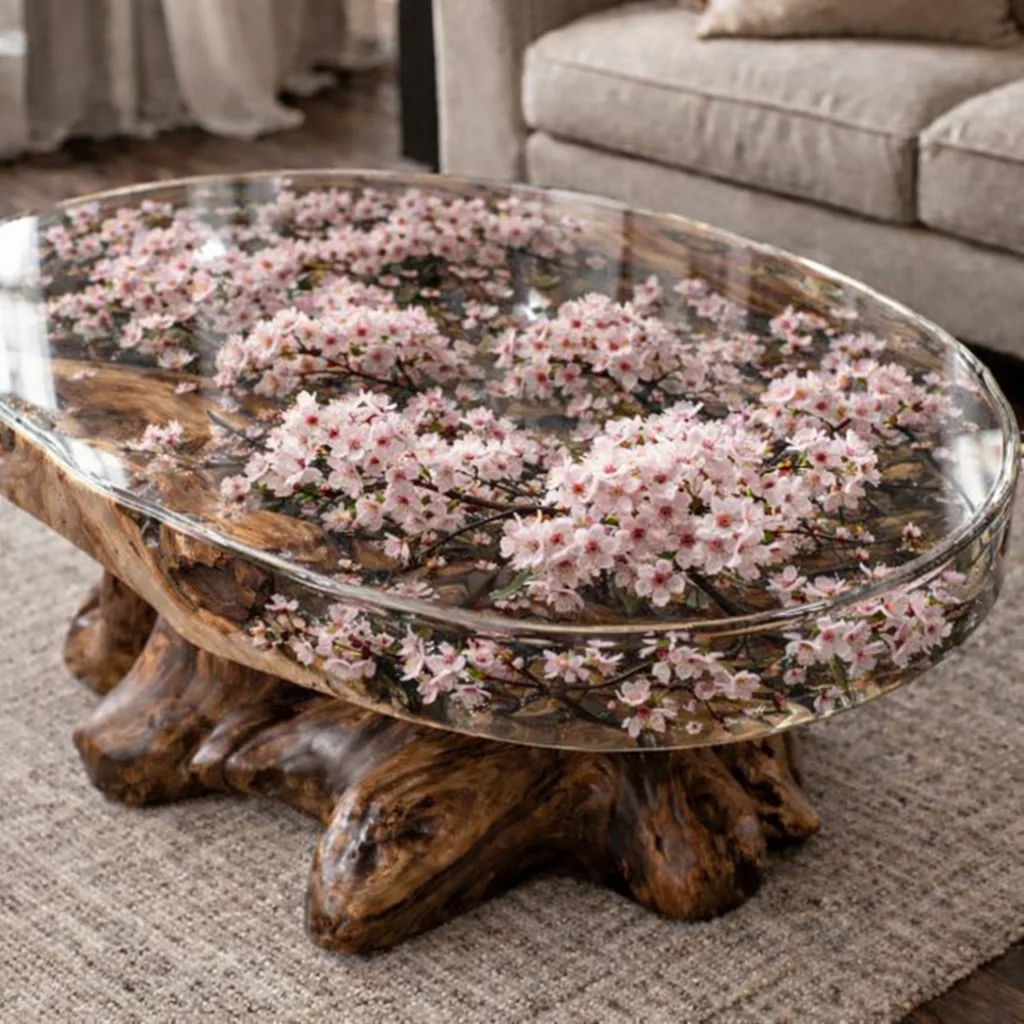
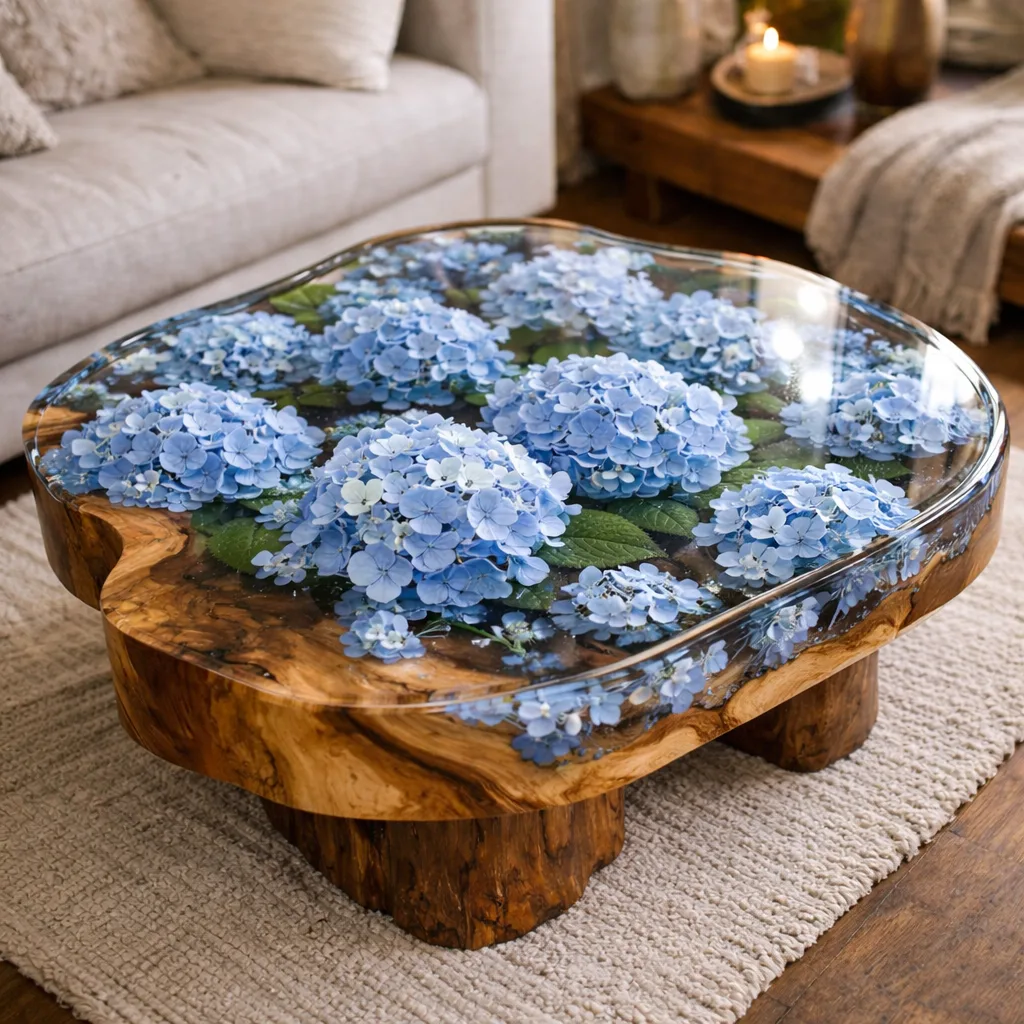
Another common application is in coffee tables or side tables where the epoxy Hydrangea table becomes a statement piece in a living room. These tables often feature a more rustic wooden base contrasted with vibrant, colorful hydrangeas embedded in transparent resin. Such pieces evoke a cozy, artistic ambiance, perfect for homes that emphasize organic materials and handcrafted furniture. For those who prefer modern minimalist aesthetics, a sleek epoxy Hydrangea table with monochromatic flowers can add subtle elegance without overwhelming the space.
Epoxy Hydrangea tables also make excellent gifts or personalized commissions. Customizing the floral arrangements and resin hues allows for meaningful, tailored pieces—perhaps hydrangeas that match a wedding theme or favorite colors. Creative professionals have found this technique invaluable in producing bespoke artwork that combines natural flora with durable, artistic medium.
In terms of comparative analysis, epoxy Hydrangea tables can be contrasted with preserved floral furniture made using other techniques, like pressed flowers or embedded fabric. While pressed flowers offer a vintage charm, the epoxy method provides a three-dimensional, vibrant display that preserves more detail and color vibrancy. Advice for potential buyers and creators alike is to weigh the style preference—whether seeking a rustic, artistic vibe or a sleek, contemporary piece—and choose the design and floral composition accordingly.


Maintenance and Care for Your Epoxy Hydrangea Table
Understanding how to care for an epoxy Hydrangea table is essential to preserve its beauty and longevity. Since these tables combine organic floral elements with durable resin, they require specific maintenance routines that protect both components.
The surface of an epoxy Hydrangea table is highly resistant to scratches, heat, and liquids, thanks to the resin coating. However, basic care involves regular dusting with a soft cloth to avoid buildup of dirt and grime, which can dull the glossy finish. When cleaning, using a damp, non-abrasive cloth and mild soap ensures that the resin remains pristine without scratching or clouding. Avoid harsh chemicals or abrasive materials that could compromise the resin’s clarity or cause surface damage.
In addition to routine cleaning, protecting the table from prolonged exposure to direct sunlight is advisable. Ultraviolet rays can cause slight discoloration or yellowing of the resin over time, diminishing the vibrancy of the embedded hydrangeas. To prevent this, positioning the table away from windows or using UV-protective coatings/removable covers can extend its aesthetic appeal. Regularly inspecting the epoxy for any signs of minor cracks or chips is also helpful. Small repairs can be done with clear epoxy resin, preventing further damage and maintaining the table’s structural integrity.
Personal recommendations include avoiding heavy or sharp objects being dragged across the surface to prevent scratches. Using coasters and placemats also protective measures to preserve the beauty of your epoxy Hydrangea table. For interior spaces, maintaining moderate humidity levels will help prevent warping or deterioration of wooden bases or components. Considering these precautions ensures your piece remains a stunning focal point for years to come.
When comparing to other types of floral furniture, epoxy Hydrangea tables shine because of their resilience and ease of maintenance. Unlike fragile dried arrangements or pressed flowers that can fade or crumble over time, the resin encapsulation offers unmatched durability. My advice for owners is to treat the table like any art piece—handle it with care, avoid chemical cleaners, and appreciate its natural elegance. For creators, experimenting with different floral placements, colors, and resin techniques can dramatically influence the final outcome, making each epoxy Hydrangea table uniquely yours.
The epoxy Hydrangea table is a captivating fusion of natural beauty and modern artistry. Whether used as a functional table, a decorative centerpiece, or a personalized gift, this piece exemplifies craftsmanship and creativity. Mastering techniques such as flower preservation, resin mixing, and careful layering unlocks endless possibilities for stunning designs. With proper maintenance and thoughtful styling, an epoxy Hydrangea table can bring harmony, elegance, and a touch of nature into any space—it’s truly a testament to how art and nature can coexist beautifully in furniture design.
Creativity in Designing Your Own Epoxy Hydrangea Table
Creating an epoxy Hydrangea table is a rewarding experience that combines artistic expression with practical craftsmanship. Engaging in this process allows one to embed personal touches, making each piece uniquely yours. The creative journey starts with a clear vision of the desired style, color palette, and overall theme for the table.
To begin, select the type of table you wish to create. While dining tables are popular choices, smaller side tables or accent pieces may be more manageable for beginners. The process often includes sketching the design concept, considering the arrangement of hydrangeas and layering the resin accordingly. This initial brainstorming phase sets the foundation for a successful build, allowing for experimentation with different floral arrangements and resin techniques.
One key aspect to consider is the choice of hydrangeas. Different colors and varieties evoke different moods—some may opt for pastel shades for a soft, delicate appearance, while others might choose bold, vibrant hues for a more striking impact. Whatever the choice, the individuality of each flower will shine through in the final piece once encapsulated in the resin. Look for inspiration from nature, interiors, or even fashion to inform your selections.
Furthermore, your workspace setup is crucial for the creation process. A well-ventilated and organized workspace will contribute significantly to the quality of the finished product. Ensure that you have essential tools such as mixing cups, stir sticks, heat guns, and safety gear on hand. Understanding the material properties of both resin and hydrangeas is vital—foremost, knowing how to properly condition flowers before embedding them in epoxy will ensure they maintain their color and shape for years.
Lastly, take your time during the pouring process. Rushing can lead to bubbles or uneven layers. A creative insight here is to experiment with different pouring techniques—allowing resin to flow over the flowers at various angles can introduce captivating designs and textures. This patience and attention to detail will result in intricate layers of color and light that make your epoxy Hydrangea table a stunning piece of art.
The Emotional Appeal and Symbolism of Hydrangeas in Design
Hydrangeas are not just beautiful flowers; they carry significant emotional weight and symbolism, making them an ideal choice for incorporation into a furniture design like the epoxy Hydrangea table. These blooms symbolize gratitude, grace, and beauty, evoking feelings tied to love, friendship, and deep emotion. This emotional connection can create a more profound appreciation for the table and serve as an enduring conversation starter.
For many, the presence of hydrangeas in home decor might invoke cherished memories—perhaps a beloved garden, significant life events, or special moments shared with loved ones. Such associations enhance the table’s value, transcending its role as mere furniture. It becomes a vessel of nostalgia, a place where stories can be shared and emotions expressed.
When creating an epoxy Hydrangea table, consider the context of the design’s symbolism. Customizing the piece to reflect personal stories or family heritage—by incorporating hydrangeas from a special occasion, for example—deepens the connection between the table and its owner. This practice not only anchors the piece within a narrative but also celebrates the seasons of life.
Moreover, when placed in various settings, the emotional resonance of the hydrangeas will transform the space. In a warm dining room, the table can become a gathering point for family and friends, drawing people together and paving the way for memorable interactions. In a cozy corner of a living room, it serves as an artistic expression of individuality and warmth, subtly inviting conversations and compliments.
With thoughtful design and consideration of the emotional ties to hydrangeas, each epoxy Hydrangea table can become a cherished centerpiece—both aesthetically stunning and rich in personal significance. The hydrangea’s beauty and meaning breathe life into the home, making each table an embodiment of love and connection.
Exploring Trends and Innovations in Epoxy Furniture
The world of furniture design is continuously evolving, and epoxy Hydrangea tables are at the forefront of this exciting trend. Merging creativity with function, these pieces are not only about incorporating flowers but also about exploring material innovations and novel design approaches that resonate with contemporary tastes.
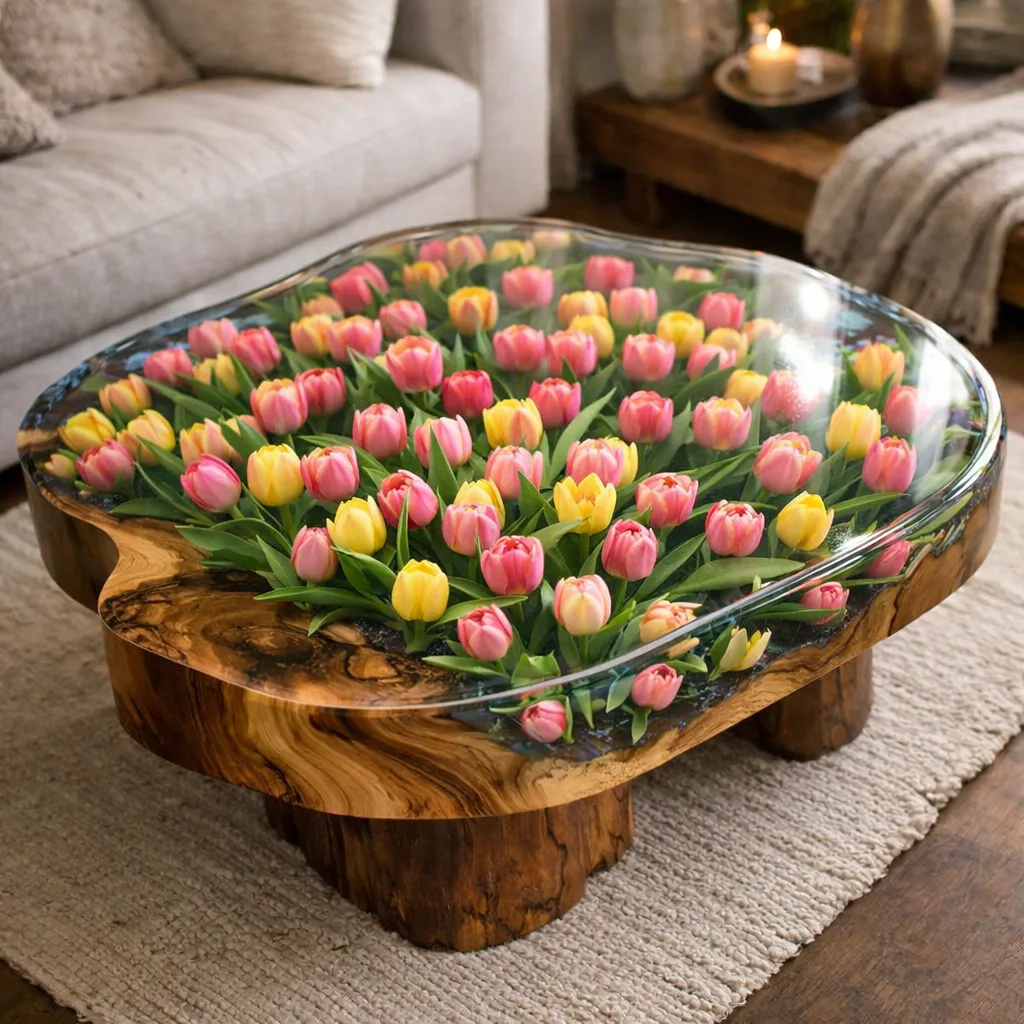
One emerging trend within this niche is the use of color-tinted epoxy. Instead of the traditional clear resin, designers are experimenting with colored epoxy to create mood-enhancing environments. By pairing hydrangeas with blue or green-toned resins, for example, the overall aesthetic becomes rich and immersive, inviting relaxation and serenity into the space. Such innovations enhance visual interest and elevate the design language of the table.
Moreover, incorporating LED lighting within the epoxy can add a luminous effect, making the hydrangeas appear to glow from within. This avant-garde approach introduces a new dimension, transforming an ordinary piece of furniture into a mesmerizing showpiece. The interplay of light and floral forms creates stunning effects, captivating observers and drawing them into the design’s narrative.
Sustainability is also a crucial consideration in current design practices. Many creators are opting for eco-friendly resins, using recycled materials, or sourcing hydrangeas from local or sustainable growers. This conscious decision reflects a broader trend in design focused on environmental responsibility, ensuring that beauty does not come at a cost to the planet. As homeowners become increasingly aware of their ecological impact, choosing sustainable epoxy Hydrangea tables offers a stylish solution that respects nature.
Finally, integrating multifunctional elements into epoxy Hydrangea tables is gaining popularity. For instance, some designs incorporate hidden compartments for storage or extendable surfaces that adapt to different social gatherings. This practical spirit resonates with modern living, making the tables both artistic and versatile to cater to the dynamic needs of contemporary households.
The epoxy Hydrangea table represents a beautiful blend of nature, artistry, and functionality. By exploring creative avenues for design, understanding the emotional significance of hydrangeas, and keeping up with trends, individuals can craft sophisticated pieces that resonate with personal values and aesthetics. Each table becomes more than just furniture; it evolves into a celebrated work of art that brings elegance and warmth to any living space, embodying the union of creativity and the natural world.