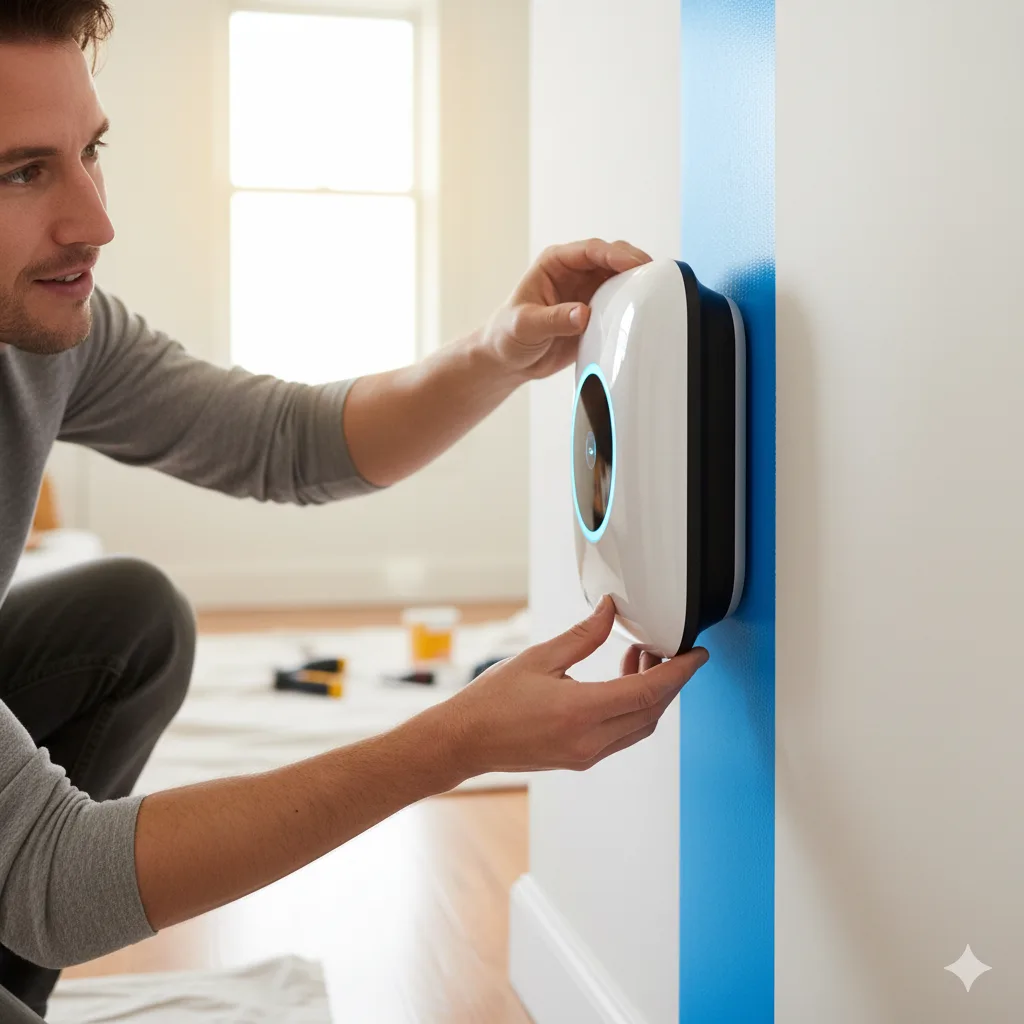
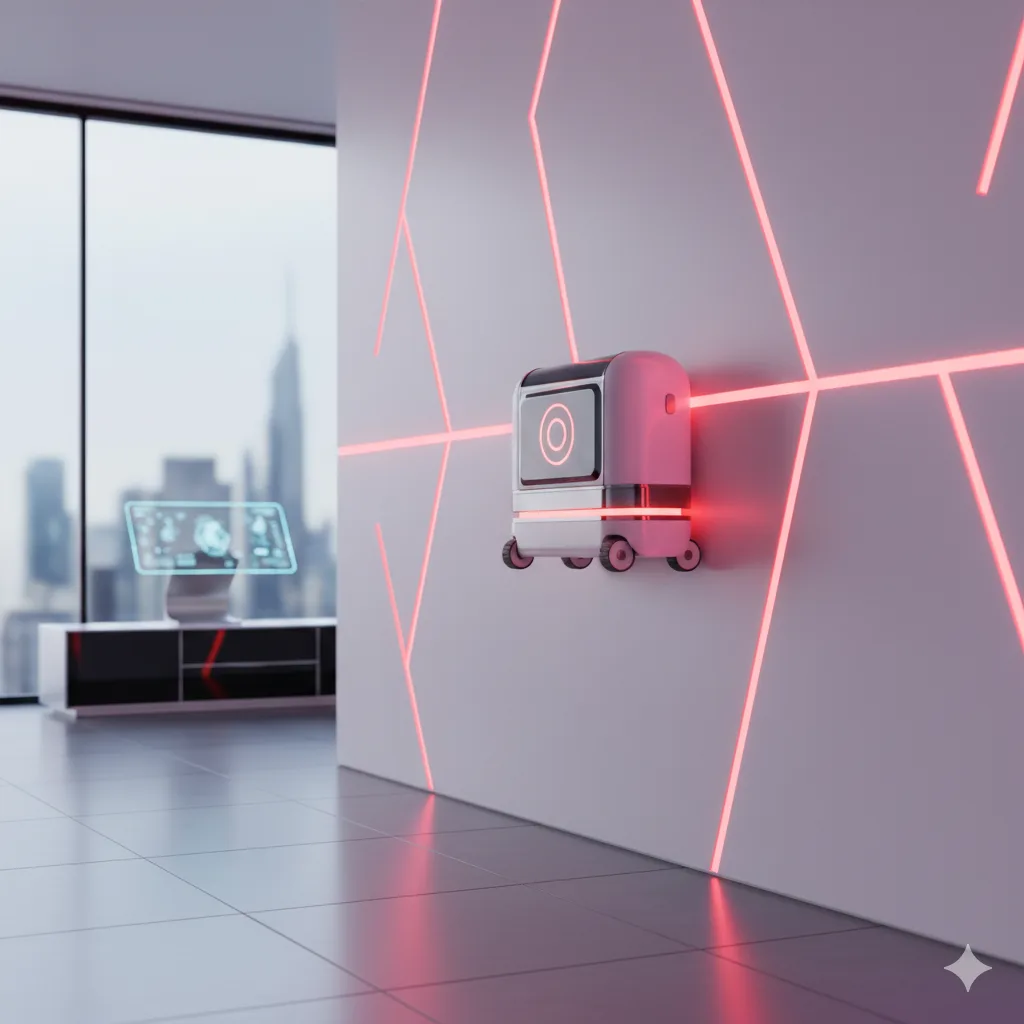
In the modern era of home improvement, efficiency and precision are more vital than ever. A game-changer in this landscape is the automatic wall painting robot, a cutting-edge device designed to streamline what used to be a labor-intensive task. Imagine transforming an ordinary wall into a perfectly painted surface with minimal effort, just by deploying this intelligent machine.
The automatic wall painting robot offers an innovative solution, saving time, reducing waste, and ensuring a consistent finish. Its integration into residential or commercial painting projects signifies a leap forward in technology, promising both professional results and DIY convenience. To fully understand how this marvel works, what benefits it provides, and how it compares to traditional methods, let’s explore the intricate facets of this revolutionary device.
Contents
- 1 Understanding the Functionality of an Automatic Wall Painting Robot
- 2 Versatility and Applications of an Automatic Wall Painting Robot
- 3 Practical Use and Limitations of an Automatic Wall Painting Robot
- 4 Integration of Technology in an Automatic Wall Painting Robot
- 5 Cost Analysis and Comparison of Automatic Wall Painting Robots
Understanding the Functionality of an Automatic Wall Painting Robot
The core purpose of an automatic wall painting robot is to perform precise, uniform painting on various wall surfaces with minimal human involvement. It combines robotics, sensor technology, and intelligent algorithms to achieve this goal efficiently. How does this device operate in real-world applications? Let’s delve into its functionality and advantages.
How an Automatic Wall Painting Robot Works
At its foundation, an automatic wall painting robot is equipped with a combination of sensors, brushes or spray mechanisms, and intelligent control systems that guide its movements. When activated, it scans the surface, maps out the wall structure, and then proceeds to paint in a methodical pattern, ensuring full coverage without overlaps or gaps. These robots typically feature adjustable parameters to suit different paint types, textures, and wall dimensions.
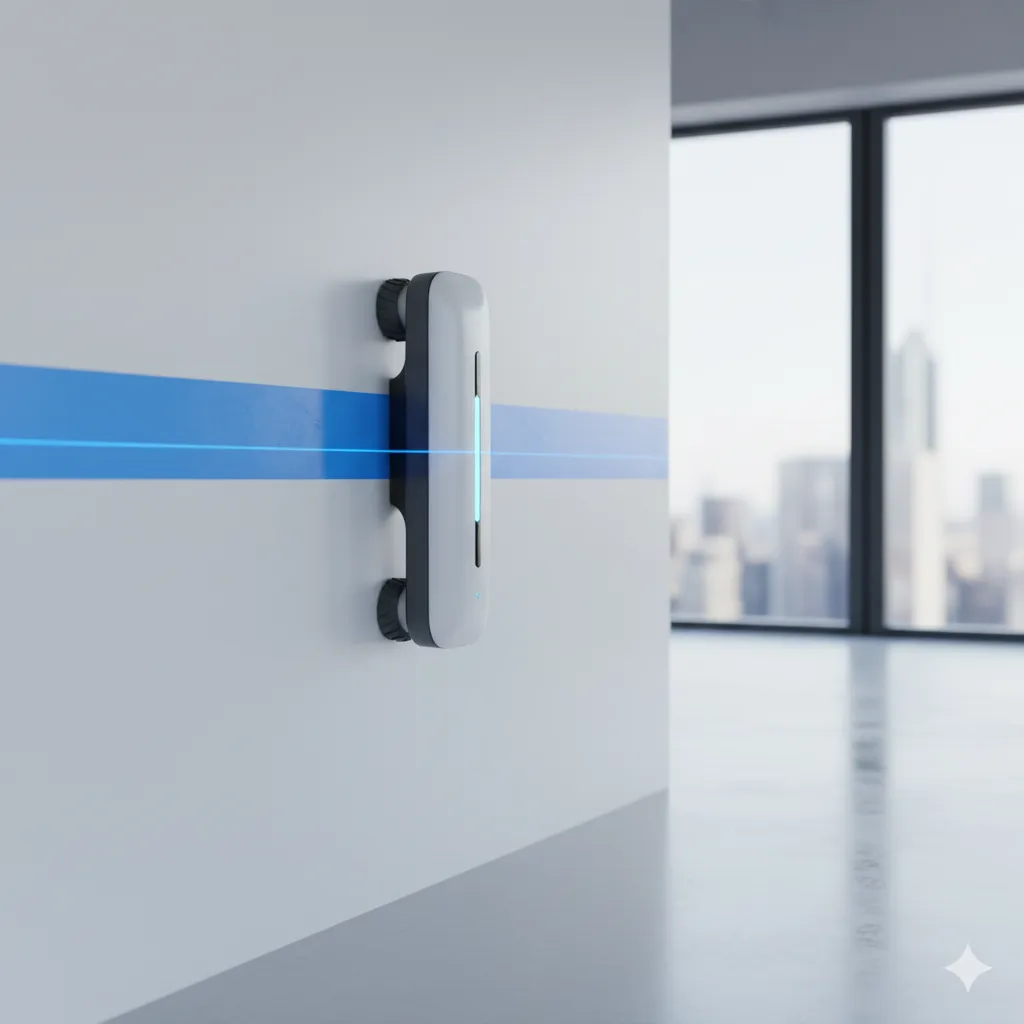
The process begins with the robot calibration, where it aligns its sensors to the wall’s dimensions. Once aligned, it determines the best path for painting, avoiding obstacles such as fixtures or corners. During operation, a steady flow of paint—whether via spray or brush—ensures even coating. Additionally, some models are integrated with real-time feedback mechanisms to modify their path or paint flow if irregularities are detected, mimicking the adaptability of a human painter.
Advantages of Automation in Wall Painting
Using an automatic wall painting robot brings numerous advantages. Firstly, it significantly reduces labor costs by eliminating the need for multiple painters or time-consuming manual work. Secondly, it improves accuracy, producing consistent, professional-quality finishes even on complex surfaces. This consistency is difficult to achieve manually, especially over large areas or intricate designs.
Another notable benefit is safety. Since the robot can operate in high or hard-to-reach areas, it minimizes the risks associated with ladder work or scaffolding. Moreover, the technology reduces paint waste, as the robot precisely controls the amount and distribution of paint. This precision not only economizes material usage but also results in less environmental impact.
In practical scenarios, homeowners and commercial contractors alike can leverage these benefits; imagine painting a ceiling or a high wall with impeccable uniformity—something that might otherwise require extensive effort and skill. As the technology advances, an automatic wall painting robot stands to transform traditional painting into a more accessible and less stressful task.
Versatility and Applications of an Automatic Wall Painting Robot
The automatic wall painting robot is not limited to simple wall painting. Its versatility makes it suitable for various applications, ranging from home renovations to large-scale industrial projects. This flexibility is one of its most compelling qualities, providing solutions tailored to different environments and requirements.



Adapting to Different Wall Types and Surfaces
Walls come in numerous textures, materials, and sizes, demanding adaptable tools that can handle this variability. The automatic wall painting robot is designed with adjustable settings, allowing it to work efficiently on smooth plaster, textured stucco, or even porous brick surfaces. Sensors enable it to detect surface irregularities, adjusting paint flow or movement speed accordingly.
This adaptability ensures that whether you are tackling a delicate wallpapered wall, a rough brick facade, or a glossy painted surface, the robot can accommodate these conditions. Such versatility minimizes the need for manual interventions, saving time, and maintaining a high standard of finish regardless of surface complexity.
Furthermore, advanced models are capable of handling variable wall shapes, including curved or multi-tiered surfaces. This capability opens up new possibilities for architectural features and creative designs. As the technology evolves, so does the range of environments where an automatic wall painting robot can be effectively deployed—be it residential interiors, outdoor facades, or intricate decorative murals.
Large-Scale and Commercial Uses
Beyond residential applications, the automatic wall painting robot excels in commercial and industrial settings. Large warehouses, shopping malls, airports, and office buildings often require extensive repainting with minimal disruption. Manual painting in such scenarios can be time-consuming, costly, and disruptive.
In these contexts, the robot’s efficiency shines. For example, maintenance teams can program the robot overnight to repaint an entire wall or ceiling, achieving streak-free, uniform results while workers are offsite. Its ability to operate continuously with minimal oversight accelerates project timelines considerably.
Moreover, in environments where safety or environmental concerns are paramount, the robot reduces human exposure to fumes, hazardous paints, or difficult terrains. Its deployment guarantees consistent work quality, adherence to regulatory standards, and reduced labor costs, making it an invaluable asset in industrial painting projects.
Practical Use and Limitations of an Automatic Wall Painting Robot
While the automatic wall painting robot brings numerous benefits, understanding its practical application and limitations is essential for optimal utilization. This insight helps users make informed decisions and adapt their expectations appropriately.
Operating Procedures and Best Practices
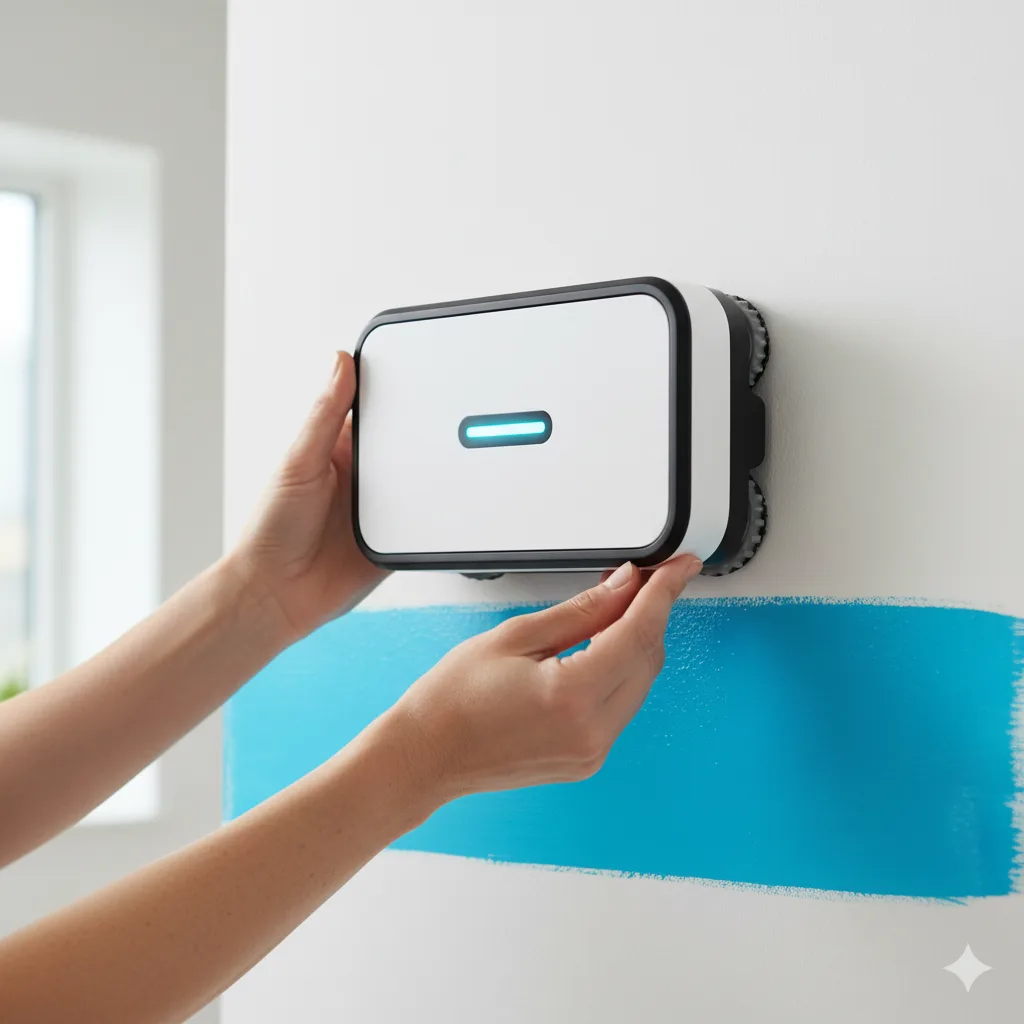
To use an automatic wall painting robot, one typically begins with thorough calibration—measuring the wall dimensions and ensuring the robot’s sensors align correctly. The procedure involves setting parameters such as paint type, coverage pattern, and movement speed. Many models feature user-friendly interfaces or mobile apps that streamline setup.
Once configured, the robot is placed in position, often equipped with a mounting mechanism or mobile platform. It then proceeds with the painting process, guided by pre-programmed routes or real-time sensor inputs. Regular monitoring during operation helps identify any issues such as blockages or uneven coverage, which can be addressed quickly to ensure quality.
Most manufacturers recommend thorough cleaning after use to prevent paint buildup, especially on spray mechanisms. Proper maintenance prolongs the robot’s lifespan and guarantees consistent results in successive projects. With the right setup and care, an automatic wall painting robot can revolutionize the way painting projects are approached.
Challenges and Limitations to Consider
Despite its impressive capabilities, the automatic wall painting robot has limitations. One common issue is handling complex wall features such as intricate moldings or highly textured surfaces, which might require manual touch-ups. Additionally, initial investment costs can be high, making the technology less accessible for small-scale or occasional projects.
Another challenge lies in navigating uneven surfaces or obstacles that the sensors might not detect accurately. In such cases, manual adjustment or intervention remains necessary. Moreover, the robot’s efficiency diminishes on irregular or undulating surfaces, where precise coverage becomes difficult without tailored programming.
Finally, the robot’s dependency on consistent power sources and calibration means that technical malfunctions can lead to delays. While ongoing advancements are addressing these issues, users should weigh these limitations when integrating an automatic wall painting robot into their workflow. Proper planning and understanding of the device’s scope ensure that its deployment is both effective and sustainable.
The automatic wall painting robot exemplifies the future of home and commercial renovations—combining technological innovation with practical functionality. Its ability to deliver consistent, high-quality results while reducing time, labor, and environmental impact marks a significant leap forward in painting technology. Although it has some limitations, ongoing improvements promise to address these challenges, making it an indispensable tool for anyone looking to streamline their painting projects. By understanding its operational mechanics, versatility, and practical constraints, users can harness its full potential, transforming the tedious task of wall painting into an efficient, even enjoyable, process.

Integration of Technology in an Automatic Wall Painting Robot
The integration of advanced technologies in an automatic wall painting robot significantly enhances its performance, including aspects of routing, precision painting, and operational efficiency. These technologies are reshaping traditional painting methods, offering new avenues for innovation in design and productivity.
Smart Navigation and Rigorous Accuracy
A core feature of an automatic wall painting robot is its smart navigation system, allowing it to traverse spaces efficiently while avoiding obstacles. Using advanced algorithms and sensor technology, the robot can map out the painting area to identify walls, dimensions, and any physical obstructions.
For instance, some models employ laser systems to create a detailed map of the space. This capability ensures coverage is thorough, and no area is missed while preventing unintentional contact with furniture, windows, or other valuable items. The accuracy achieved by these smart navigation features often results in cleaner edges and consistently applied coats of paint.
Furthermore, machine learning algorithms enable these robots to improve over time by learning from previous projects. With each painting assignment, they can adapt and fine-tune their processes to anticipate potential challenges in new environments, enhancing their overall efficiency and reliability.
Remote Control and Monitoring Systems
The introduction of app-based control systems elevates the user experience significantly. Many automatic wall painting robots come equipped with mobile applications that allow users to monitor operations in real-time, receive notifications, and make adjustments remotely.
For example, by using a smartphone, a user can pause the robot mid-operation if an unexpected issue arises, such as low paint levels or a malfunction. This flexibility reduces downtime by providing immediate access to actions that would traditionally require physical presence.
In addition, the ability to schedule and control the robot remotely allows for integration into broader automation systems, where users can coordinate multiple devices simultaneously. Imagine managing not just a painting robot but also a cleaning robotic vacuum or smart lighting in a transformation project—this synergy exemplifies the future of smart homes and commercial spaces, enhancing productivity and functionality.
Cost Analysis and Comparison of Automatic Wall Painting Robots
Investing in an automatic wall painting robot entails considering various factors, including purchase price, operational costs, maintenance, and the potential return on investment (ROI).
Initial Investment vs. Long-term Savings
The upfront costs of an automatic wall painting robot can be substantial, ranging from a few thousand to tens of thousands of dollars depending on features. For smaller-scale projects or individual homeowners, these costs can be prohibitive. However, when viewed through the lens of long-term savings and efficiency, the investment can be justified.
For instance, consider a commercial setting where repainting requirements are frequent. Employing a manual team incurs labor costs associated with hourly wages, project delays, and potential mistakes that require rework. On the other hand, an automatic wall painting robot can perform tasks consistently, often faster than human painters, leading to reduced labor costs and quicker project completions.
A return on investment analysis can illuminate the financial benefits over time. For instance, if a robot saves a business 20% in labor costs annually, it may recoup its initial investment within just three years. This cost-benefit perspective is crucial for enterprise-level decision-making, especially as companies strive to optimize expenses.
Comparative Analysis with Traditional Methods
When comparing an automatic wall painting robot to traditional methods, several factors come into play, including quality, speed, and personnel overhead.
Traditional painting methods require skilled labor for quality results, with the painter’s experience directly influencing the outcome. However, with the robot’s precision and programmed consistency, the quality of finish is often superior, minimizing human error risks. Labor-related issues, such as potential injuries due to repetitive motions, are virtually eliminated with robotic systems.
Additionally, traditional methods often involve lengthy prep times and cleanup, which can significantly extend project timelines. In contrast, the automatic wall painting robot often requires minimal setup, allowing for efficient, quick transitions from one task to another.
In instances where rapid repainting is necessary with minimal disruption, such as in commercial environments, the automatic wall painting robot proves advantageous over its manual counterpart, offering streamlined operations that maximize productivity while ensuring high-quality results.
The evolution of the automatic wall painting robot signifies a transformative shift in how wall painting projects are approached. This technology marries precision and efficiency, redefining industry standards while presenting both opportunities and challenges. By integrating smart navigation systems, remote control functionalities, and advanced precision mechanisms, these robots provide a compelling alternative to traditional painting methods. Through thoughtful cost analysis and comparisons, stakeholders can elucidate their benefits, making informed decisions on investment and utilization. As painting technology continues to advance, the potential for further innovation in this space remains enormous, promising even more enhanced performance, improved affordability, and expanded applications across various sectors.