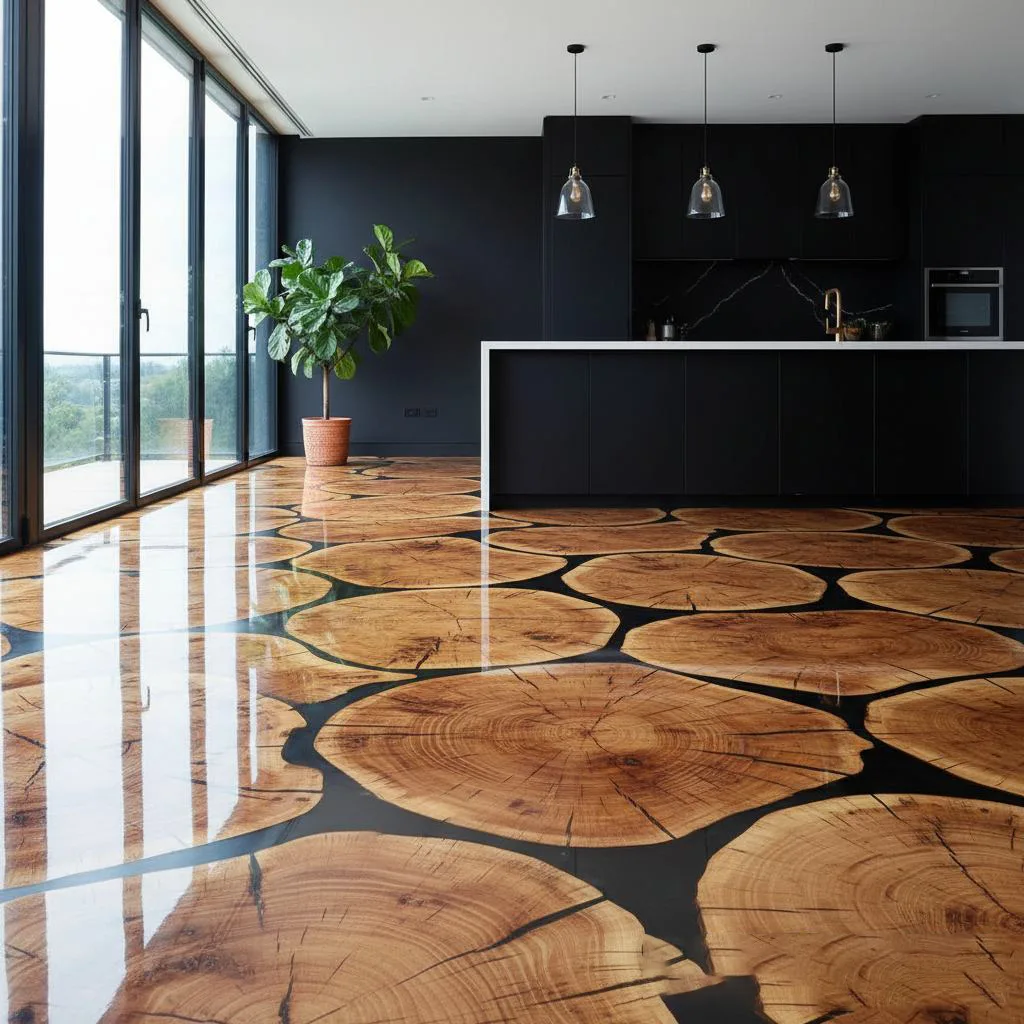
Wood slab flooring has emerged as a popular choice for homeowners and interior designers seeking to blend rustic charm with modern elegance. These natural, massive slabs of wood elevate any space, offering both visual appeal and durability that traditional planks often cannot match. Whether you’re aiming for a farmhouse aesthetic, a contemporary look, or an eclectic mix, incorporating wood slab flooring can transform your environment into a warm, inviting haven.
In this article, we delve into how to effectively use wood slab flooring, explore creative examples of its application, compare it with other flooring types, and provide expert tips to maximize its potential. Whether you’re a seasoned renovator or a first-time buyer, understanding the versatility and beauty of wood slab flooring will empower you to make informed decisions for your space.
Contents
The Unique Appeal and Practical Benefits of Wood Slab Flooring
When considering a flooring upgrade, it’s crucial to understand what makes wood slab flooring stand out. The natural beauty, one-of-a-kind grain patterns, and substantial presence make these slabs a luxury that elevates any room. Beyond aesthetics, their durability and ability to age gracefully add practical value.
Natural Beauty and Unique Grain Patterns
Wood slab flooring offers an unmatched natural appearance that cannot be replicated with manufactured materials. Each slab possesses distinctive grain patterns, knots, and color variations that tell a story of the tree’s life. This uniqueness ensures that your floor will be a one-of-a-kind feature, adding character and historical richness to your home.
The raw, organic look of wood slabs can complement various interior styles, from rustic farmhouses to sleek modern spaces. The irregularities and natural imperfections work to create a sense of authenticity and individuality, making the flooring not just a surface but a conversation piece.
Furthermore, the aesthetic flexibility allows you to choose different wood types—oak, walnut, maple, and more—each bringing its color palette and character. When installed correctly, wood slab flooring can serve as a focal point and elevate the overall ambiance dramatically.
Durability and Longevity
One of the most significant advantages of wood slab flooring is its robustness. Because slabs are thick and dense, they tend to withstand higher foot traffic and resist wear better than traditional hardwood planks. Properly maintained, they can last for decades, making them a worthwhile investment.
The substantial nature of the slabs means they are less prone to warping or splitting, provided they are installed in appropriate environments with controlled humidity. Their thickness also allows for potential sanding and refinishing over the years, renewing their appearance without replacing the entire floor.
In terms of practical use, wood slabs are also resistant to some environmental factors—especially when treated with moisture-resistant finishes. This resilience makes them suitable for both residential and commercial settings, where durability is essential.
Design Flexibility and Adaptability


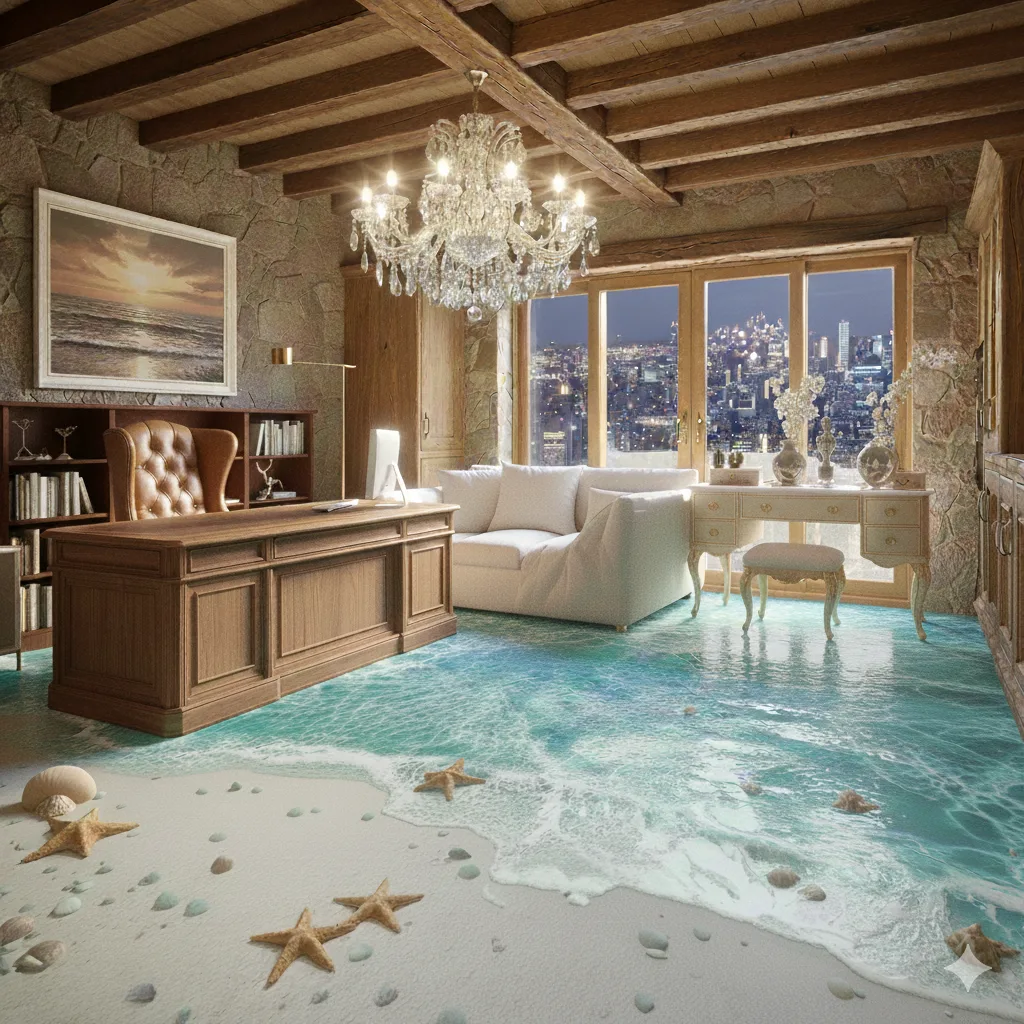

Wood slab flooring is incredibly versatile. It can be customized to fit various interior themes through stain choices, finishes, and edge details. Whether you prefer a live edge slab showcasing natural contours or a more refined cut with straight edges, there’s an option for every aesthetic.
Additionally, slabs can be installed in multiple configurations—running lengthwise, in herringbone patterns, or even in a random board layout—offering endless creative opportunities. The adaptability extends to combining slabs with other materials, such as metal or stone accents, to produce truly bespoke flooring designs that reflect your personality and style.
In summary, wood slab flooring combines aesthetic appeal with exceptional durability and flexibility. It allows homeowners to create spaces that are not only beautiful but also resilient and adaptable, making it a valuable addition to any property.
How to Incorporate Wood Slab Flooring in Various Interior Styles
Using wood slab flooring effectively requires understanding its best applications within diverse design themes. Properly integrating it into your space enhances its visual impact while maintaining harmony with other elements.
Rustic and Farmhouse Aesthetic
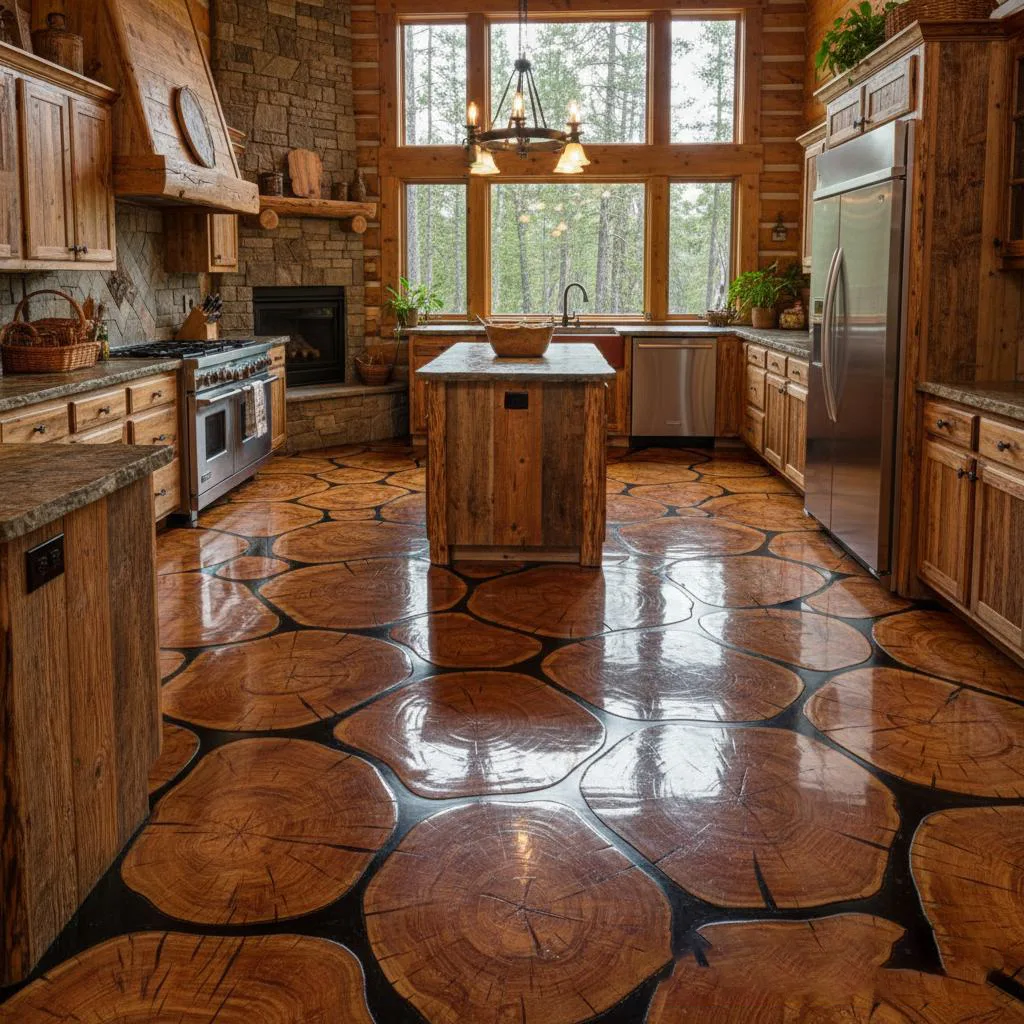
The raw, organic essence of wood slab flooring makes it an ideal choice for rustic or farmhouse interiors. Its natural imperfections, knots, and live edges embody authenticity and warmth, creating a cozy environment that feels inviting and grounded.
In these settings, the focus should be on preserving the natural beauty of the slabs. Minimal finishes and light stains work best to highlight the wood’s organic characteristics. Complement the floor with vintage or distressed furniture, antique accessories, and neutral tones to evoke a sense of timeless charm.
Live edge slabs, in particular, bring an element of unpredictability and natural flair, making each section of the floor a unique feature. For added warmth and cohesiveness, consider pairing the flooring with soft textiles like wool rugs or linen curtains.
This design approach emphasizes the characteristic imperfections of the wood, allowing the craftsmanship and natural state of the slabs to shine. The overall effect is a sanctuary that exudes genuine rustic elegance.
Modern and Contemporary Environments
Contrasting the rugged appeal of rustic styles, wood slab flooring can also serve as a sleek, sophisticated foundation in modern interiors. When finished with a smooth surface and a high-gloss or matte stain, slabs create an elegant backdrop for minimalist furniture and contemporary art.
To incorporate wood slabs into a modern aesthetic, opt for slabs with cleaner edges and a more uniform look. Light-colored woods such as ash or maple serve well in bright, airy environments, while darker woods like walnut add drama and depth.
Pair the flooring with simple, streamlined furnishings, and avoid overly ornate decor. The focus remains on clean lines and uncluttered spaces, with the wood slabs adding warmth without disrupting the aesthetic flow. Integrating lighting that highlights the natural grain can further enhance its beauty.
In contemporary spaces, mixing wood slab flooring with concrete or metal elements can create a compelling visual contrast that emphasizes both textures and materials. This approach underscores the versatility of wood slab flooring as a bridge between natural beauty and modern design principles.
Eclectic and Artistic Interiors
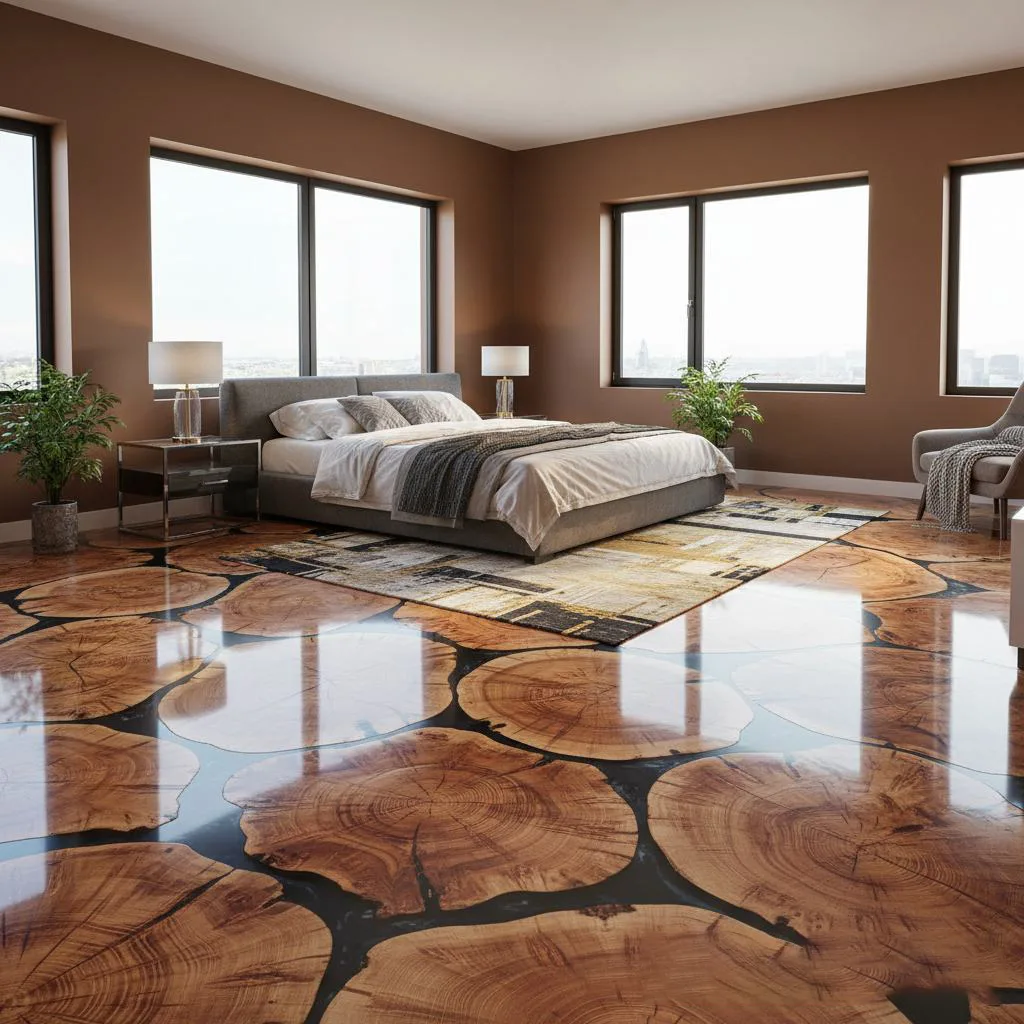
For those who love expressing individual style, wood slab flooring offers countless opportunities for creative experimentation. Combining different slab sizes, stains, and finishes can result in a vibrant, unique floor that acts as an artwork underfoot.
In eclectic interiors, don’t shy away from mixing materials and textures. Incorporate colorful textiles, vintage furniture, or bold art pieces that complement the tones and patterns of your wood slabs.
Use the flooring as a focal point by designing the rest of the room around it. For instance, pair highly patterned rugs or abstract art with subdued wall colors to keep balance. Incorporate custom inlays or mosaic designs within the slabs for additional visual interest.
This approach embraces the natural irregularity of slabs, aligning with a creative, free-spirited environment. The result is a space that feels personal, lively, and uniquely yours.
Comparing Wood Slab Flooring with Other Flooring Options
Choosing the right flooring involves considering both aesthetics and practical factors. Here, we compare wood slab flooring with traditional hardwood, engineered wood, and other popular options to clarify its advantages and limitations.
Wood Slab Flooring vs. Traditional Hardwood
Traditional hardwood flooring usually involves narrow planks or strips, offering a consistent and uniform appearance. In contrast, wood slab flooring features large, singular slabs that create a dramatic statement.
While hardwood planks are easier to install and generally more affordable, slabs bring a sense of grandeur due to their size and natural imperfections. The cost of slabs tends to be higher, but their longevity and unique character often justify the investment.
In terms of maintenance, both require regular cleaning and refinishing, but slabs are more forgiving when it comes to hiding scratches or dents due to their rich textures. They also tend to be thicker, providing more durability over time.
Ultimately, choosing between the two depends on your aesthetic preference and budget. If you desire a bold, natural look with high impact, wood slab flooring is an excellent option worth contemplating.
Wood Slab vs. Engineered Wood Flooring
Engineered wood is designed to provide high stability and resistance to environmental changes, making it popular in areas with fluctuating humidity. However, it lacks the natural variability and thickness of slabs.
Wood slab flooring offers unparalleled authenticity and a sense of craftsmanship that engineered options cannot match. Its natural edges, grain, and textures create a more organic appearance, elevating the overall ambiance.
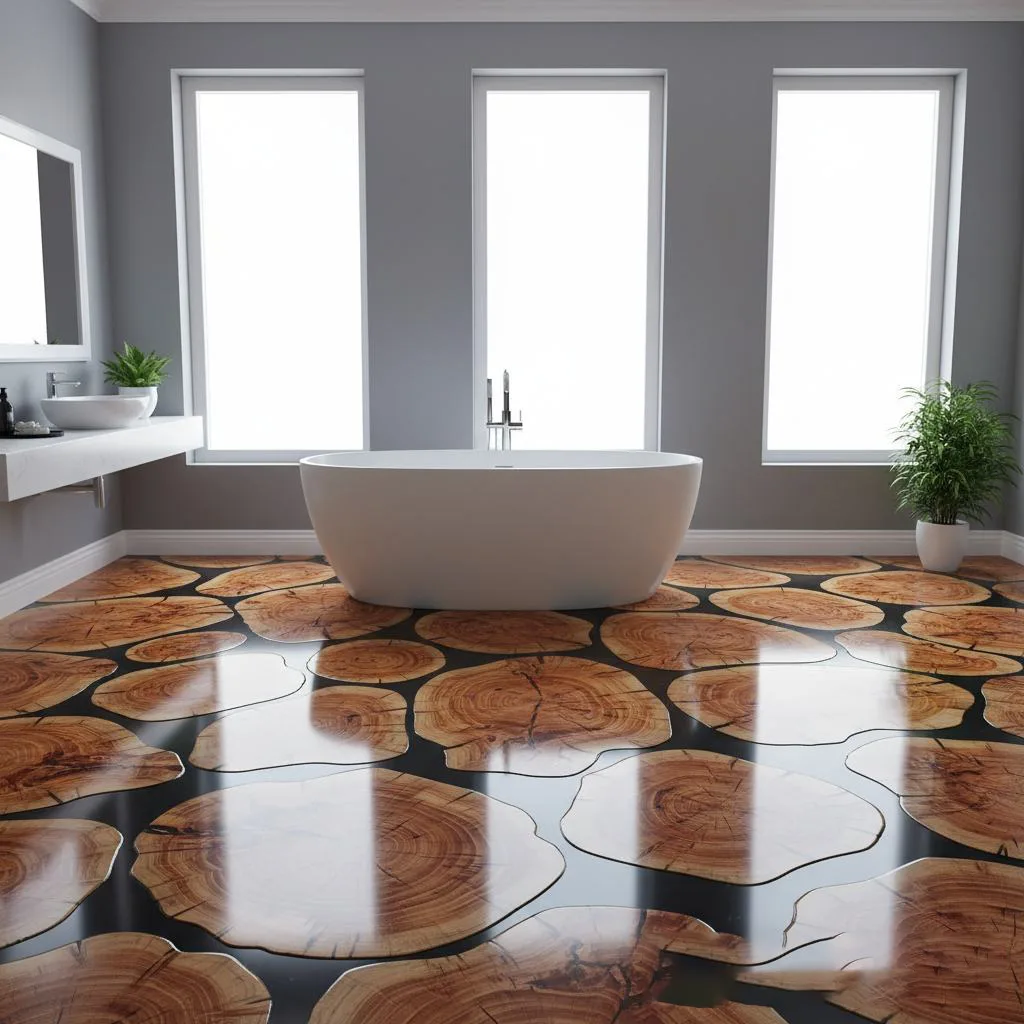
The main advantage of engineered wood is easier installation and cost efficiency. While slabs require more careful handling and installation, the result can be significantly more impressive with a personalized, high-end feel.
For homeowners seeking a bold statement and natural authenticity, wood slab flooring stands out. For those prioritizing ease of installation and cost, engineered wood may be more suitable.
Comparing Wood Slab with Vinyl or Tile Flooring
While vinyl and tile are often chosen for their affordability and resistance to moisture, they lack the warmth and personality of wood slab flooring. They also do not replicate the natural patterns and depth that large wood slabs provide.
Synthetic options are low maintenance and highly durable but may fall short in offering the distinctive beauty that naturally sourced wood slabs provide. Additionally, they may not add the same value or sense of craftsmanship.
Choosing between these options should be based on lifestyle needs, aesthetic preferences, and long-term investment goals. Wood slab flooring excels in creating a warm, inviting atmosphere that other materials struggle to emulate.
Expert Tips to Maximize the Impact of Wood Slab Flooring
To ensure your wood slab flooring reaches its full potential, it’s essential to apply proper installation, maintenance, and design strategies. A little planning can make your investment last decades while enhancing your home’s value.
Proper Installation and Environment Control
Installing wood slabs requires careful preparation and expertise. Due to their size and density, slabs need a stable subfloor and precise fastening techniques to prevent warping or movement.
Hiring experienced professionals who understand moisture barriers and acclimatization is crucial. Acclimating slabs before installation ensures they contract or expand minimally over time, reducing future issues.
Maintaining consistent humidity levels within your home also prolongs the life of your wood slab flooring. Use humidifiers or dehumidifiers during seasonal changes, especially in areas prone to extreme moisture shifts. Proper installation and environment management are foundational for long-lasting beauty.
Maintenance and Restoration
Regular cleaning with gentle, non-abrasive products preserves the surface. Avoid excessive water or harsh chemicals that can damage the natural finish. Periodic refinishing, such as sanding and resealing, can restore luster and repair superficial scratches or wear.
For minor damages, touch-up kits or professional restoration services can rejuvenate the surface. Keeping the floor free of debris and using soft footwear further minimizes wear.
Invest in high-quality finishes and sealants during installation, as they serve as protective layers. Over time, maintaining these finishes ensures your wood slab flooring remains a stunning feature that ages gracefully.
Design Advice for a Cohesive Look
Think creatively about how your slabs will contribute to the overall aesthetic. Integrate the natural edges and grain patterns into your design by selecting complementary furniture and accessories.
Experiment with color treatments, such as stains or oils, to suit your style—whether you prefer natural hues or bold, contrasting tones. Keeping the rest of the décor relatively simple allows the floor to shine as a visual centerpiece.
Lastly, consider lighting placement—both natural and artificial—to accentuate the natural beauty of your wood slabs. Well-placed lighting can highlight grain, knots, and textures, creating a dynamic environment full of warmth and personality.
Wood slab flooring offers a distinctive blend of natural beauty, durability, and flexibility that elevates any interior space. Its unique grain patterns and substantial presence create environments that are both warm and luxurious, whether applied in rustic, modern, or eclectic styles. By understanding the nuances of installation, maintenance, and design integration, you can make the most of this natural material to craft a space that is timeless and captivating. As a versatile and enduring choice, wood slab flooring stands as an investment in the aesthetic and practical value of your home, ensuring countless years of admiration and comfort.