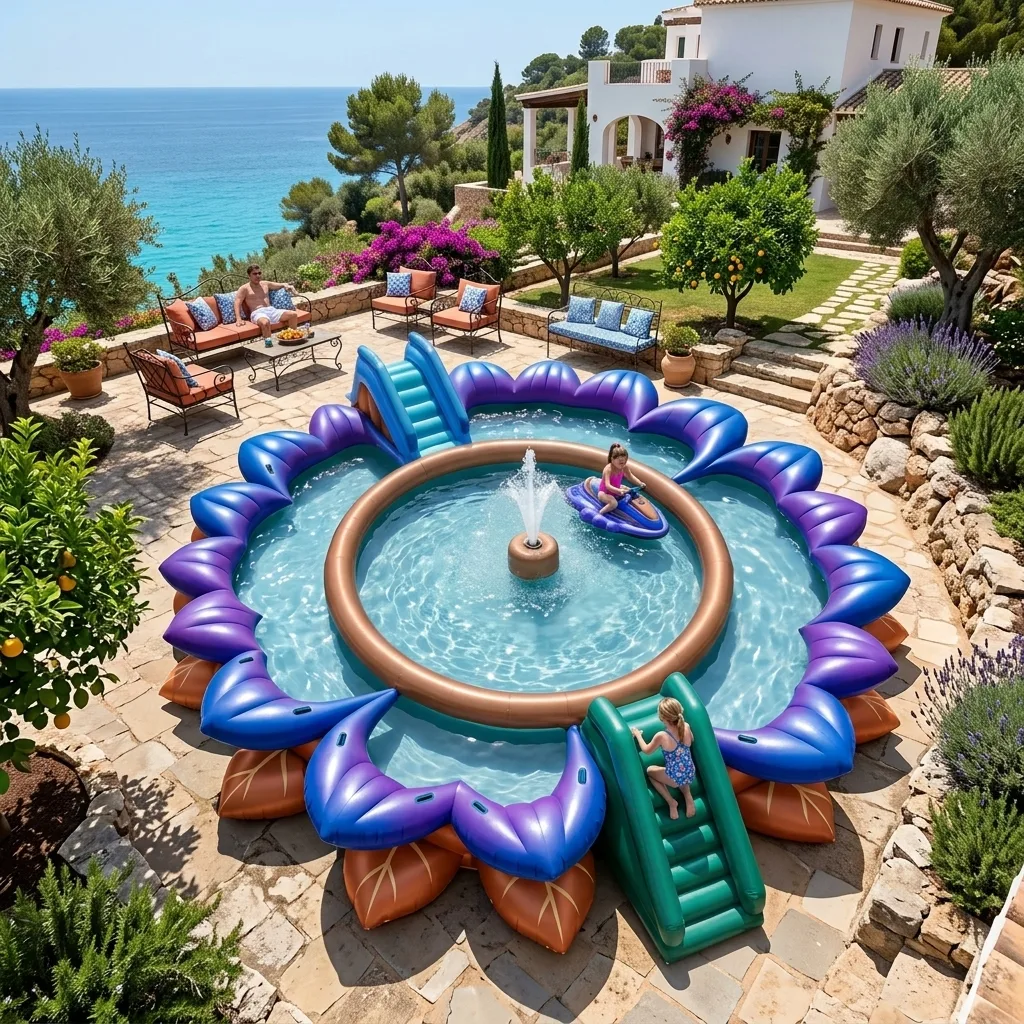
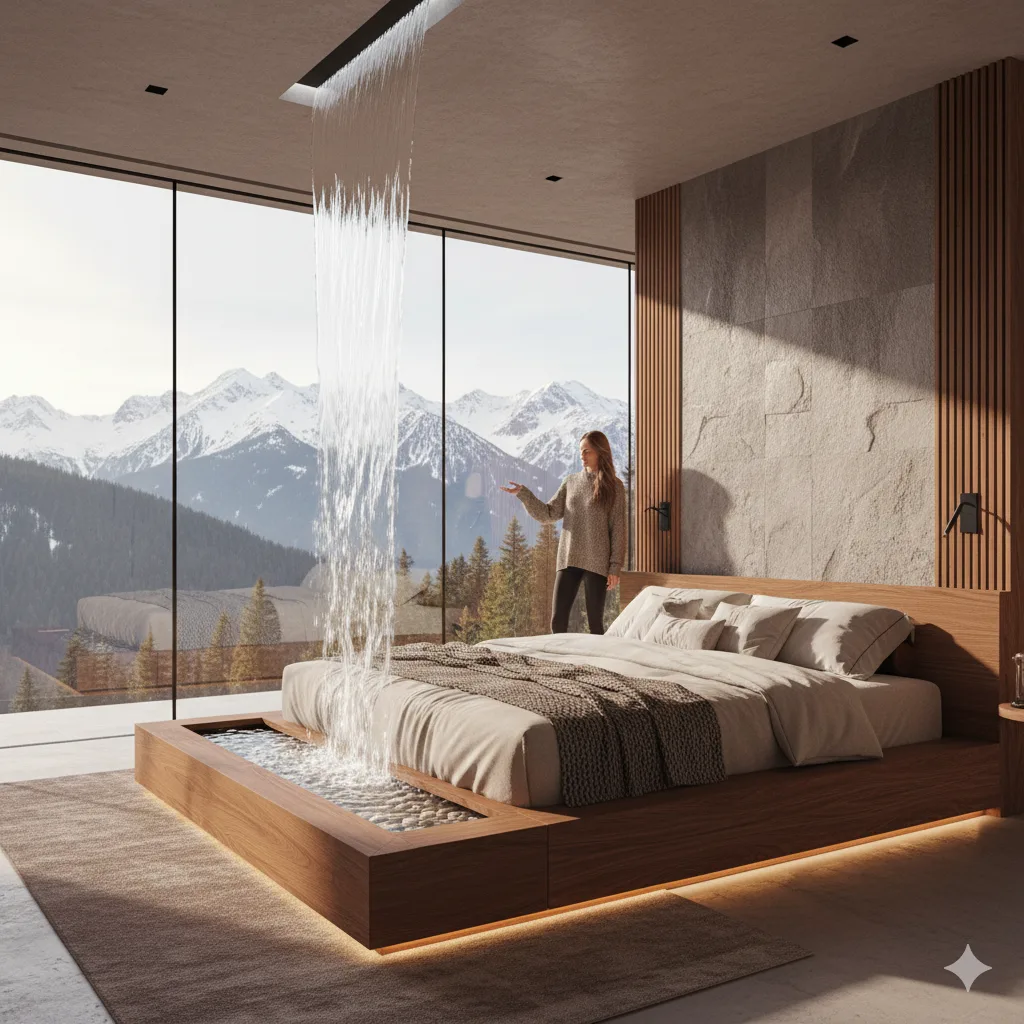
Waterfall beds are rapidly gaining popularity among garden enthusiasts and landscape designers for their stunning visual appeal and soothing ambiance. These unique garden features mimic the gentle flow of waterfalls, creating a dynamic landscape that attracts both the eye and the senses. Whether you’re considering installing waterfall beds in your backyard or planning a small feature for a community park, understanding how to effectively incorporate and utilize waterfall beds can significantly enhance your outdoor space. In this comprehensive guide, we will explore how to effectively use waterfall beds, provide inspiring examples, compare different styles, and offer expert advice on maintaining these captivating features.
Waterfall beds serve as a focal point in any landscape, combining the beauty of water with lush plantings. By harnessing the natural movement of water, these beds create a tranquil environment that invites relaxation and admiration. Learning the essentials of building, designing, and caring for waterfall beds can turn an ordinary garden into a captivating natural retreat.
Contents
Understanding the Basics of Waterfall Beds – From Design to Implementation
A well-designed waterfall bed seamlessly integrates water features with plantings, rocks, and other natural elements to achieve a harmonious look. To create an effective waterfall bed, understanding the fundamental aspects—such as location, structure, and water flow—is essential.
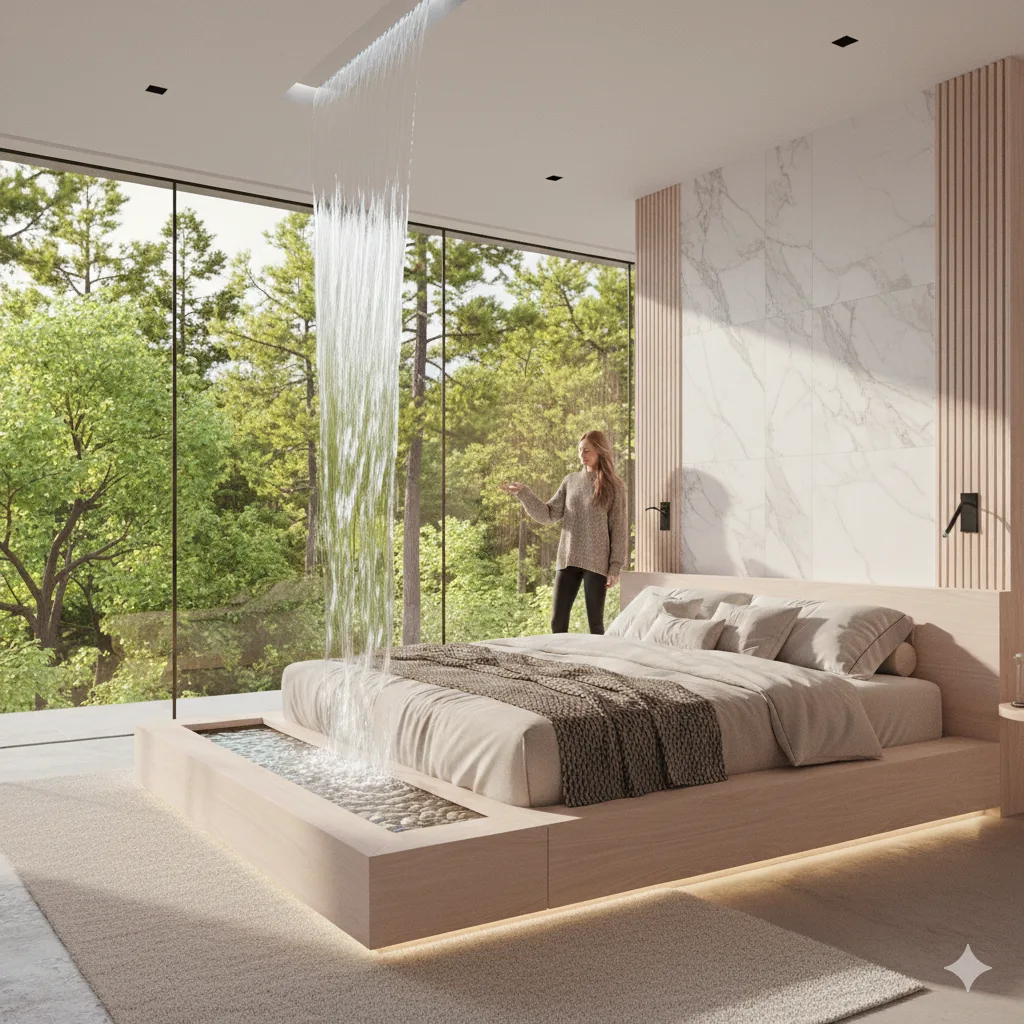
Waterfall beds can vary widely in complexity, from simple cascading rocks at the edge of a pond to elaborate DIY installations with pumps and lighting. Before starting, consider your space constraints, budget, and desired aesthetic. These considerations influence the design approach, materials to be used, and overall scale of your waterfall bed.
Visualizing how water moves through the bed is crucial for ensuring it appears natural and flows smoothly. Proper planning ensures that the waterfall bed becomes a sustainable feature that blends perfectly with your existing landscaping.
Planning Your Waterfall Bed for Optimal Aesthetic and Functionality
When designing a waterfall bed, the first step involves selecting the right location. Choose a site with good sunlight exposure—most aquatic plants and surrounding foliage thrive in areas that receive ample light. Ensure there is access to near electricity and water sources, especially if you plan to incorporate pumps or lighting.
Next, consider the size and shape of your waterfall bed. Larger beds tend to create more dramatic effects, while smaller ones are perfect for intimate garden corners. Use natural rocks and materials that complement your landscape style—smooth stones for a modern look or rugged rocks for a rustic feel. Positioning these elements thoughtfully will enhance the natural flow of water.
Finally, take into account maintenance needs. A waterfall bed requires regular cleaning of filters, removal of debris, and checking the pump system. Planning for ease of access can save you time and effort, ensuring your waterfall bed remains a stunning feature year-round.
Designing and Building Your Waterfall Bed Step-by-Step
Building a waterfall bed involves a combination of artistic vision and practical steps. Begin by excavating the area and creating a pond or basin that will hold the water. Ensure the basin is deep enough to support the water pump and filter system, which are essential for maintaining water clarity and circulation.
Once the basin is in place, position rocks and ledges to create a natural cascade. Secure large rocks with mortar if necessary, but avoid over-structuring—aim for a natural, organic look. Install the pump at the base of the waterfall, connecting it to tubing that guides water up to the top of your structure.
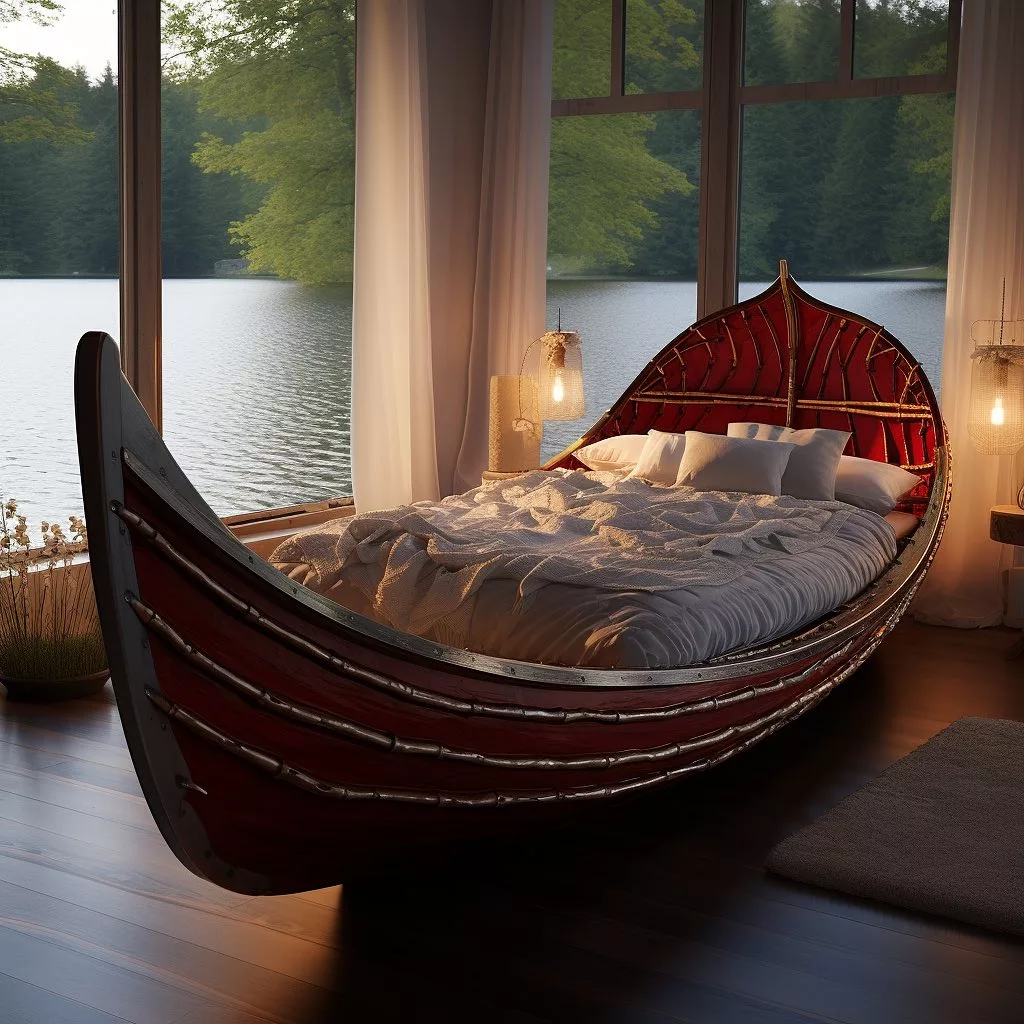


Finally, plant around the waterfall bed with moisture-loving plants, such as ferns, hostas, or water lilies, to integrate the feature into your garden seamlessly. Regularly check water levels and flow, adjusting as needed to preserve the natural flow and beauty of your waterfall bed.
Caring for and Maintaining Waterfall Beds – Long-Term Success Tips
Once your waterfall bed is in place, proper maintenance is key to ensuring it remains a beautiful, functional feature. Regular care prevents algae buildup, equipment failures, and plant health issues, keeping your waterfall beds vibrant and inviting.
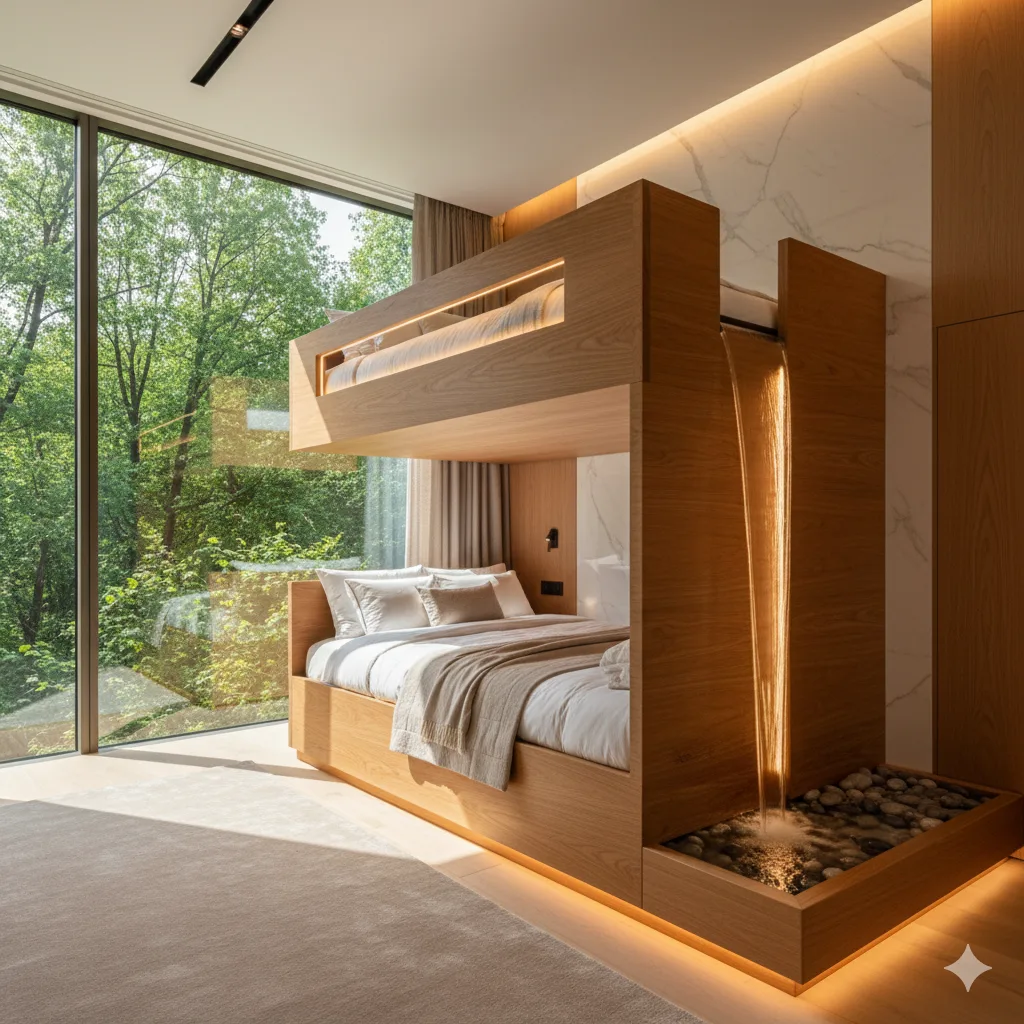
Consistent cleaning involves removing debris, such as fallen leaves, from the surface and filter area. This prevents clogging and promotes clear water circulation. Periodic water changes or topping off water levels compensate for evaporation, especially during hot seasons.
Monitoring the pump and filtration system is vital for the longevity of your waterfall bed. If the flow decreases or the pump makes unusual noises, it may need servicing or replacement. Checking for leaks or shifting rocks after storms or heavy winds can prevent structural damage.
Enhancing Your Waterfall Bed with Complementary Plantings
Water-loving plants are an essential part of waterfall beds, adding color, texture, and a natural feel. Incorporate a mix of aquatic plants such as water lilies, lotus, or hornwort, which thrive in shallow water areas and provide shade.
Surrounding your waterfall with terrestrial plants like ferns, hostas, or ornamental grasses can soften the edges and create a lush backdrop. These plants help stabilize soil and prevent erosion, contributing to a balanced ecosystem.
Incorporating flowering plants can add seasonal interest to your waterfall bed, with blooms providing vibrant accents that attract butterflies and hummingbirds. The key is selecting plants that thrive in humid environments and are compatible with water features to ensure long-lasting beauty.
Troubleshooting Common Issues in Waterfall Beds
Despite careful planning, issues can occasionally arise with waterfall beds. One of the most common problems is algae growth, which appears as green scum or cloudy water. To combat this, consider introducing natural algae suppressants, increasing water circulation, or adding aquatic plants that compete for nutrients.
Another challenge involves pump failure or reduced water flow, often caused by clogging or mechanical issues. Regular inspection and maintenance of pumps, filters, and tubing can prevent these problems. If equipment isn’t functioning correctly, replace parts promptly to avoid extended downtime.
Finally, structural issues such as shifting rocks or leaks require immediate attention. Secure loose stones and patch leaks with waterproof sealants or replace damaged liners. Maintaining a vigilant inspection routine ensures your waterfall bed remains a stunning, resilient feature of your garden.
Comparing Waterfall Beds to Other Water Features – Making the Best Choice for Your Garden
When considering water features for your landscape, waterfall beds stand out for their natural beauty and soothing sound. However, they are part of a broader family of features including fountains, ponds, and streams, each offering unique advantages and aesthetics.
Understanding the differences helps in choosing the right feature that aligns with your garden’s style and your maintenance capacity. Waterfall beds are dynamic, visually interesting, and can serve as the centerpiece of a landscape, but they often require more effort in design and upkeep compared to simpler features like birdbaths or static ponds.
In comparison, fountains tend to be lower maintenance and highly versatile, making them suitable for smaller spaces or those seeking minimal intervention. Conversely, ponds with waterfall beds can offer additional benefits such as supporting fish habitats or creating microclimates.
Waterfall Beds Versus Fountains – Which Fits Your Landscape Better?
Fountains are often selected for their simplicity and versatility. Unlike waterfall beds, which incorporate flowing water over rocks and plants, fountains primarily function as a focal point with water shooting upward through nozzles or jets.
While fountains require less space and fewer structural elements, waterfall beds provide a more natural, immersive experience. The sound of cascading water in waterfall beds is often more soothing because it mimics natural streams and waterfalls, creating a sense of tranquility.
Design-wise, waterfalls blend seamlessly into garden landscapes, especially when combined with lush planting schemes. Fountains, however, tend to stand out as sculptural elements or accents, making them ideal for modern or minimalist gardens. Your choice depends on whether you prioritize a naturalistic landscape or a striking visual statement.
Incorporating Waterfall Beds into Various Garden Styles
Waterfall beds work beautifully in diverse garden styles—from traditional English gardens to modern minimalist landscapes. In rustic settings, large rocks and native plants emphasize the natural, rugged appeal of waterfall beds.
In contemporary designs, clean lines paired with sleek materials like glass or polished stone create a striking contrast with the organic water cascade. For cottage gardens or woodland settings, cascading plants and organic rock arrangements enhance the whimsical feel.
Regardless of style, the key is to tailor your waterfall bed’s design to complement existing elements while also highlighting the natural movement of water. Thoughtful integration ensures your feature enhances the overall aesthetic and creates a harmonious outdoor space.
Expert Tips for Choosing the Right Water Feature
When selecting a water feature, consider factors such as space, budget, maintenance capacity, and aesthetic goals. For smaller gardens, a compact waterfall bed can add a focal point without overwhelming the space. Larger landscapes may accommodate grander, multi-tiered waterfalls.
Evaluate the level of maintenance you’re willing to commit—some features require regular cleaning, servicing, and plant care. Advanced systems can automate some of these tasks but may involve higher upfront costs.
Lastly, think about the noise level and visual impact. Waterfall beds produce relaxing sounds that can drown out noise pollution, enhancing your outdoor experience. Properly designed, they have the power to transform your garden into a peaceful retreat.
Waterfall beds represent a captivating blend of water, rocks, and plant life that can elevate any garden into a serene, natural haven. Whether you aim to craft a subtle water feature or a grand cascade, understanding their design, construction, and maintenance is essential for long-term success. By choosing the right location, materials, and plants, and by understanding how to troubleshoot common issues, you can enjoy the soothing sounds and stunning visuals of waterfall beds for years to come. As a versatile feature that complements numerous garden styles, waterfall beds truly embody the beauty of nature’s flowing grace—an investment that enriches your outdoor living space with tranquility and aesthetic appeal.