Contents
- 1 Introduction
- 2 The Emotional and Practical Appeal of Tractor BBQ Grills
- 3 Design Language: How Tractor Form Supports Function
- 4 Types and Configurations of Tractor BBQ Grills
- 5 Materials & Construction: Building for Heat and Longevity
- 6 Fuel Choices: Wood, Charcoal, Pellets, Gas — and Hybrids
- 7 Heat Management & Cooking Performance: The Science Behind the Beauty
- 8 Ergonomics & Workflow: Designing for Long Service Runs
- 9 Safety, Compliance, and Responsible Operation
- 10 Maintenance & Longevity: Keep the Tractor in Top Shape
- 11 Customization & Branding: Make It Unmistakably Yours
- 12 Use Cases: Where Tractor BBQ Grills Shine
- 13 Cost & Value: Budgeting for a Statement Piece
- 14 Sustainability and Resourcefulness
- 15 Frequently Asked Questions (FAQs)
- 16 Case Studies: Examples of Tractor BBQ Grills in Action
- 17 How to Choose the Right Tractor BBQ Grill
- 18 Conclusion
Introduction
When a meal becomes an event, you remember it. A slow-smoked brisket shared under open sky, ribs pulled apart and still steaming, the little shock of delight when someone walks up to a grill that looks like a piece of living history — that’s the promise of Tractor BBQ Grills. These are not just cookers; they are storytelling machines that combine serious barbecue performance with the unmistakable visual language of agricultural machinery. Whether built from reclaimed tractor parts, hand-fabricated to mimic classic tractor silhouettes, or crafted as bespoke showpieces for restaurants and festivals, Tractor BBQ Grills transform food service into theatre. In this article we’ll explore why Tractor BBQ Grills are the perfect and unique choice: their design DNA, cooking capabilities, material and construction considerations, practical performance, safety and maintenance, customization possibilities, and use cases where their value is most obvious. If you want a grill that sears flavor and creates memories, read on — this is a deep dive into the farm-loyal, smoke-proud world of Tractor BBQ Grills.
The Emotional and Practical Appeal of Tractor BBQ Grills
A visual magnet that tells a story
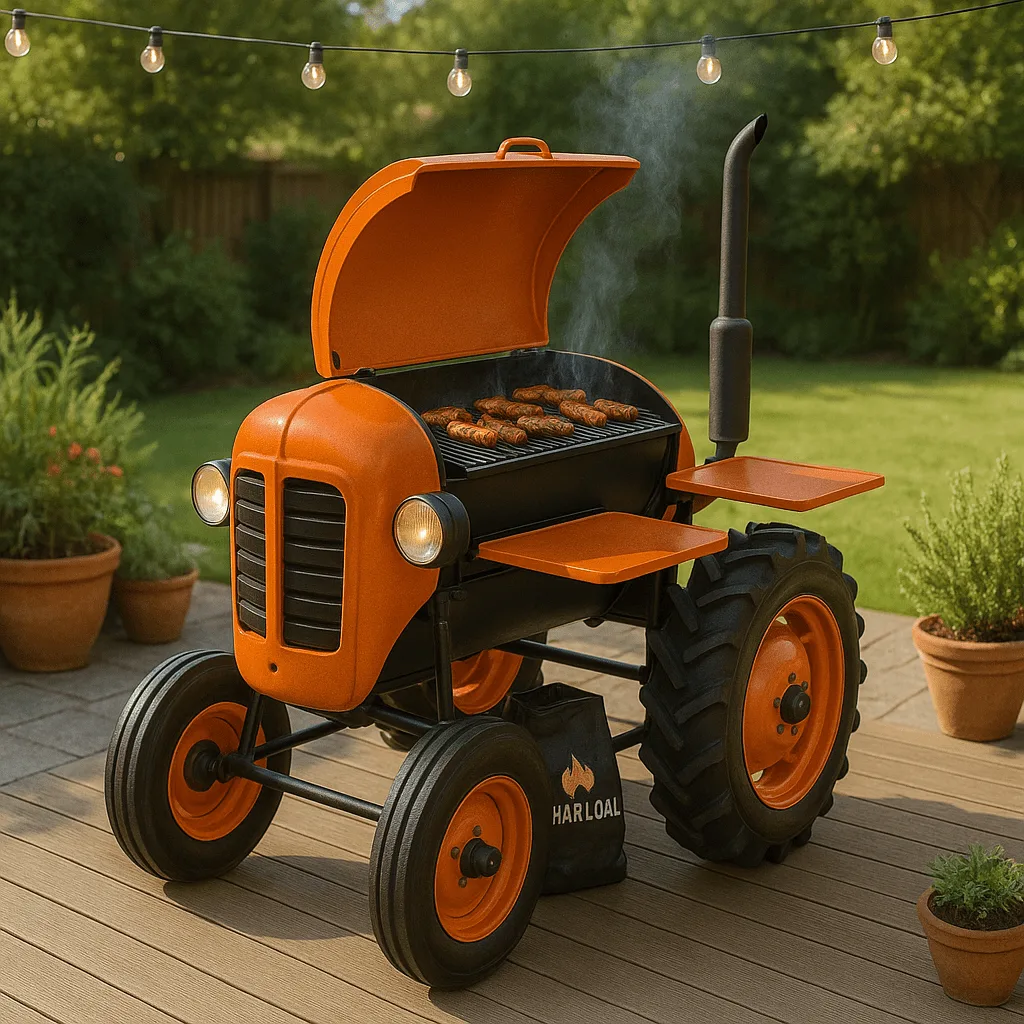
Part of what makes Tractor BBQ Grills irresistible is emotional resonance. Tractors are icons of hard work, harvest, and rural life; their rounded hoods, stout wheels, and vertical exhaust stacks evoke wind and soil, not appliances. A tractor silhouette parked at a cookout signals more than a meal — it suggests tradition, hands-on craft, and a connection to the land. This storytelling quality turns the grill into a conversation piece, a photo subject, and a brand asset for businesses.
Performance without compromise
Beyond aesthetics, the best Tractor BBQ Grills are engineered to perform on par with purpose-built smokers and grills. Master fabricators design thick steel cook chambers, balanced airflow systems, and serviceable fireboxes so the grill cooks like a pro pit. The tractor body is a skin over solid barbecue principles: thermal mass, controlled draft, and ample grate space. Owners get both presence and performance, which is why the tractor concept appeals to home pitmasters, caterers, restaurants, and event operators alike.
Design Language: How Tractor Form Supports Function
Using tractor shape thoughtfully
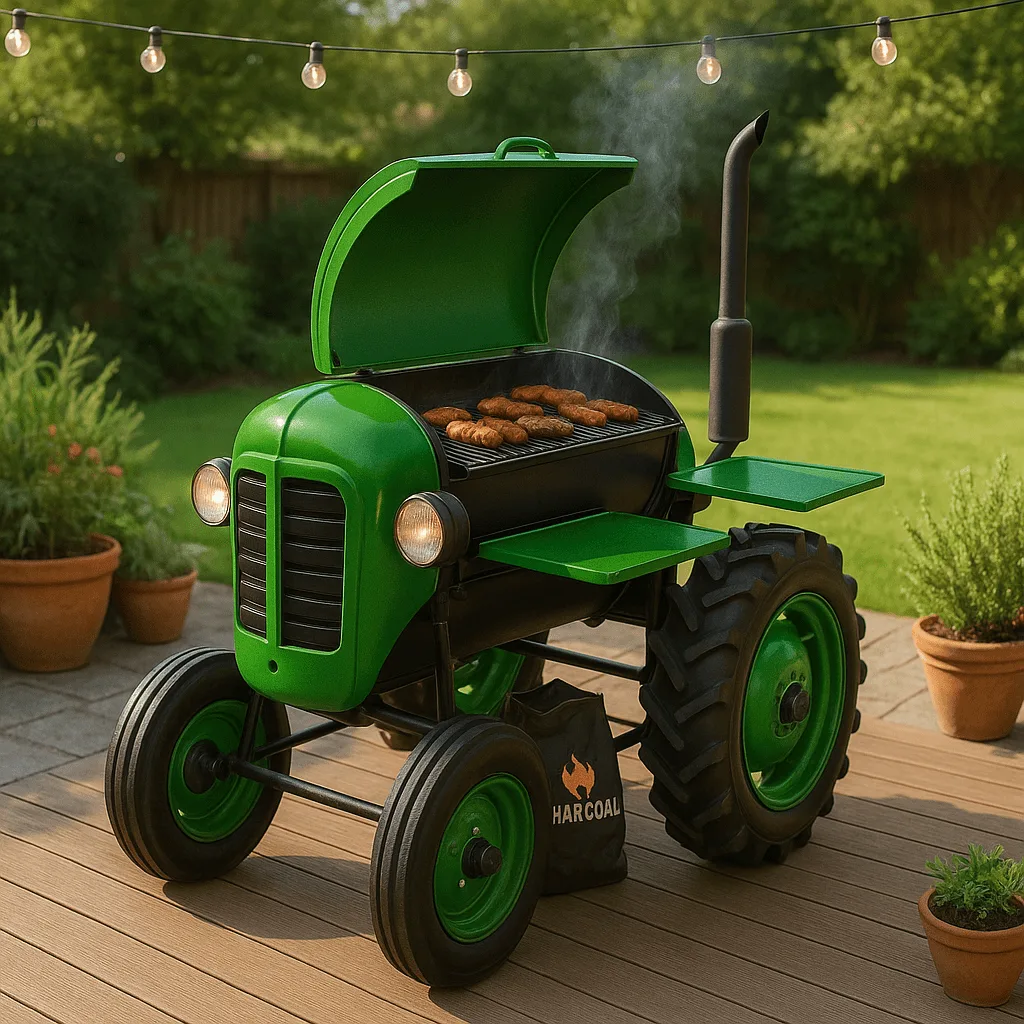
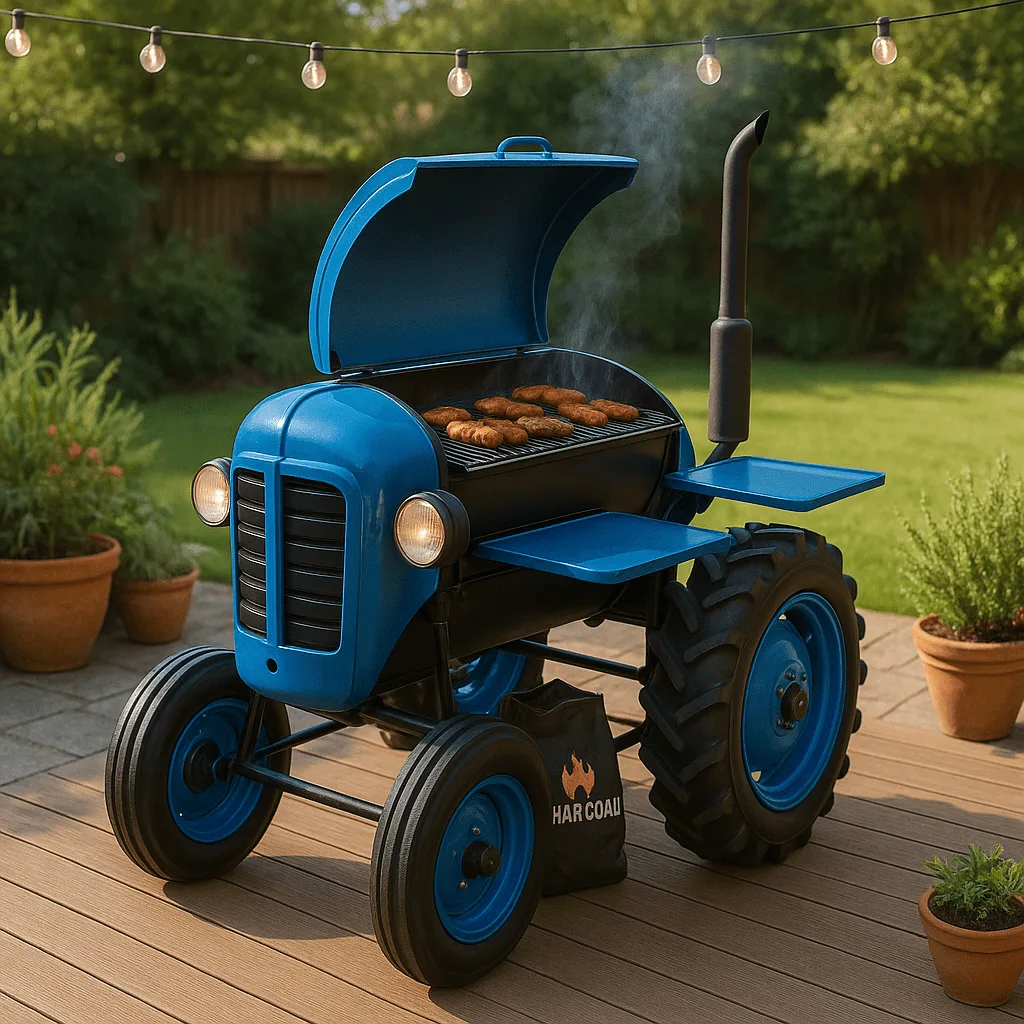
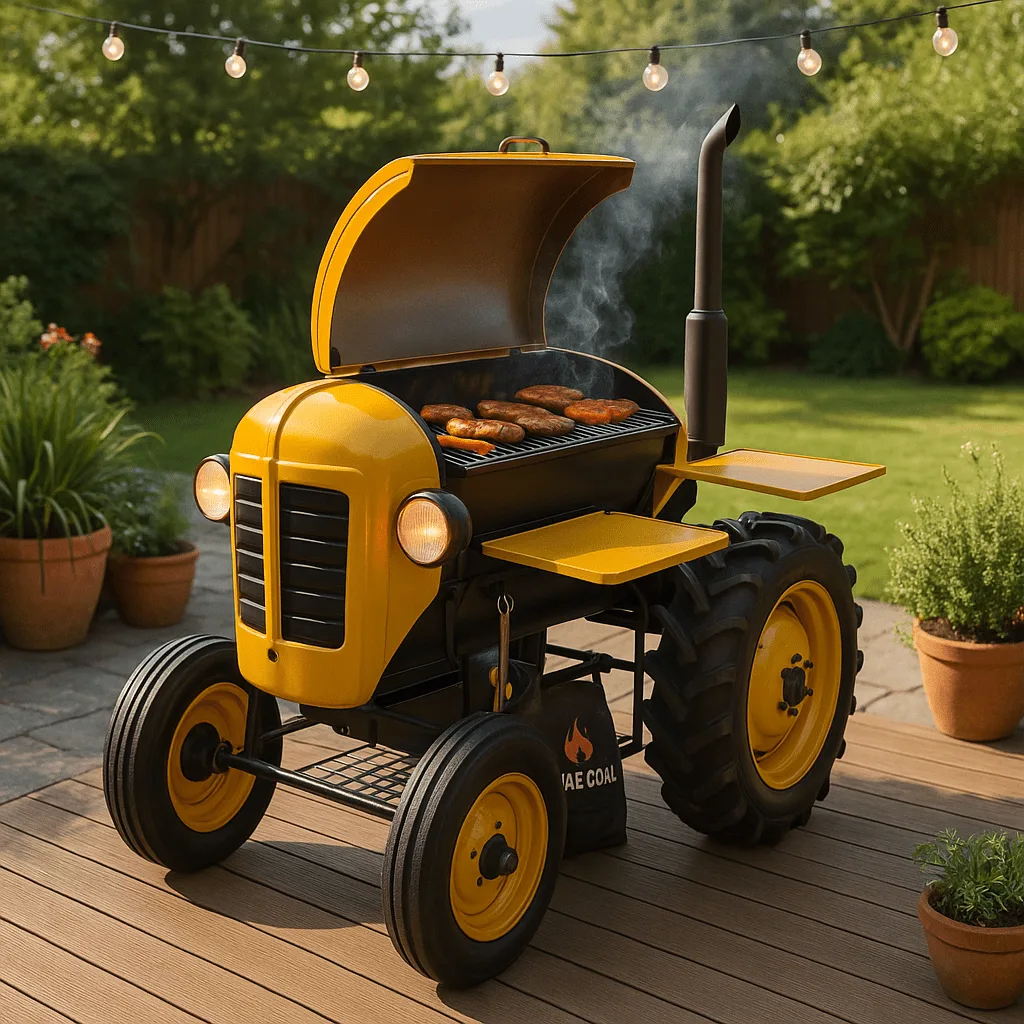
Good Tractor BBQ Grills borrow the cues of tractors—curved hoods, fenders, stacks—without letting style compromise function. The “hood” becomes a well-insulated lid; faux fenders can hide hinges or vents; a vertical exhaust stack performs real draft work. By treating the tractor aesthetic as a design system rather than a costume, fabricators create cookers that look like farm equipment and act like precision tools.
Where reclaimed parts meet fabrication
Some builds incorporate authentic tractor elements: grilles, steering wheels repurposed as damper handles, or real rims as support stands. Others are pure fabrication, laser-cut and bent into tractor-inspired panels. Both approaches can be beautiful; reclaimed parts add soul and history, while custom fabrication ensures exact tolerances and clean welding. Either way, the key is to integrate decorative elements so they enhance ergonomics and airflow rather than impede them.
Types and Configurations of Tractor BBQ Grills




Patio-scale aesthetic grills
For homeowners and small restaurants who want the look without the scale, patio tractors offer compact footprints. These units mimic tractor cues—rounded lid, stack, stylized wheels—while housing a modest charcoal or pellet cooking chamber. They’re great for decks and patios because they present a dramatic focal point with manageable capacity.
Towable trailer units
Mid-size tractor grills are built on trailer frames. These towable rigs often feature full-size offset smokers, side cooking grates, prep shelves, and under-deck storage. The tractor facade turns the trailer into traveling theatre, ideal for catering and festivals. Proper trailer construction (braced frames, DOT lighting, rated couplers) is essential for legal and safe transport.
Full-scale road-show tractors
At the upper end are life-sized tractor reproductions or restored tractors converted into full commercial smokers capable of feeding hundreds. These builds can include multiple cook chambers, walk-in service options, built-in refrigeration, and custom branding. They’re expensive, but for festivals, brewery partners, or restaurants wanting a signature attraction, they’re unmatched.
Hybrid models
Some designs combine a tractor-themed smoker with a separate gas griddle, pizza oven, or rotisserie. These hybrids let operators switch from low-and-slow barbecue to high-heat searing or fresh-baked sides, expanding utility without losing the tractor identity.
Materials & Construction: Building for Heat and Longevity
Steel thickness and thermal mass
Thermal mass matters. Premium Tractor BBQ Grills use thick mild steel—typically 3/16″ (5 mm) to 1/4″ (6 mm) or heavier—for cook chambers and fireboxes. Thicker steel stabilizes temperature, reduces hot spots, and resists burn-through. Fireboxes often use equal or thicker plate to handle direct flame and repeated fuel loading.
Stainless steel where it counts
Stainless steel is practical for grates, racks, and fasteners. It resists corrosion and is easy to clean. However, full stainless chambers are costly and can feel less “meaty” for smoke flavor; many fabricators use mild steel for chambers and stainless for contact surfaces.
Welding and structural practice
Continuous welds on cook chambers prevent leakage; hidden fillets and ground finishes reduce crevices where ash or grease can accumulate. Trailer frames should be boxed steel with cross bracing; mounts must be overbuilt where the ornate tractor body attaches so vibration and road stress don’t loosen panels. Quality welders and proper finishing make the difference between a durable rig and a rusting sculpture.
Surface finishes and paint
Powder-coating or high-temp ceramic paints protect surfaces, while high-temp matte finishes reduce glare from stainless parts. For outdoor units, corrosion-resistant finishes and sacrificial anodes for parts exposed to salt air extend life.
Fuel Choices: Wood, Charcoal, Pellets, Gas — and Hybrids
Wood & charcoal: the classic
Wood and lump charcoal remain the first choice for many pitmasters—oak, hickory, maple, and fruitwoods each impart different smoke flavors. Offset or reverse-flow designs pair well with split logs and lump charcoal because they offer room for long burns and clean, thin smoke that profiles brisket and low-and-slow cooks.
Pellets: convenience with flavor
Pellet systems integrate easily into tractor riggging because hopper feeds and augers take up little real estate. Pellet-fired tractors offer consistent temperature control—especially useful for festivals or catering where operators need predictable holds. Many premium builds keep the flavor-forward profile by supplementing pellets with direct wood chunks.
Gas assist and hybrids
Gas ignition or gas-powered burners can be used as starters for charcoal or as assist burners to maintain temp in windy conditions. Hybrid rigs often combine a wood-fired chamber for flavor with a gas griddle or ring for sides and quick sears, giving full-service versatility.
Electric and battery innovation
Electric elements are emerging for small-scale, indoor-safe tractor themes. Battery or mains-electric setups are quiet and emission-friendly but currently lack the deep smoke flavor of wood. Where noise and emissions are restricted—urban events or early-morning hotel service—electric assists can be practical.
Heat Management & Cooking Performance: The Science Behind the Beauty
Chamber geometry & baffle systems
Heat distribution depends on chamber design. Reverse-flow plates, baffle stacks, and deflector plates smooth airflow and equalize temperature across long grates. Many tractor rigs use full-length or segmented diffusers to control gradients and prevent the firebox side from cooking everything hotter.
Thermometry & control
Analog dome thermometers are classic, but digital multi-zone monitoring makes a huge practical difference for large events. Install probes near grate height and across the chamber left-to-right; this lets operators map hot and cool spots before the meat goes on.
Moisture & humidity control
Some builds include built-in water pans or humidity inserts to create gentle convection and avoid drying lean cuts. This is especially helpful for brisket and pork shoulder over long holds. Conversely, removable moisture elements allow hotter, crisper bark where desired.
Direct-heat vs indirect-heat configurations
A tractor theme doesn’t dictate cooking style. Many rigs include a side direct-heat grill area for searing and a main indirect chamber for low-and-slow smoking. Adjustable baffles or firebox dampers can open a searing channel when needed.
Ergonomics & Workflow: Designing for Long Service Runs
Operator comfort and efficient workflows
At festivals and large events, crews may spend long hours on the rig. Fold-out prep shelves at hip height, magnetic tool rails, paper-towel holders, and easily accessible condiment boxes reduce steps and speed service. Counterweighted lids and thoughtfully placed latches reduce strain when transferring briskets or racks.
Service ergonomics for customers
If the rig doubles as a storefront, consider serving height, tray clearance, and queue flow. Fold-out counters for customers and built-in menu boards increase throughput and reduce crowding.
Night and low-light operation
LED task lighting under the hood or along shelf edges allows safe night service. For trucks or trailers, under-hood strips illuminate grates without exposing customers to glare.
Safety, Compliance, and Responsible Operation
Fire safety measures
Fire extinguishers within arm’s reach, ash buckets with tight lids, and clear fuel storage protocols are basics. For gas-assisted rigs, certified propane installations and leak detection save lives. If a rig runs on a vehicle, incorporate flame arrestors and keep fuel lines protected.
Transportation and road compliance
Towable tractor grills must meet local DOT requirements: brakes, lights, rated tires, and secure hitching. Weight distribution and tongue weight calculations matter to avoid trailer sway.
Crowd safety and food safety
When operating in public, erect barriers to keep curious hands away from hot surfaces. Follow local food codes on hand-wash stations, safe holding temperatures, and cross-contamination avoidance. For large-crowd service, consider permits and inspector relationships from day one.
Environmental responsibilities
Use clean-burning fuels and manage ash and charred waste responsibly. For festival events, compost food waste, use recyclable serviceware, and keep smoke nuisance in mind for neighbors.
Maintenance & Longevity: Keep the Tractor in Top Shape
Daily cleanup rituals
Scrape grates while hot, empty ash when fully cooled, and wipe surfaces with food-safe solutions. Regularly empty drip pans to prevent grease fires.
Periodic inspections
Check welds, hinges, wheel bearings, and seals periodically. Recoating chips with high-temp paint prevents rust from taking hold.
Component replacement and upgrades
Replace worn spindle bearings and deck bolts before they fail. Upgrades like new grates, rotisseries, or an added pellet controller keep a rig modern and functionally relevant for years.
Winter storage and corrosion prevention
Dry and cover the rig when not in use; for trailer rigs, remove batteries and winterize plumbing. For coastal rigs, rinse salt and reapply corrosion retardants annually.
Customization & Branding: Make It Unmistakably Yours
Paint, livery, and logos
A tractor grill is a rolling billboard. Powder-coat panels in signature colors, add pinstripes, or laser-cut your brand into a metal grille. Backlit badges and marquee signage amplify visibility at night.
Functional personalization
Add a built-in cold box, dedicated rotisserie banks, adjustable warming racks, or a side griddle to match your menu. Modular attachments (pizza stone, smoker box, flat-top grill) expand versatility.
Experiential add-ons
Install a small PA system for banter, a retractable canopy for weather protection, or a chalkboard menu that doubles as an interactive element. Sacred touches—like a family emblem or a tractor owner’s plaque—make the grill personal.
Use Cases: Where Tractor BBQ Grills Shine
Home entertaining and neighborhood gatherings
For homeowners with acreage, a tractor grill becomes the center of weekend entertaining: smoke a whole hog, invite neighbors, and create rituals that turn guests into repeat visitors.
Catering and private events
Caterers benefit from a tractor grill’s visual pull and cooking capacity. It’s an event anchor: people gather, photos are taken, and word spreads.
Restaurants, breweries, and farm-to-table venues
A stationary tractor smoker outside a brewery becomes part of the brand. It draws passersby, reinforces farm ties, and can supplement kitchen throughput on busy nights.
Festivals, fairs, and pop-ups
Towable tractor grills are perfect for large crowds. Their iconic shape helps them stand out in a crowded field and can command premium lines.
Agritourism and farm markets
Tractor grills are a natural fit at markets and farm events: they feel authentic, they smell irresistible, and they extend the farm brand into food.
Cost & Value: Budgeting for a Statement Piece
Price ranges and what drives cost
Entry-level, small tractor-style grills can be affordable—several hundred to a few thousand dollars—if largely decorative and single-chamber. Professionally built, heavy-gauge trailer rigs with commercial equipment and custom tractor facades commonly begin in the mid five-figures. Large showpiece conversions can exceed six figures depending on complexity, finish, and equipment.
The return on experience
For businesses, the marketing value—social media exposure, brand identity, and event bookings—often justifies the cost. For homeowners, the value is personal: unforgettable gatherings, pride in ownership, and the joy of cooking at scale.
Sustainability and Resourcefulness
Reclaimed parts and circular thinking
Using reclaimed tractor parts keeps metal in use and adds authenticity. Recycled-steel frames and reused hoppers lower embodied carbon.
Efficient fuel use and emissions
Designing efficient airflow and insulation reduces fuel consumption. Pellet systems with precise control minimize waste; electric or hybrid options reduce local emissions where appropriate.
Waste management at events
Provide compost and recycling, and design grease traps that are serviced responsibly. Responsible operators leave sites cleaner than they found them.
Frequently Asked Questions (FAQs)
Q: Are Tractor BBQ Grills just showpieces or do they actually cook well?
A: The best tractor grills cook exceptionally well. Their success depends on engineering, material thickness, and airflow design—good fabrication produces great smoke and consistent temps.
Q: Can I tow a tractor grill anywhere?
A: Towability depends on trailer and vehicle specs and local road laws. Properly built rigs should meet DOT requirements for safe transport.
Q: Are tractor grills hard to maintain?
A: They require the same diligence as any smoker: regular cleaning, ash removal, and inspection. Their larger size makes maintenance accessible, and good design eases service.
Q: Is it worth buying a custom build?
A: For commercial operators and those seeking a signature piece, yes. For casual backyard cooks, a smaller, well-designed off-the-shelf unit might be more practical.
Case Studies: Examples of Tractor BBQ Grills in Action
The Brewery that Grew a Following
A small brewery installed a mid-size tractor smoker on the patio. The rig’s daily smoke and weekend whole hogs turned it into a neighborhood landmark, improving weekend foot traffic and social media mentions.
The Farm-to-Table Dinner Series
A farm hosted monthly dinners featuring a tractor grill sited near the orchard. Guests loved the narrative of farm, wood, and fire, and the dinners sold out quickly, developing a loyal following.
The Catering Company that Upgraded Servers
A caterer invested in a towable tractor grill with integrated prep stations and refrigeration. The unit reduced service time by 30% at events and became a preferred vendor at local festivals.
How to Choose the Right Tractor BBQ Grill
Clarify your goals
Are you looking for a focal art piece, a portable catering rig, or a heavy-duty commercial smoker? Your answer guides size, fuel, and fabrication choices.
Inspect build quality
Ask about steel gauges, weld types, hinge designs, and whether thermal insulation is included. Request a temp map or a demonstration cook to evaluate performance.
Consider transport and storage
Trailer-mounted rigs need secure storage and towing capacity. Patio models require cover and perhaps a shelter.
Plan for service
Find local fabricators who can repair and service the rig, and ensure spare parts for dampers, wheels, and grates are available.
Conclusion
Tractor BBQ Grills do more than cook—they connect people to flavor, to story, and to shared ritual. They are the perfect and unique choice when you want a barbecue that offers professional cooking capacity and an unmistakable identity. Whether you are a homeowner who wants a bold centerpiece for weekend gatherings, a caterer seeking reliable, mobile capacity, or a business owner looking for an instant brand magnet, a well-designed tractor grill gives you performance and presence. The best rigs combine robust materials, engineered airflow, thoughtful ergonomics, and creative design that respects the tractor lineage. With correct maintenance and responsible operation, a Tractor BBQ Grill can become a treasured tool that produces great food and even better memories for years to come. Choose wisely, build with skill, and let the smoke tell the story.