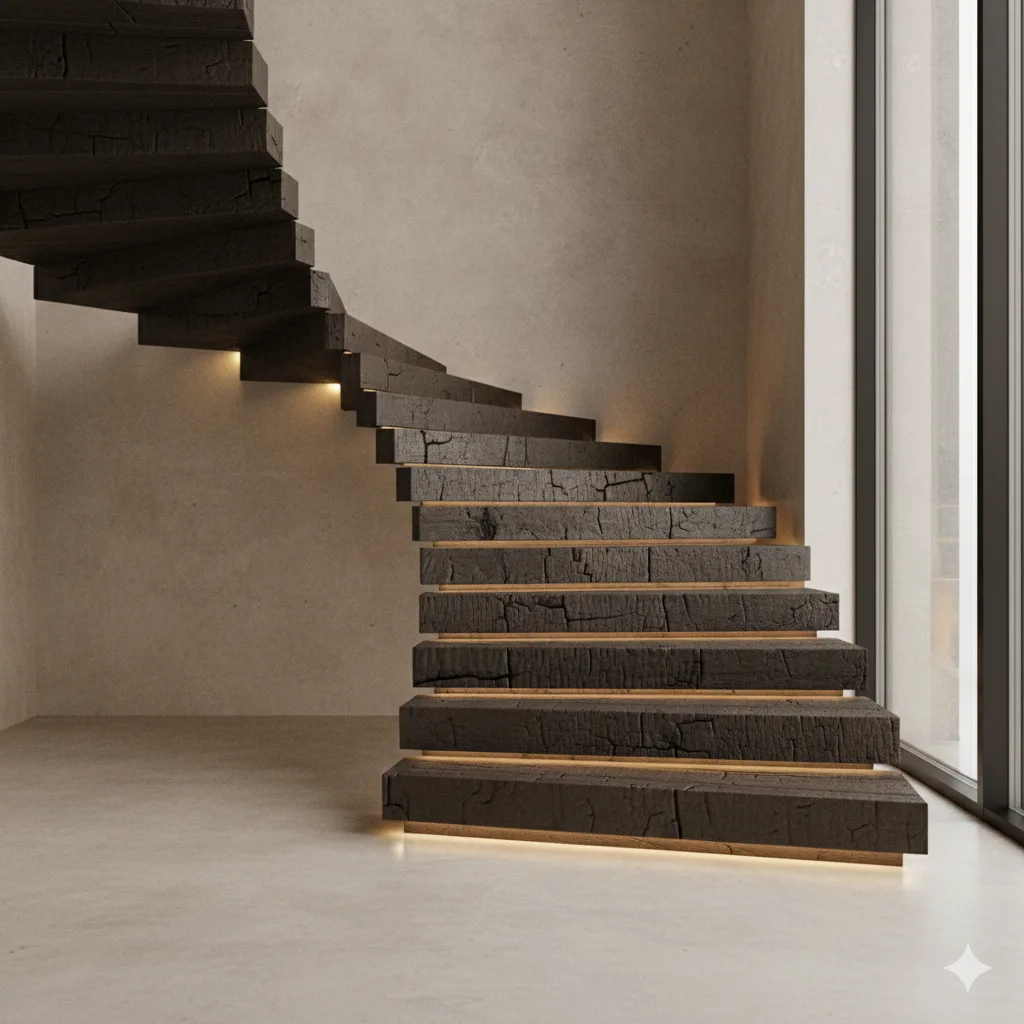
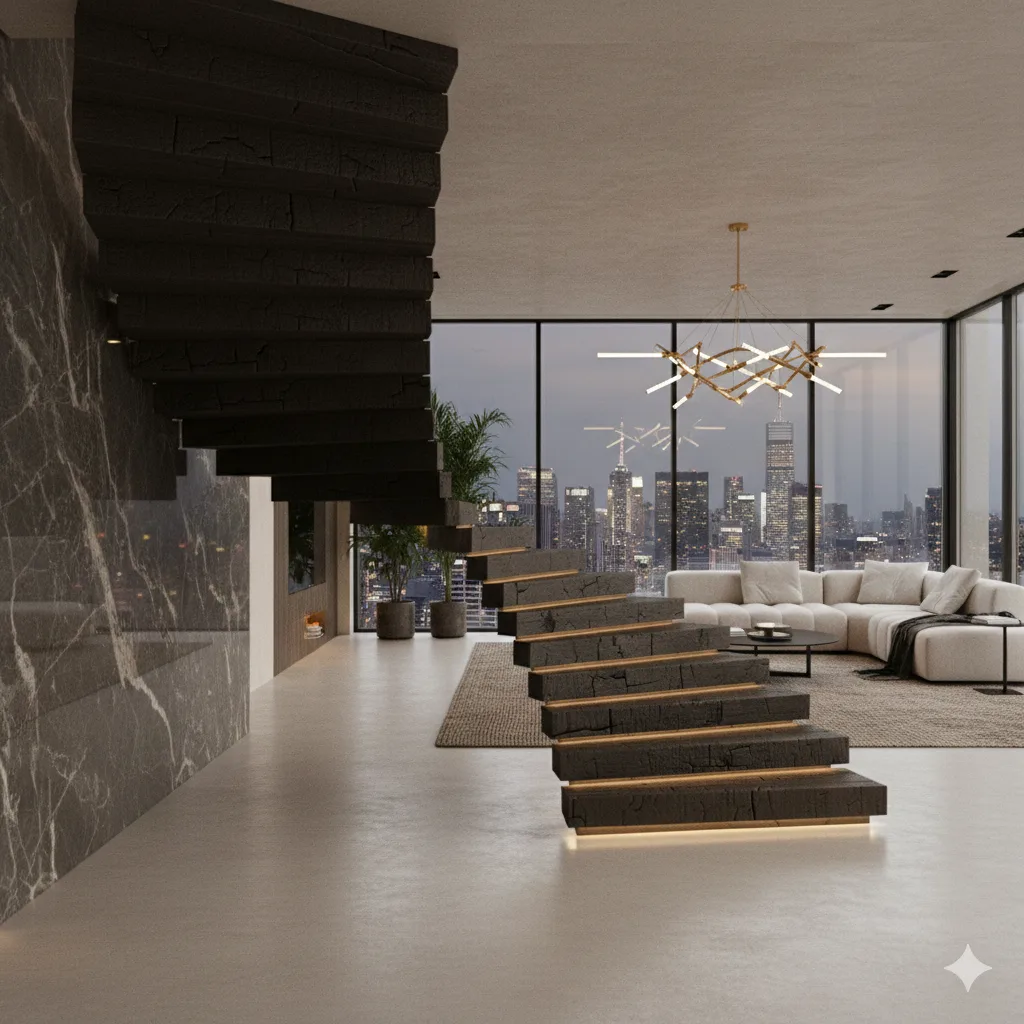
Incorporating a Shou Sugi Ban staircase can transform everyday architecture into a bold aesthetic statement. This ancient Japanese technique of charring wood not only emphasizes beauty and craftsmanship but also offers durability and environmental benefits. Learning how to utilize a Shou Sugi Ban staircase effectively can elevate your interior or exterior design, merging tradition with modern innovation. Whether you’re considering a rustic charm or a contemporary edge, this method opens up myriad possibilities for striking staircases that leave lasting impressions.
Contents
- 1 Understanding the Art and Functionality of Shou Sugi Ban in Staircase Design
- 2 How to Care for and Sustain a Shou Sugi Ban Staircase for Long-Term Beauty
- 3 Comparative Analysis: Shou Sugi Ban Versus Traditional Wood Staircases
- 4 The Aesthetic Appeal of Shou Sugi Ban Staircases
- 5 How to Care for and Sustain a Shou Sugi Ban Staircase for Long-Term Beauty
- 6 Comparative Analysis: Shou Sugi Ban Versus Traditional Wood Staircases
Understanding the Art and Functionality of Shou Sugi Ban in Staircase Design
The technique of Shou Sugi Ban involves charring wood to enhance its aesthetic appeal while improving its resistance to pests, weather, and decay. When applied to a staircase, this process transforms a functional element into a piece of artistic craftsmanship.
The first step in understanding Shou Sugi Ban staircase design is exploring the traditional methods involved. This process not only elevates visual appeal but also adds meaningful durability. By mastering this craft, homeowners and designers can create staircases that are simultaneously beautiful, sustainable, and resilient.
The integration of this technique into staircase design has gained popularity across diverse architectural styles. Its timeless appeal lies in the balance between raw, natural textures and sleek modern lines. As you consider the potential of a Shou Sugi Ban staircase, understanding both its aesthetic and practical benefits will help you make informed choices.
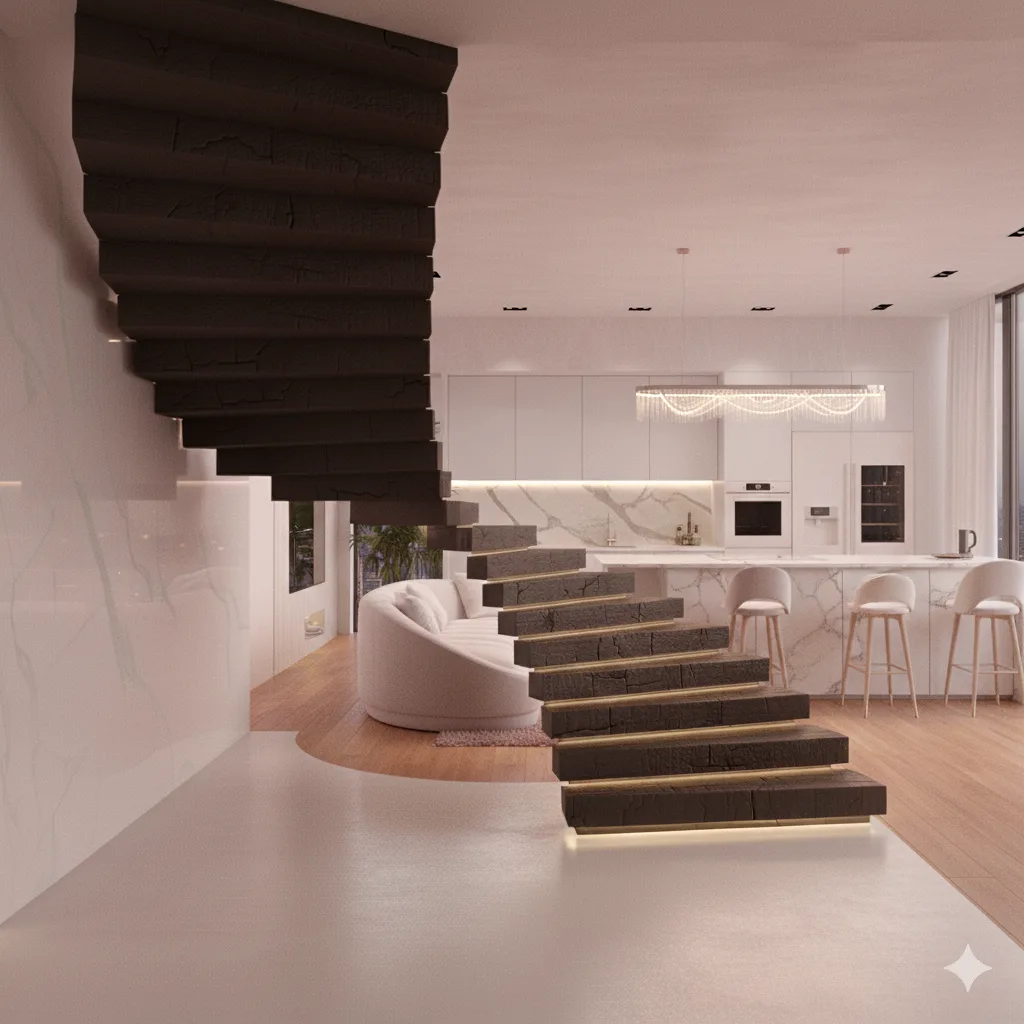
The Techniques and Process of Creating a Shou Sugi Ban Staircase
The process begins with selecting the right type of wood, which is typically cedar, cypress, or pine. Each type reacts differently to the charring process, resulting in unique textures and color variations. The wood is then carefully burned with controlled heat using torches or specialized equipment, creating a layered, textured surface.
Once the charring is complete, the wood is cooled and brushed to remove loose soot. Some artisans apply oils or sealants to enhance the natural grain and protect the surface while maintaining its charred appearance. The result is a staircase that boasts striking contrasts—darkened, textured steps paired with smooth, polished handrails or walls.
The technique requires precision and experience, as over-charring can weaken the wood, while under-charring might compromise longevity and aesthetic quality. When executed correctly, a Shou Sugi Ban staircase offers an unparalleled visual impact combined with atmospheric durability. This meticulous process ensures that each staircase becomes a masterpiece of craftsmanship, blending tradition with innovation.
Design Variations and Adaptations for Shou Sugi Ban Staircases
Shou Sugi Ban lends itself to various design interpretations, from minimalist modern to rustic farmhouse aesthetics. Modern homes often use this technique to create dramatic, industrial-look staircases that serve as focal points in open-concept interiors.
In contrast, traditional Japanese-inspired spaces utilize the natural dark hues of charred wood paired with lighter elements, emphasizing harmony and balance. Incorporating LED lighting beneath or along the steps can further highlight the textured surface, creating an ethereal glow ideal for contemporary lounge areas.
Adaptations also include combining materials; pairing Shou Sugi Ban wood with metal balustrades or glass panels creates a contrast that enhances visual interest. Artistic risers painted with patterns or integrated with lighting become features that elevate the overall design.
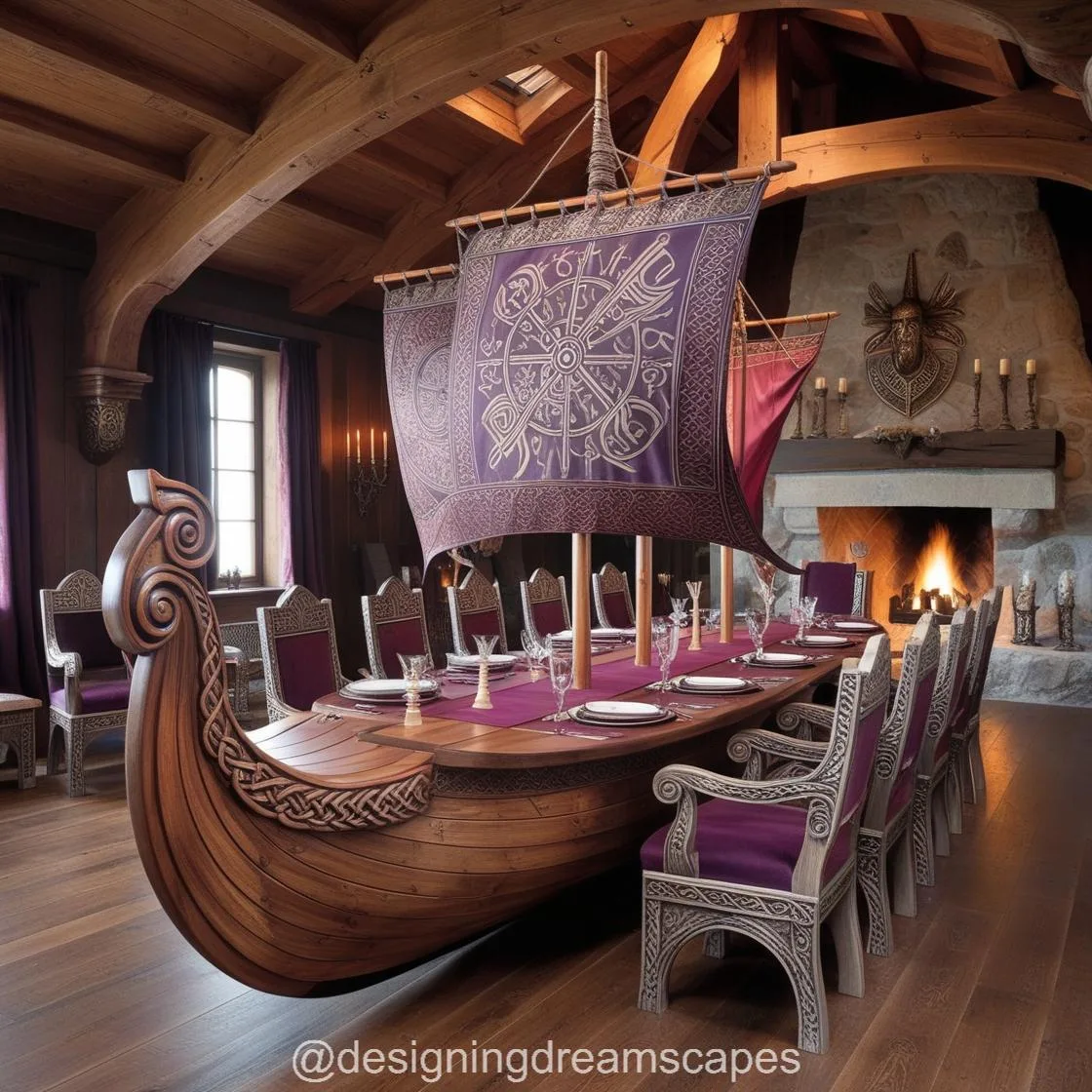


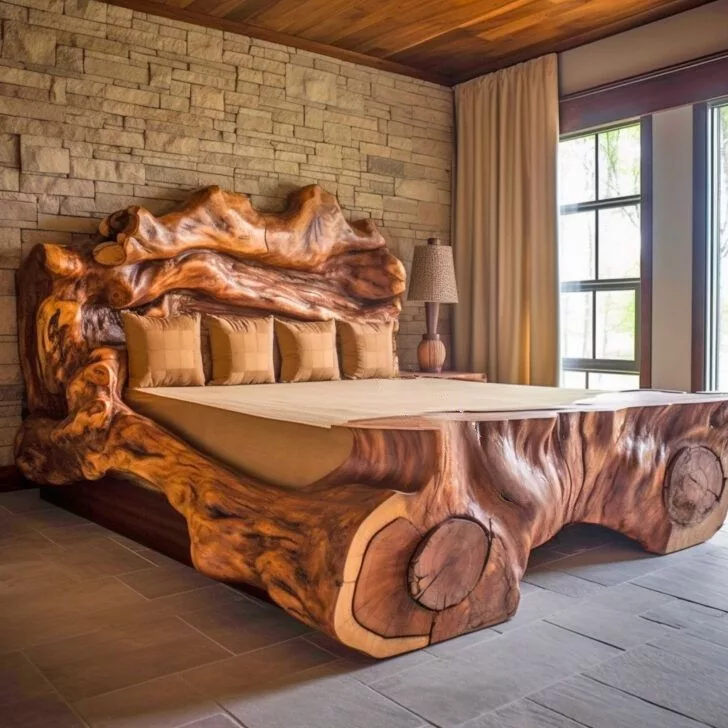
The versatility of Shou Sugi Ban staircase design means it can be tailored for indoor or outdoor use, blending seamlessly with landscaping, patios, or entryways. When considering different styles, it’s essential to think about how the charred wood will age over time and how it complements the surrounding aesthetic to keep the character alive.
How to Care for and Sustain a Shou Sugi Ban Staircase for Long-Term Beauty
Proper maintenance is key to ensuring your Shou Sugi Ban staircase remains as stunning as the day it was finished. The initial charring provides a natural barrier, but ongoing care will extend its life and enhance its appearance.
The first step is understanding the environmental conditions where your staircase is installed. Outdoor staircases exposed to weather need additional sealing or oil treatments, while indoor staircases might only require periodic cleaning. Regular inspections for signs of wear or damage help prevent minor issues from escalating.
Cleaning involves gentle dusting and occasional damp cloth wiping, avoiding harsh chemicals that could strip the charred surface. Applying natural oils or sealants helps retain the darkened hues and provides moisture protection. For outdoor installations, reapplication of protective coatings every few years is advisable to maintain resistance against the elements.
Sustainability considerations for Shou Sugi Ban staircases include using environmentally friendly sealants and avoiding excessive chemical treatments. Furthermore, the natural aging process often adds character, with the surface developing a patina that enhances its charm. Proper maintenance ensures your staircase remains a striking feature, embodying both tradition and resilience for years to come.
Comparative Analysis: Shou Sugi Ban Versus Traditional Wood Staircases
When selecting materials and techniques for staircase design, weighing the benefits of Shou Sugi Ban against traditional wood is vital for making informed decisions that align with your aesthetic and functional needs. Traditional wood staircases often rely on finishes like paint or varnish, which can wear over time and require reapplication.
In contrast, Shou Sugi Ban offers a natural, weather-resistant surface that gains character with age. Its unique textured appearance provides tactile richness and depth, making it a popular choice for modern rustic or industrial interiors. While traditional wood provides a more polished or glossy finish, burned wood emphasizes natural imperfections and grain patterns, contributing to a more organic look.
Cost is another consideration: Shou Sugi Ban may have higher initial costs due to the specialized craftsmanship involved but can reduce maintenance expenses in the long run. Durability, environmental impact, aesthetic uniqueness, and maintenance are critical factors influencing this comparison.
Here is a simplified comparison table to illustrate the differences:
| Feature | Traditional Wood Staircase | Shou Sugi Ban Staircase |
|---|---|---|
| Aesthetic Appeal | Polished, painted, stained | Textured, charred surface |
| Durability | Moderate; vulnerable to wear | High; resistant to pests & weather |
| Maintenance | Repainting, sealing | Cleaning, occasional sealing |
| Environmental Impact | Depends on finishes used | Uses natural process, eco-friendly |
| Cost | Generally lower | Potentially higher initial cost but longer lifespan |
This comparison highlights how Shou Sugi Ban staircases excel in creating distinctive, durable features that stand the test of time, offering a unique blend of aesthetic appeal and resilience.
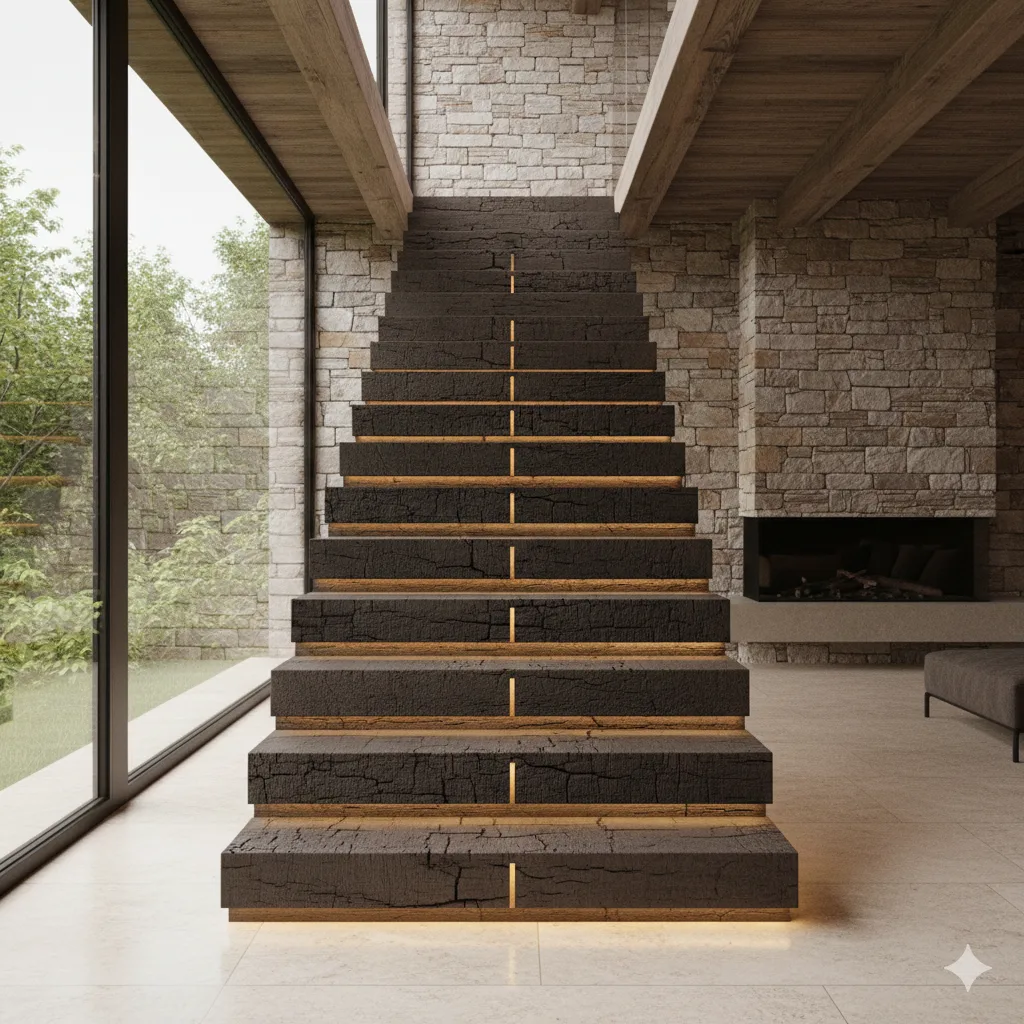
The integration of a Shou Sugi Ban staircase into your home or outdoor space exemplifies the harmonious marriage of traditional craftsmanship and contemporary design. Its textured, darkened surface, derived from an ancient Japanese technique, provides remarkable durability and aesthetic versatility. By understanding the process, styling options, maintenance practices, and comparing it with traditional methods, homeowners and designers can appreciate the value of this striking approach. Embracing Shou Sugi Ban allows for creating staircases that are not only visually compelling but also environmentally friendly and long-lasting, making it a timeless choice in modern architecture.
The Aesthetic Appeal of Shou Sugi Ban Staircases
The Shou Sugi Ban staircase is a mesmerizing blend of history, artistry, and functionality. Originating from Japan, this technique involves the charring of wood to enhance its natural qualities—creating not just a staircase, but a statement piece. The aesthetic appeal of these staircases lies in their rich, textured surfaces, which capture light beautifully, offering an ever-evolving visual experience as conditions change.
With its unique, deep charred finish, a Shou Sugi Ban staircase brings warmth and character to both indoor and outdoor spaces. This can contrast starkly with the smoother, polished surfaces typically seen in traditional wood staircases. Some designers opt for a contemporary approach by incorporating sleek lines and minimalist design elements, allowing the staircase to serve as the focal point of a room.
The interplay of light and shadow on the charred wood surface offers a dynamic quality that complements various interior styles. In modern designs, the staircase contrasts with minimalist furniture and bright colors, drawing attention while remaining grounded in nature. When partnered with lighter materials, such as glass or polished metals, the darker tones of Shou Sugi Ban can create an elegant balance that elevates the overall aesthetic.
Unique Textures and Patterns
The texture of a Shou Sugi Ban staircase not only appeals to the visual senses but also engages the tactile experience. Each burn creates a distinct pattern, making every piece unique. The rugged character of the wood offers a raw, organic feel that can evoke traditional craftsmanship’s warm essence.
Artisans often experiment with varying levels of charring, resulting in diverse shades of black and deep brown. This variability allows designers to customize the staircase appearance according to the desired ambiance, whether seeking a high-contrast, dramatic effect or a subtler, more understated look.
Moreover, the textural aspects of the staircase serve a functional purpose. The charred surface provides slip-resistance, offering enhanced safety, particularly in outdoor settings where moisture may be a concern. The layer of char acts as a natural barrier against moisture, bugs, and even fire, making it both beautiful and practical for long-term use.
Contemporary Style Combinations
In the realm of interior design, personalization is key, and the Shou Sugi Ban staircase opens up a plethora of options. Designers often combine it with other materials to create a layered effect that enhances the visual complexity of a space.
For instance, integrating glass railings or balustrades can maintain an airy feel while allowing the staircase to be the visual centerpiece. Likewise, incorporating metal elements enables a stylish juxtaposition that highlights the striking beauty of charred wood. A wooden staircase enhanced with stainless steel accents can harmoniously blend traditional warmth with modern touch.
Furthermore, in outdoor settings, pairing a Shou Sugi Ban staircase with natural landscapes—such as stone walls, greenery, and water features—creates a tranquil escape within nature. The natural aging of the wood over time complements blooming foliage and seasonal changes, integrating seamlessly into the environment while providing a durable structure that withstands the elements.
How to Care for and Sustain a Shou Sugi Ban Staircase for Long-Term Beauty
A Shou Sugi Ban staircase is not just an artistic endeavor—it’s a commitment to long-lasting elegance that requires thoughtful care. Understanding how to maintain and protect this unique staircase is essential to preserving its beauty and integrity over time.
The initial treatment of wood through the burning process imbues it with a layer of char that increases its resilience to weather, insects, and decay. However, environmental factors can still take a toll if left unchecked. Routine cleaning is fundamental: light dusting and careful wiping with a damp cloth can remove debris and grime without interfering with the charred surface.
For staircases exposed to outdoor conditions, reapplying natural oils or sealants every few years can offer the wood an extra layer of protection against the elements. These treatments help restore the lustrous character of the wood while ensuring that its sophisticated appearance stands the test of time. Those with indoor Shou Sugi Ban staircases might find the maintenance needs to be less demanding but shouldn’t neglect periodic evaluations of the wood’s condition.
Environmental Considerations
When caring for a Shou Sugi Ban staircase, opting for eco-friendly cleaning solutions and treatments plays a vital role in environmental sustainability. Avoiding harsh chemicals minimizes the risk of harm to the wood’s natural properties and surrounding spaces. Many effective maintenance products specifically cater to wood care while being earth-friendly, promoting a healthy environment for both the home and the planet.
Additionally, the natural aging process of Shou Sugi Ban should be embraced rather than resisted. As time passes, the wood may develop a patina, adding depth to its beauty and telling the story of its journey. Many homeowners choose to celebrate this aging process, further enhancing their staircase’s character and relationship with the surrounding environment.
Seasonal Maintenance Tips
Depending on the climate and conditions of the staircase’s location, adapting a seasonal maintenance routine can ensure longevity. In contrasting climates with freezing winters and humid summers, precautions like additional sealing may be necessary. Preparing for winter, focusing on snow or ice management, and promptly addressing any moisture accumulation is vital to prevent damage.
Similarly, in humid climates, maintaining good air circulation around the staircase, or providing adequate shade during peak sun hours, can reduce issues related to moisture trapping. Regularly inspecting for signs of wear, like splintering or discoloration, helps catch problems early, allowing for preventative measures before more serious damage occurs.
In summary, a thoughtful maintenance plan, sensitivity to changing environments, and a focus on sustainability can keep your Shou Sugi Ban staircase looking breathtaking while enhancing its inherent qualities for years to come.
Comparative Analysis: Shou Sugi Ban Versus Traditional Wood Staircases
When contemplating stair design, comparing the Shou Sugi Ban staircase to traditional wood staircases is essential for discerning homeowners and designers. While both classes of staircases convey elegance and functionality, their approaches to aesthetics, durability, maintenance, and cost require careful deliberation.
Traditional wood staircases boast an array of finishes, typically incorporating varnishes or paints that can hide the wood’s natural imperfections while creating a sleek, polished look. This is often appealing for those seeking a more refined aesthetic. However, these finishes may wear away over time, necessitating reapplication and potentially resulting in a frustrating upkeep cycle.
Conversely, Shou Sugi Ban staircases champion a strikingly raw and organic appearance, emphasizing the texture and natural beauty of the burnished wood. The charred surface acts as a protective layer—resisting decay and pests without extensive additional treatments. In this light, Shou Sugi Ban offers a unique advantage in durability and beauty that evolves gracefully with time.
Durability and Environmental Impact
Notably, Shou Sugi Ban wood is treated using a natural method that creates a robust surface able to withstand the tests of time, while traditional finishes often line wood with chemicals that can leach into the environment. Additionally, as the wood ages, it typically develops a patina that enhances its character and visual appeal, unlike traditional finishes that may fade and require replacement.
When considering sustainability, Shou Sugi Ban offers a compelling choice that aligns with eco-conscious design principles. The age-old technique maximizes material efficiency—transforming wood into a long-lasting product while maintaining a commitment to preserving nature.
Cost Considerations
While the upfront cost of a Shou Sugi Ban staircase can be higher due to the careful craftsmanship required, the investment ultimately pays off through reduced maintenance costs and longevity. In contrast, while traditional wood staircases may present a lower initial price, their long-term maintenance demands can lead to greater expenses over time.
In summary, the choice between Shou Sugi Ban and traditional wood hinges on the desired aesthetic, durability, environmental impact, and budget considerations. The unique advantages of Shou Sugi Ban staircases as a timeless addition showcase remarkable resilience, beauty, and an eco-friendly approach to architectural design.
| Feature | Traditional Wood Staircase | Shou Sugi Ban Staircase |
|---|---|---|
| Aesthetic Appeal | Polished, painted, stained | Textured, charred surface |
| Durability | Moderate; vulnerable to wear | High; resistant to pests & weather |
| Maintenance | Repainting, sealing | Cleaning, occasional sealing |
| Environmental Impact | Depends on finishes used | Uses natural process, eco-friendly |
| Cost | Generally lower | Potentially higher initial cost but longer lifespan |
Incorporating a Shou Sugi Ban staircase into your design palette not only enriches the aesthetic quality of your space but also honors a rich tradition of craftsmanship. With its striking natural beauty, durability, and conscious environmental impact, this unique staircase serves as a firm testimony to the fusion of artistry and utility. By understanding the nuances of maintenance, exploring stylistic combinations, and comparing it to traditional wood options, one can appreciate the value and versatility of Shou Sugi Ban. Ultimately, it stands as an emblem of resilience, inviting homeowners and designers alike to explore the possibilities of integrating this captivating element into their living or working environments.