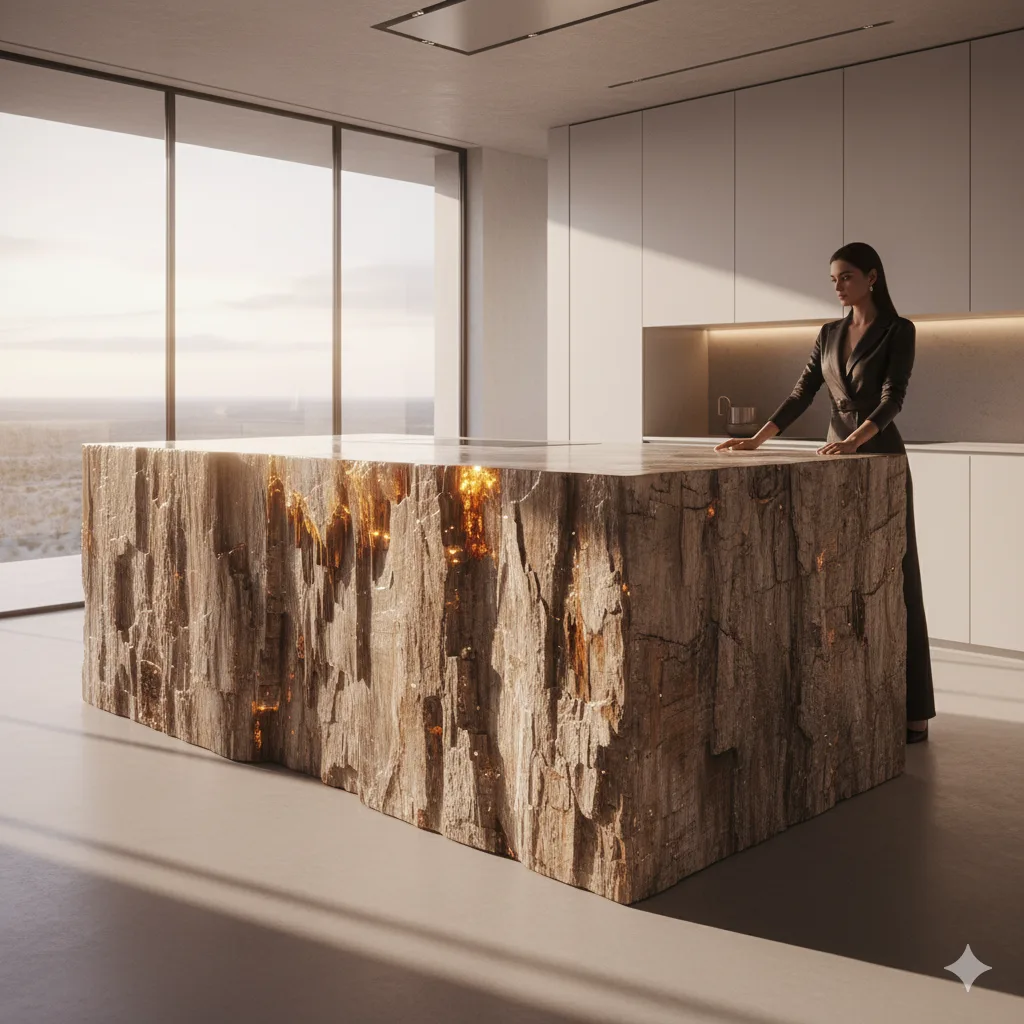
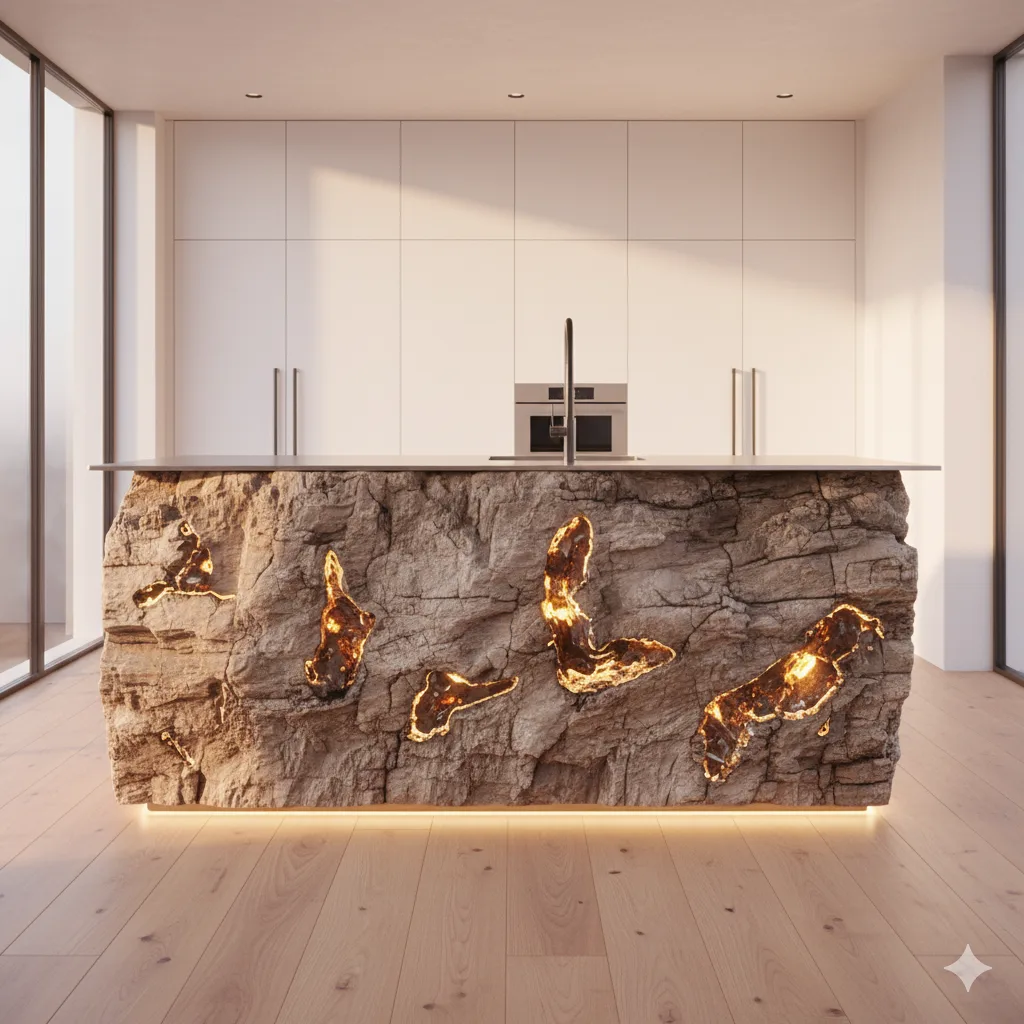
Transforming your kitchen into a space that exudes natural beauty and rugged charm is easier than ever with petrified wood kitchen islands. Showcasing the ancient marvels of fossilized wood, these islands serve as both functional focal points and exquisite works of art. Incorporating petrified wood into your kitchen can elevate your interior design, blending rustic appeal with modern sophistication.
In this article, we explore how to effectively use petrified wood kitchen islands, provide inspiring examples, compare them with other materials, and share expert advice to help you make an informed decision. Whether you prefer a statement piece or a subtle touch of nature’s history, petrified wood islands offer unparalleled uniqueness and durability for your culinary space.
Contents
- 1 The Fascinating History and Unique Characteristics of Petrified Wood in Kitchen Design
- 2 How to Incorporate Petrified Wood Kitchen Islands into Your Home Decor
- 3 Comparing Petrified Wood Kitchen Islands to Other Natural Material Alternatives
- 4 Tips and Best Practices for Selecting the Perfect Petrified Wood Kitchen Island
- 5 Incorporating Petrified Wood in Kitchen Design
- 6 Leveraging the Unique Attributes of Petrified Wood Kitchen Islands
The Fascinating History and Unique Characteristics of Petrified Wood in Kitchen Design
Petrified wood is a remarkable natural material formed over millions of years through a process called permineralization, where organic material is replaced by minerals, resulting in a stone that retains the wood’s original structure and intricate grain patterns.
This section discusses the history behind petrified wood, its physical properties, and why it’s gaining popularity in kitchen design. Understanding the story and qualities of petrified wood enables homeowners and designers to appreciate its value and envision creative ways to integrate it into a kitchen environment.
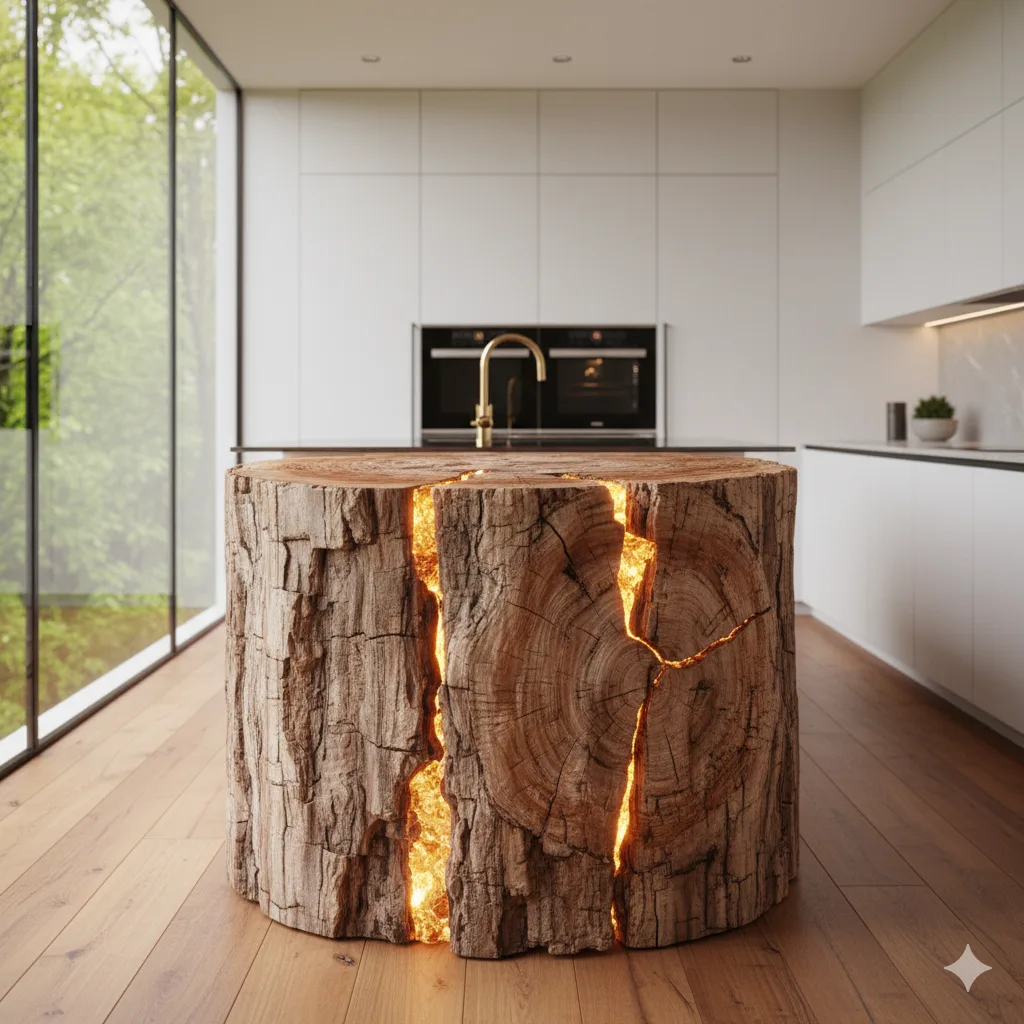
Origins and Formation of Petrified Wood
Petrified wood originates from ancient forests that have been buried by volcanic ash or sediment. Over time, mineral-rich groundwater seeps into the wood’s cellular structure. As the organic material decomposes, minerals like silica, quartz, or opal fill the voids, gradually turning the wood into stone while preserving its cellular detail.
This process can take thousands to millions of years, resulting in a fossil that encapsulates a snapshot of Earth’s prehistoric past. The rich history embedded in petrified wood makes it a meaningful addition to a home, especially when utilized as a statement piece like a kitchen island.
Physical Attributes and Durability
One of the most remarkable features of petrified wood is its durability—comparable to other stones such as quartz or marble. It is highly resistant to scratching, heat, and moisture when properly sealed. Its dense structure provides strength, making it ideal for high-traffic areas like kitchens.
The aesthetic appeal lies in its vibrant colors and intricate grain patterns, which vary depending on the minerals present during formation. From warm amber tones to deep blues, each piece of petrified wood is a one-of-a-kind artifact—an authentic connection to historic Earth.
Why Choose Petrified Wood for Kitchen Islands?
Using petrified wood kitchen islands introduces a timeless dimension to your space. Its natural patterns add depth and character, serving as a conversation starter in any home. Additionally, petrified wood’s resistance to wear and tear ensures longevity, making it a practical yet striking choice for a centerpiece that will last generations.



The unique qualities and historical significance of petrified wood position it as an extraordinary material for creating a truly personalized and nature-inspired kitchen.
How to Incorporate Petrified Wood Kitchen Islands into Your Home Decor
Effectively integrating petrified wood kitchen islands requires thoughtful planning to match your aesthetic, space, and functional needs. This section offers practical advice on design considerations, pairing with other materials, and maintenance tips to keep your island looking stunning.
Design Considerations and Style Compatibility
Petrified wood islands can suit various interior styles—from rustic farmhouse to sleek contemporary. Choosing the right design involves considering the overall theme, color palette, and functionality of your kitchen.
For a rustic look, complement the petrified wood with distressed wood cabinets, vintage hardware, and warm earthy tones. Conversely, a minimalist or modern kitchen can feature sleek cabinetry, stainless steel appliances, and neutral walls, allowing the island’s natural beauty to stand out.
Size and layout are also crucial factors. Larger islands serve as focal points for social gatherings, while smaller pieces can work as secondary features. Remember to balance the visual weight of the petrified wood with surrounding design elements to create harmony.
Pairing with Complementary Materials
Integrating other natural or modern materials enhances the aesthetic appeal of a petrified wood island. Stone, concrete, or quartz countertops can beautifully complement the fossilized wood surface, creating a contrasting yet cohesive look.
Lighting plays a vital role in highlighting the patterns and colors of petrified wood. Incorporate under-cabinet, pendant, or spotlights to cast gentle illumination, emphasizing the unique grains and mineral hues.
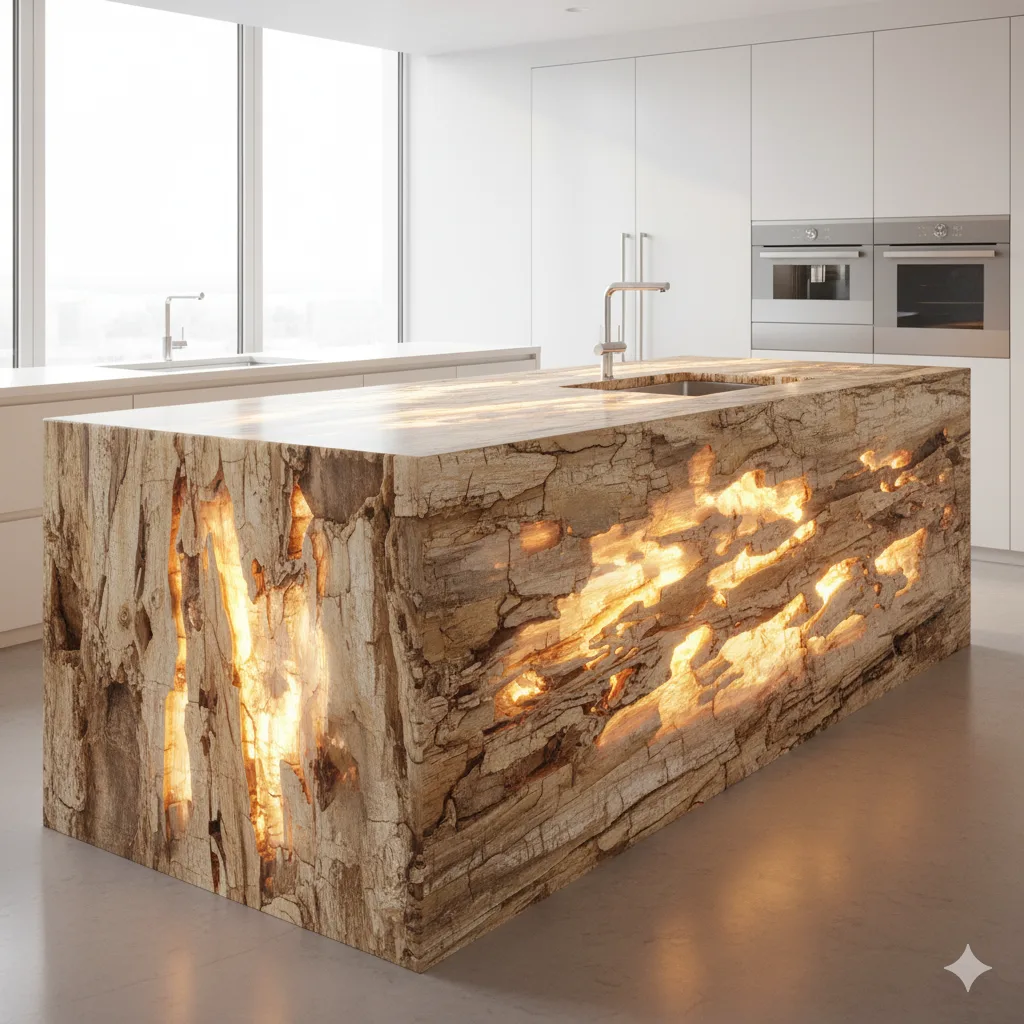
Textural contrast can further elevate the design. For instance, pairing the petrified wood with matte black or brushed metal fixtures creates a striking modern vibe, while warm metals like copper or brass lend an inviting, rustic feel.
Maintenance and Care Tips
Proper care ensures that your petrified wood kitchen island retains its beauty over time. Since it’s a natural stone, it should be sealed with a high-quality, food-safe sealant to prevent staining and damage.
Regular cleaning involves gentle soap and water, avoiding abrasive cleaners or scrubbers that could scratch the surface. For stubborn stains, a mixture of baking soda and water applied gently can do the trick, but always test in a small area first.
Periodic resealing—usually once a year—helps preserve the mineral surface and maintain its luster. Additionally, using trivets and cutting boards protects the surface from heat and scratches during daily use.
Comparing Petrified Wood Kitchen Islands to Other Natural Material Alternatives
Choosing the right material for a kitchen island is a significant decision. This comparison explores petrified wood alongside options such as granite, marble, and reclaimed wood, emphasizing their differences in durability, aesthetics, and maintenance.
| Feature | Petrified Wood | Granite | Marble | Reclaimed Wood |
|---|---|---|---|---|
| Durability | Very high; scratch and heat resistant | High; scratch resistant, heat resistant | Medium; susceptible to scratches and stains | Moderate; susceptible to scratches and water damage |
| Aesthetic | Unique grain, vibrant mineral colors | Consistent patterns, wide color options | Elegant, classic veining | Rustic, warm, distressed look |
| Maintenance | Sealed surface, regular sealing | Sealed surface, occasional sealing | Sealed, needs careful cleaning | Oil or sealant needed regularly |
| Cost | Generally higher due to rarity | Mid to high, depending on quality | High | Usually affordable |
This table clearly demonstrates that petrified wood kitchen islands offer a unique blend of durability and aesthetic authenticity that sets them apart from other options. While they can be more expensive, the legacy and beauty embedded in each piece justify the investment for those seeking a distinctive centerpiece.
Advantages and Limitations
Advantages:
- One-of-a-kind appearance with historic significance
- Long-lasting and highly resistant to daily kitchen wear
- Adds natural warmth and sophistication
Limitations:
- Higher cost compared to other natural materials
- Heaviness requires reinforced cabinetry
- Needs proper sealing and regular maintenance to preserve its integrity
In summary, petrified wood kitchen islands are an exceptional choice for homeowners who value durability, rarity, and natural beauty. When compared to alternative materials, they stand out as a statement piece that combines history with function.
Tips and Best Practices for Selecting the Perfect Petrified Wood Kitchen Island
Choosing a petrified wood kitchen island involves more than just aesthetic appeal; it requires assessing quality, size, and functional features. This section offers expert advice to guide you through the selection process.
Evaluating Quality and Authenticity
Begin by ensuring the petrified wood is authentic, sourced from reputable suppliers with transparent provenance. Authentic petrified wood exhibits intricate grain details and vibrant mineral coloration, often confirmed through certification.
Inspect the surface for uniformity and quality of finish. A high-quality piece should have a smooth, polished surface with minimal imperfections. Verify the sealing process to ensure resistance against stains and moisture.
Size, Shape, and Customization Options
Measure your kitchen space carefully—your island should be proportionate to the surrounding counters and furniture. Custom shapes—oval, rectangular, or even freeform—can adapt to unique layouts.
Numerous suppliers offer customization options, allowing you to select specific wood patterns, mineral colors, and edge details. Such personalization enhances the island’s uniqueness while aligning with your aesthetic goals.
Budgeting and Investment Considerations
Petrified wood kitchen islands represent a significant investment. While prices depend on size, quality, and sourcing, it’s essential to balance your design ambitions with your budget.
Opting for smaller, bespoke pieces managed by a skilled craftsman ensures a personal and valuable addition to your kitchen. Remember, investing in a high-quality petrified wood island adds both functionality and enduring aesthetic appeal.
Incorporating petrified wood kitchen islands transforms a functional space into an extraordinary showcase of natural history and artistic craftsmanship. Their unique patterns, vibrant mineral hues, and lasting durability make them an ideal centerpiece for those seeking a statement that melds nature with design innovation. Carefully selecting, pairing, and maintaining such an island ensures that your kitchen remains a warm, conversation-starting haven for years to come. Whether your style is rustic or modern, petrified wood islands offer a timeless elegance rooted in the Earth’s ancient artistry.
Incorporating Petrified Wood in Kitchen Design
The integration of petrified wood into kitchen design allows you to create a stunning visual contrast against modern aesthetics while retaining a natural warmth. Understanding how to blend this unique material with surrounding design elements can profoundly impact the ambiance of your kitchen.
Color Palette Coordination
One of the first steps in seamlessly incorporating a petrified wood kitchen island is selecting a complementary color palette. Petrified wood typically features earthy tones, including browns, ambers, and creams, interspersed with vibrant mineral colors that range from greens to deep reds.
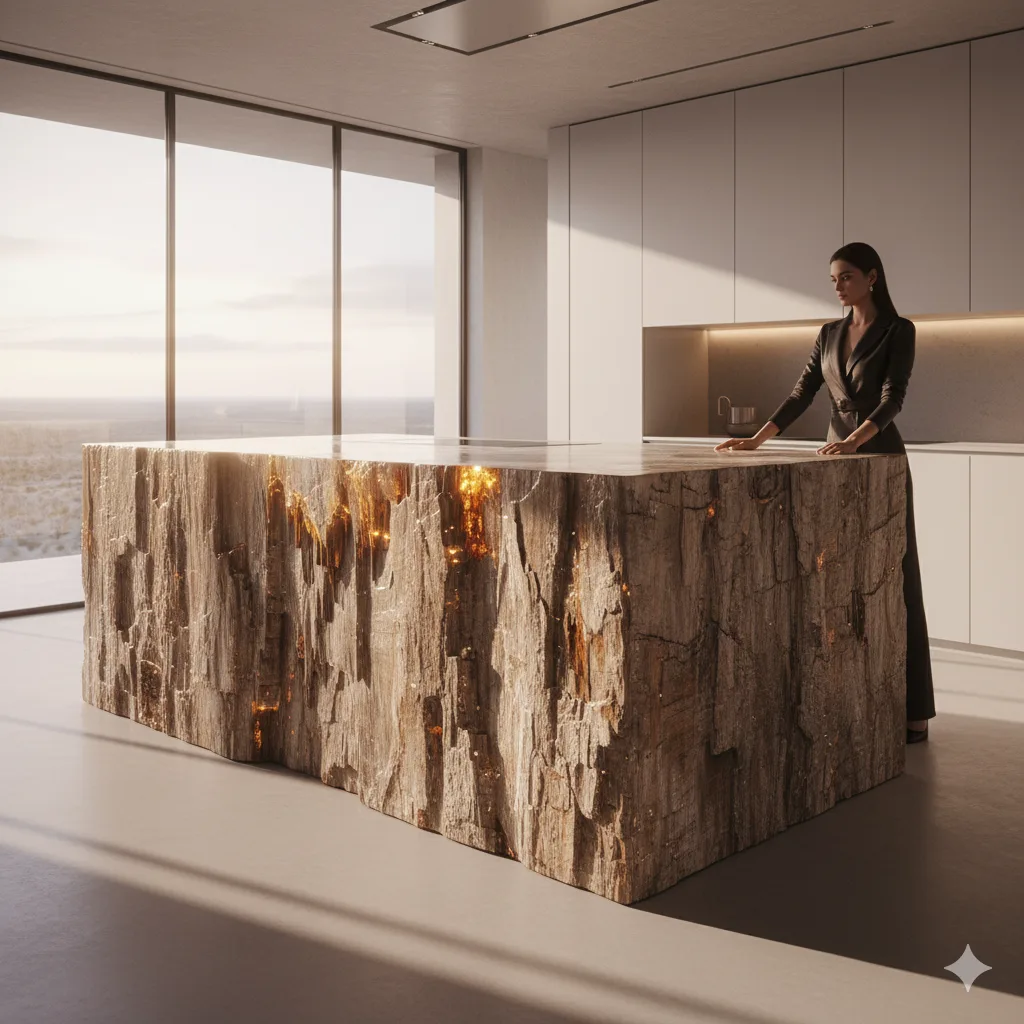
For a cohesive look, it is essential to select cabinetry and wall colors that harmonize with the wood’s hues. Warm neutrals, like taupe or oatmeal, can help reflect the organic essence of the wood while enhancing its natural grain patterns. Alternatively, a bolder choice of navy blue or forest green can create a striking contrast, making the island a focal point and breathing energy into the kitchen design.
Another effective approach is to integrate accents of color found in the petrified wood throughout the kitchen. This can involve using kitchen towels, bar stools, or decorative accessories that pick up such shades. Consequently, this cohesive approach creates a visual flow that connects disparate elements within the space while showcasing the stunning features of the wooden island.
Pattern and Texture Variations
The organic patterns within petrified wood create an intriguing textural landscape that can be contrasted with the smooth surfaces of modern cabinetry and appliances. Introducing varied textures not only enhances tactile experience but also enriches the overall aesthetic appeal of the kitchen.
Consider the juxtaposition of a polished petrified wood island against the matte finish of cabinetry. This interplay enhances the visual interest in the space, drawing attention and inviting touch. You might also work in additional textures with your choice of fixtures. For example, copper or brass fixtures can introduce warmth and organic fluidity, while stainless steel can lend a sleek, modern edge.
Even beyond the fixtures, consider integrating textiles such as woven placemats or natural fiber rugs. These elements enhance the ambiance, making the kitchen feel cozy and inviting while balancing the strong visual statement of the petrified wood island.
Creating Functional Zones
With a petrified wood kitchen island, you can elevate the functionality of your kitchen by determining specific zones that cater to different activities. The island can serve multiple purposes, from meal preparation to casual dining or entertaining.
Design the island with designated areas for cooking, serving, and socializing. For instance, consider incorporating an integrated cooktop or an under-mounted sink. This multi-functional approach transforms your island into a hub for culinary creativity and interaction, encouraging friends and family to gather around.
Additionally, employing bar stools on one side of the island can create a casual dining area. Personalizing this space with comfortable seating arrangements is essential. Choose low-back stools for a relaxed vibe or upholstered options for luxurious comfort. This designated social zone not only enhances usability but also encourages connection and togetherness in a naturally appealing setting.
Leveraging the Unique Attributes of Petrified Wood Kitchen Islands
The remarkable characteristics of petrified wood make it a favored choice for those looking to enrich their kitchen’s aesthetic and functional appeal. Understanding these attributes will help you make informed decisions about materials, design, and usage.
Historical Significance and Storytelling
Petrified wood is not merely a design choice; it conveys a remarkable story of ancient history. This fossilized wood is formed over millions of years, where mineral-rich water replaces organic materials, preserving the original structure while incorporating stunning hues and textures from natural minerals.
This aspect imbues the kitchen with a unique narrative, offering an excellent opportunity for storytelling. Homeowners can embrace this rich history by sharing the tale of their island’s origin with friends and family during gatherings. Such conversations can enhance the interpersonal connections fostered by the shared kitchen experience.
Incorporating art or décor that reflects natural themes can further emphasize this storytelling element. Including botanical prints, geological decorations, or other organic motifs complements the historical essence of petrified wood and amplifies the overall natural charm of your kitchen.
Sustainable Design Choice
From an environmentally-conscious perspective, choosing petrified wood can promote more sustainable lifestyle choices. The fossilization process means that the wood is no longer part of the ecosystem, allowing homeowners to enjoy its beauty without the ethical implications of deforestation.
In contrast to conventional wood, which may require regular maintenance, petrified wood’s durability means it is highly resistant to wear and tear, leading to a longer lifespan. Homeowners can have peace of mind knowing their investment contributes to sustainability while providing a unique centerpiece in their kitchen.
When paired with energy-efficient appliances, water-saving fixtures, and sustainable materials for countertops, your kitchen embodies a commitment to eco-friendly living. This holistic approach highlights how beauty and sustainability can coexist beautifully in design.
Personalization Options
One of the most appealing aspects of petrified wood kitchen islands is the ability to personalize them. No two pieces of petrified wood are the same due to the natural variations that occur during the fossilization process, creating a truly one-of-a-kind feature in your kitchen.
Many designers and artisans offer customization options, allowing homeowners to choose their preferred wood style, shape, and overall dimensions to match their lifestyle and kitchen layout. By collaborating with skilled craftsmen, you can create a striking island that reflects your tastes and preferences.
Personalization can extend beyond the wood itself; consider handpicked hardware, unique leg designs, or built-in storage solutions that cater specifically to your cooking style. This tailored approach ensures your kitchen remains functional while embodying your unique personality and aesthetic.
Utilizing petrified wood kitchen islands provides an exceptional opportunity to blend natural beauty with functionality while adding an authentic touch to your kitchen design. From color palette coordination and textural contrasts to personalization options and thoughtful zone organization, you can create a truly inviting and unique space. By valuing the historical significance, sustainability, and customization potential of petrified wood, you can ensure your kitchen becomes a centerpiece where art, history, and daily living converge harmoniously.