
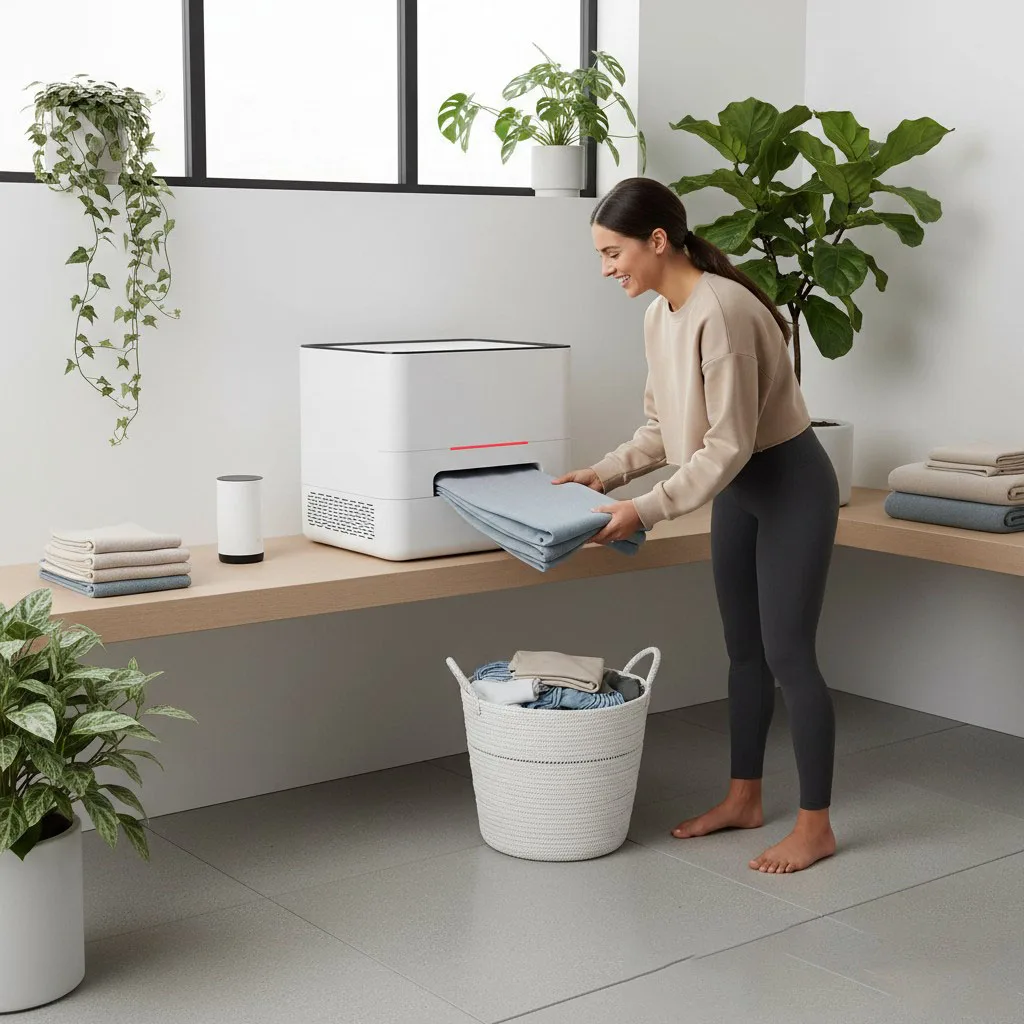
In today’s fast-paced world, efficiency and convenience are key to managing everyday chores. The laundry industry is no exception, with modern technology stepping in to streamline the process. The laundry folding machine has become a game-changer for laundromats, hotels, and even households seeking to save time and effort. This innovative device automates the often tedious task of folding clothes, delivering perfectly folded garments in a matter of seconds. Whether you’re a busy professional, a business owner, or someone enthusiastic about upgrading home appliances, understanding how to use a laundry folding machine and its benefits can revolutionize your laundry routine.
The Evolution of Laundry Technology and the Rise of the Folding Machine
The journey from manual folding to automation reflects the broader technological revolution in domestic chores. Traditional methods of folding laundry involve considerable time, effort, and sometimes unsatisfactory results, especially with large volumes of clothing. The advent of laundry folding machines signifies a shift toward smarter solutions that cater to modern needs.
Before exploring the characteristics and applications of a laundry folding machine, it’s helpful to understand its development. Historically, laundry automation focused on washing and drying, but the next frontier was automatic folding. This innovation not only minimizes physical strain but also ensures consistent presentations of clothing, which is particularly valuable for commercial settings.
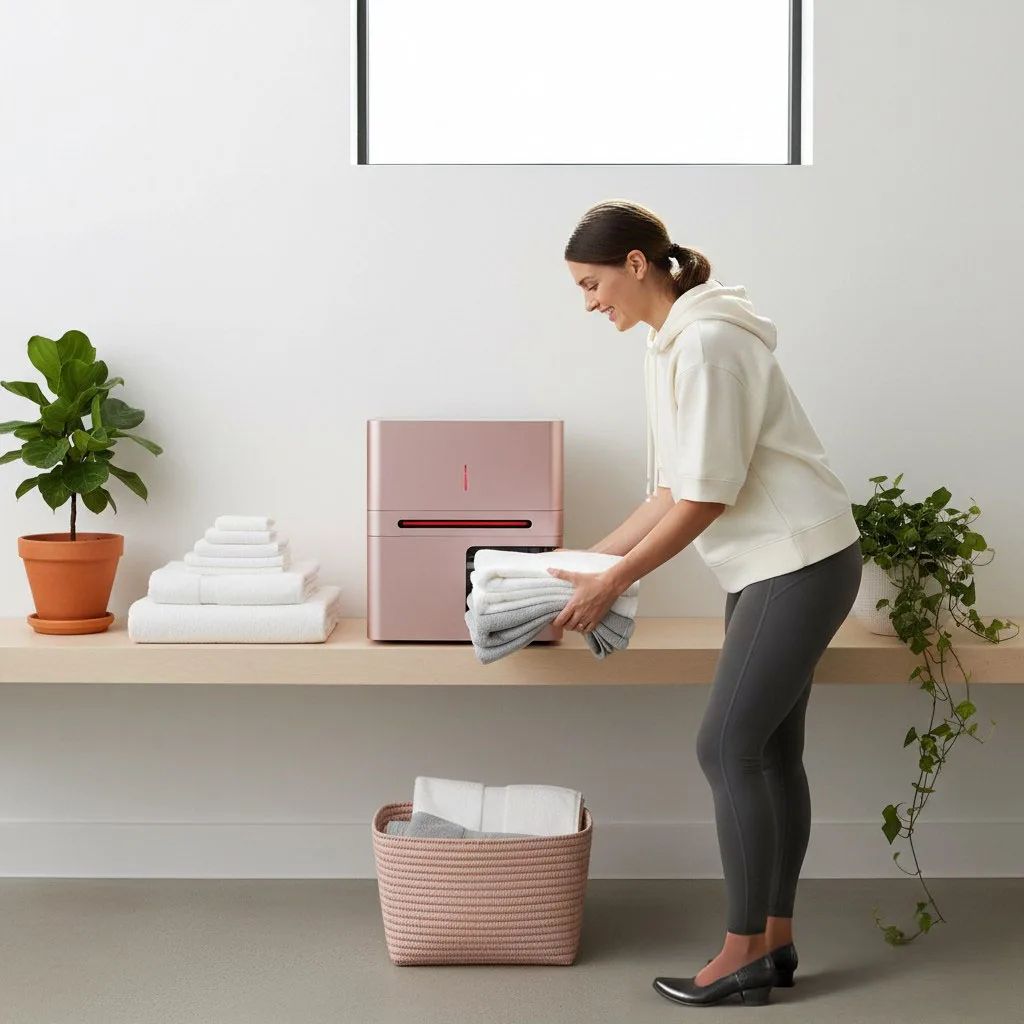
Modern laundry folding machines are designed with advanced sensors and mechanisms to identify different garments and folds. They incorporate artificial intelligence to adapt to various clothing sizes and shapes, replicating human folding with higher precision. This evolution marks a significant milestone in domestic and commercial laundry processes, fostering efficiency, space-saving benefits, and enhanced organization.
How Does the Laundry Folding Machine Work?
The core operation of these machines involves several key stages. First, garments are loaded into the device, either manually or via automated feeders that sort clothes based on size or type. Sensors then scan the clothing to determine its dimensions and shape. Once identified, the machine uses robotic arms and folding panels to execute precise folds for shirts, towels, or other items.
The process typically involves three steps: grip, fold, and stack. The machine first grips each garment, folds it meticulously along preset parameters, and finally stacks the folded items neatly. Advanced models can even categorize clothing and prepare it for different storage needs, making the entire laundry process more streamlined.
For users, knowing how to use a laundry folding machine effectively involves understanding the loading procedures and selecting appropriate settings. For example, some devices allow customization based on item type, which adjusts the folding method accordingly. As such, mastering its operation can maximize its benefits, both in terms of time saved and the quality of the folded clothes.
Examples of Laundry Folding Machine Applications
In many contexts, a laundry folding machine demonstrates versatility and practicality. Hotels utilize these machines to expedite guest turnover, offering perfectly folded linens, towels, and robes consistently. Large laundromats employ multiple units to handle high-volume loads, reducing labor costs and improving customer satisfaction.
Households, particularly those with busy schedules, are increasingly adopting compact and user-friendly models designed for home use. These devices fit easily into laundry rooms and can fold a variety of clothing items, from T-shirts to bedsheets. Furthermore, workplaces that require uniform management benefit from automation by maintaining crisp, uniform garment presentation effortlessly.
Other innovative applications include military or emergency relief operations, where speed and efficiency are critical. Here, laundry folding machines can significantly cut down the time needed to process large batches of clothing, ensuring readiness and hygiene are maintained without delay.



Comparisons and Considerations When Choosing a Laundry Folding Machine
Selecting the right laundry folding machine depends on several factors, including size, capacity, automation features, and budget. This comparison helps clarify what to look for:
Firstly, manual vs. automatic models differ greatly in terms of efficiency. Manual machines require user intervention to fold each item, which, while affordable, may not save as much time. Fully automatic laundry folding machines automate the entire process, offering seamless operation but often at a higher cost.
Secondly, size and capacity are crucial, especially for commercial versus residential use. Commercial models typically handle larger loads and feature industrial-grade components, whereas compact home units are designed for smaller laundry volumes. It’s essential to assess your daily laundry needs before making a choice.
Thirdly, technological features such as adjustable folding settings, integrated sorting, and connectivity options are becoming standard. Smart laundry folding machines provide more customization, adaptation to different fabric types, and user-friendly interfaces, making them more appealing for tech-savvy consumers.

Budget considerations are vital as well. High-end models with cutting-edge features offer superior performance but require a larger investment, whereas entry-level devices might lack some functionalities but still significantly improve laundry efficiency. Balancing cost with features aligned to your specific needs will determine the best investment.
Practical Tips for Using a Laundry Folding Machine Effectively
To maximize the benefits of your laundry folding machine, it is critical to understand some best practices. Proper loading techniques, regular maintenance, and understanding available settings are key factors.
First, always follow the manufacturer’s guidelines for loading textiles. Overloading or exceeding the machine’s capacity can lead to mechanical issues or poorly folded garments. It’s also advisable to sort clothes by size and type before loading, especially for machines lacking advanced recognition systems, to ensure proper folding.
Next, familiarize yourself with the machine’s settings. Many devices offer customization panels where you can select folding styles appropriate for different garments—such as T-shirts, shirts, towels, or even fitted sheets. Adjusting these settings based on clothing material can prevent stretching or damaging delicate fabrics.
Regular cleaning and maintenance are essential for ensuring longevity and consistent performance. This includes clearing lint filters, checking robotic arms, and updating firmware if applicable. A well-maintained laundry folding machine not only performs better but also prolongs its operational lifespan, providing long-term value.
The laundry folding machine exemplifies the future of household and commercial laundry management, combining technological innovation with practical application. It simplifies a mundane task, reduces physical effort, and offers consistently neat results that elevate the standards of cleanliness and presentation. By understanding how to use these devices, comparing their features, and applying best practices, users can unlock substantial time and labor savings while maintaining impeccable laundry quality. Embracing this technology signifies a step towards smarter living, where automation handles routine chores, leaving more time for what truly matters.

Advantages of Owning a Laundry Folding Machine
Investing in a laundry folding machine brings numerous advantages that can significantly enhance both domestic and commercial environments. The convenience offered by these machines cannot be overlooked, particularly for busy households and businesses that require efficiency and consistency.
One major advantage is the time-saving factor. For instance, traditional folding methods can be labor-intensive and time-consuming, often taking hours each week. A laundry folding machine, on the other hand, can fold multiple garments in mere minutes. This swift operation not only cuts down the time spent on laundry but also frees up individuals to focus on other critical tasks, thereby improving overall productivity.
A second benefit lies in the uniformity and quality of folding. A laundry folding machine folds items consistently and perfectly, eliminating the common discrepancies associated with manual folding. This is particularly advantageous for businesses like hotels and retail stores, where uniform presentation is vital for maintaining a professional appearance. Moreover, it minimizes fabric creasing and saves on ironing time, which is an added bonus for maintaining garment quality.
Lastly, integrating a laundry folding machine into your household or commercial setup contributes significantly to organized space management. These machines often come with compact designs that fit well into laundry rooms or commercial counters. The precise folding results allow for better use of storage spaces, as neatly stacked items are easier to organize and access. As a result, maintaining an orderly environment becomes simpler and more streamlined.
Types of Laundry Folding Machines Available
When it comes to choosing a laundry folding machine, consumers have a multitude of options based on their specific needs and use cases. Understanding the different types available can help in making a well-informed purchase decision.
Automatic laundry folding machines represent the pinnacle of technological advancement in the field. These systems are fully automated, with advanced sensors to identify garment types and sizes, offering tailored folding solutions. They are most beneficial for commercial use where high-volume operations demand efficiency and speed, such as in laundromats or hospitality settings.
Conversely, semi-automatic laundry folding machines require a certain level of user involvement during the folding process. They might only automate specific steps, such as stacking or initial gripping, and leave the folding to the operator. Semi-automatic units are typically more economical and fit the needs of small businesses or households looking to save time without making a significant investment.
Lastly, there are compact, home-use models which are designed for personal laundry needs. These devices focus on versatility and ease of use, accommodating various garment types while fitting effortlessly into small spaces. Perfect for busy families, compact home models represent an efficient solution for individuals who wish to streamline their laundry routine without investing in industrial-grade machines.
Maintenance and Care for Laundry Folding Machines
Owning a laundry folding machine necessitates a basic understanding of maintenance and care to ensure optimal performance and longevity. By following simple care routines and being aware of potential issues, you can keep your device running smoothly for years to come.
First and foremost, regular cleaning is crucial. Dust and lint build-up can affect the functionality of the sensors and mechanical components. Users should refer to the manufacturer’s guidelines for specific cleaning instructions. Generally, wiping down surfaces and removing any lint or debris from around the moving parts can significantly enhance operational efficiency.
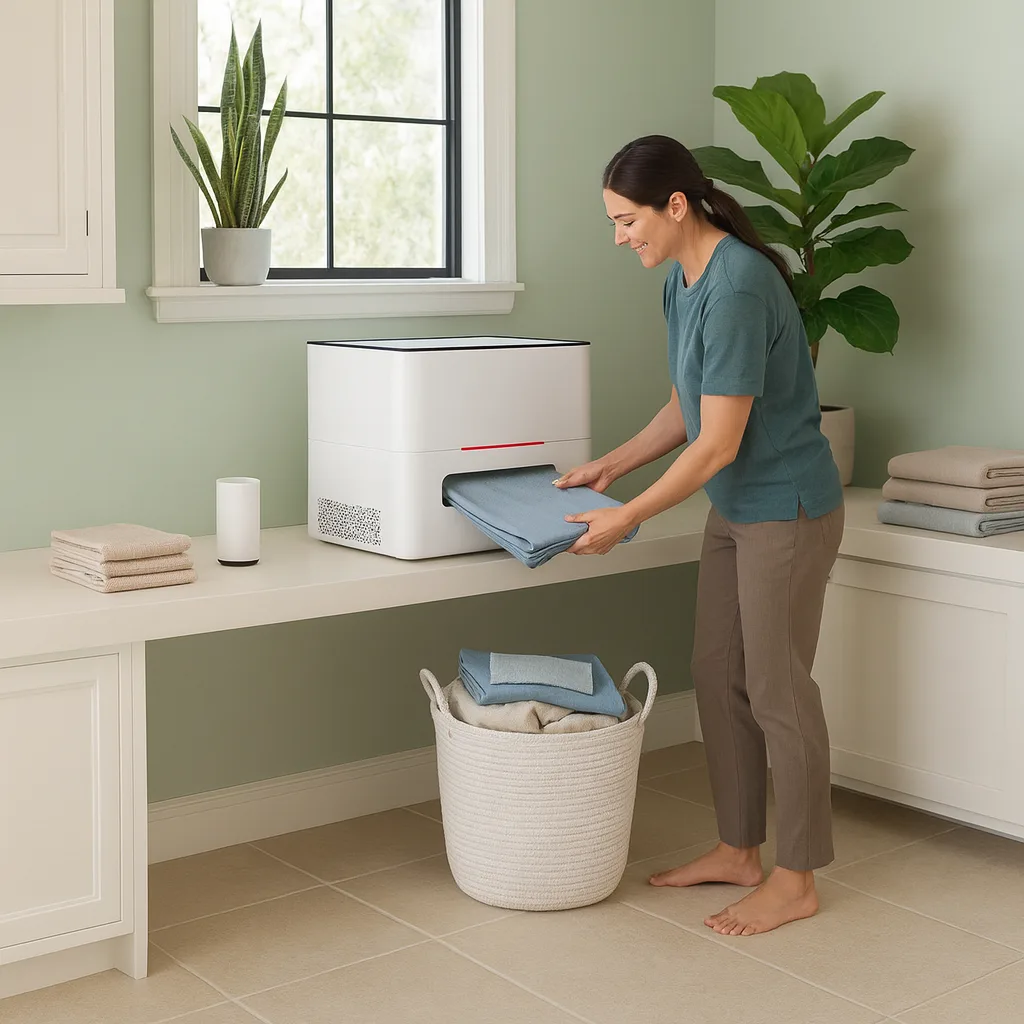
Additionally, it’s essential to monitor for any signs of wear or mechanical issues. This includes checking moving parts for excess play or damage and ensuring that all electronic components are functioning correctly. Proactively addressing any issues can help prevent costly repairs or replacements down the line. Scheduling routine maintenance checks according to the manufacturer’s recommendations can also do wonders for extending the life of the machine.
Lastly, always utilize the specific settings and configurations as intended by the manufacturer. Misuse, such as loading items that exceed capacity or using incorrect folding settings, can lead to malfunctions. Training all users on the best practices for operating the machine will safeguard against unnecessary problems, ensuring a seamless laundry experience.
The laundry folding machine, with its technological prowess, revolutionizes how we manage laundry tasks, offering benefits that range from time efficiency to impeccable garment presentation. By exploring its advantages, understanding the various types available, and adhering to maintenance best practices, both consumers and businesses can optimize their laundry processes. Whether it’s a busy home or a large-scale laundering operation, these machines present a solution to modern laundry challenges, paving the way for a more organized and efficient lifestyle. Embracing this innovation is a step forward to reclaiming precious time and enhancing the overall quality of fabric care.