
Jet boards are revolutionizing water sports, offering an exhilarating blend of freedom, speed, and innovation. Whether you’re a seasoned thrill-seeker or a curious beginner, jet boards provide an unparalleled way to explore the waters with style and ease. This article explores what jet boards are, how to use them effectively, compares different types, and offers expert advice to elevate your experience on the water.
Contents
- 1 Unlock the Potential of Jet Boards – The Ultimate Watercraft of Tomorrow
- 2 How to Use Jet Boards – Getting Started with Your Water Propulsion Journey
- 3 Comparing Types of Jet Boards – Features, Benefits, and Suitability
- 4 Expert Advice for Maximizing Your Jet Board Experience
- 5 How to Use Jet Boards: A Comprehensive Guide
- 6 The Future of Jet Boards: Trends and Innovations
Unlock the Potential of Jet Boards – The Ultimate Watercraft of Tomorrow
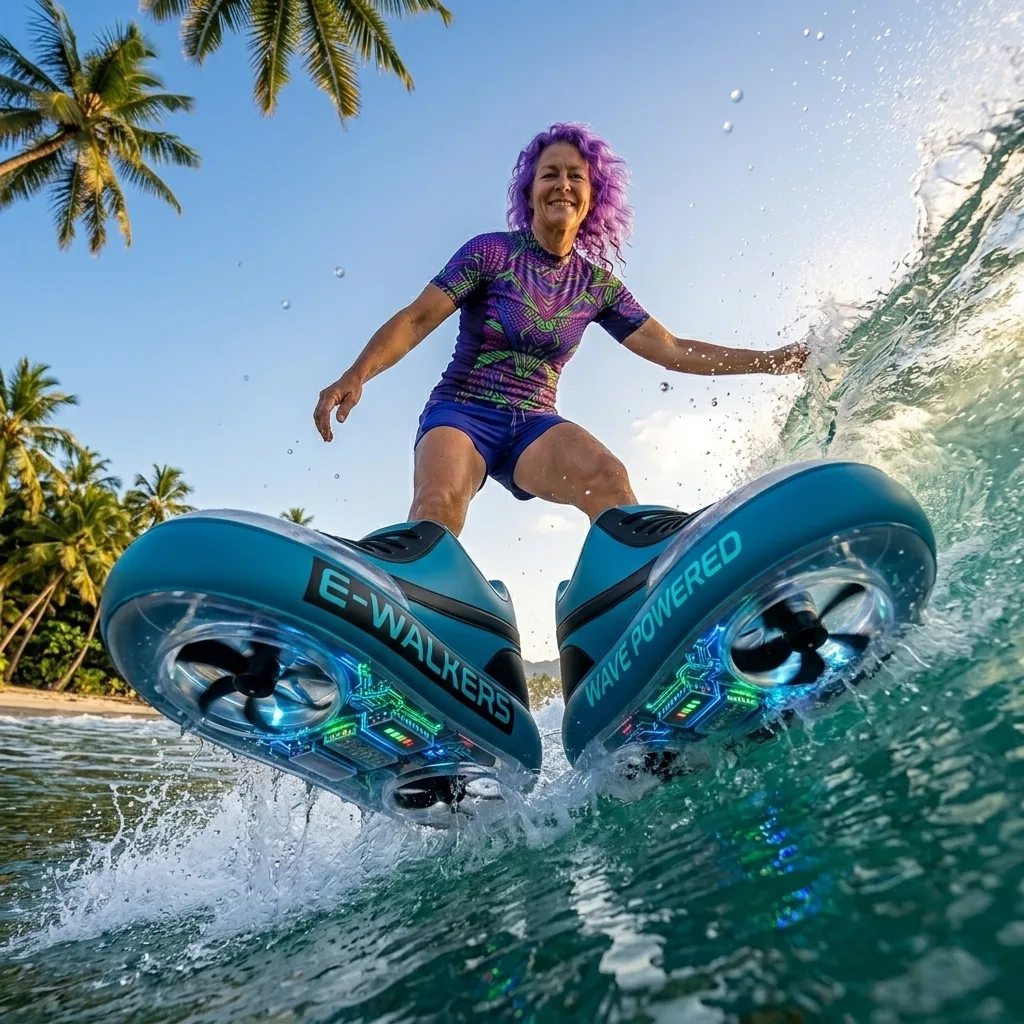
Jet boards are compact, electric-powered boards that allow users to glide effortlessly across the water, giving a jet-propelled surfing or skating experience. They combine cutting-edge technology with sleek design to offer a fun, dynamic, and eco-friendly water sport alternative. Understanding how to use jet boards can enhance safety and maximize enjoyment, whether you’re navigating calm lakes or choppy seas.
In this guide, you’ll learn about the basics of jet board operation, comparisons between models, tips for beginners, and some inspirational examples that showcase their versatility. Whether for leisure, competitive sports, or adventure tourism, jet boards are carving a new niche in the recreational landscape with their innovative appeal.
How to Use Jet Boards – Getting Started with Your Water Propulsion Journey
Adopting jet boards involves mastering balance, understanding control mechanics, and safety precautions. This section provides step-by-step insights into the essentials of jet board operation, perfect for newcomers eager to embrace this electrifying water sport.

Preparing for Your First Ride
Before stepping onto a jet board, ensure you understand the equipment and safety gear. It’s crucial to wear a wetsuit, helmet, life vest, and possibly elbow and knee pads, especially if you’re a beginner. Check the jet board for any damages and familiarize yourself with the control system—usually a remote or handheld device that manages power and speed.
Getting comfortable on the water surface is vital. Start in shallow waters with a trusted instructor or guide if possible. Practice balancing on the board to develop core strength and spatial awareness. Remember, patience is key—initial attempts might be shaky, but consistency will build confidence quickly.
Basic Operation and Controls
Most jet boards are operated using a wireless remote that controls acceleration and braking. Familiarize yourself with the remote’s functions, such as throttle, mode settings, and emergency stop. Turn on the device, get into a stable position, and gradually increase speed while maintaining your balance.
When you rise onto the board, keep your knees slightly bent and lean forward or back to steer. Use your body weight—shifting it slightly to the left, right, or backwards—to navigate in desired directions. Always adhere to local waterway rules and stay aware of other watercraft and obstacles to ensure safety.
Advanced Techniques and Tips




As you gain confidence, explore advanced techniques like carving turns and jumps. Practice riding at different speeds and experimenting with body positioning for better control. Remember to stay relaxed, as tension can affect balance and reaction times.
Consistently check battery levels and maintenance schedules to prevent unexpected malfunctions. Respect the environment by avoiding protected areas and minimizing water pollution. The more you learn about your jet board’s capabilities, the more you can enjoy its thrilling potential.
Comparing Types of Jet Boards – Features, Benefits, and Suitability
Understanding the different types of jet boards is key to selecting one that fits your skill level, budget, and intended use. This section delves into popular models, their distinct features, and how they compare in terms of performance, portability, and user experience.
Electric Versus Gas-Powered Jet Boards
The most fundamental distinction in jet boards is the power source. Electric jet boards are eco-friendly, quiet, and easier to maintain, making them popular among eco-conscious riders and beginners. Gas-powered versions often provide higher speeds and longer operational times but come with increased noise levels and maintenance needs.
Electric models are typically lightweight, portable, and equipped with rechargeable batteries, enhancing their appeal for recreational use and urban environments. On the other hand, gas-powered options may suit more adventurous, high-speed enthusiasts seeking extended rides without battery limitations.
Choosing between these types depends on your priorities. For instance, if environmental impact and ease of use are your main concerns, electric jet boards are ideal. If you prioritize raw power and endurance, gas-powered alternatives might be more suitable.
High-Performance Versus Beginner-Friendly Models
Jet boards cater to a broad audience, from novices to professional athletes. High-performance boards are designed with advanced riders in mind, featuring enhanced stability, higher maximum speeds, and customizable controls. These are perfect for competitions or adrenaline-pumping rides.
Beginner-friendly models emphasize stability, ease of control, and safety features like speed limiters and automatic shut-off. They often include user-friendly interfaces and are less intimidating for those new to water sports. When comparing these models, consider your skill level and future ambitions to find a board that can grow with you.
Portability and Design
Design considerations such as weight, size, and portability impact how easily a jet board can be transported and stored. Some models come with compact, foldable designs or carrying cases, making them suited for travel and adventure trips. Others have a more robust build geared towards durability in harsh conditions.
Evaluate your typical usage scenarios—will you mostly ride near your home or frequently travel to different locations? Investing in a portable, lightweight model may increase convenience and flexibility, ensuring your jet board is always ready for exploration.

Expert Advice for Maximizing Your Jet Board Experience
Achieving proficiency with jet boards involves not only selecting the right equipment but also adopting effective practices and mindset. This section offers key tips and insights to help you get the most out of your water adventure.
Safety First – Best Practices on the Water
Safety should always be your top priority when using jet boards. Always wear appropriate safety gear, including a life vest and helmet, especially in unfamiliar or rough waters. It’s vital to familiarize yourself with local regulations and designated riding areas to avoid conflicts with boats or swimmers.
Start slow and gradually increase your speed as your confidence and skills develop. Practice emergency stopping techniques and learn how to regain balance if you fall. Remember to stay alert, keep a safe distance from other watercraft, and never ride under the influence of alcohol or drugs.
Maintaining and Troubleshooting Your Jet Board
Proper maintenance extends the lifespan and performance of your jet board. Regularly inspect for physical damages, clean the surface to prevent corrosion, and keep the battery charged according to the manufacturer’s recommendations. Firmware updates, if applicable, can also enhance functionality and security.
Familiarize yourself with troubleshooting procedures for common issues such as connectivity problems, battery errors, or motor malfunctions. Having basic repair skills or access to professional support will minimize downtime and keep your water adventures running smoothly.
Inspiring Examples and Future Trends
Many enthusiasts have shared awe-inspiring stories of jet board adventures—from mastering tricks to exploring remote waterscape areas. These examples showcase the versatility and thrill of jet boards, encouraging newcomers to pursue their passion.
Looking ahead, technological advancements such as longer-lasting batteries, smarter controls, and integrated safety features will make jet boards more accessible and enjoyable. As the industry evolves, expect innovative designs that blend sustainability with high performance, making jet boards a central part of future aquatic recreation.
Jet boards represent a groundbreaking advance in water sports, offering engaging, eco-friendly, and powerful ways to explore the aquatic environment. From understanding how to operate these agile watercraft to comparing different models and following expert advice for safety and maintenance, enthusiasts can unlock a new level of enjoyment and skill. As technology continues to evolve, jet boards are poised to become even more versatile, accessible, and thrilling, promising endless adventures on the water for years to come.
How to Use Jet Boards: A Comprehensive Guide
Using a jet board can provide an exhilarating experience on the water, but it’s essential to understand how to operate one effectively and safely. This section breaks down the critical steps for beginners and seasoned riders alike, ensuring that you can make the most of your jet boarding adventure.

Getting Started with Jet Board Basics
Before you experience the thrill of jet boarding, it’s crucial to familiarize yourself with your board’s controls and features. Most jet boards have a handheld remote that allows you to control speed and direction. Read the user manual thoroughly to understand how each component works—especially the power switch, speed settings, and emergency stop.
Once you feel confident with the controls, it’s time to suit up. Wear a comfortable life vest and other required safety gear to maximize protection while riding. Choose a calm body of water to practice in; choppy waves or crowded areas can be challenging and potentially dangerous for beginners. Starting on flat water allows you to focus solely on learning how to operate the board without additional distractions.
Position yourself on the jet board by placing one foot on the deck while keeping the other foot hovering above the water. This staggered stance will provide you with more balance as you get accustomed to the board’s movement. Engaging your core will also enhance stability and performance.
Learning to Balance and Maneuver
Once you’re ready to go, press the power button on your remote. Gradually pull the throttle trigger to get a feel for how it accelerates. Start by maintaining your balance while the board is stationary before powering up. When you feel secure, gently engage the throttle to propel yourself forward.
When riding, lean slightly forward to control speed and steer by shifting your weight to the left or right. Practice different speeds and body positions to see how they affect your balance and control. Staying relaxed is crucial; tension can hinder your ability to react properly to the board’s movements. Use your arms for stability, but avoid stiffening them, as this can lead to loss of balance.
As you gain confidence, experiment with turning and stopping. Always do so smoothly to avoid abrupt movements that could throw you off balance. Understanding how the board responds to your body movements is essential for mastering maneuvers and achieving a sense of freedom while riding.
Tips for Navigating Different Conditions
Weather and water conditions play a significant role in how you should approach your jet boarding experience. Always check the forecast before heading out to ride. In calm conditions, feel free to enjoy maximum speed and perform thrilling tricks. However, if winds pick up or if you encounter rough waters, it’s best to adjust your riding style accordingly.
Riding in waves can offer a different experience altogether. Leaning back can help you maintain control as you ride over swells, while shifting your weight can enable smoother transitions through choppy water. If you’re new to jet boarding, try to avoid riding in difficult conditions until you gain more experience and confidence.
Moreover, stay mindful of your surroundings to avoid obstacles, other riders, or wildlife. Maintain a safe distance from swimmers and ensure you’re within designated riding areas. Respecting fellow water users and the environment enhances your overall experience and helps cultivate a positive water sports community.
The Future of Jet Boards: Trends and Innovations
Jet boards are rapidly evolving, and advancements in technology continue to reshape how users enjoy this thrilling water sport. In this section, we will explore emerging trends, potentially exciting upcoming innovations, and their implications for jet board enthusiasts.
Eco-Friendly Technologies and Sustainability
As the world grows increasingly conscious of environmental impacts, jet board manufacturers are prioritizing eco-friendly technologies. Many newer models are engineered with sustainable materials and energy-efficient electric motors. Using eco-friendly batteries that reduce toxic waste contributes to a cleaner aquatic environment.
By minimizing emissions and investing in resource-efficient production techniques, jet board makers are not only enhancing the riding experience but also committing to sustainability. The push for eco-friendly jet boards aligns with a broader movement within the water sports industry, redefining recreational activities through a greener lens.
Smart Features and Enhanced Safety
The future of jet boards looks promising, as many manufacturers are integrating smart technology into their designs. Features such as GPS tracking, speed limiters, and automatic shut-off modes are becoming standard for safety-conscious riders. These advancements help enhance user experience while maximizing safety for beginners and seasoned riders alike.
Additionally, with the development of mobile apps capable of monitoring battery levels, performance statistics, and personalized riding settings, riders can tailor their experience to suit their preferences. These smart features are enhancing the sport’s accessibility, leading to increased adoption and enjoyment by a diverse range of riders.
Performance Improvements and Customization
As technology progresses, jet boards are becoming increasingly lightweight and aerodynamic, allowing for enhanced speed and agility. Innovations in battery technology promise longer ride times, enabling adventurers to venture further without the fear of running out of power mid-ride.
Customization options are also on the rise, offering riders choices regarding aesthetics, performance settings, and accessories. Personalization could lead to more tailored water experiences, inviting creators and enthusiasts into the design process. We can expect this trend to gain traction as the demand for customized recreational gear continues to rise.
Jet boards open a world of exhilarating experiences on water, blending cutting-edge technology with eco-friendly practices. By understanding how to effectively use these devices, comparing types for optimal selection, and embracing expert advice for safety, maintenance, and responsible riding, enthusiasts can fully unlock the thrill that jet boards provide. As innovations continue to shape the future of jet boarding, we can look forward to a new era of exploration and excitement on our lakes and oceans. Embrace the adventure, and let your jet board lead the way.