
Epoxy cloud flooring is rapidly gaining popularity among homeowners and commercial property managers alike. This innovative flooring technique combines durability with artistic appeal, creating an environment that’s both functional and visually captivating. Whether you’re considering a renovation for your garage, showroom, or industrial space, epoxy cloud flooring offers a unique and versatile aesthetic that can elevate any area to new levels of sophistication.
If you’re curious about how to use epoxy cloud flooring effectively, exploring design ideas, comparisons with other flooring types, and expert advice can help you make an informed decision. In this guide, we’ll delve into everything you need to know about epoxy cloud flooring—from its application and benefits to creative examples and practical tips for achieving the best results.
Contents
Understanding Epoxy Cloud Flooring – The Art and Science of Unique Surfaces
Epoxy cloud flooring is a specialty coating that uses epoxy resin combined with pigmentations and techniques to produce a mesmerizing cloud-like pattern on the floor surface. Its popularity stems from its ability to mimic natural phenomena—like swirling clouds or watercolor washes—while offering the resilience expected from epoxy-based products.
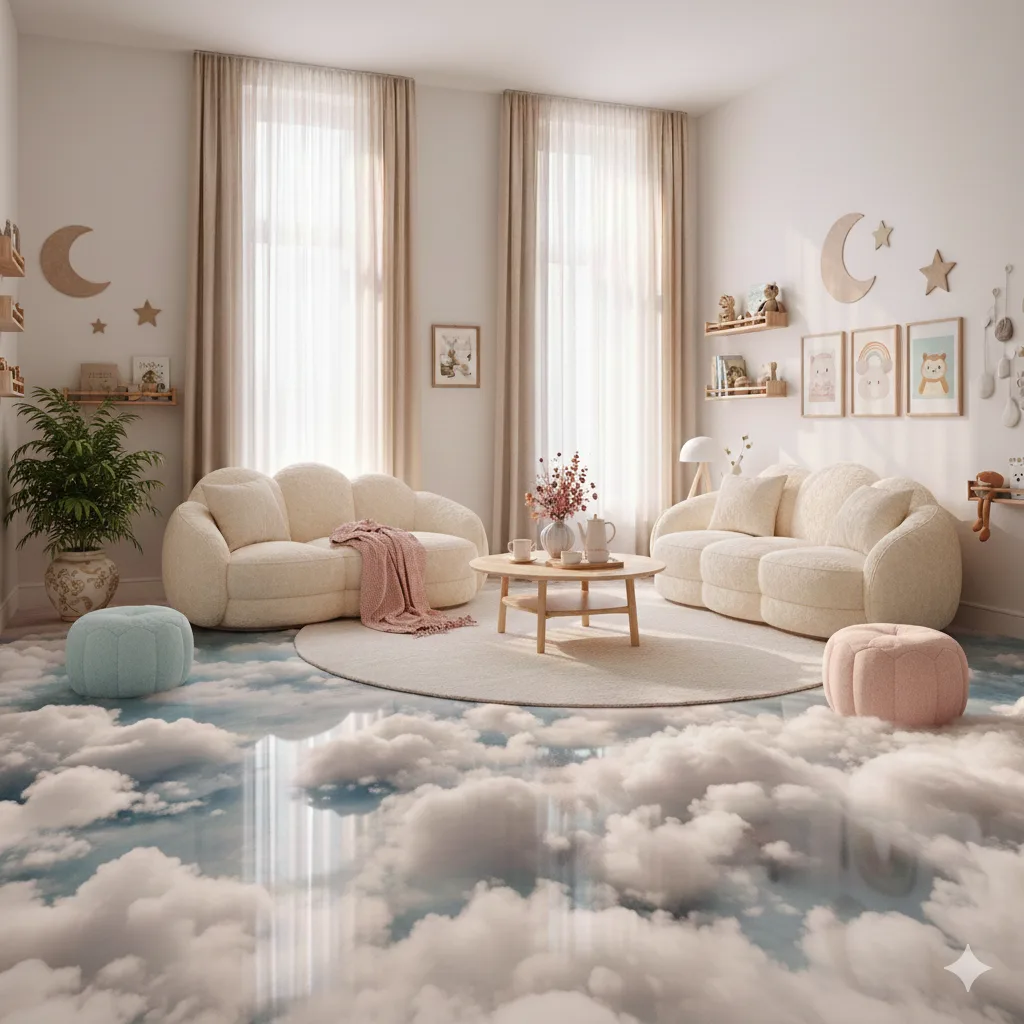
This flooring technique is suitable for many spaces due to its customizable nature. It can be tailored to fit both minimalist and highly decorative environments. Whether you’re designing a modern art studio or a sleek commercial warehouse, epoxy cloud flooring provides an adaptable platform that seamlessly blends style with functionality.
Before embarking on a project, understanding how to use epoxy cloud flooring correctly is essential. This includes preparing your surface properly, choosing the right color palette, and selecting appropriate application techniques to ensure a stunning final result. Additionally, its versatility allows for various artistic effects, making it essential to explore how you can incorporate your personal aesthetic into the design.
Discovering the Composition and Technique
Epoxy cloud flooring’s unique appearance is achieved through carefully controlled mixing and application. Typically, a base coat of epoxy resin is applied over a prepared surface—be it concrete, wood, or another material. Once this base cures, the artist or technician adds pigmented epoxy layers to create a dynamic visual effect.
The process involves manipulating the epoxy to produce swirling, marbled, or cloud-like patterns. Techniques such as feathering, swirling, or even adding metallic pigments can result in a convincing illusion of depth and movement. This artistry transforms a simple floor into a canvas of creativity—binding durability with aesthetic appeal.
From a scientific standpoint, epoxy resin’s chemical properties are vital for its structural strength and chemical resistance. When combined with specific pigments and controlled application methods, it produces a highly durable, glossy, and eye-catching surface that withstands heavy traffic, moisture, and wear. This combination of art and science is what makes epoxy cloud flooring so compelling.
Customization and Personalization Options
One of the main advantages of epoxy cloud flooring is its high level of customization. The color schemes can range from subtle pastel hues to vibrant, bold tones—depending on your design goals. Here, your creativity is the limit.
Some designers opt for monochrome patterns with minimalistic clouds, while others create elaborate multi-colored scenes reminiscent of sunsets or stormy skies. Metallic pigments or glow-in-the-dark additives can further enhance the visual impact, creating a mesmerizing effect at night or under specific lighting conditions.


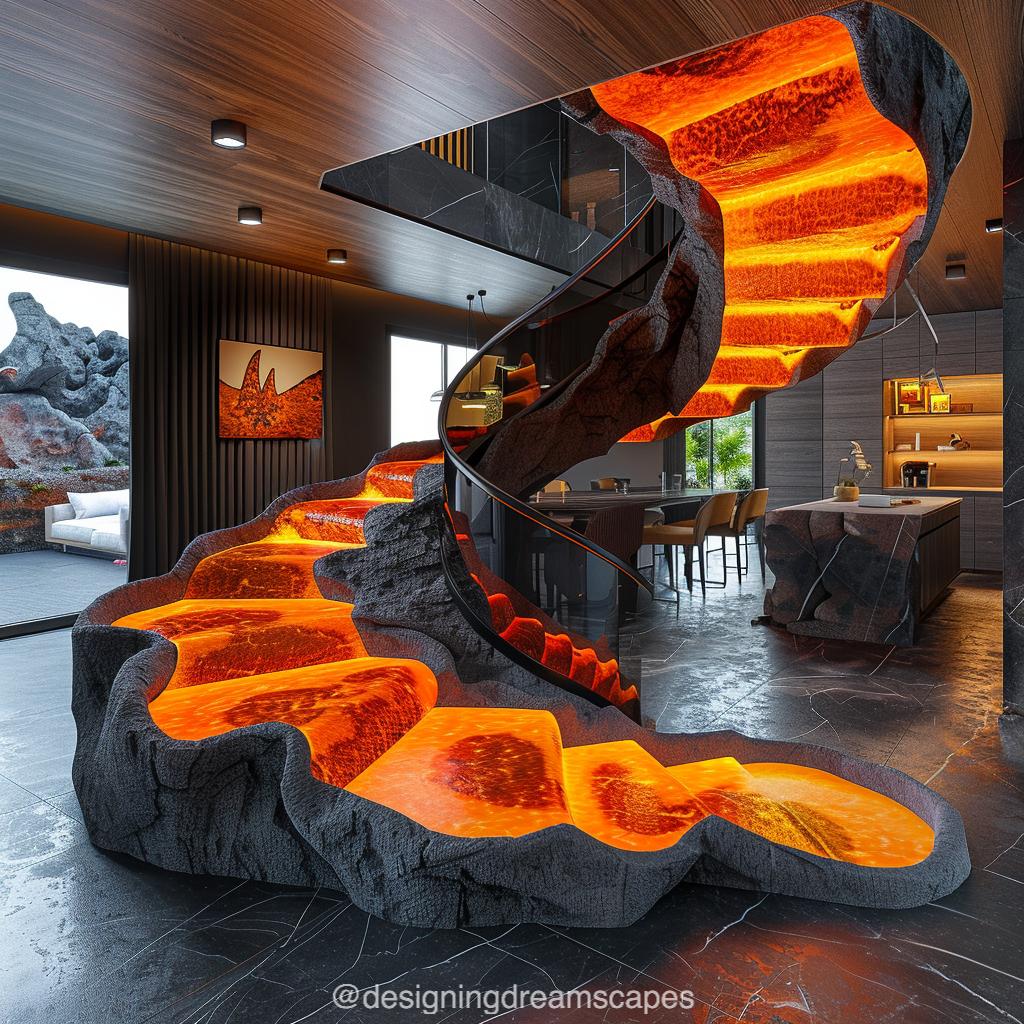
Personalization also extends to the finish type—glossy, matte, or satin—that can be selected to suit the overall ambiance. You might choose a high-gloss finish for a modern boutique or a matte layer for a more understated, industrial look. The ability to customize not only the aesthetic but also the texture and reflectivity makes epoxy cloud flooring a flexible and attractive choice for diverse projects.
How to Use Epoxy Cloud Flooring – Step-by-Step Guidance for a Flawless Finish
Implementing epoxy cloud flooring is a detailed process that demands attention to surface preparation, material selection, and application techniques. Proper planning not only ensures the longevity of your flooring but also enhances its visual appeal.
For those interested in creating their own epoxy cloud design, understanding the workflow—from surface prep to final coat—is vital. Whether you are hiring professionals or embarking on DIY projects, a structured approach guarantees a high-quality outcome that will impress for years to come.
Before starting, assess your environment, gather necessary tools, and select the color palette that aligns with your vision. A clear plan helps in execution, minimizing errors, and achieving consistency in your cloud pattern.
Preparing the Surface for Epoxy Cloud Application
The first step in using epoxy cloud flooring is meticulously preparing your substrate. A clean, dry, and smooth surface is crucial for epoxy adhesion and durability. Begin by removing any existing coatings, grease, or debris that may interfere with the bond.
If working on concrete, it’s essential to repair cracks, chips, or uneven areas to create an even base. Sanding or grinding the surface helps to improve permeability and adhesion. Once the surface is clean and smooth, apply a suitable primer or bond coat to ensure optimal epoxy adherence.
Surface preparation not only enhances durability but also allows the pigments and swirling techniques to stand out vividly. Skipping or rushing this step can result in peeling, bubbling, or uneven cloud patterns—so patience and precision are key.
Applying and Manipulating Epoxy for Artistic Effects
Once the surface is prepared and the epoxy base coat has cured, you can begin creating the cloud patterns. Mix your epoxy resin with pigments according to your artistic design, being mindful to maintain consistent viscosity. Pour the pigmented epoxy onto the prepared surface, spreading it evenly.
Utilize tools such as brushes, rakes, or even air blowers to manipulate the epoxy and generate cloud-like shapes. Techniques like feathering and swirling can produce soft, natural contours reminiscent of real clouds. Experimentation is encouraged—small test areas help refine your method before tackling larger surfaces.
Throughout application, control environment conditions—temperature, humidity, and light—are vital for curing. Working in a dust-free, stable environment minimizes imperfections. After completing your artistic manipulation, allow the epoxy to cure fully before applying a topcoat for protection and gloss. Proper curing time ensures that the intricate cloud patterns remain intact and stunning over time.
Maintenance and Longevity Tips
Proper maintenance maximizes the lifespan of epoxy cloud flooring. Regular cleaning using gentle, non-abrasive products preserves the surface’s shine and prevents deterioration. Avoid harsh chemicals that can degrade the epoxy or pigment layers.
Address scratches or chips promptly with touch-up kits or professional repair techniques to prevent further damage. Applying an additional clear coat every several years can rejuvenate the appearance and add extra protection.
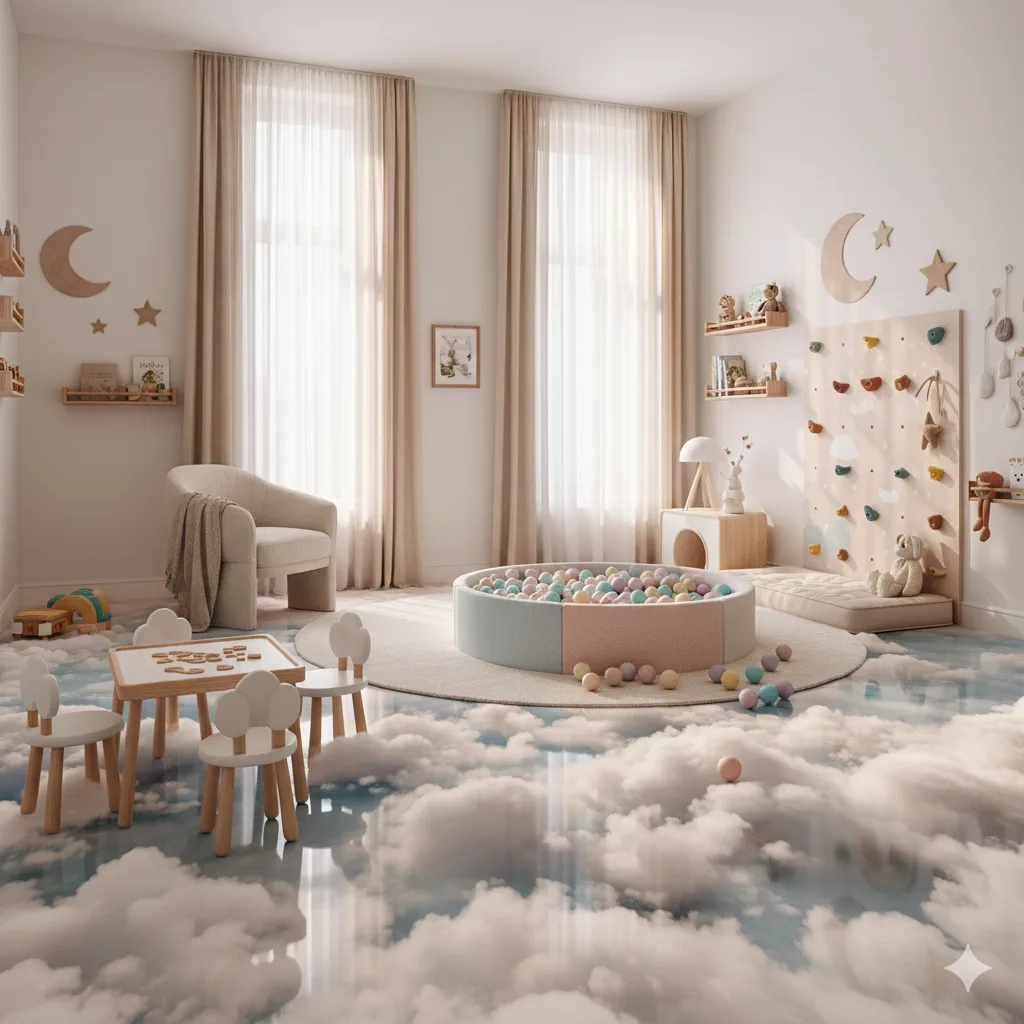
Understanding how to care for your epoxy cloud flooring—such as avoiding heavy impacts or abrasive cleaners—ensures your creative investment remains beautiful for years. With proper maintenance, this flooring style continues to impress with its artistic charm and resilience.
Exploring Comparisons – Epoxy Cloud Flooring vs. Other Decorative Flooring Options
When choosing a flooring style that combines aesthetics and durability, it’s essential to evaluate how epoxy cloud flooring stacks up against other popular options. This comparison can clarify its advantages and help you make an informed decision that aligns with your design goals.
Epoxy cloud flooring offers a distinct visual appeal unmatched by traditional coatings, but it’s important to analyze its performance, cost, and application complexity compared to alternatives like polished concrete, vinyl, or epoxy terrazzo.
Understanding these differences can aid in selecting the ideal flooring for your space, whether you prioritize artistic expression, ease of maintenance, or budget constraints.
Durability and Maintenance – How Does It Compare?
Epoxy cloud flooring is renowned for its exceptional strength and resistance to chemicals, abrasion, and impact. Its seamless surface minimizes crevices where dirt and bacteria can accumulate, making it particularly suitable for commercial kitchens, hospitals, and industrial environments.
Compared to vinyl or laminate options, epoxy surfaces resist moisture and staining much better, reducing long-term maintenance costs. Unlike polished concrete—while durable—epoxy finishes typically offer a more refined appearance with customizable gloss levels that enhance artistic effects like cloud patterns.
In terms of maintenance, epoxy cloud flooring is straightforward—regular sweeping and gentle cleaning suffice. Unlike carpets or natural stone, it does not trap dirt and is easier to keep looking pristine with minimal effort.
Cost and Application Time – Investing in Artistic Durability
While the initial investment in epoxy cloud flooring can be higher than basic coatings or vinyl materials, its longevity justifies the expense. High-quality epoxy layers are built to withstand decades of wear, which reduces the need for frequent repairs or replacements.
The application process might be time-consuming, especially when creating complex cloud patterns, as it requires meticulous work and curing time. DIY projects may save costs but demand skill and patience. Professional installation ensures uniformity, vibrant patterns, and long-lasting results.
In comparison to terrazzo flooring—another decorative option—epoxy cloud flooring offers more flexibility in design, quicker installation times, and easier repairs. Its capacity for artistic expression makes it an attractive investment for spaces seeking a unique aesthetic combined with industrial-grade performance.
Visual Appeal and Customization – Aesthetic Considerations
Epoxy cloud flooring excels in its capacity for customization and artistic expression. Its ability to emulate natural phenomena makes it stand out from other decorative options like stamped concrete or vinyl decals, which often have limited patterns and color schemes.
While polished concrete provides a sleek, modern look, it may lack the visual depth and artistic complexity achievable with epoxy cloud finishes. Vinyl flooring, although versatile, cannot replicate the textured or three-dimensional cloud effects that epoxy techniques can produce.
Choosing epoxy cloud flooring provides a distinctive, artistic environment that communicates sophistication and creativity, ideal for spaces like galleries, upscale commercial facilities, or modern homes. Its limitless design possibilities elevate it beyond traditional decorative flooring options.
Epoxy cloud flooring combines artistic ingenuity with durable engineering, transforming ordinary floors into captivating works of art. Its capacity for customization allows for a wide range of aesthetic expressions—from subtle pastel clouds to dramatic, swirling storms—making it suitable for various environments. Proper surface preparation, application techniques, and maintenance are crucial to achieving the stunning, long-lasting results that epoxy cloud flooring promises. Compared to other decorative flooring options, it offers superior resilience, unique visual appeal, and extensive personalization options that elevate any space’s atmosphere.
Embracing epoxy cloud flooring means investing in more than just a surface—it’s about creating a statement that reflects personality and style while ensuring practicality and longevity. With the right knowledge and approach, this innovative flooring solution can revolutionize your environment into a breathtaking showcase of artistry and resilience.