
Epoxy beach flooring is rapidly gaining popularity among homeowners, designers, and commercial property owners seeking durable, aesthetically pleasing, and easy-to-maintain surfaces. Whether you’re designing a beachfront patio, a poolside deck, or an outdoor lounge area, epoxy beach flooring offers a versatile solution that combines functionality with beauty.
In this article, we will explore the ins and outs of epoxy beach flooring, including how to use it effectively, real-world applications, comparisons with other flooring options, and expert advice to optimize your coastal space.
Contents
Understanding Epoxy Beach Flooring and Its Unique Benefits
Choosing the right flooring for a beachside property entails considering environmental factors such as saltwater exposure, UV rays, and foot traffic. Epoxy beach flooring stands out as an innovative solution because of its resilience and adaptability. This section delves into the core features and advantages of epoxy flooring tailored to coastal environments.
What Is Epoxy Beach Flooring and How Is It Used?
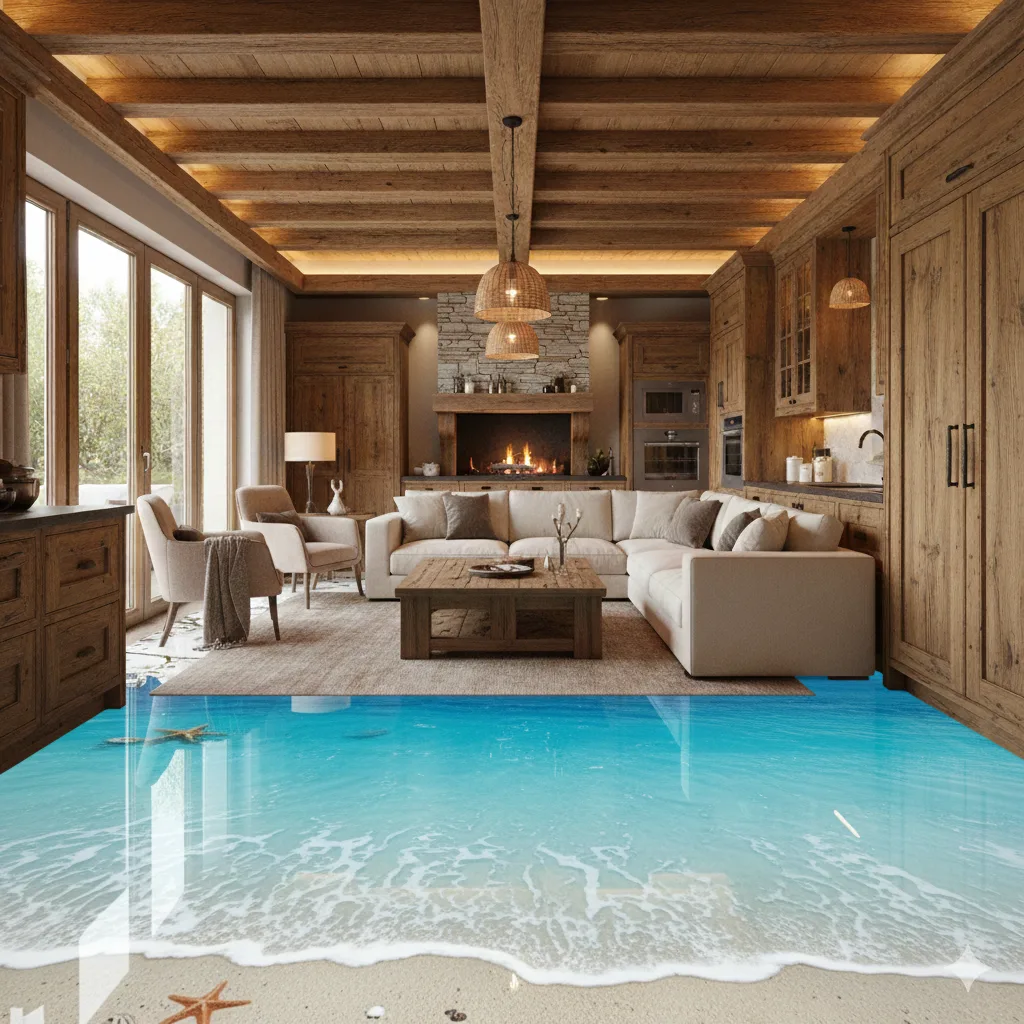
Epoxy beach flooring is a resin-based surface coating designed for outdoor coastal areas that require robust resistance to harsh weather conditions. It involves applying a mixture of epoxy resin and hardeners onto concrete or other substrates to create a seamless, high-gloss, durable layer.
To use epoxy beach flooring effectively, surface preparation is crucial. The substrate must be cleaned thoroughly, free from contaminants, oils, and moisture. Next, a primer layer is applied to ensure adhesion, followed by multiple coats of epoxy mixed with decorative pigments or textures as desired. Once cured, a topcoat sealant protects the surface from UV degradation, saltwater corrosion, and abrasion.
This flooring can be used in various applications, including beachfront patios, pool decks, outdoor kitchens, and even commercial boardwalks. Its ease of customization allows you to incorporate colors, patterns, and textures that blend seamlessly with the seaside ambiance.
Examples of How Epoxy Beach Flooring Enhances Coastal Spaces
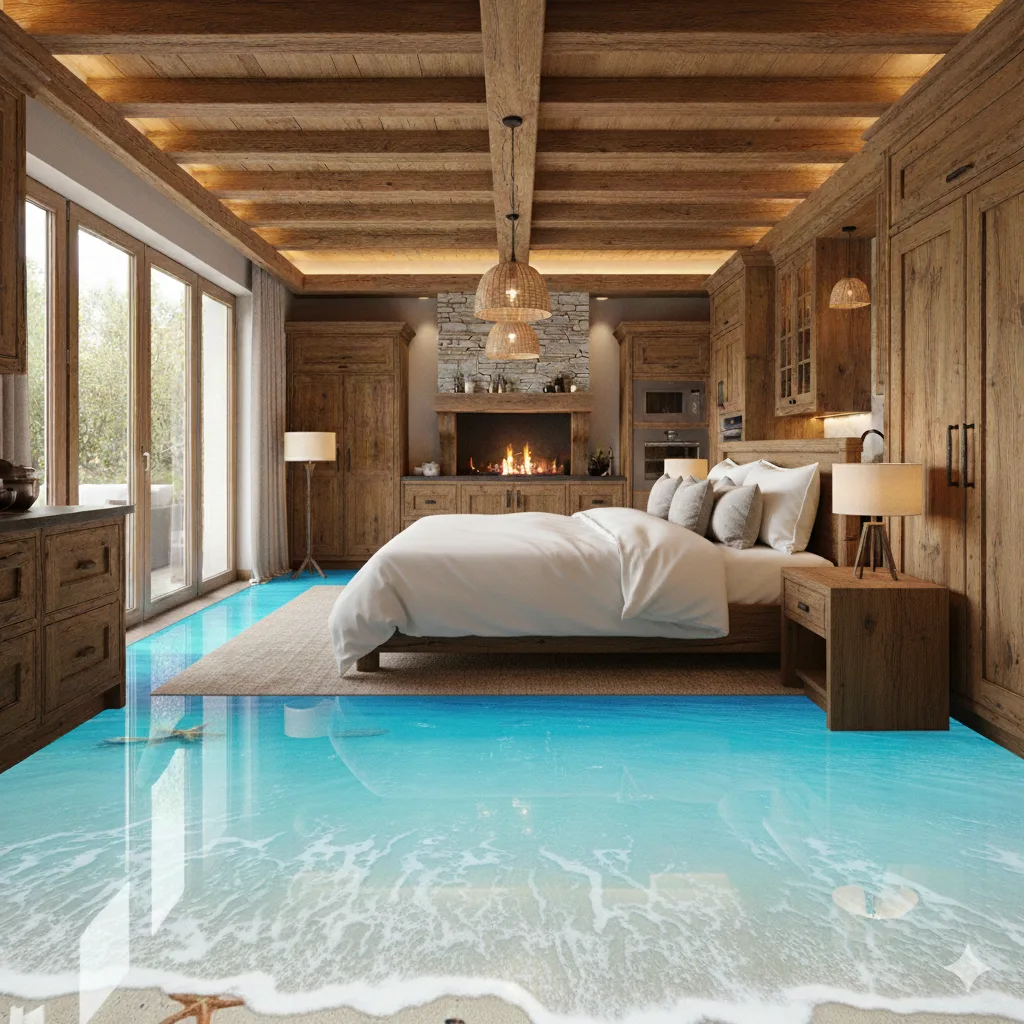
Imagine a luxury beachfront villa with a shimmering epoxy beach flooring that mimics the sandy shores, creating an immersive experience for residents and guests. Similarly, a commercial pier can utilize epoxy coatings to withstand the salty air while maintaining an elegant appearance that invites visitors.
In residential settings, epoxy beach flooring can define outdoor entertainment zones, making them more inviting and functional. For poolside areas, the textured finish minimizes slipping hazards, providing safety alongside style. Commercially, epoxy coatings are ideal for walkways and catering spaces, offering long-lasting service even under demanding conditions.
Comparing Epoxy Beach Flooring with Traditional Coastal Surfaces
| Feature | Epoxy Beach Flooring | Traditional Concrete/Tile | Wooden Decking |
|---|---|---|---|
| Durability | High (resistant to salt and UV) | Moderate to high | Low to moderate |
| Maintenance | Easy (sealed surface) | Moderate (cleaning/grouting) | High (resealing/staining) |
| Slip Resistance | Customizable textured finish | Usually slip-prone without treatments | Slip-resistant with special coatings |
| Aesthetic Flexibility | Extensive color and design options | Limited options | Rustic, natural look |
| Cost | Moderate to high (initial) | Low to moderate | Low |



In essence, epoxy beach flooring combines durability with aesthetic flexibility, making it an increasingly preferred choice over traditional materials that often require more upkeep and offer less resilience to coastal elements.
Expert Advice on Choosing Epoxy Beach Flooring
To maximize the benefits of epoxy beach flooring, consulting with professionals experienced in coastal applications is essential. Proper surface preparation, high-quality epoxy products, and UV-resistant topcoats are critical for longevity. Investing in a textured finish can significantly improve slip resistance, enhancing safety around pools and walkways.
Additionally, selecting colors and textures that complement the natural surroundings not only elevates the overall aesthetic but also ensures the surface remains visually appealing over time. Regular maintenance, including occasional cleaning with gentle detergents and periodic resealing, will preserve the integrity of the epoxy coating.
Designing with Epoxy Beach Flooring: Creative Ideas and Practical Tips
Designing a coastal space involves blending functionality with style. Epoxy beach flooring offers endless possibilities for customizing outdoor areas to reflect both personality and environmental needs.
Incorporating Color, Patterns, and Textures for a Unique Coastal Look
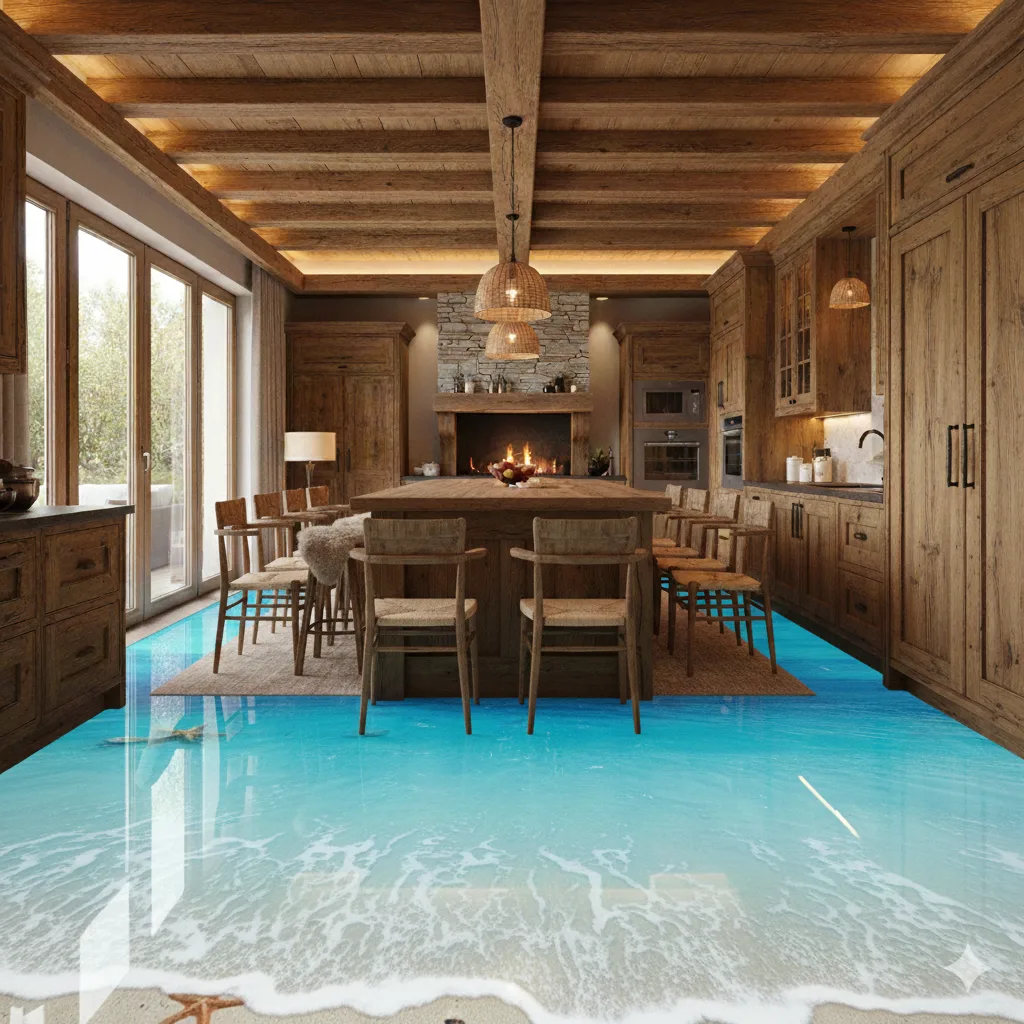
The beauty of epoxy beach flooring lies in its capacity for customization. You can incorporate a spectrum of colors—from sandy neutrals reminiscent of the shoreline to vibrant blues and greens mimicking the ocean. Using metallic pigments and embedded decorative elements like seashells or pebbles can enhance visual interest.
Patterns such as wave-like textures or geometric designs break the monotony and add sophistication. Textured finishes not only improve slip resistance but also contribute tactile depth to the space, inviting touch and visual engagement.
Personalizing epoxy flooring through stenciling or marbling techniques can mimic natural stone, wood grains, or artistic motifs, elevating the aesthetic appeal while maintaining durability.
Practical Tips for Installing Epoxy Beach Flooring on Coastal Properties
Proper installation is critical for achieving a long-lasting epoxy beach flooring surface. Here are some essential tips:
- Surface Preparation: Clean thoroughly and repair any cracks or damage in the substrate. Moisture barriers may be necessary to prevent future delamination.
- Environmental Conditions: Avoid installation during high humidity or extreme temperatures. UV exposure should be considered, so choosing UV-stable epoxy formulations helps prevent yellowing or degradation.
- Layering: Apply multiple thin coats for even coverage and enhanced strength. Each layer should be permitted to cure adequately before applying the next.
- Sealing: Use a high-quality topcoat with UV protection and slip resistance additives. This seals the epoxy and preserves its appearance and safety features.
Successful installation may require specialized tools and skills; thus, hiring experienced contractors is advisable for optimal results.
Tips for Maintenance and Longevity of Coastal Epoxy Surfaces
Maintaining epoxy beach flooring involves routine cleaning, protective measures, and periodic inspections. Use mild detergents and soft brushes to remove dirt and salt deposits without scratching the surface.
Avoid harsh chemicals or abrasive scrubbing that could compromise the epoxy’s integrity. Regular resealing with UV-resistant topcoats prolongs the surface’s life, especially in exposed coastal environments.
In high-traffic areas, consider adding anti-slip coatings or implementing mats in key zones to reduce wear and enhance safety. Promptly address any chips or cracks to prevent further deterioration, thus preserving the stylish, durable quality of your epoxy beach flooring.
Why Epoxy Beach Flooring Is the Ideal Choice for Coastal Living
Choosing the right flooring in a seaside environment is about balancing resilience, aesthetics, and maintenance ease. Epoxy beach flooring excels in all these aspects, offering a protective, customizable surface that withstands salt, humidity, UV exposure, and foot traffic.
Compared to traditional options like tile, concrete, or wood, epoxy coatings provide superior durability and design flexibility. They open up creative avenues for customization, from mimicking natural elements to incorporating personalized motifs.
Ultimately, investing in high-quality epoxy beach flooring translates into longevity, safety, and beauty for your coastal property. Understanding installation techniques, maintenance routines, and design possibilities ensures you maximize this material’s full potential for your seaside sanctuary.
Epoxy beach flooring stands as a cutting-edge solution tailored for the unique demands of coastal environments. Its exceptional durability, aesthetic versatility, and ease of maintenance make it an ideal choice for enhancing outdoor spaces by the sea. Whether used as a stylish pool deck, a resilient walkway, or an artistic patio surface, epoxy beach flooring can transform your coastal property into a stunning, long-lasting retreat. Thoughtful application, ongoing care, and creative design are key to unlocking its full potential, ensuring your seaside space remains beautiful and functional for years to come.