Contents
Mobility Meets Mixology
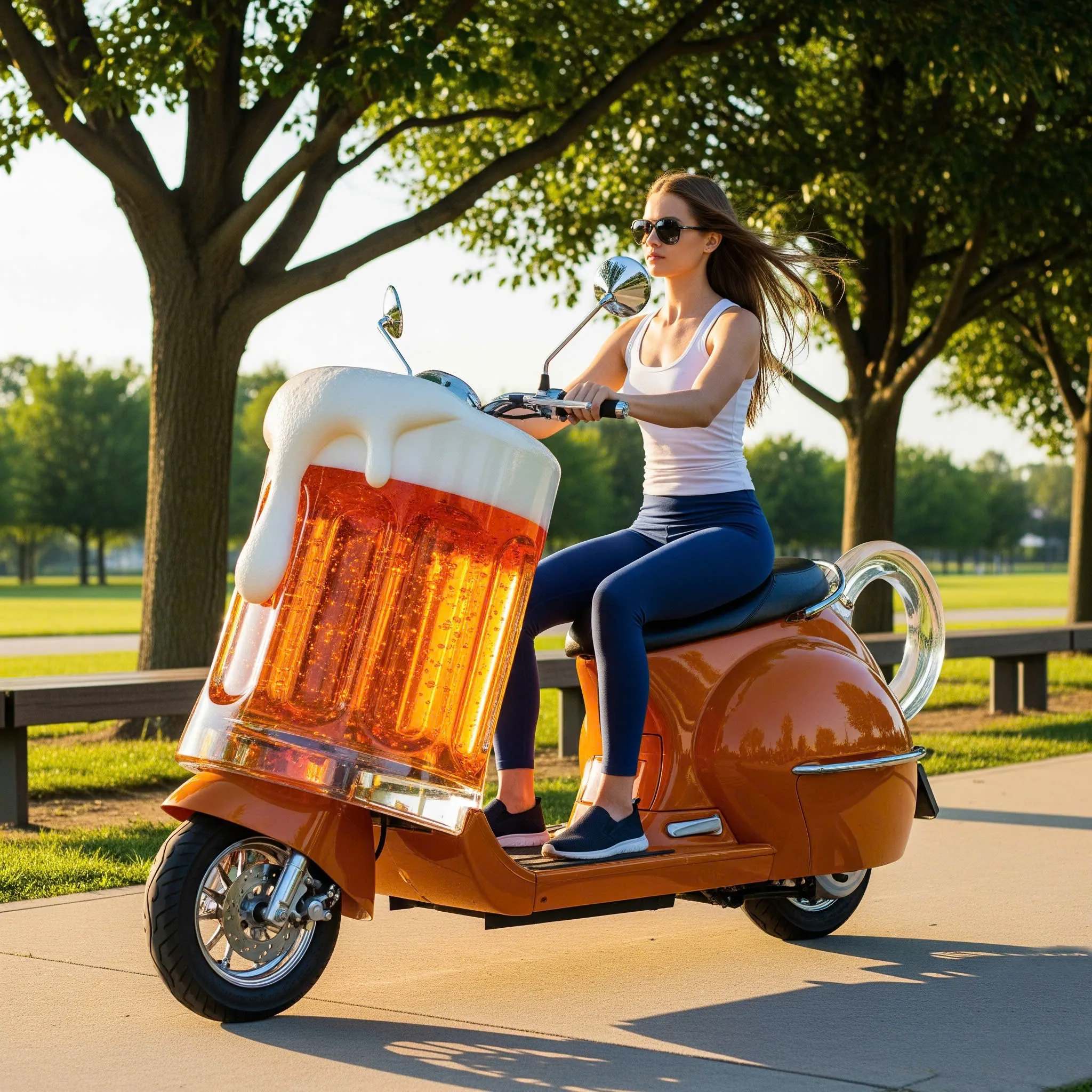
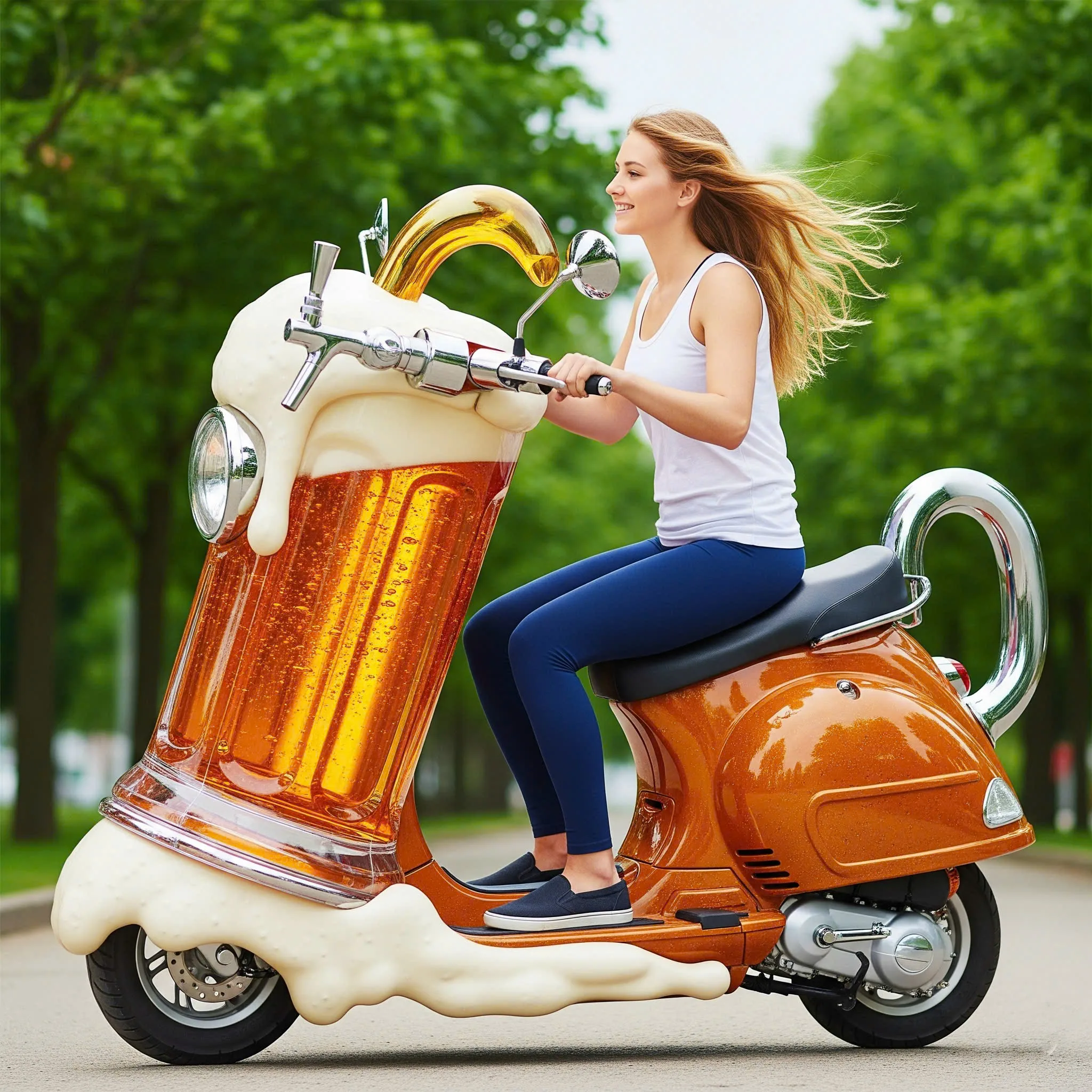
Imagine cruising through a festival, beachfront, or private event on a scooter—but not just any scooter. This one comes loaded with mini kegs, a cocktail station, and maybe even a Bluetooth speaker blasting your favorite summer hits. Welcome to the world of Booze Scooters—where mobility, fun, and beverage service come together in an unforgettable, party-centric experience.
Booze Scooters represent a whimsical but ingenious twist on modern transport and entertainment culture. They are exactly what they sound like: scooters—often electric—outfitted with equipment to serve alcohol, making them both a bar and a ride. These scooters are gaining traction at festivals, large outdoor parties, event rentals, beach clubs, and even themed weddings. Some are fully customized DIY projects, while others are professionally designed to meet the needs of commercial drink services.
This article dives into the full concept of booze scooters, exploring their origins, design, safety concerns, legal issues, cultural influence, and future potential. Whether you’re a party planner, a startup founder, or simply someone who enjoys mixing fun with flair, the booze scooter is an idea that speaks to the spirit of playful innovation.
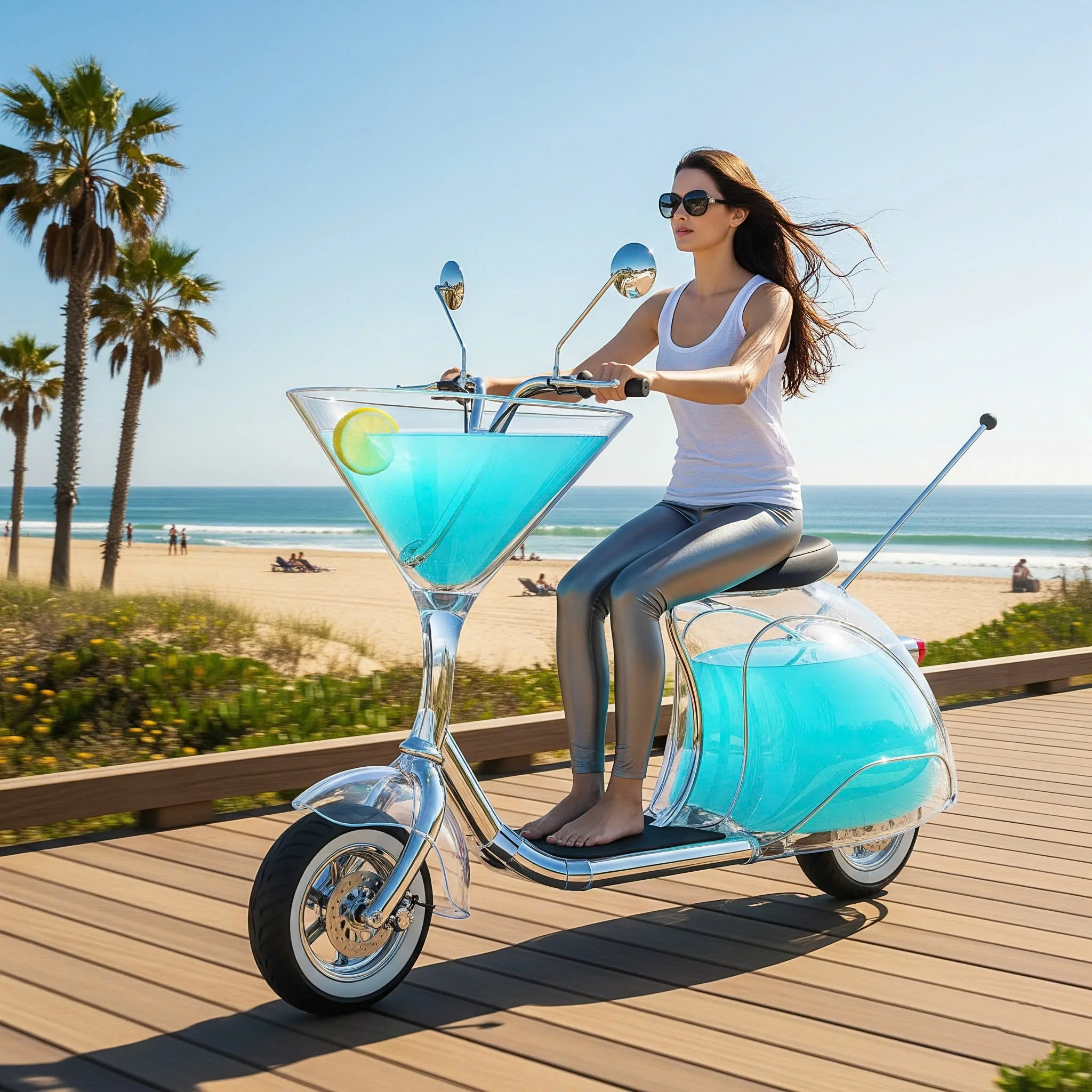
Design, Use, Impact, and Practical Considerations
What Exactly Is a Booze Scooter?
At its core, a booze scooter is a vehicle—most often a stand-up electric scooter or small three-wheeled cart—outfitted with a mobile beverage system. It may be as simple as a drink cooler attached to the frame or as elaborate as a full mini-bar with tap handles, LED lights, music, and signage.
The standard components typically include:
- Coolers or insulated compartments for beer, wine, or mixers
- Keg or mini-keg systems with pressurized taps for draft-style pouring
- Built-in shelving for liquor bottles and cups
- Battery-powered blenders or shakers
- Bluetooth sound systems
- Decorative lighting and flags
- Stabilizers or kickstands to safely serve drinks while stationary
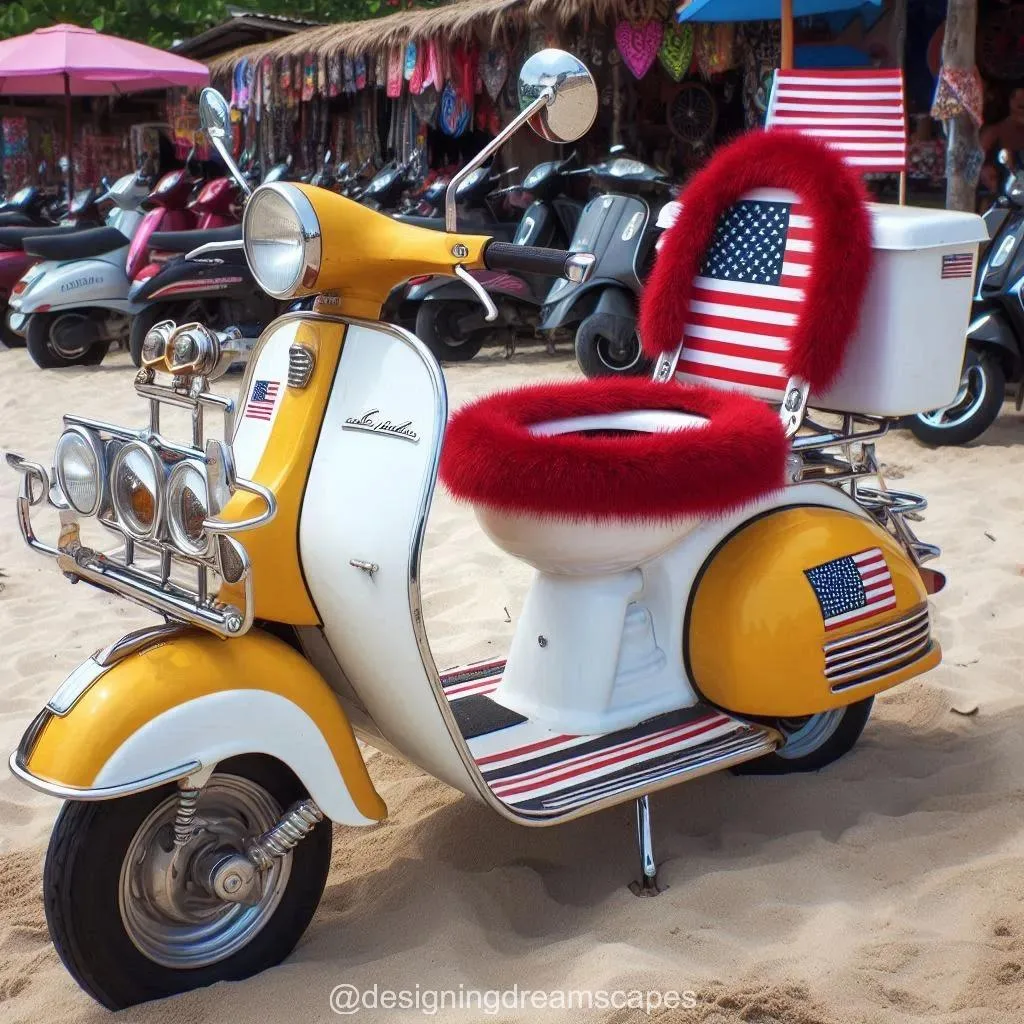
Larger models or commercial versions may feature seating for passengers, fold-out counters, canopies, or even umbrella holders for sunny events. The vibe is somewhere between a food truck and a scooter gang—but with margaritas instead of motor oil.
Where Did Booze Scooters Come From?
The concept of mobile bars isn’t new. Beer bikes and pedal pubs have been popular in cities and tourist towns for years. What makes booze scooters different is their scale, portability, and cheeky appeal. These creations likely emerged from a mixture of Burning Man DIY culture, the rise of e-scooter popularity, and an endless thirst (literally) for novelty.
In the late 2010s, as e-scooters flooded urban landscapes, partygoers and creators began customizing them—not just for commuting, but for fun. Booze scooters popped up at tailgate parties, desert festivals like Burning Man, beachside barbecues, and social media influencer events. Soon, Instagram and TikTok became flooded with videos of friends pouring shots from scooters, and brands took notice.
How Booze Scooters Are Built
There are two primary paths to getting a booze scooter: DIY customization or professionally made commercial units.
DIY Builds
Many booze scooters are DIY passion projects. People take second-hand scooters and creatively modify them with beverage attachments. Popular modifications include:
- Removing the rear deck and replacing it with a drink station
- Attaching a lightweight aluminum or plywood bar structure
- Embedding cooler compartments with drain systems
- Installing tap lines connected to mini-kegs hidden in storage boxes
- Using solar panels to recharge onboard blenders or coolers
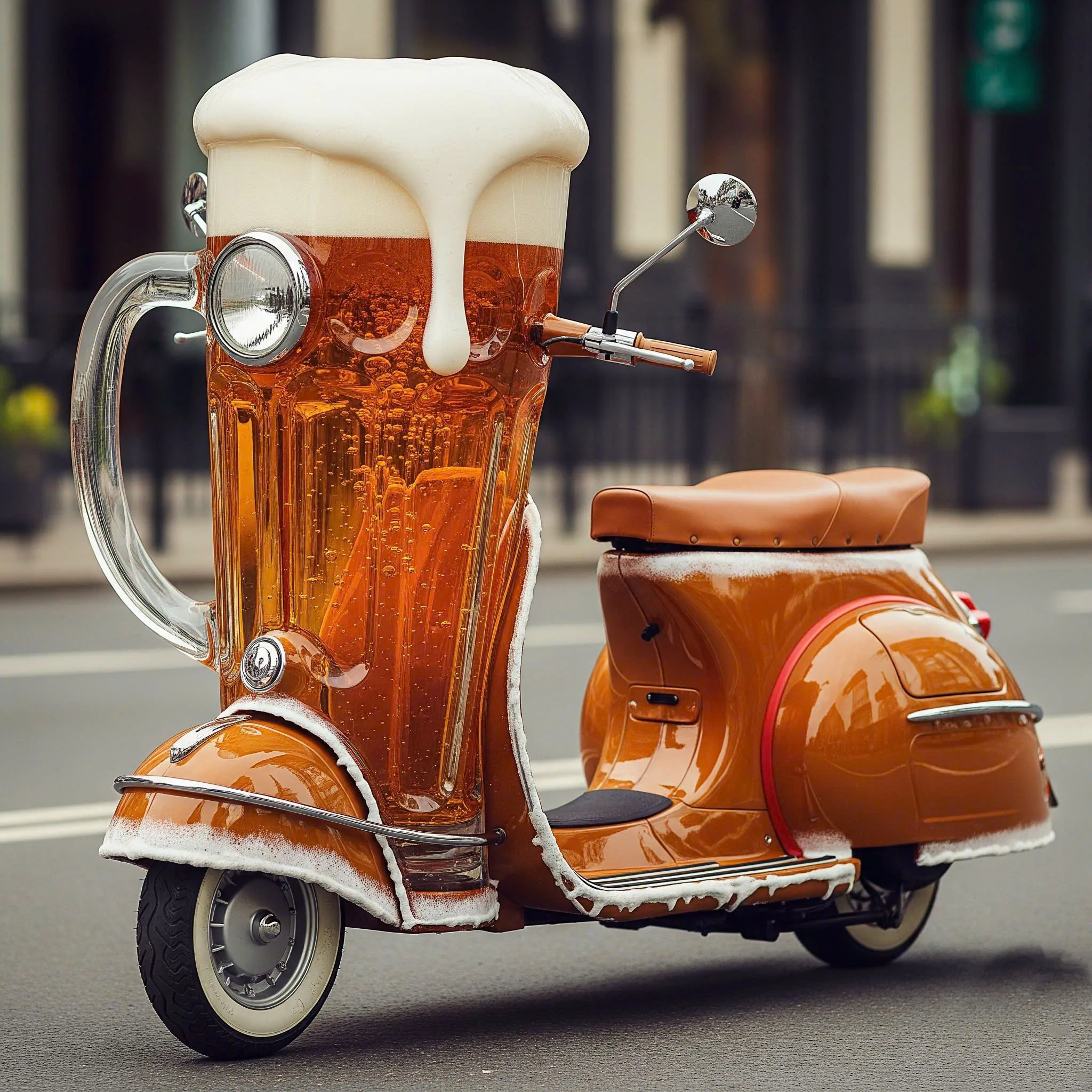
These builds often rely on creativity and available materials rather than high budgets, making them fun projects for hobbyists or event hosts.
Commercial Models
Professional versions are now emerging, aimed at rental businesses, resorts, or corporate parties. These scooters often come with:
- Reinforced aluminum frames
- Locking liquor compartments for security
- Branding opportunities (LED signage, custom paint)
- High-capacity iceboxes
- Modular parts for quick disassembly
Brands in the mobile event and pop-up hospitality space have started offering “booze scooter fleets” for hire, especially in party-centric destinations like Miami, Ibiza, or Bali.
Use Cases and Popularity
Booze scooters are highly versatile, and their appeal spans several audiences and venues:
- Private Parties: Imagine your backyard BBQ or birthday party with a scooter bartender rolling around serving mojitos on demand.
- Festivals: Music festivals, art fairs, and outdoor events love portable fun. Booze scooters offer both service and spectacle.
- Poolside Events: Resorts or beach clubs can use them to create a roaming drink experience without forcing guests to walk to a bar.
- Marketing Events: Booze scooters make excellent attention-grabbers at product launches or branded activations.
- Weddings: Quirky and Instagrammable, some couples are now opting for cocktail scooters instead of traditional bar setups.
They’re especially favored among Millennials and Gen Z partygoers, who seek not just fun but shareable experiences that translate well to social media.
Legal and Safety Concerns
As fun as they are, booze scooters come with a hefty list of concerns that shouldn’t be ignored:
1. Alcohol Licensing
In most jurisdictions, it is illegal to serve or sell alcohol without a license. That applies even if the alcohol is free and served at a private event. Venues or individuals using booze scooters must:
- Check local alcohol laws
- Obtain temporary event permits
- Ensure bartenders (even scooter-based ones) are certified, if required
2. Drinking and Driving
This one’s non-negotiable: driving a scooter while intoxicated is illegal and dangerous. For that reason:
- Booze scooters should either be stationary during service or operated by a sober designated server
- Many events require scooters to be parked in one spot and act more like a pop-up bar than a roaming vehicle
- Some designs remove the throttle entirely, converting the scooter into a pushcart-style bar
3. Safety and Balance
Serving alcohol from a moving scooter poses clear safety issues:
- Spilled liquids can affect traction
- Sharp turns can dislodge bottles or cups
- Sudden movements could injure both riders and guests
Designers often install side stabilizers, wide kickstands, and low centers of gravity to minimize these risks.
Cultural Impact and Branding Opportunities
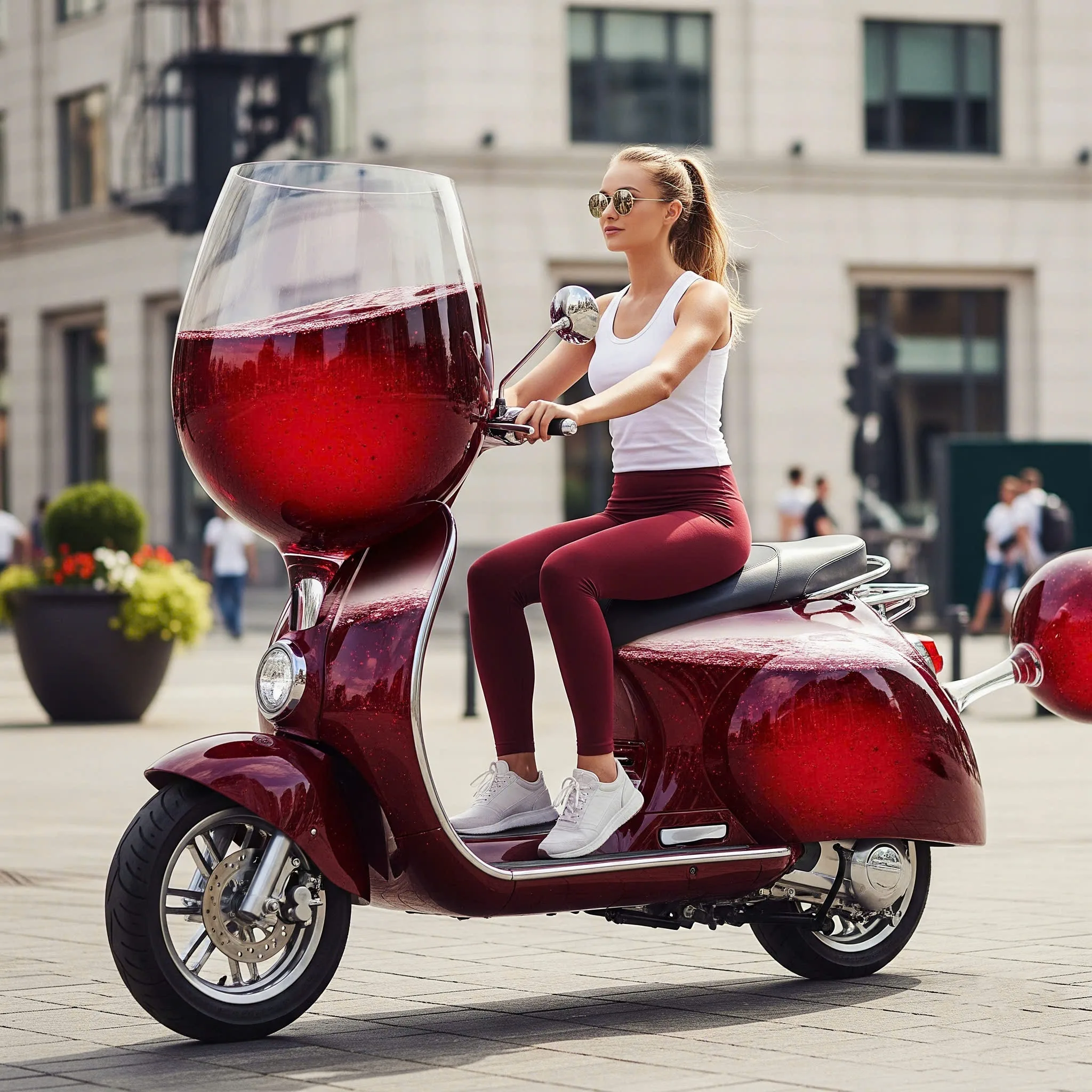
Booze scooters are a natural fit for today’s marketing ecosystem, where viral content drives brand engagement. These scooters often double as mobile billboards, especially for:
- Alcohol brands launching new products
- Travel companies promoting summer destinations
- Fashion or lifestyle brands targeting festival-goers
Custom branding—logos on drink cups, wraps on the scooter, or hashtags on the side—makes these vehicles effective advertising tools.
In the age of TikTok, booze scooters are almost made for virality. Slow-motion shots of slushie cocktails pouring, friends laughing in the sun, or a bartender making a martini on a scooter? That’s visual gold for social media.
Global Trends and Regional Adaptations
While booze scooters have strong traction in Western party cultures, the concept is expanding globally:
- Southeast Asia: Street vendors have begun adapting scooter bars for night markets, especially in Thailand and Vietnam.
- Europe: Booze scooters are appearing at EDM festivals and luxury yacht parties in places like Mykonos and Ibiza.
- Australia: Rooftop venues in Sydney and Melbourne are experimenting with scooter-based prosecco bars.
In colder climates, people have even adapted booze sleds for winter events—snowbound cousins to the booze scooter.
Future Possibilities
As this trend evolves, expect to see more advanced and themed variations:
- AI or app-controlled units for cocktail pre-ordering
- Themed designs, like tiki-bar scooters, retro diner styles, or cyberpunk vibes
- Electric trikes with full-sized espresso martini setups
- Hybrid food + booze carts, offering tacos and tequila on the move
Brands might even integrate NFC payment options or QR-code drink menus to make the experience more interactive.
Drink Responsibly, Ride Creatively
Booze scooters are one of those rare inventions that feel both absurd and completely genius. They’re fun, mobile, functional, and perfect for today’s experience-hungry generation. Whether you see one rolling by at a beach party, pull up to one at a music festival, or rent one for your own backyard bash, you’re almost guaranteed a good time (and a good photo).
But it’s worth remembering that booze scooters are part party machine, part responsibility. With great cocktails comes great caution—especially when wheels are involved. For creators, the challenge is balancing fun with functionality. For consumers, it’s about enjoying the ride (and the drinks) safely.
In the world of pop-up bars, food trucks, and mobile experiences, the booze scooter is carving out its own spirited lane. And as long as there are parties that need shaking up—literally—these pint-sized bar-on-wheels hybrids are here to pour, serve, and cruise their way into our social lives.