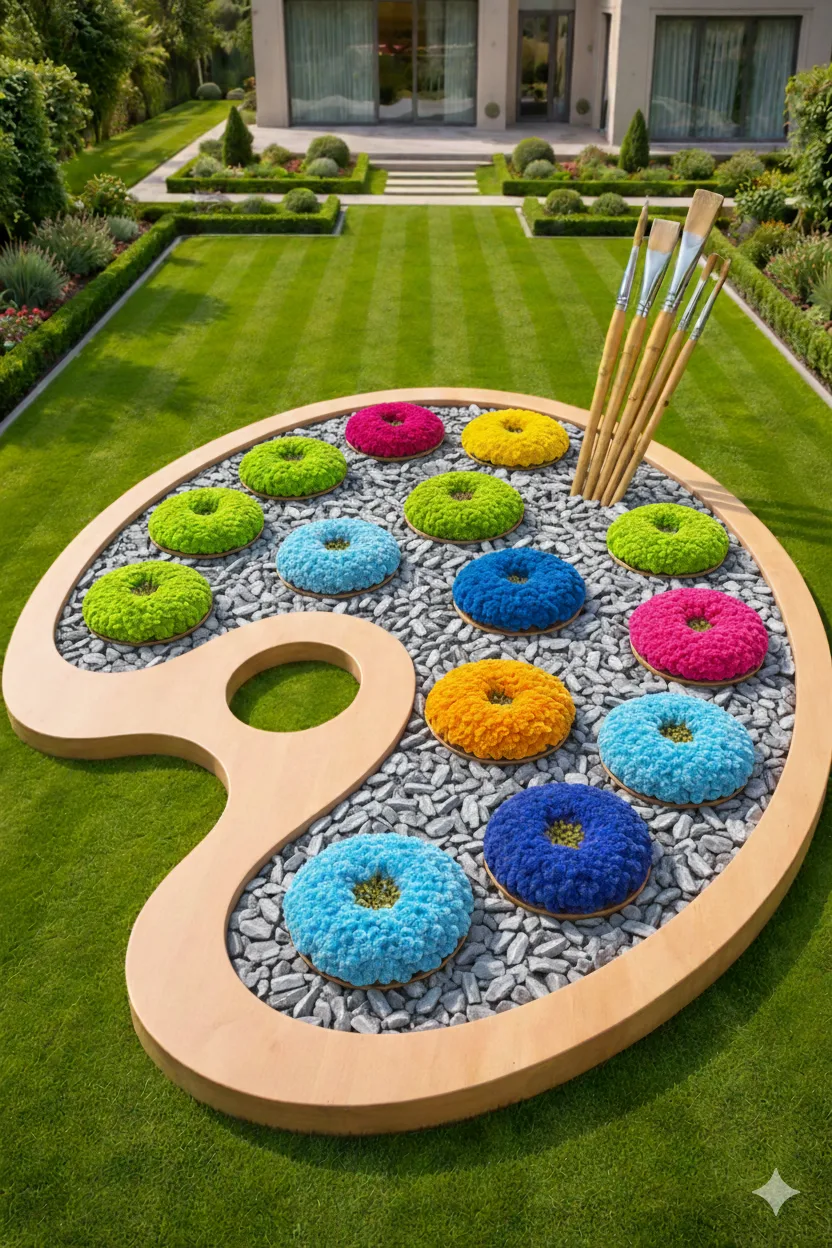
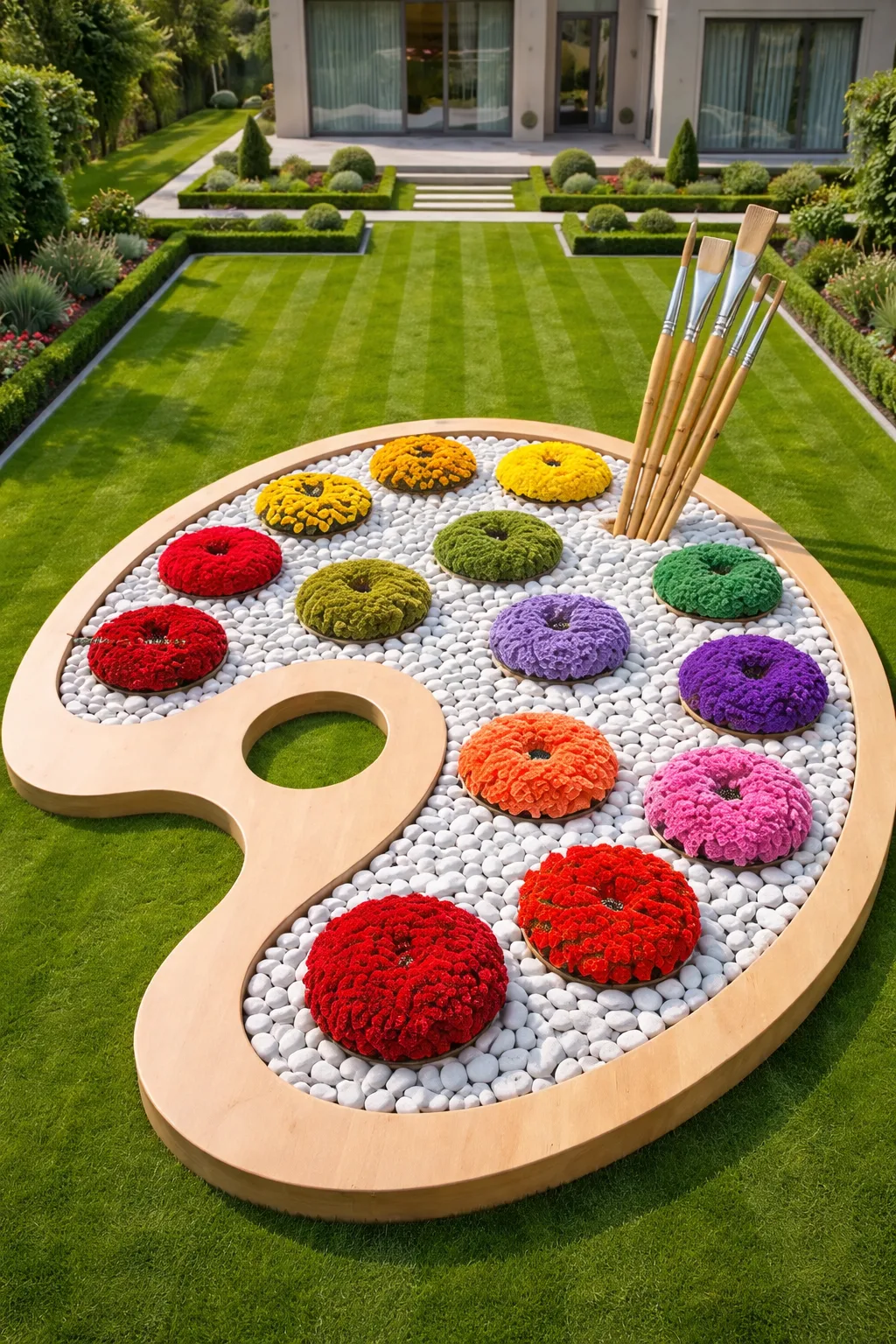
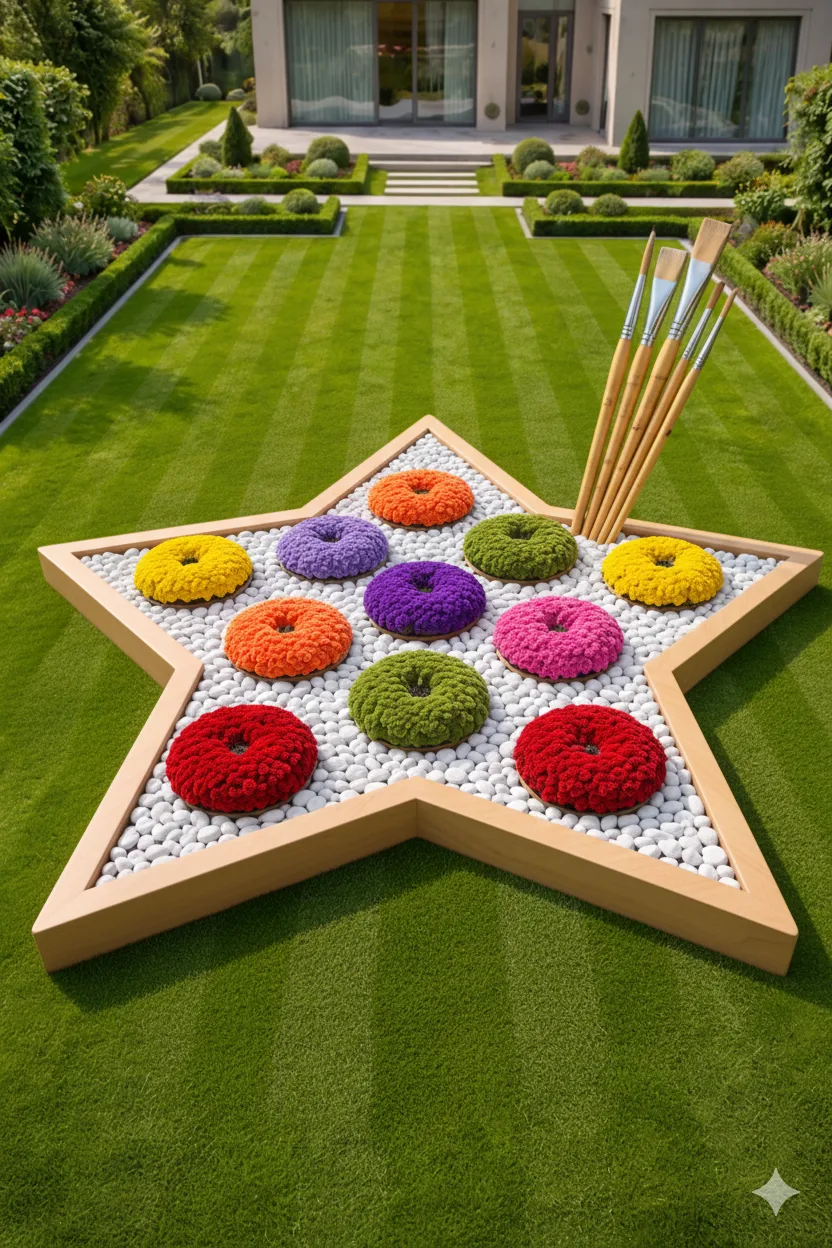
Transform your outdoor space into a vibrant, living masterpiece with an artist palette garden—a creative landscape design that merges the beauty of nature with the vivid colors of an artist’s palette. An artist palette garden is not just a garden; it’s a canvas where colors blend seamlessly, offering inspiration, tranquility, and a touch of artistic flair to your everyday life. Whether you’re a gardening enthusiast, an artist seeking fresh muse, or simply someone looking to add a splash of color to your landscape, understanding how to utilize an artist palette garden can elevate your outdoor aesthetic to new heights.
In this article, we will explore how to design, maintain, and draw inspiration from an artist palette garden, providing practical tips along with creative insights. From choosing the right plants to creating color harmony, you’ll learn how to make a garden that not only looks beautiful but also embodies the spirit of artistic expression.
Contents
Understanding the Concept of an Artist Palette Garden – The Foundation of Artistic Landscapes
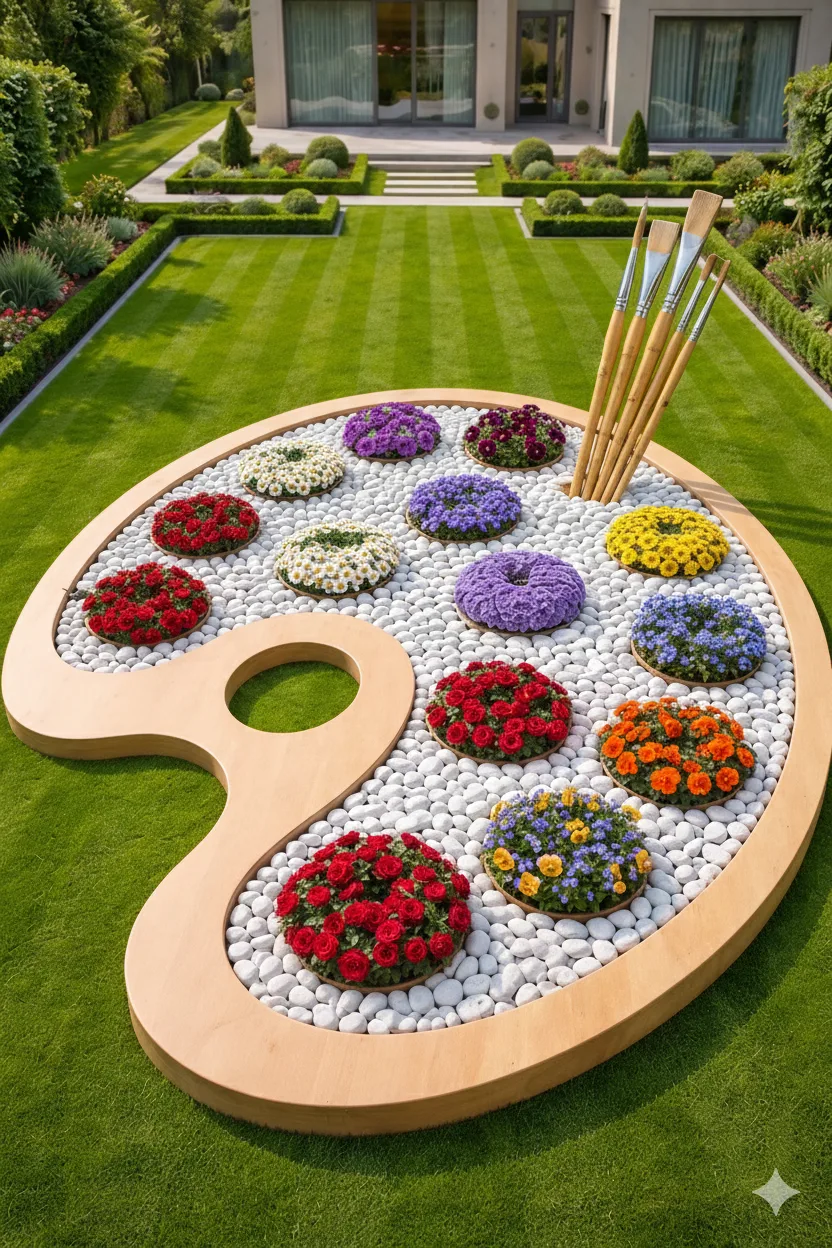
Before diving into design tips, it’s crucial to understand what constitutes an artist palette garden and how it differentiates itself from traditional gardens. At its core, an artist palette garden mimics the visual and emotional impact of a painter’s palette—full of bold colors, textured layers, and harmonious blends. It’s about creating a space that stirs the senses and invites exploration through color, form, and composition.
An artist palette garden is typically characterized by the thoughtful placement of plants that exhibit a rich spectrum of hues, textures, and forms. It’s designed to evoke emotion, tell a story, or highlight a particular color or mood. This garden style is a celebration of creativity, where natural elements are curated to resemble an artist’s mixing palette—each plant like a freshly loaded pigment, ready to blend into new visual combinations.
This concept encourages gardeners to think beyond conventional planting arrangements, aiming instead for a visual narrative that mimics the spontaneity and fluidity of brushstrokes. By understanding the fundamentals of color theory and plant compatibility, you can craft a landscape that feels both spontaneous and deliberately artistic—all anchored by the unifying theme of a vibrant, artist-inspired palette.
The Core Principles of an Artist Palette Garden
The fundamental principles involve the use of color harmony, contrast, and rhythm. A well-designed artist palette garden uses these principles to guide the placement of plants, creating a cohesive yet lively environment. Colors shouldn’t clash but rather complement or accentuate each other, echoing a painter’s nuanced decision-making.
In addition, texture and form play vital roles. Combining soft, flowing foliage with more rigid or spiky textures can create visual interest and depth. Balance must be maintained—too much of one hue or texture can become overwhelming, while thoughtful contrasts build a dynamic and engaging space. Your goal is to evoke the spontaneous yet controlled feel of an artist’s brush, harmonizing wild beauty with deliberate composition.
By studying various color schemes and experimenting with different plant types, you can develop an intuitive sense of how to replicate the abstract beauty of a painter’s canvas. The artist palette garden becomes more than just a collection of plants; it becomes an ever-evolving work of living art.



Choosing the Right Plants for a Palette-Inspired Landscape
Selecting plants that align with your vision of an artist palette garden is essential. Opt for a diverse array of species that bring both vivid color and textural variety. Popular choices include flowering perennials like lavender, coneflowers, and echinacea, which offer bold hues and extend blooming seasons.
Foliage plants such as coleus, caladium, and ornamental grasses contribute diverse textures and colors that mimic the blending seen on artist palettes. Consider the growth habits and flowering times to ensure a continuous flow of visual interest, avoiding gaps or dull patches in your garden masterpiece.
In creating an artist palette garden, it’s also wise to include plants with contrasting but complementary colors—reds with greens, blues with warm yellows—to emulate the blending of pigments. Choosing native plants can make care easier and ensure your garden’s vibrancy lasts through seasons, embodying the lively spirit of an artist’s work.
Designing Your Artistic Landscape – Cultivating the Perfect Canvas
Once you understand the essence of an artist palette garden, the next step is to translate this concept into a well-planned landscape design. The layout, placement, and flow of your garden are crucial for creating an immersive artistic experience. The goal is to craft a space where color gradients and textures seamlessly blend, inviting viewers to explore and discover.
Designing an artist palette garden requires strategic planning to balance visual harmony with lively contrasts. Creating focal points, pathways, and layering techniques can help guide visitors through your artistic landscape, much like leading viewers through a painting. This section will discuss how to plan your layout with an artist’s eye for composition, line, and rhythm.
The foundation of a successful design lies in understanding spatial balance and flow. Curved pathways, focal plant groupings, and layered planting beds can break monotony and foster a sense of movement that mirrors the lively strokes of an artist. Think of your garden as a blank canvas—each plant placement a brushstroke contributing to a larger visual story.
Planning Your Garden Layout with Artistic Intent
Creating an artistic landscape begins with careful planning. Consider the size, shape, and existing features of your space. Sketch out a rough plan that maps where each plant will go, keeping in mind the visual weight and color balance. Think of your layout as a composition where each element has a purpose—whether to draw attention, provide contrast, or create harmony.
Incorporate elements like focal points—perhaps a sculpture, a water feature, or a particularly striking plant—that act as “landing spots” for the eye. These focal points anchor your palette, much like a highlight on a painter’s canvas, guiding the viewer’s gaze and creating a sense of cohesion. Pathways can also serve as visual guides, inviting exploration through your living artwork.
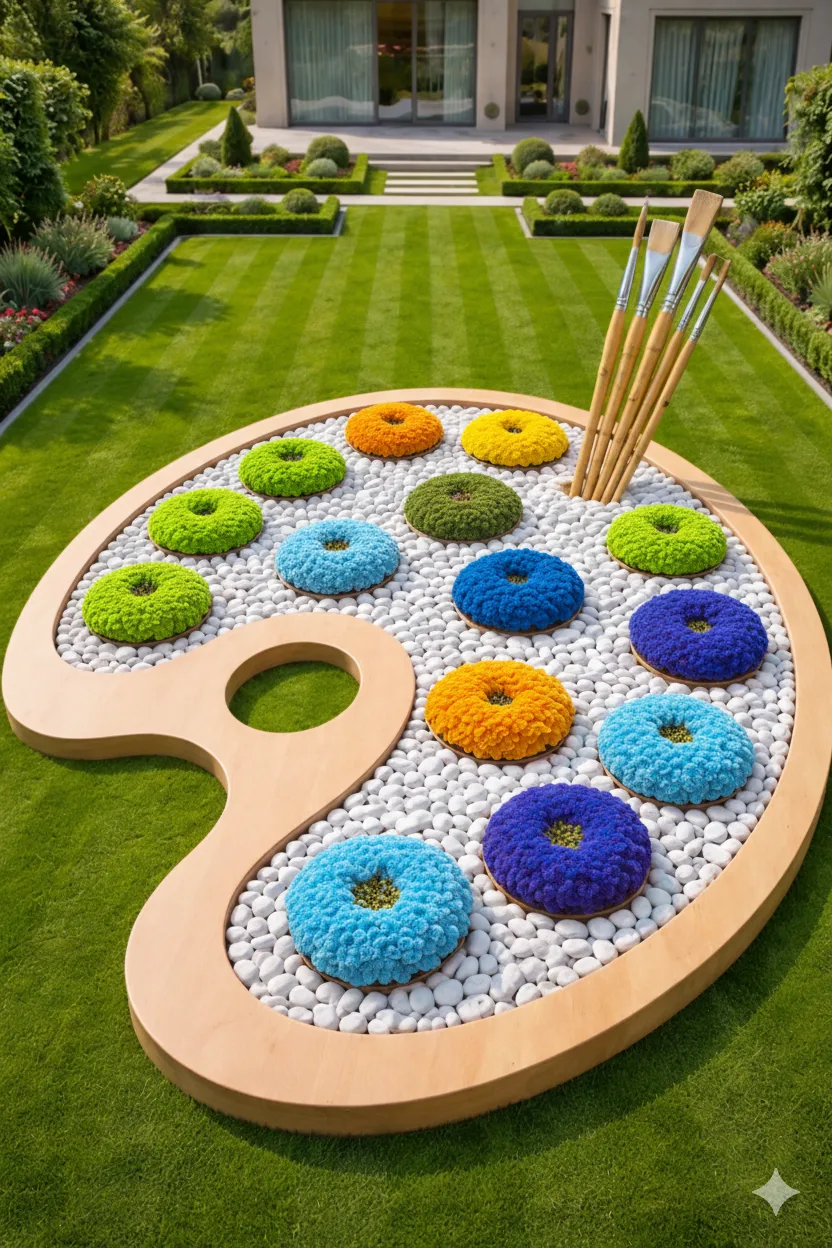
Another critical aspect is layering—placing taller plants at the back and shorter ones in the front to ensure visual accessibility and depth. Strategic use of color gradients and plant textures can further reinforce the impression of an artist’s palette, where colors bleed into one another naturally and intentionally. This thoughtful planning creates a garden that is both beautiful and engaging.
Layering Plants for a Dynamic Artistic Effect
Layering in a garden is akin to building a layered painting—each stroke adds depth and complexity. Begin with your background plants—taller, often flowering species providing a lush, colorful canvas. Mid-height plants can act as transitions, adding texture and breaking up space, while foreground plants should be selected for their bold colors and prominent forms.
This layered approach mimics the way an artist builds depth and dimension in a painting, creating a sense of movement and rhythm. When plants are carefully selected and positioned, they seamlessly blend into a vibrant, cohesive whole. The contrast in textures—such as spikey succulents with soft, feathery ferns—can further enhance this effect.
Experimentation is key; don’t be afraid to combine unexpected color combinations or plant textures. Doing so allows your “””artist palette garden””” to evolve organically, showcasing your personal artistic touch. Consistent observation and adjustment will help you refine the composition over time, transforming your outdoor space into a living masterpiece.
Incorporating Artistic Elements and Features
Enhancing your artist palette garden with artistic features can elevate its visual impact. Think beyond plants—add sculptures, painted pots, or abstract architectural elements that echo the themes of color, contrast, and movement. These features act as painterly strokes that complement your greenery.
Using artistic elements strategically can also help create focal points and guide movement through the space. For example, a brightly colored sculpture nestled among contrasting foliage or a mosaic pathway can serve as an eye-catching detail, much like an artist’s signature. Consider how these features can harmonize with your plant choices to reinforce your garden’s theme.
Light is another vital artistic element. Incorporate strategic lighting to highlight key plants or features at night, creating dramatic shadows and emphasizing color contrasts in the evening hours. This interplay of light and shadow mirrors the nuances of painting and enriches the sensory experience of your artist palette garden.
Maintaining and Evolving Your Artistic Garden – Nurturing the Living Canvas
An artist palette garden is dynamic, constantly evolving with the seasons and your personal touch. Maintenance involves more than watering and pruning; it’s about nurturing a living artwork that responds to natural growth patterns, weather, and your creative vision.
Regular care ensures your color palette remains vibrant and models the spontaneity and freshness of an artist’s work. Deadheading spent blooms, pruning to encourage new growth, and dividing overgrown plants are essential tasks. This ongoing process keeps the artwork lively, preventing it from becoming static or overwhelming.
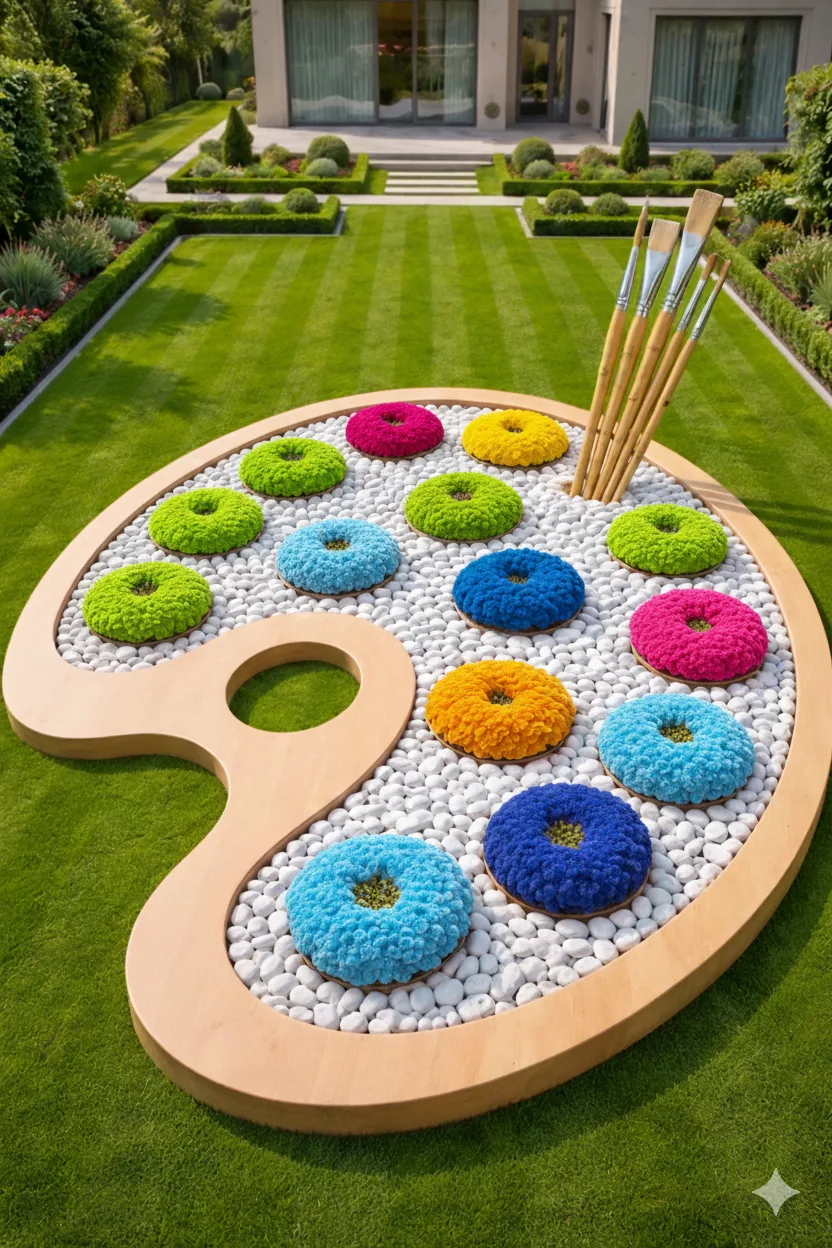
Equally important is observing your garden’s flow and making adjustments as your garden matures. You may find certain color combinations need more emphasis, or some textures could be brought to the forefront to enhance visual interest. Regular pruning and replanting allow you to refine and reinterpret your artistic landscape, much like an artist revisiting their canvas.
Seasonal Changes and Artistic Expression
Every season offers an opportunity for artistic reinterpretation. Spring often blossoms into a palette of pastels and fresh greens, perfect for starting anew. Summer brings bold, saturated colors that energize the space, while autumn provides warm hues that add depth and nostalgia.
In winter, focus on structural plants with interesting forms—evergreens, berry-producing shrubs, or ornamental grasses—that maintain visual interest when colors fade. Use this seasonal variation to mimic an artist’s evolving palette, embracing change as part of your garden’s artistic narrative.
Understanding how different plants respond to seasonal shifts can inform your planting decisions and maintenance routines. This awareness allows you to craft a artist palette garden that remains engaging year-round, constantly shifting and inspiring. It’s about embracing the natural rhythms and letting your garden evolve like a master piece in progress.
Encouraging Personal Artistic Engagement in Garden Care
Nurturing your artist palette garden should be as much a creative process as designing it. Experiment with new plant combinations, introduce unexpected color accents, or incorporate artistic features that express your unique style. Engage with your garden in a way that invigorates your creative spirit.
Keep a garden journal to track what works best and to record seasonal changes. This reflective practice can inspire new ideas and solutions, just as an artist sketches thumbnails before completing a masterpiece. Your garden becomes a sandbox for experimentation and personal expression.
Finally, share your artistic outdoor space with others—host garden tours or create photo journals. Doing so not only celebrates your work but also fuels your enthusiasm and encourages continuous growth. Your artist palette garden is ultimately a living testament to your creativity and artistic journey.
An artist palette garden is a captivating fusion of natural beauty and artistic expression, creating a dynamic and inspiring outdoor environment. From understanding the foundational principles of color and texture to meticulous planning, layering, and creative embellishments, this garden style offers endless opportunities for personal and artistic growth. Maintaining and evolving the space with seasonal changes and personal touches ensures it remains a living, breathing masterpiece that continually captivates. Embracing the artistic process in garden design transforms traditional landscapes into vibrant, living works of art—inviting both the gardener and visitors to experience the pure joy of creation through nature’s palette.