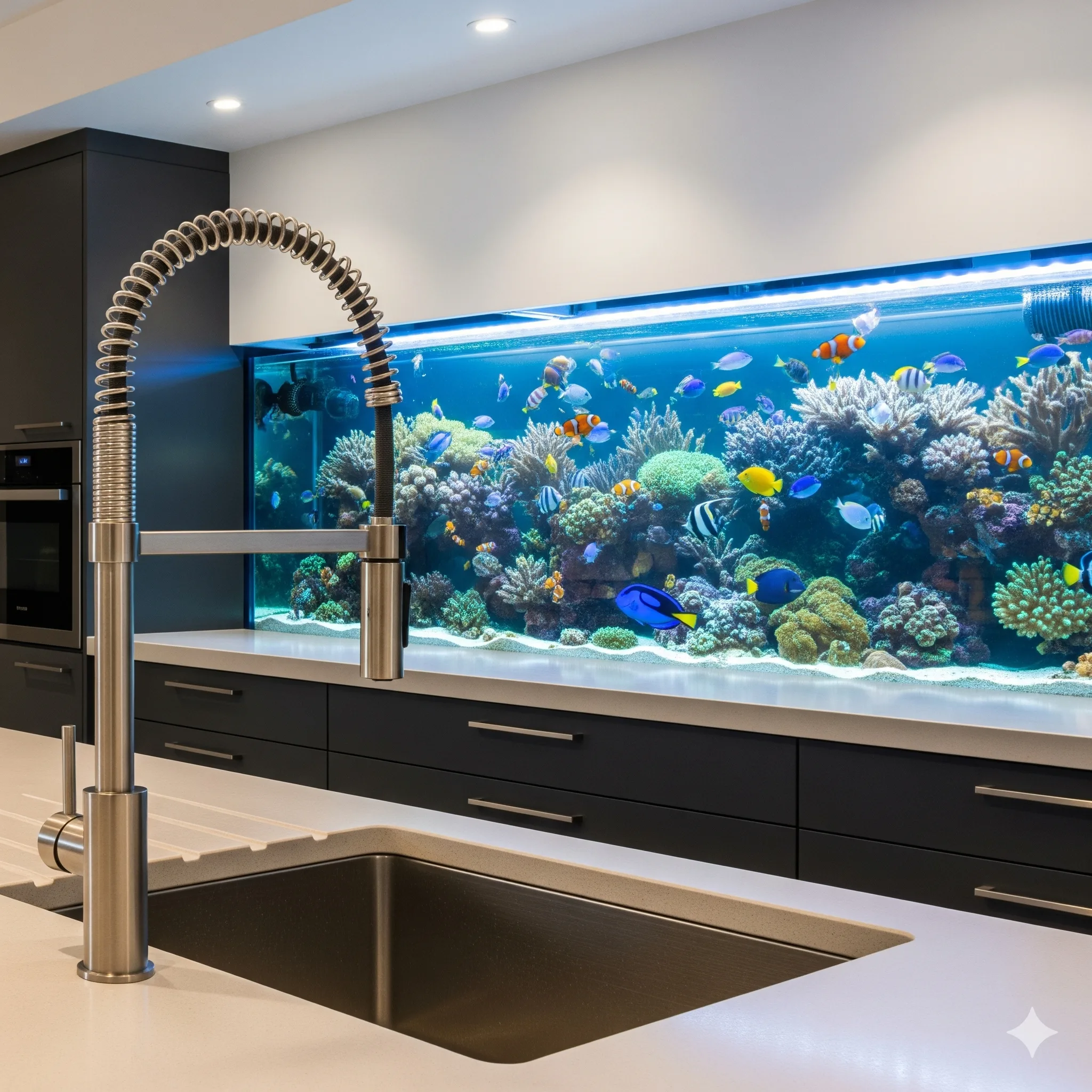
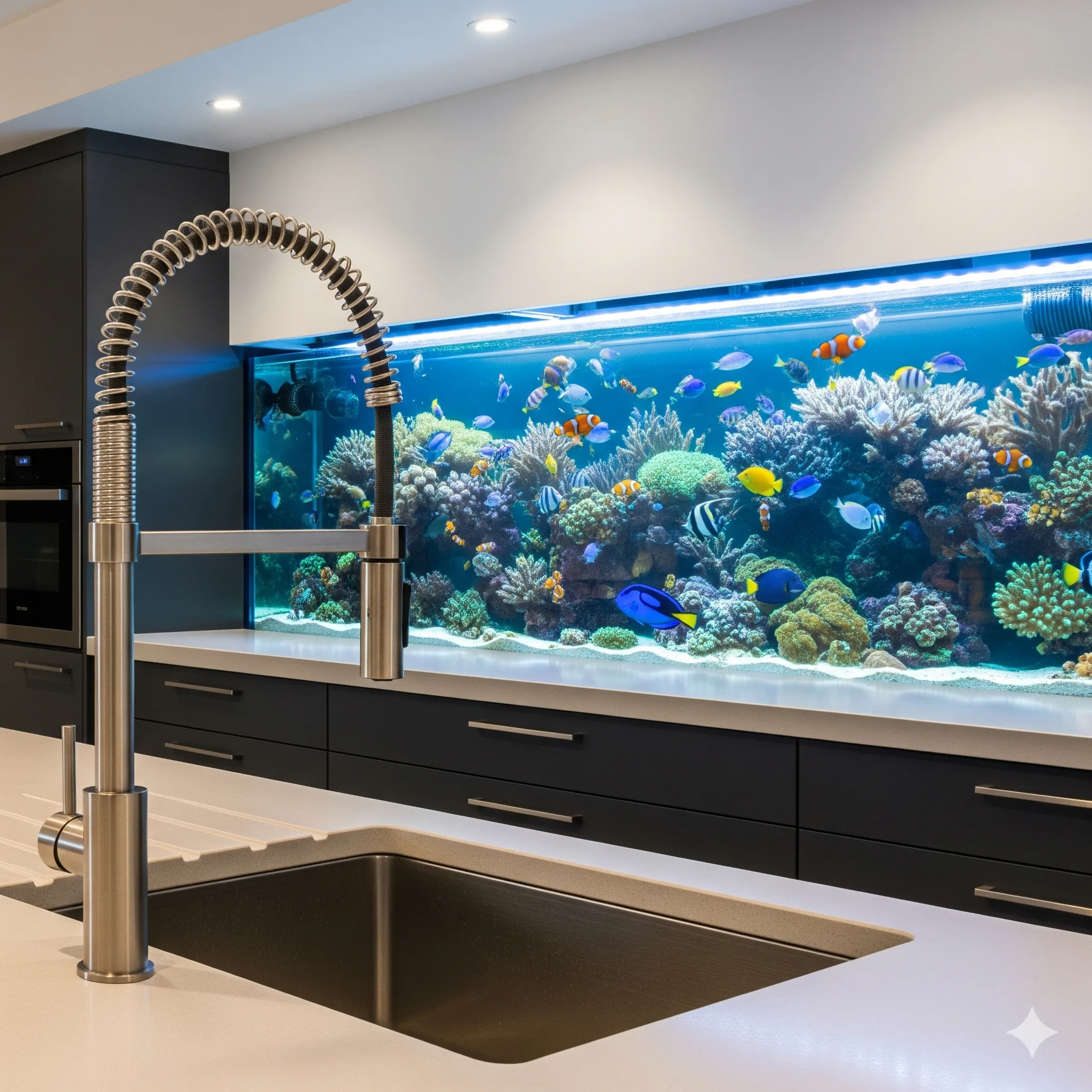
Creating a stunning aquarium setup involves more than just selecting the right fish and equipment. An often overlooked element that can dramatically enhance the visual appeal of your aquatic paradise is the aquarium backsplash. This feature not only adds depth and style but also serves functional purposes, such as protecting the back wall and hiding unsightly equipment. In this article, we’ll explore how to effectively incorporate an aquarium backsplash into your design, compare various types, and offer expert tips for selecting the ideal one for your space.
The aquarium backsplash is a versatile component that can elevate your tank’s aesthetic while providing practical benefits. Whether you’re aiming for a natural reef look or a sleek modern design, understanding how to use and choose the right backsplash can make all the difference.
Contents
- 1 Understanding the Role and Benefits of an Aquarium Backsplash
- 2 Popular Types of Aquarium Backsplash Materials and Their Comparisons
- 3 Design Tips and Practical Advice for Installing an Aquarium Backsplash
- 4 Importance of an Aquarium Backsplash
- 5 Popular Types of Aquarium Backsplash Materials and Their Comparisons
- 6 Design Tips and Practical Advice for Installing an Aquarium Backsplash
Understanding the Role and Benefits of an Aquarium Backsplash
Before diving into design options, it’s important to recognize why an aquarium backsplash is a valuable addition to any aquatic setup. It’s more than just decorative—this feature offers core functional advantages that contribute to the longevity and appearance of your tank.
Adding an aquarium backsplash helps to create a cohesive aesthetic, preventing visual clutter at the back of the tank. It also helps to protect the tank’s walls from salt spray, algae buildup, and accidental bumps. Financially, a well-chosen backsplash can prevent the need for frequent cleaning or repairs, saving you time and money in the long run.
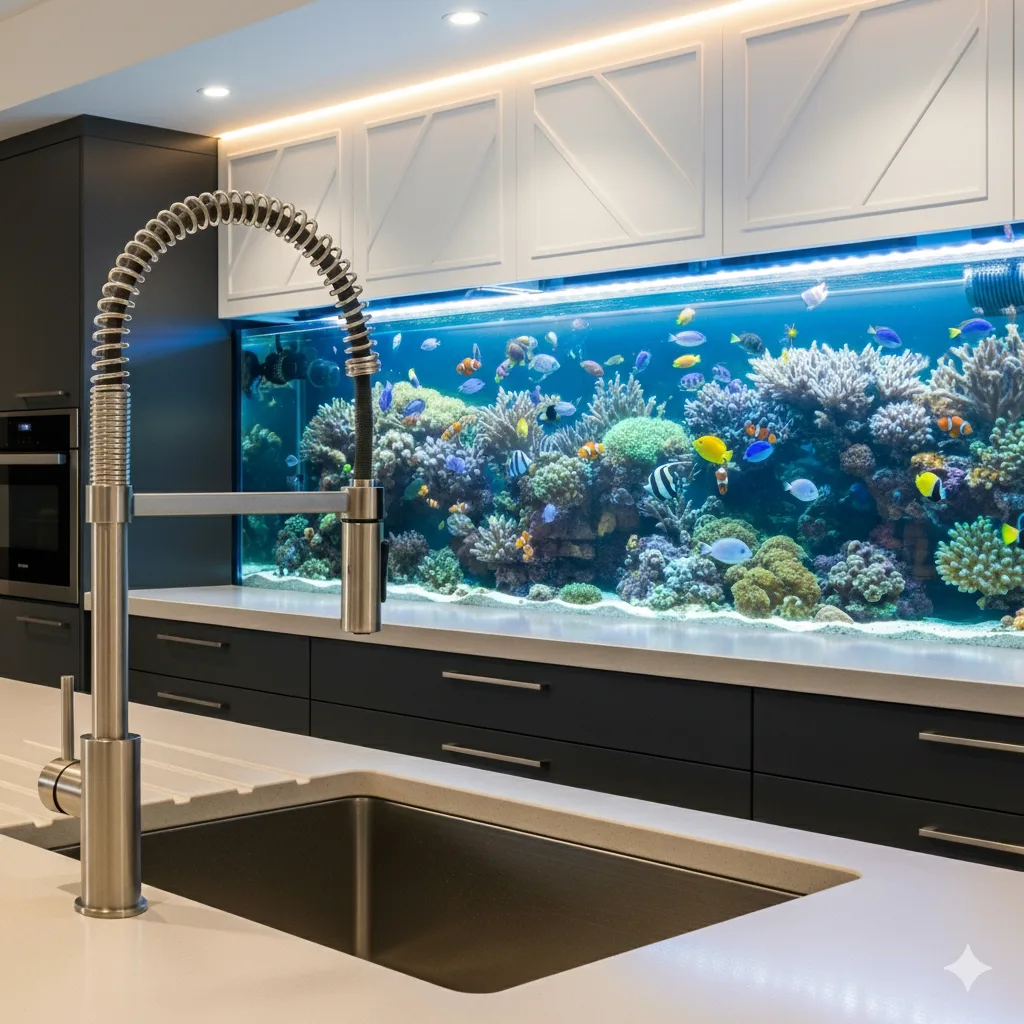
Additionally, the right material can serve as a reflective surface that amplifies lighting, making your aquatic environment look more vibrant. It can also incorporate themed imagery or textures that complement your overall decor.
Visual Enhancement and Customization
A customized backsplash allows you to infuse personality and style into your aquarium. Whether opting for a natural stone look, vibrant colors, or thematic designs like coral reefs or underwater landscapes, your choice reflects your personal taste. This visual enhancement can make your tank a focal point in any room.
Protection and Durability
Durability is crucial since the back of an aquarium is often exposed to moisture, salt, and accidental impacts. A high-quality backsplash material protects the tank walls and minimizes maintenance issues caused by algae or salt deposits. Investing in a resilient backsplash can extend the lifespan of your aquarium.
Practical Advantages
Beyond aesthetics, the backsplash hides electrical cords, filter intakes, and plumbing, creating a tidy and professional appearance. It also makes cleaning easier by reducing surfaces where algae and grime can accumulate, ensuring a cleaner environment for your aquatic life.
Popular Types of Aquarium Backsplash Materials and Their Comparisons




Choosing the right aquarium backsplash material depends on your budget, style preference, and maintenance expectations. Each material has its unique qualities, pros, and cons, which are important to consider when designing your ideal setup.
Understanding the options available can help you make an informed decision that aligns with your goals for both look and durability.
Glass and Acrylic Backsplashes
Glass and acrylic are among the most popular choices for aquarium backsplashes because of their clarity and sleek look. They can be customized in various colors, patterns, or even printed images to match your theme.
Glass is highly scratch-resistant and provides a smooth, professional appearance, making it suitable for both freshwater and saltwater aquariums. Acrylic, on the other hand, is lightweight and less prone to shattering, which is advantageous for DIY projects or heavily trafficked areas.
Both materials are easy to clean and maintain, though acrylic may scratch more easily if not handled carefully. They are excellent options for aquarium owners who want a modern, minimalist aesthetic with minimal visual disturbance.
Ceramic and Tile Backsplashes
Ceramic or tile backsplashes provide a more textured, tactile aesthetic that can resemble natural environments, such as stones and mosaics. These materials are highly customizable and come in myriad colors, sizes, and patterns.
Their durability makes them resistant to moisture and salt, ideal for long-term installation. They also allow for creative designs, like incorporating small pebbles or themed motifs embedded within the tiles, giving a handcrafted feel.
However, installation can be labor-intensive and may require professional help to ensure proper sealing and waterproofing. Cleaning tile grout can also be a challenge, especially in algae-prone areas.
Vinyl and Decal Backdrops
Flexible and budget-friendly, vinyl or decal backdrops are lightweight options that are easy to install and change. They come in a wide range of images—from realistic underwater scenes to abstract colors—making them a versatile choice.
While not as durable as glass or tile, vinyl backdrops are excellent for temporary updates or trial designs. They are easy to wipe down and maintain but may discolor over time or peel if not applied correctly.
This type is ideal for beginners who want quick aesthetics without major modifications to their tank or wall setup.
Design Tips and Practical Advice for Installing an Aquarium Backsplash
Incorporating an aquarium backsplash involves more than just selecting a material; thoughtful planning and installation techniques are essential to maximize its benefits.
Start by assessing the space behind your tank, considering factors like lighting, the overall decor, and ease of access for cleaning and maintenance. Once you have a clear idea, selecting the right material and design can be more straightforward.
Proper installation ensures longevity and prevents leaks or damage. Whether you’re doing a DIY project or hiring a professional, attention to detail makes all the difference.
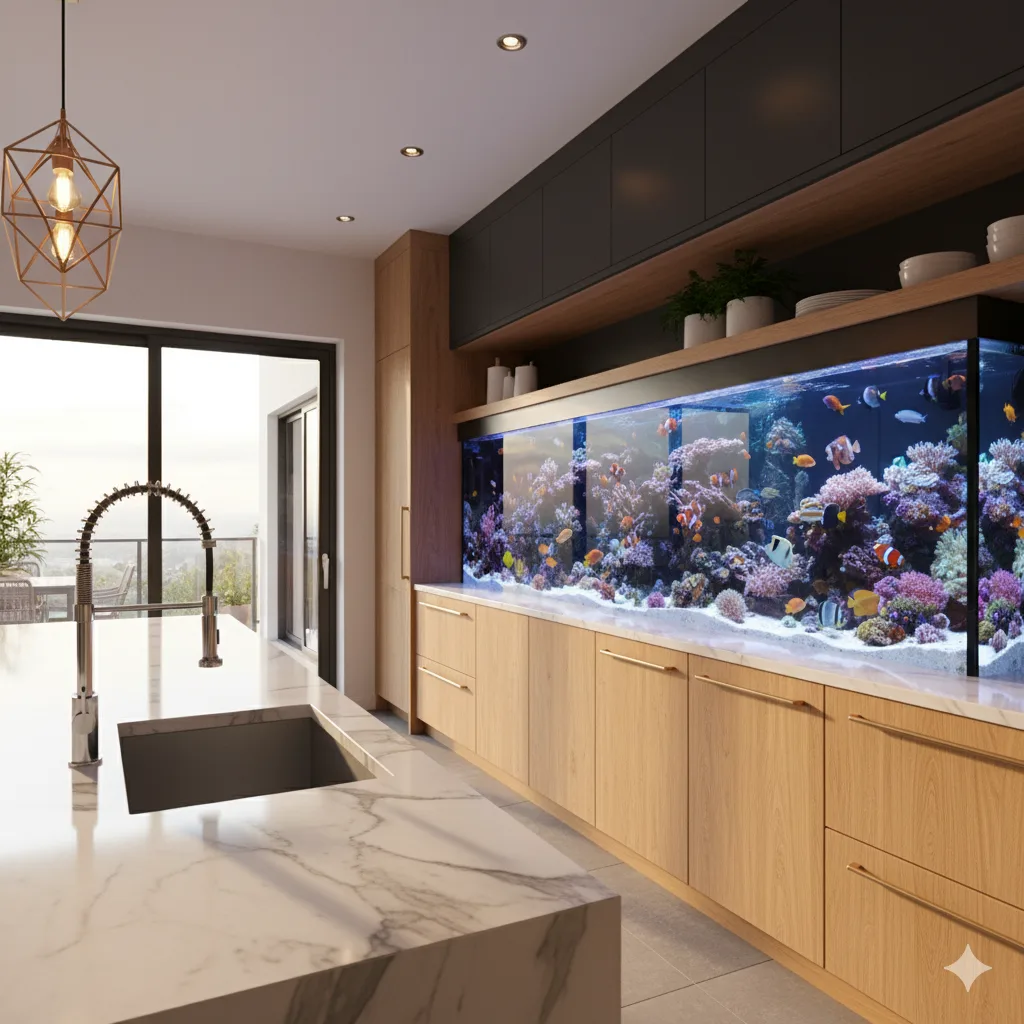
Creative Inspiration and Theme Integration
Choosing a backsplash that complements your overall theme can transform your aquarium into a true work of art. For example, a natural stone look can evoke a tropical reef, while sleek glass with metallic accents suits a modern, minimalist style.
Incorporate themes that reflect your personal interests or existing decor—like marine life illustrations, abstract patterns, or textured designs resembling water currents. These details can add layers of visual intrigue, making your tank a showcase piece.
Overlay lighting can amplify these effects, especially with reflective or transparent materials. Properly lit backsplashes can create captivating underwater illusions that change with the room’s ambient light.
Installation Best Practices and Maintenance Tips
Excellent installation begins with accurate measurements and preparation. Ensure the backing surface is clean, dry, and smooth before applying or mounting the material. For glass or acrylic, using waterproof adhesive or mounting clips is recommended.
Cleaning your aquarium backsplash regularly helps maintain its appearance and prevents algae buildup. Use non-abrasive cleaners suitable for the material—glass cleaners for acrylic and glass, mild soap and water for tiles. Avoid harsh chemicals that could damage the surface or leach into the tank.
Finally, consider future updates—selecting removable or changeable backdrops can save time and allow you to refresh your aquarium’s look without major overhaul. This versatility is key for keeping your aquatic environment fresh and engaging over time.
The aquarium backsplash is an essential design element that combines style, functionality, and protection, enhancing both the aesthetic appeal and longevity of your aquarium. With many options available—from glass and acrylic to tiles and vinyl—you can tailor your choice to fit your theme, budget, and maintenance preferences. Thoughtful planning, precise installation, and ongoing maintenance will ensure your backsplash remains a beautiful and practical feature that transforms your aquatic space into a captivating underwater paradise.
Importance of an Aquarium Backsplash
An aquarium backsplash is not just a decorative accent; it serves several functional purposes that are vital for the health of your aquatic ecosystem and the overall aesthetics of your tank setup. Understanding these benefits can aid in maximizing the lifespan of your aquarium.
Protective Barrier
One of the primary roles of an aquarium backsplash is to act as a protective barrier for the wall behind the tank. Aquatic setups can be messy, with water splashes, condensation, and humidity affecting the wall surface over time. Without a backsplash, wood and drywall can suffer from warping or mold growth due to the constant exposure to moisture.
In addition to protecting the wall, a backsplash also preserves the integrity of your aquarium equipment. The area behind the tank often hosts cables, tubing, and filters that can be susceptible to water exposure. A backsplash minimizes the risk of equipment damage, ensuring your aquarium functions optimally.
Additionally, the backsplash can help control humidity levels in the surrounding area, preventing damage to paint, wallpaper, or other wall finishes. An effective backsplash is crucial for maintaining a clean, dry, and safe environment both for your aquarium and your home.
Visual Appeal
The impact of an aquarium backsplash extends beyond functional purposes; it significantly enhances the visual appeal of your setup. It serves as a backdrop that can complement the aquatic life, decorations, and substrate inside the tank, creating a cohesive look in your aquatic environment.
By choosing a backsplash material and design that harmonizes with the colors and themes of your aquarium, you can create a visually stunning focal point. For instance, a vibrant underwater mural can accentuate a reef setup, while a minimalist glass backsplash may suit a modern, sleek aquarium.
Moreover, when light interacts with the backsplash, it can create mesmerizing reflections and shadows that change throughout the day. This dynamic visual experience not only captivates viewers but also brings an additional dimension to your aquarium realm, enriching the overall ambiance of your living space.
Improved Maintenance
One often-overlooked benefit of an aquarium backsplash is that it makes maintenance more manageable. With appropriate material choices, cleaning becomes easier, and you have fewer surfaces where unwanted growth or grime can accumulate.
When selecting a backsplash material, consider how easy it will be to clean. Smooth surfaces like glass or acrylic require minimal effort to wipe down, while textured materials such as tile may necessitate more scrubbing, especially in grout lines.
Regular maintenance routines can reduce algae growth and other contaminants that might affect the tank’s environment. A clean, well-kept backsplash ensures that your aquarium remains both visually appealing and healthy, as it reduces potential issues associated with water splashes and humidity.
Popular Types of Aquarium Backsplash Materials and Their Comparisons
Choosing the right aquarium backsplash material depends on your budget, style preference, and maintenance expectations. Each material has its unique qualities, pros, and cons, which are important to consider when designing your ideal setup.
Understanding the options available can help you make an informed decision that aligns with your goals for both look and durability.
Glass and Acrylic Backsplashes
Glass and acrylic are among the most popular choices for aquarium backsplashes because of their clarity and sleek look. They can be customized in various colors, patterns, or even printed images to match your theme.
Glass is highly scratch-resistant and provides a smooth, professional appearance, making it suitable for both freshwater and saltwater aquariums. Acrylic, on the other hand, is lightweight and less prone to shattering, which is advantageous for DIY projects or heavily trafficked areas.
Both materials are easy to clean and maintain, though acrylic may scratch more easily if not handled carefully. They are excellent options for aquarium owners who want a modern, minimalist aesthetic with minimal visual disturbance.
Ceramic and Tile Backsplashes
Ceramic or tile backsplashes provide a more textured, tactile aesthetic that can resemble natural environments, such as stones and mosaics. These materials are highly customizable and come in myriad colors, sizes, and patterns.
Their durability makes them resistant to moisture and salt, ideal for long-term installation. They also allow for creative designs, like incorporating small pebbles or themed motifs embedded within the tiles, giving a handcrafted feel.
However, installation can be labor-intensive and may require professional help to ensure proper sealing and waterproofing. Cleaning tile grout can also be a challenge, especially in algae-prone areas.
Vinyl and Decal Backdrops
Flexible and budget-friendly, vinyl or decal backdrops are lightweight options that are easy to install and change. They come in a wide range of images—from realistic underwater scenes to abstract colors—making them a versatile choice.
While not as durable as glass or tile, vinyl backdrops are excellent for temporary updates or trial designs. They are easy to wipe down and maintain but may discolor over time or peel if not applied correctly.
This type is ideal for beginners who want quick aesthetics without major modifications to their tank or wall setup.
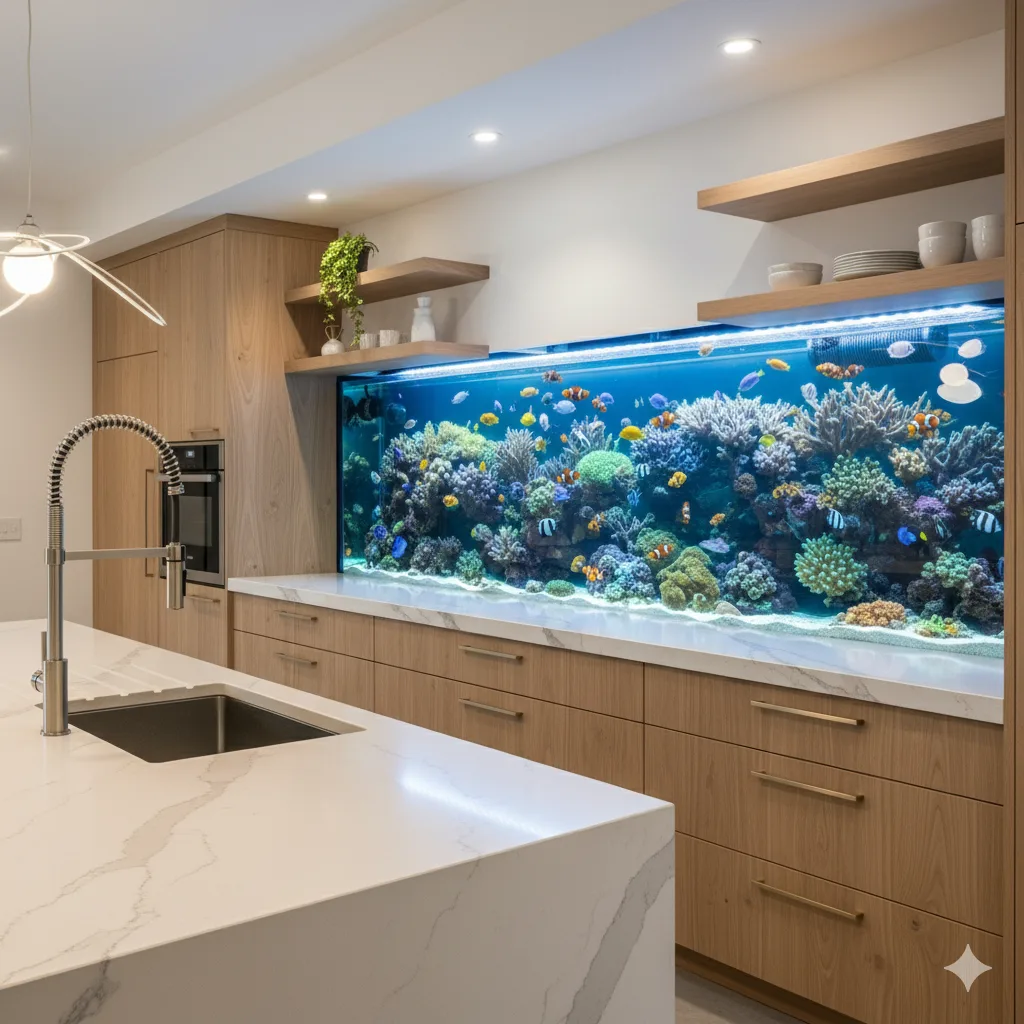
Design Tips and Practical Advice for Installing an Aquarium Backsplash
Incorporating an aquarium backsplash involves more than just selecting a material; thoughtful planning and installation techniques are essential to maximize its benefits.
Start by assessing the space behind your tank, considering factors like lighting, the overall decor, and ease of access for cleaning and maintenance. Once you have a clear idea, selecting the right material and design can be more straightforward.
Proper installation ensures longevity and prevents leaks or damage. Whether you’re doing a DIY project or hiring a professional, attention to detail makes all the difference.
Creative Inspiration and Theme Integration
Choosing a backsplash that complements your overall theme can transform your aquarium into a true work of art. For example, a natural stone look can evoke a tropical reef, while sleek glass with metallic accents suits a modern, minimalist style.
Incorporate themes that reflect your personal interests or existing decor—like marine life illustrations, abstract patterns, or textured designs resembling water currents. These details can add layers of visual intrigue, making your tank a showcase piece.
Overlay lighting can amplify these effects, especially with reflective or transparent materials. Properly lit backsplashes can create captivating underwater illusions that change with the room’s ambient light.
Installation Best Practices and Maintenance Tips
Excellent installation begins with accurate measurements and preparation. Ensure the backing surface is clean, dry, and smooth before applying or mounting the material. For glass or acrylic, using waterproof adhesive or mounting clips is recommended.
Cleaning your aquarium backsplash regularly helps maintain its appearance and prevents algae buildup. Use non-abrasive cleaners suitable for the material—glass cleaners for acrylic and glass, mild soap and water for tiles. Avoid harsh chemicals that could damage the surface or leach into the tank.
Finally, consider future updates—selecting removable or changeable backdrops can save time and allow you to refresh your aquarium’s look without major overhaul. This versatility is key for keeping your aquatic environment fresh and engaging over time.
The aquarium backsplash is an essential design element that combines style, functionality, and protection, enhancing both the aesthetic appeal and longevity of your aquarium. With many options available—from glass and acrylic to tiles and vinyl—you can tailor your choice to fit your theme, budget, and maintenance preferences. Thoughtful planning, precise installation, and ongoing maintenance will ensure your backsplash remains a beautiful and practical feature that transforms your aquatic space into a captivating underwater paradise.