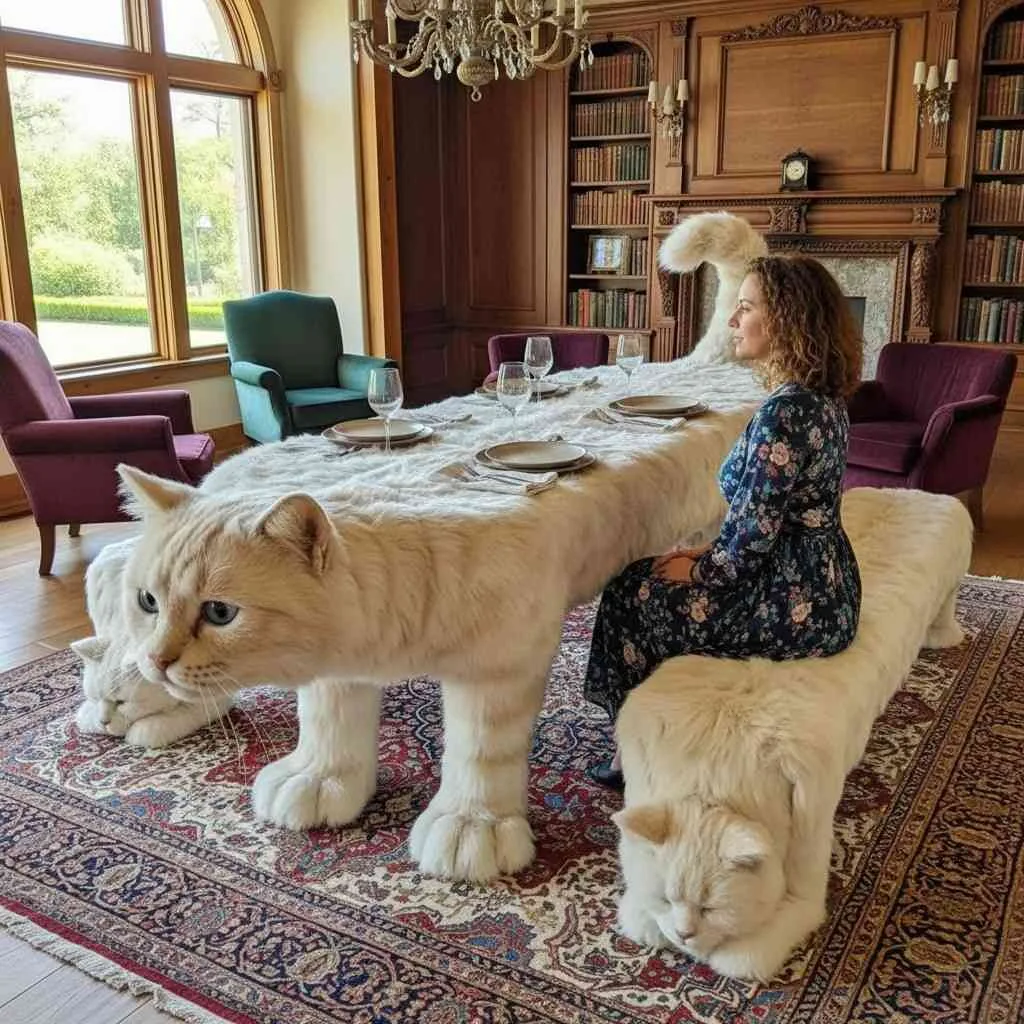

A cat dining table isn’t just a piece of furniture—it’s a thoughtful addition that enhances both your home’s aesthetic and your pet’s comfort. Whether you’re creating a dedicated space for your feline friend or looking for a multi-purpose table that suits your lifestyle, understanding how to optimize a cat dining table can make a world of difference. In this guide, we’ll explore how to choose, use, and evaluate cat dining tables to ensure your pet’s happiness and your decor’s integrity.
The term cat dining table refers to a specially designed piece of furniture that serves as a dining area for your cat, often combining style with practicality.
Contents
How to Choose the Right Cat Dining Table: Features and Considerations
Choosing the perfect cat dining table requires understanding the various features that align with your cat’s needs and your home environment. This section discusses essential considerations, including size, material, design, and functionality, to help you make an informed decision.
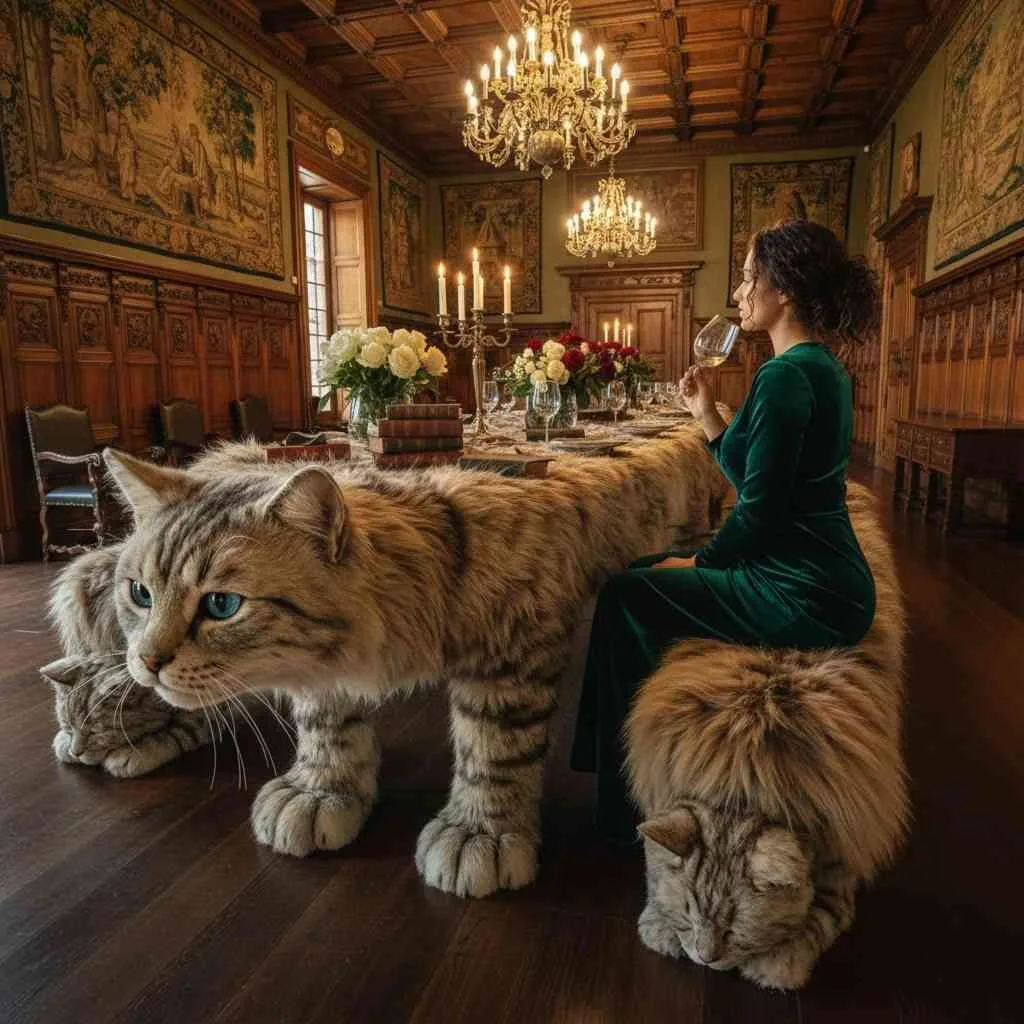
Understanding Your Cat’s Size and Behavior
A key factor in selecting a cat dining table is understanding your cat’s size and behavior. Some cats prefer high perches, while others enjoy a cozy, accessible spot.
Cats are known for shifting their preferences based on their mood, age, and health. Larger cats need more spacious tables, whereas smaller breeds may thrive with compact designs. Observing your cat during meal times or play can guide you toward a table that fits comfortably within their natural habits. For example, a high-rise cat dining table can satisfy a cat’s instinct to perch and observe their surroundings, helping reduce stress.
Behaviorally, some cats are territorial about their feeding spots. Providing a dedicated cat dining table that feels safe and exclusive for mealtime can reduce anxiety and territorial disputes with other household pets.
Material and Durability of a Cat Dining Table
Materials influence the longevity, safety, and ease of maintenance of your cat dining table. Common options include wood, metal, and composite materials, each offering benefits and drawbacks.
Wood tables often present a warm aesthetic that blends into most interior decors but require regular cleaning to prevent scratches. Metal tables are sturdy and resistant to chewing, making them suitable for more playful or aggressive cats. Composite materials balance durability with affordability and are often easy to clean, making them ideal for busy households.
Choosing non-toxic, pet-safe finishes is crucial, especially if your cat has a habit of scratching furniture. Additionally, selecting a material resistant to water and stains ensures the table remains a staple in your home’s decor for years.
Design and Style Compatibility

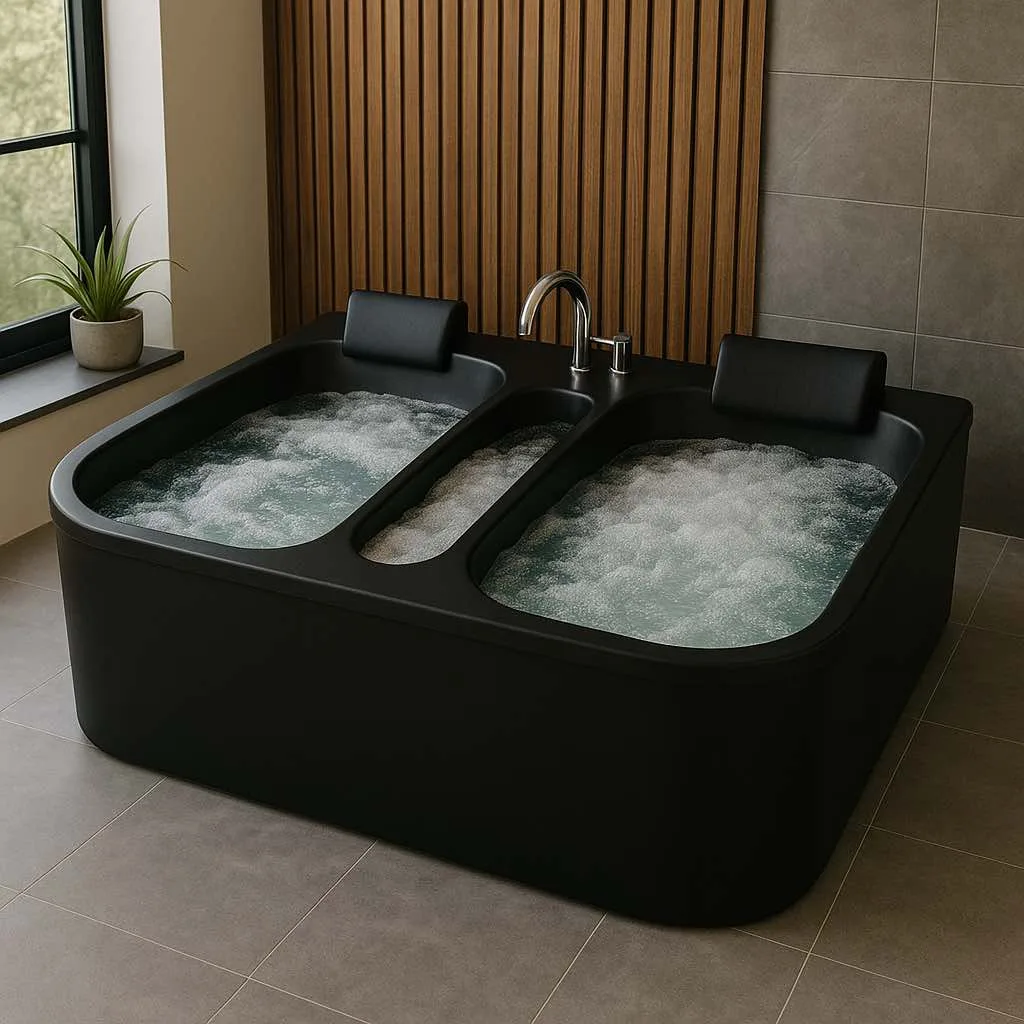
Your cat dining table should complement your overall interior design. Whether you prefer modern minimalism, rustic charm, or eclectic styles, there’s a design for every taste.
In contemporary homes, sleek, minimalist tables with clean lines and neutral palettes are popular. Conversely, vintage or rustic-themed spaces benefit from tables made of reclaimed wood or distressed finishes. For those seeking versatility, multipurpose cat dining tables with integrated storage or foldable features can blend functional needs with aesthetic appeal.
Moreover, the shape of the table—square, round, or rectangular—affects both usability and aesthetic balance. Round tables often foster social interaction, while rectangular ones suit larger spaces or dining rooms. When selecting, consider the size of your home and your cat’s movement patterns to ensure harmony between functionality and style.
How to Use a Cat Dining Table Effectively in Your Home
Once you’ve chosen the ideal cat dining table, understanding how to incorporate it into everyday life is essential. Proper placement, maintenance, and training can significantly enhance your pet’s dining experience and the table’s longevity.

Optimal Placement and Integration into Home Decor
Proper placement of the cat dining table encourages positive eating habits and minimizes inconvenience. Positioning the table in a quiet, low-traffic area avoids disturbances during mealtime and helps your cat associate the spot with comfort and safety.
An ideal location is near natural light, providing warmth and a pleasant atmosphere. Additionally, placing the table on a non-slip surface or adding felt pads under the legs can prevent furniture movement and protect your floors.
Integrating the table seamlessly into your home decor enhances both function and aesthetic appeal. For modern interiors, choose minimalist designs that blend into the background. For rustic or vintage styles, a handcrafted wooden table becomes a statement piece. The goal is to create a space that your cat feels comfortable in without disrupting your interior theme.
Maintenance and Cleaning Tips for Longevity
A cat dining table requires regular maintenance to stay clean, safe, and presentable. Cats shed fur and may occasionally scratch or mark the furniture. Using pet-safe cleaning solutions and routine inspections keeps the table hygienic and in good condition.
Wooden tables, for example, benefit from occasional polishing or sealing to prevent stains and scratches. Metal tables are easier to wipe clean but should be checked regularly for sharp edges or rust. For composite or plastic tables, simple soap and water usually suffice.
Encouraging proper behavior is also vital—discourage scratching with appropriate toys or scratching posts. Furthermore, keep the area around the table decluttered, providing enough space for your cat to jump up and down comfortably.
Training Your Cat to Use the Dining Table Properly
Training your cat to use cat dining table correctly ensures a positive dining routine. Initially, place treats or food on the table to create associations with comfort and rewards.
Use positive reinforcement by praising your cat when they approach or sit appropriately at the table. Consistent routines help your cat learn that the table is their designated eating space, reducing the likelihood of them jumping on tables meant for humans or other furniture.
Patience is key; some cats may need days or weeks to adapt fully. Keep the experience stress-free, and avoid scolding, as it can lead to confusion or anxiety. Over time, habits will develop naturally, creating a pleasant dining environment for both your pet and your household.
Comparing Types of Cat Dining Tables: Which One Is Right for You?
The market offers a variety of cat dining tables, each catering to different needs, preferences, and home setups. This section compares common types to assist you in making an educated choice.
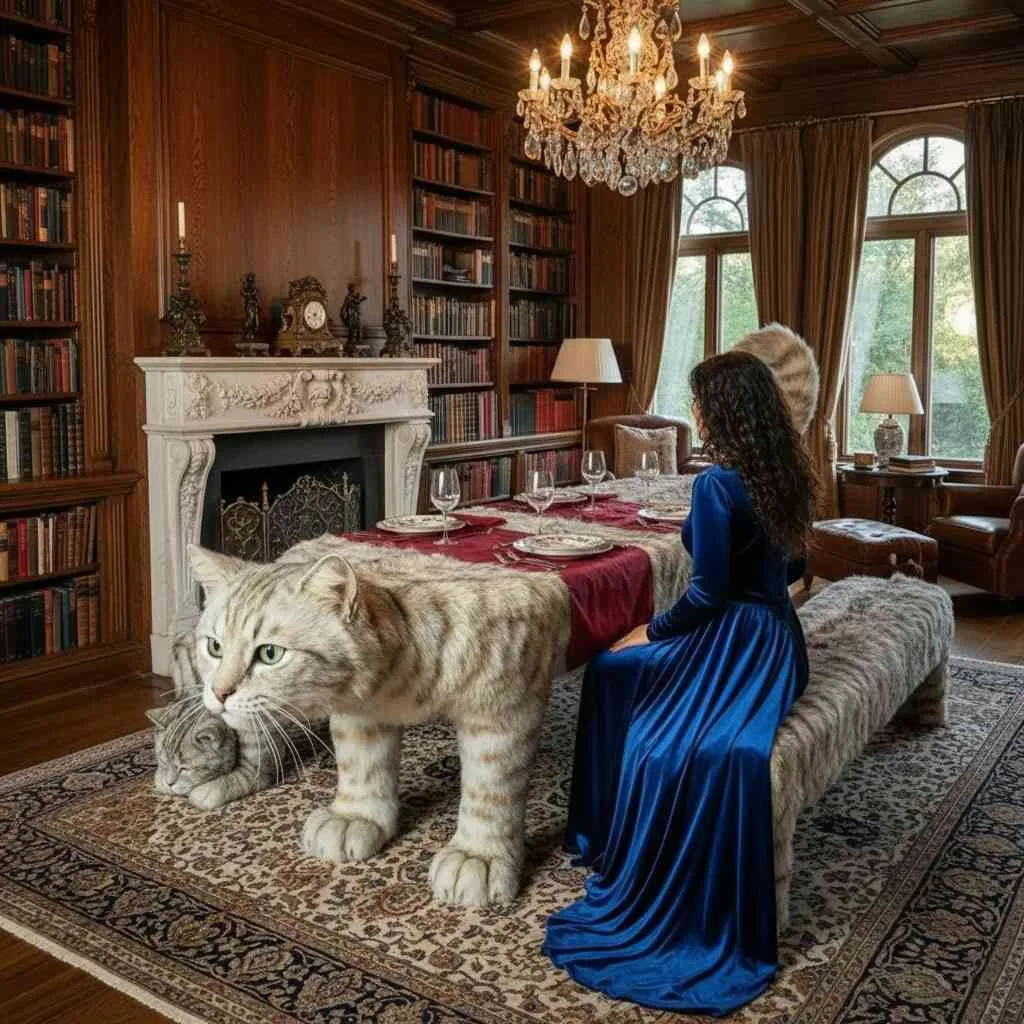
Elevated vs. Ground-Level Cat Dining Tables
Elevated cat dining tables mimic natural perches, offering cats an elevated space to eat while observing their surroundings. Ground-level tables, on the other hand, provide a more accessible and stable option, especially for older or disabled cats.
Elevated tables can help reduce stress by allowing your cat to feel safe from potential threats and help prevent spillage or contamination from the floor. However, they may require a more deliberate placement and can sometimes disrupt the flow of a room if not integrated well.
Ground-level tables are generally easier for all cats to access and are often simpler to clean. They tend to work better in homes where space is limited or for cats that prefer resting on the floor. When choosing, consider your cat’s age, mobility, and personality.
Multi-Functional Dining Tables
Multi-functional cat dining tables incorporate additional features such as storage compartments, adjustable heights, or convertible designs. These options are perfect for maximizing space or adding convenience.
For instance, tables with built-in drawers can store feeding supplies, bowls, or grooming tools, reducing clutter around the home. Adjustable-height tables accommodate cats of different ages and sizes, ensuring comfort and accessibility.
Convertible tables that can serve as both a feeding station and a workspace or relaxation nook offer versatility. If you have a compact living space, a multi-purpose cat dining table ensures that your pet’s needs are met without sacrificing aesthetics or room for other functions.
Comparing Cost and Durability
Price varies significantly among different cat dining table options, often reflecting material quality, design complexity, and additional features. While budget-friendly models may prove durable for short-term use, investing in higher-quality tables made from solid wood or metal ensures longevity.
Durability is crucial because cats tend to scratch, chew, and jump onto furniture, leading to wear and tear. A well-made table with sturdy construction can withstand these behaviors and last for years.
It’s vital to balance cost with the expected usage and your budget. Investing in a durable, well-designed cat dining table can save money long-term and improve your cat’s dining experience by providing a safe, stable, and aesthetically pleasing space.
Selecting the perfect cat dining table involves careful consideration of your cat’s size, behavior, home decor, and your budget. By understanding the different features, placement strategies, and types available, you can create a cozy yet stylish dining space that enhances your pet’s well-being and complements your decor. Regular maintenance and proper training will ensure your cat dining table remains a beloved feature of your home, serving as a functional and elegant solution for your feline friend’s mealtime needs.