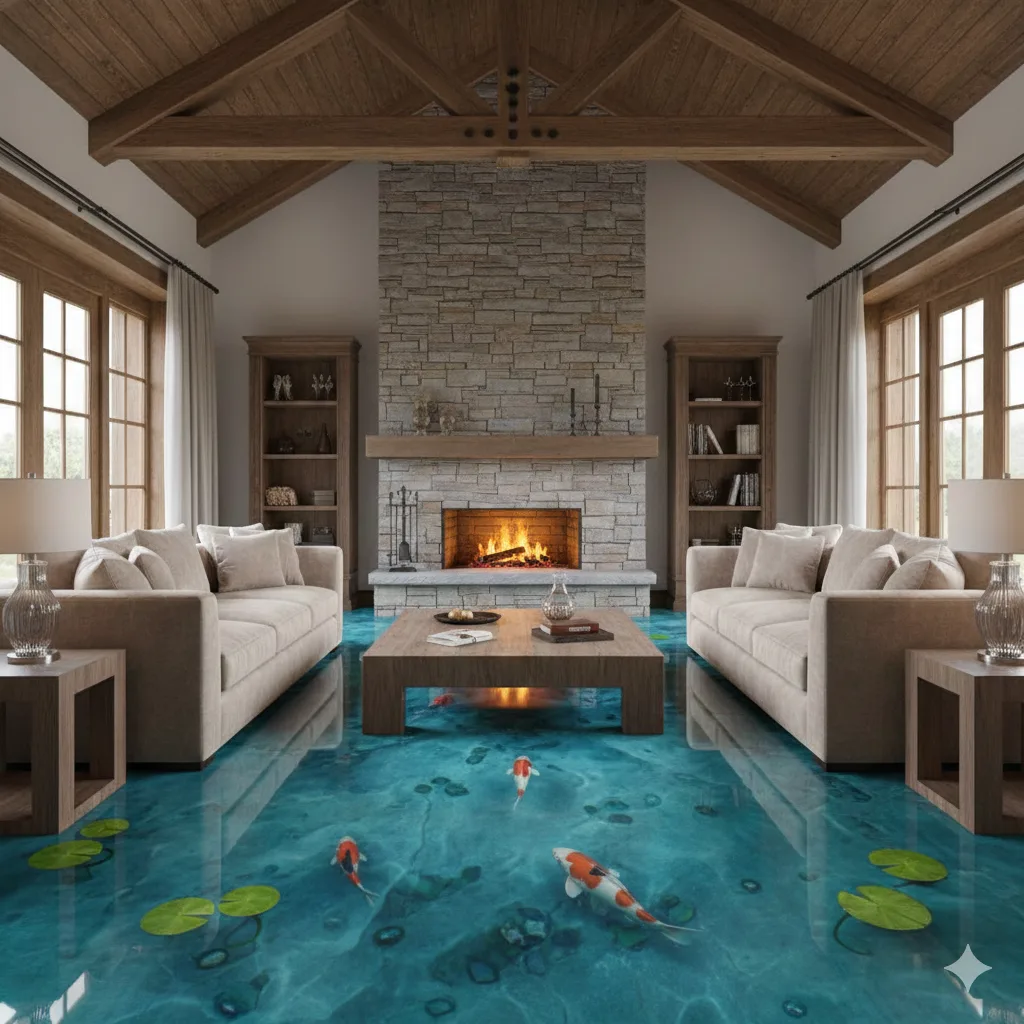
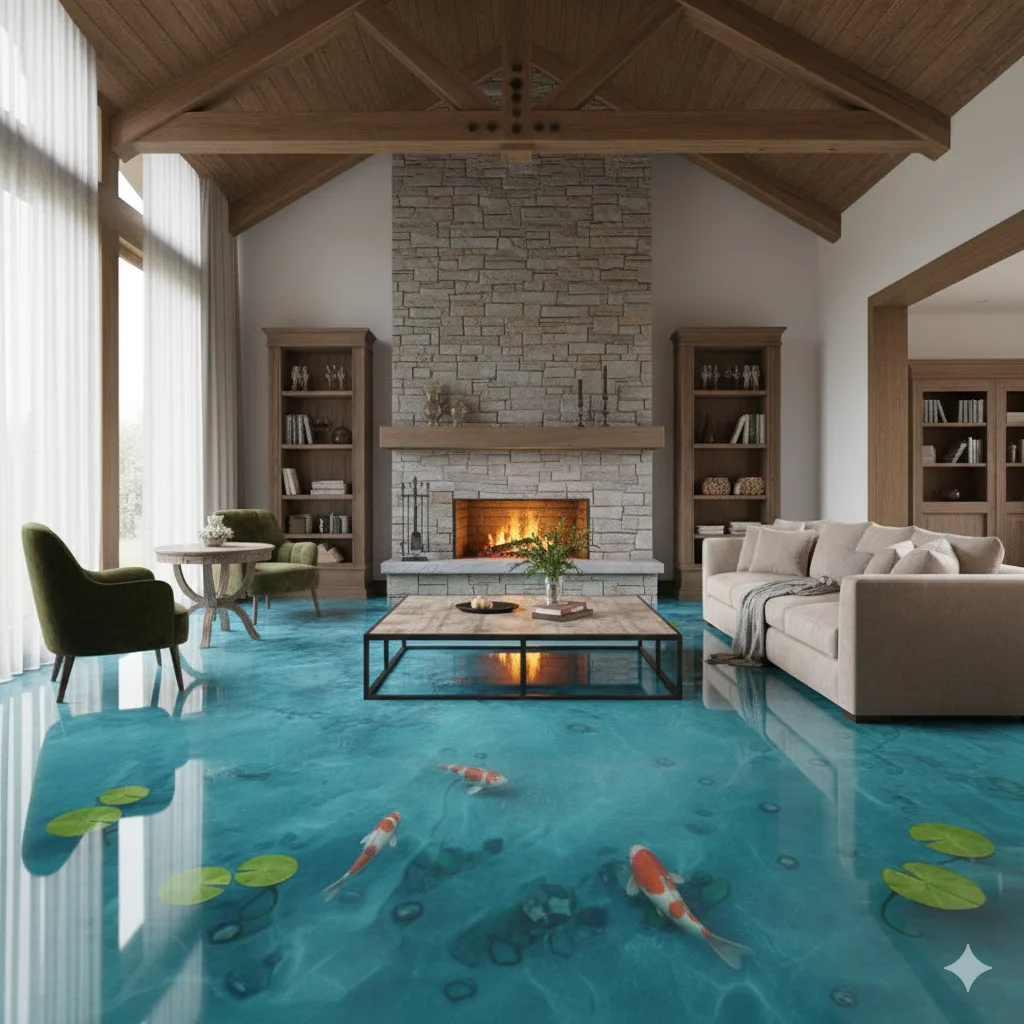
Epoxy pond flooring has become an innovative trend in water feature design, blending functionality with aesthetics to create captivating ponds, fountains, and aquatic environments. Its seamless finish, durability, and customizable options make it an attractive choice for homeowners, landscapers, and industrial projects alike.
If you’re thinking about upgrading or installing a pond, understanding how epoxy pond flooring can enhance your space is essential. This article explores how to use epoxy pond flooring effectively, provides practical examples, compares it with other flooring options, and offers expert advice for optimal results.
Contents
The Benefits of Choosing Epoxy Pond Flooring for Your Water Features
When considering flooring options for ponds and aquatic installations, durability, waterproofing, and aesthetics are critical factors. Epoxy pond flooring stands out for its ability to meet these needs, offering a versatile solution that elevates the entire project.
Before diving into the specifics, it’s important to recognize why epoxy is increasingly favored in water feature applications. Its reflective surface can mimic natural lakes or abstract art, complemented by extreme toughness that withstands the elements. Its chemical resistance ensures longevity, especially in environments prone to moisture, algae, or chemical exposure.
Seamless and Waterproof Finish Enhances Durability
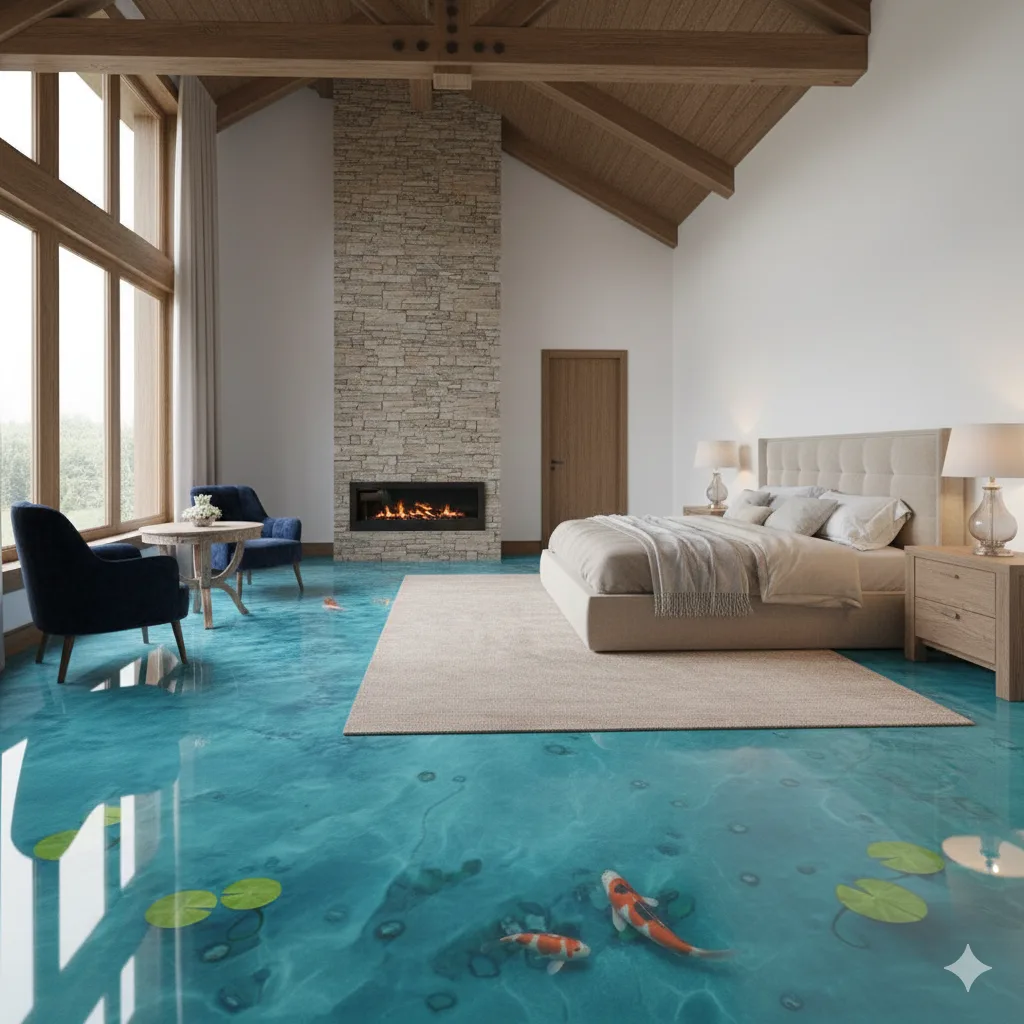
One of the prominent advantages of epoxy pond flooring is its seamless surface. Unlike traditional tiles or concrete that can develop cracks or gaps over time, epoxy creates a smooth, continuous layer, sealing every nook and cranny. This characteristic is crucial for ponds where water leakage must be prevented, and the floor needs to withstand constant humidity and aquatic conditions.
Epoxy’s waterproof qualities provide peace of mind, ensuring your pond remains secure from leaks that could compromise structural integrity or lead to water loss. Additionally, its exceptional adhesion promotes insulation and reduces the chance of algae or mold buildup, common problems in aquatic environments.
Customization and Aesthetic Flexibility
Epoxy pond flooring allows for extensive customization in terms of color, texture, and design. Using pigments or embedded materials, you can create realistic mimics of natural terrains, vibrant accents, or modern minimalist styles. Textured epoxy finishes can mimic the rough surface of natural rock or the smoothness of polished stone, depending on aesthetic demands.
This flexibility enables artists, landscapers, and homeowners to craft a living artwork that perfectly complements surrounding landscapes or architectural themes. When choosing epoxy pond flooring, consider your design goals and communicate them with your installer to achieve a harmonious and personalized look.
Cost-Effectiveness and Longevity
Although initial installation costs of epoxy flooring can be higher than some traditional options, the long-term savings are significant. Its resistance to cracking, staining, and chemical degradation reduces maintenance and replacement expenses. Plus, epoxy’s capability to withstand UV exposure, temperature fluctuations, and biological growth enhances durability, meaning fewer repairs over time.
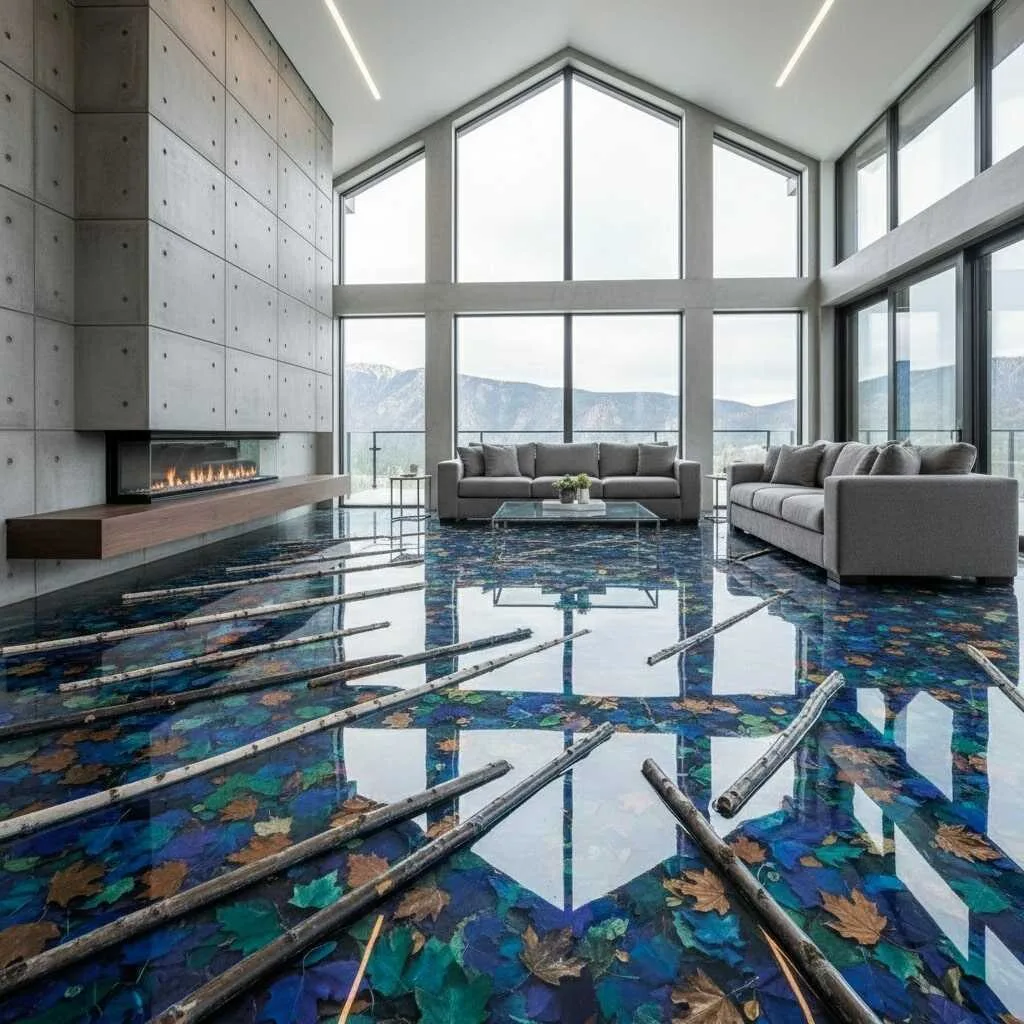
In contexts where environmental factors are harsh—such as coastal areas with saltwater or outdoor ponds exposed to weather—epoxy’s resilience ensures that your investment remains protected and visually appealing for years.
How to Use Epoxy Pond Flooring — Step-by-Step Guide
Proper application of epoxy pond flooring is crucial for ensuring a durable and aesthetically pleasing result. While some homeowners may opt for professional installers, understanding the process helps in planning and achieving optimal outcomes.
The process involves preparation, application, curing, and finishing. Each stage demands attention to detail, patience, and proper tools. Here, you’ll find a detailed guide suitable for DIY enthusiasts or those collaborating with contractors.
Preparing the Pond Surface for Epoxy Application
The foundation of a successful epoxy pond flooring project is meticulous surface preparation. This step ensures that the epoxy adheres strongly, bonds well, and lasts over time.
Start by draining the pond and removing debris, algae, or any loose material from the surface. For existing ponds, repair any cracks or structural flaws with appropriate patching compounds. Cleaning involves scrubbing with a high-pressure washer or chemical cleaners to eliminate residues that could impair adhesion.
Inspect the surface for cracks or porous areas; these should be stabilized or sealed before applying epoxy. Optionally, roughening the surface slightly with a grinder or mechanical scarifier enhances adhesion by providing a textured base. Surface moisture must be minimized, as water beneath epoxy can lead to bubbles or peeling. Use moisture meters to confirm the dryness of the substrate.
Applying Epoxy Coatings — Techniques and Tips
Once the surface is ready, application begins. Commercial-grade epoxy is usually delivered in two components: resin and hardener, which must be mixed accurately following manufacturer instructions.
Start by priming the surface if recommended, especially in porous or uneven areas. Use high-quality brushes, rollers, or spray equipment suited for epoxy application to achieve a smooth, even layer. For large ponds, spray systems enable rapid coverage; for smaller areas, rollers or brushes offer precision.
Apply the epoxy in thin, uniform coats, allowing adequate curing time between layers. Multiple layers may be necessary to achieve the desired thickness and appearance—generally between 2-4 coats. Incorporate non-slip additives if safety underfoot is a priority. During application, continually monitor for bubbles or drips, correcting them promptly.
Curing and Finishing Your Epoxy Pond Floor
After applying the final coat, curing is essential to ensure strength and durability. Temperature and humidity influence curing times, which typically range from 24-72 hours. Avoid disturbing or filling the pond during this period to prevent imperfections.
Once cured, you can add additional layers such as a protective sealant or topcoat to enhance UV stability or glossiness. Regular inspection and maintenance—such as gentle cleaning with non-abrasive solutions—will prolong the life of your epoxy pond flooring.
Comparing Epoxy Pond Flooring with Traditional Alternatives
When selecting a pond floor finish, understanding how epoxy pond flooring compares with traditional options informs the best choice for your project. Materials like concrete, tiles, or natural stones each have their pros and cons based on durability, aesthetics, and cost.
Durability and Maintenance
Epoxy delivers an exceptional combination of durability and low maintenance compared to other materials. Concrete, while strong, can crack over time or stain easily without proper sealing. Tiles can chip or loosen and may require re-grouting. Natural stones, though visually appealing, are porous and may absorb water or algae, necessitating frequent cleaning.
In contrast, epoxy forms a seamless, chemically resistant surface that resists staining, cracking, and biological growth. Its low porosity minimizes the accumulation of algae and makes cleaning easier, especially in aquatic environments prone to buildup.
Aesthetic and Design Flexibility
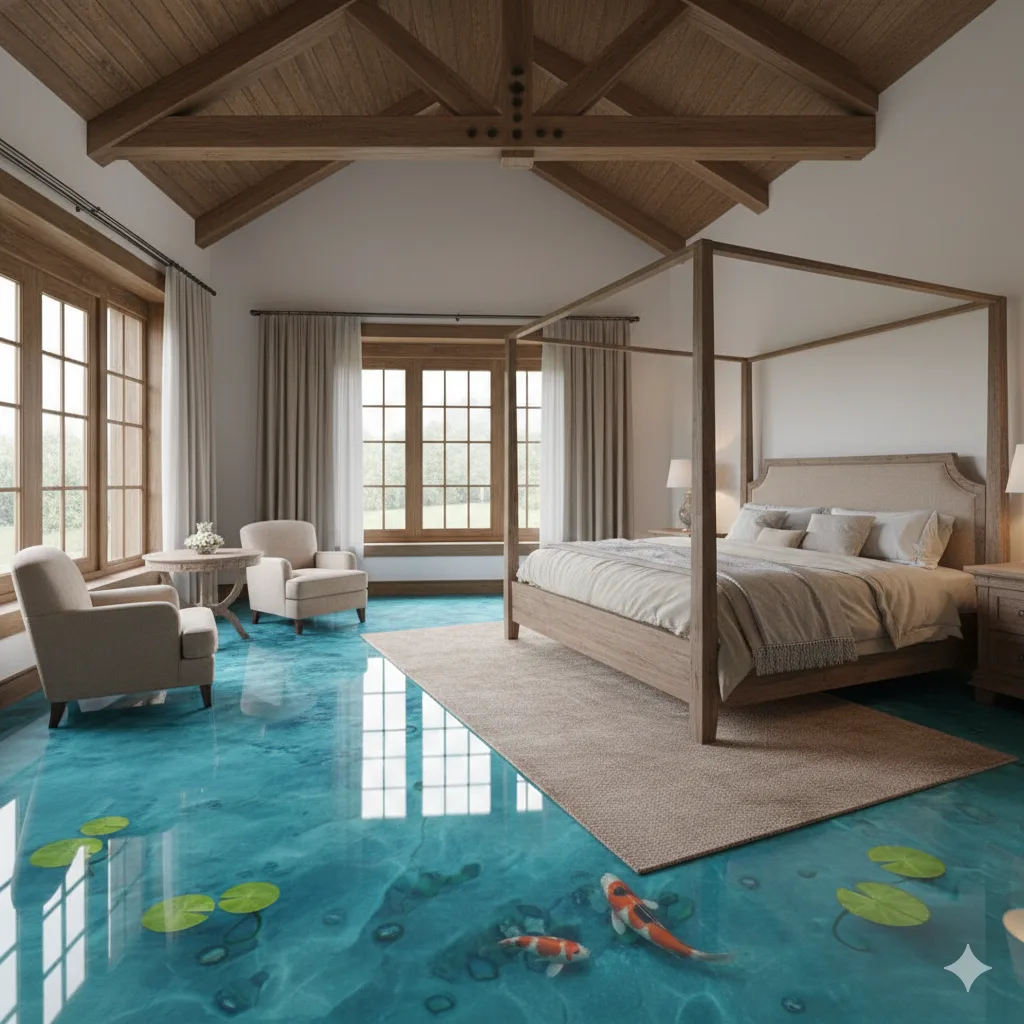
Traditional methods rely on natural appearances or manually installed tiles, which may limit customization. Epoxy pond flooring, however, unlocks a spectrum of artistic possibilities. Its capacity for pigmented coloring, embedded decorative elements, and textured finishes makes it a versatile tool to match any landscape or design theme.
Natural stones or tiles often provide rustic or classic looks but lack the ability to create vibrant or abstract designs seamlessly. Epoxy stands out for its ability to imitate natural textures or produce bold, modern aesthetics with minimal effort.
Cost and Long-Term Investment
Initial costs for epoxy pond flooring can be higher than traditional materials due to materials and installation complexity. However, considering long-term expenses, epoxy often proves more cost-effective due to its longevity and reduced maintenance.
In a comparative table:
| Aspect | Epoxy Pond Flooring | Traditional Alternatives |
|---|---|---|
| Installation Cost | Moderate to High | Low to Moderate |
| Durability | Very high | Moderate to High |
| Maintenance | Low | Moderate to High |
| Aesthetic Flexibility | Excellent | Limited (depends on material) |
| Longevity | 10+ years with proper care | 5-10 years (depending on material) |
Understanding these differences helps in making informed decisions aligned with your budget, aesthetic desires, and maintenance preferences.
Practical Advice for Successful Epoxy Pond Flooring Projects
Achieving lasting beauty and performance with epoxy pond flooring requires planning, expertise, and careful execution. Here are some critical tips for consumers and professionals alike:
- Choose Quality Materials: Invest in high-grade epoxy suited for aquatic and outdoor environments. Cheap or inferior products may fade quickly or fail prematurely.
- Seek Professional Guidance: When in doubt, consult with experienced installers or specialists in pond construction. Their expertise minimizes errors and ensures adherence to safety standards.
- Prioritize Surface Preparation: As with painting or coating applications, surface prep determines success. Failing to properly clean, dry, or repair the substrate can lead to peeling or adhesion failure.
- Monitor Environmental Conditions: Temperature and humidity influence curing and adherence. Avoid installation during rainy, humid, or excessively cold days for the best results.
- Plan for Regular maintenance: Despite its durability, epoxy requires periodic inspections for cracks, scratches, or UV damage. Prompt repairs extend its lifespan.
- Consider Safety Features: Incorporate non-slip additives or textured finishes to prevent accidents, especially in outdoor or wet environments.
- Balance Aesthetics and Functionality: Choose colors and textures aligning with your overall landscape design but also consider functional needs like anti-slip surfaces or algae resistance.
By following these guidelines, you can maximize the benefits of epoxy pond flooring, creating a stunning and resilient water feature that enhances your outdoor environment for years to come.
Epoxy pond flooring offers a compelling blend of durability, aesthetic flexibility, and waterproof performance, making it an ideal choice for enhancing water features. Its seamless finish resists cracking, staining, and biological growth, while its capacity for customization allows for unique artistic expressions tailored to any landscape or architectural theme. Proper preparation, application, and maintenance are crucial to unlocking its full potential and reaping long-term benefits. Whether designing a tranquil backyard pond or a sophisticated decorative fountain, epoxy provides a resilient and beautiful foundation that elevates any aquatic setting.