The stone has been a timeless element in human civilization, symbolizing strength, resilience, and beauty. Whether integrated into architecture, home decor, or landscaping, stone brings a natural and enduring charm that transforms spaces into art. Its versatility lends itself well to a variety of applications—from rustic pathways to contemporary interiors—and understanding how to harness its potential can lead to stunning results. In this article, we will explore the diverse uses and innovative applications of stone, focusing on moss, wood slab, and epoxy floors, offering insights and practical advice to elevate your design endeavors.
Stone
The term stone encompasses a wide array of naturally occurring materials, each with unique properties and aesthetic appeal. When selecting stone for any project, it is essential to consider factors such as durability, color, texture, and compatibility with other materials. Stone is a natural choice for creating a sense of permanence and organic beauty, making it an ideal material for both exterior and interior applications.
Engaging with stone involves understanding its origins, types, and maintenance requirements. The stone you choose can drastically influence the overall ambiance of a space—from the sleek sophistication of polished marble to the rugged charm of fieldstone. In doing so, you should consider how stone interacts with surrounding elements and how it can be used to enhance the natural environment or modern aesthetic.
Types of Stone and Their Uses
Stone types vary widely, each bringing unique qualities to a project:
- Granite – Known for its hardness and resistance to scratching, making it perfect for countertops and flooring.
- Limestone – Softer than granite, often used in historical buildings and decorative features.
- Sandstone – Its warm hues and texture make it popular in outdoor paving and garden walls.
- Marble – Elegant and luxurious, ideal for high-end bathrooms, flooring, and sculptures.
Each stone type offers specific benefits: for example, granite’s durability suits high-traffic areas, whereas marble’s aesthetic appeal makes it suitable for feature walls or artistic installations.

Application Ideas for Stone
Using stone creatively can elevate your space significantly. Consider installing a stone accent wall in a living room for added texture and depth, or paving a garden pathway with stone slabs to seamlessly blend indoor elegance with outdoor nature. The choice of stone can also influence the ambiance; rough-textured stone introduces a rustic charm, whereas polished surfaces evoke sophistication.
For durability and aesthetic synergy, many architects and designers often pair stone with other natural materials like wood slabs or moss to create compelling contrasts and layers of visual interest. Additionally, incorporating epoxy floors over stone surfaces can provide a modern, sleek finish suitable for contemporary homes and commercial spaces.
Maintaining Stone Surfaces
Proper maintenance of stone involves regular cleaning, sealing, and sometimes polishing to preserve its appearance and prevent damage. For outdoor stone features, especially those exposed to weather, selecting the right sealant ensures longevity. Cleaning with pH-neutral solutions preserves the stone’s integrity, while avoiding abrasive cleaners protects against scratches.
Involving natural elements like moss can add an eco-friendly and aesthetic dimension to stone installations. Moss, thriving in shaded, moist environments, pairs beautifully with stone surfaces, creating a harmonious, organic look that emphasizes nature’s resilience.
Moss
Moss holds a unique allure in landscape design and interior decoration, symbolizing life in the most minimalistic ways. It’s a soft, verdant presence that can transform a barren patch into a lush, vibrant display. When used alongside stone elements, moss offers an aged, mystical feel that evokes tranquility and harmony with nature.
Incorporating moss in your landscape or decor is both a practical and aesthetic choice, providing natural insulation, moisture regulation, and a captivating visual texture. The key lies in understanding its growth conditions and how to maintain it effectively.
Growing and Maintaining Moss on Stone
Moss tends to thrive on stone surfaces when conditions are consistently moist and shaded. To encourage growth, it’s crucial to prepare the surface properly—cleaning and ensuring the stone is free of dirt and debris, then providing the right level of moisture and shade. Using natural fertilizers like buttermilk or specifically formulated moss solutions can accelerate growth.
Once established, moss requires very minimal maintenance. Regular watering, especially during dry periods, and removing invasive weeds or grasses that compete for space are essential for sustaining lush patches. Over time, moss can create a patchwork of green that enhances the natural beauty of stone features, such as garden walls or stepping stones.
Design Ideas Featuring Moss and Stone
Combining moss with stone can create stunning visual landscapes, from moss-covered stone walls to lush moss gardens. One innovative idea is to embed wood slabs with moss to create a natural, textured walkway that invites tactile exploration. It also works beautifully in Japanese-style gardens where the harmony of moss, stone, and water fosters tranquility.
Designers must consider the ecological aspect of moss; avoiding pesticides and selecting native moss species ensures environmental sustainability. This partnership between moss and stone exemplifies resilience and the cyclical beauty of nature, inspiring eco-conscious design choices.
Wood Slab and Epoxy Floors
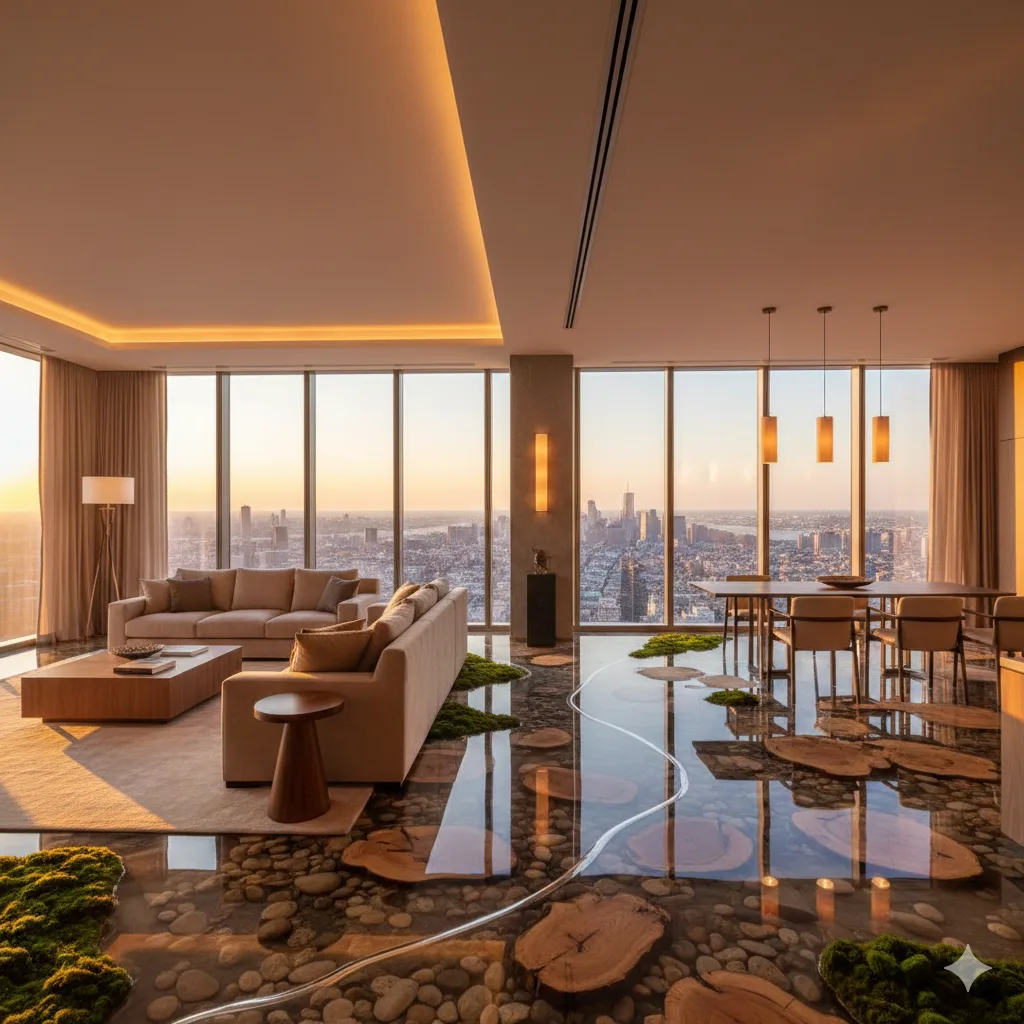
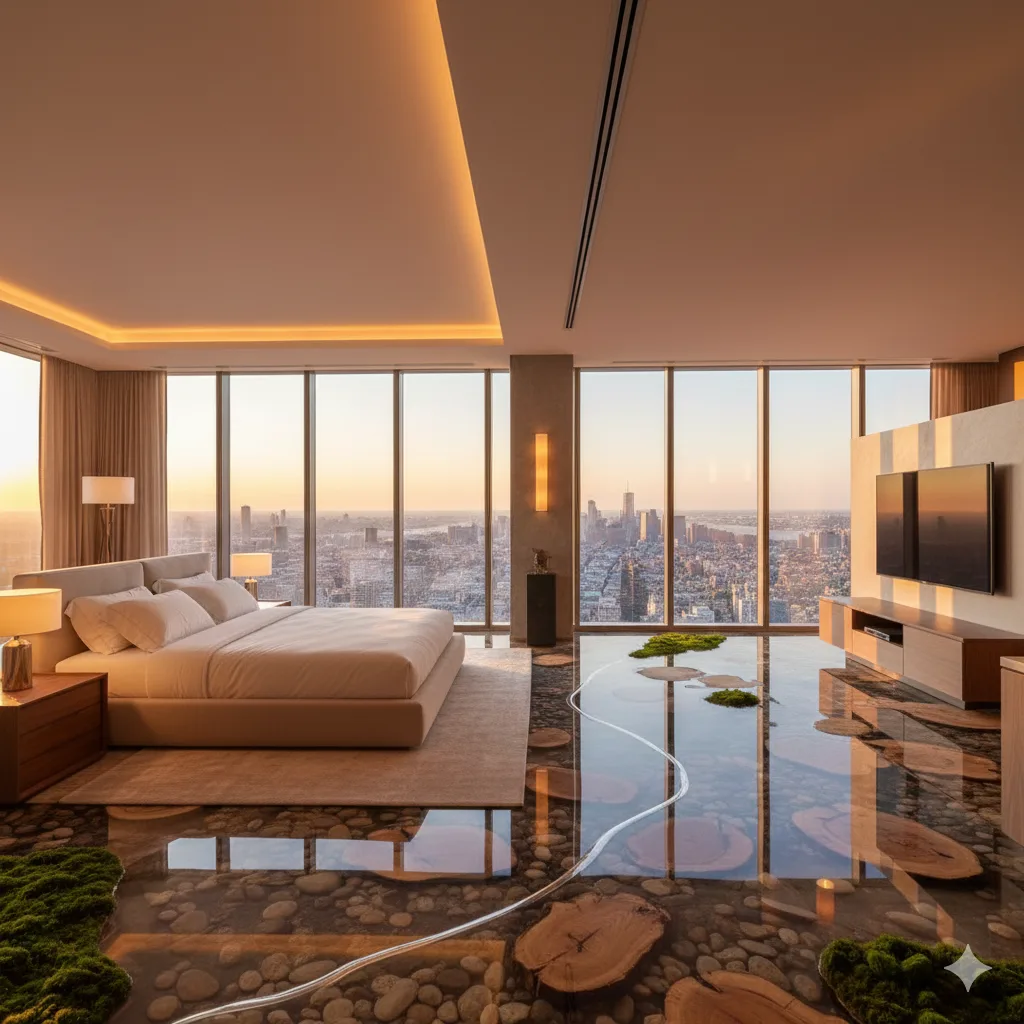
Modern interior design often seeks to blend natural materials with contemporary finishes. The union of wood slabs and epoxy floors has become increasingly popular, offering a unique juxtaposition of rustic warmth and sleek sophistication. These elements can be used together or separately, depending on the desired atmosphere.
The focus on sustainability and aesthetic appeal makes this combination an excellent choice for homes and commercial spaces alike. The natural grain and texture of wood slabs paired with the glossy, durable surface of epoxy floors create a striking visual contrast that highlights craftsmanship and innovation.
Crafting with Wood Slabs
Wood slabs bring character, warmth, and natural beauty to any project. When using wood slabs on floors, countertops, or furniture, selecting ethically sourced hardwoods ensures longevity and environmental responsibility. Skilled craftsmanship brings out the unique grain patterns, with each piece telling its own story.
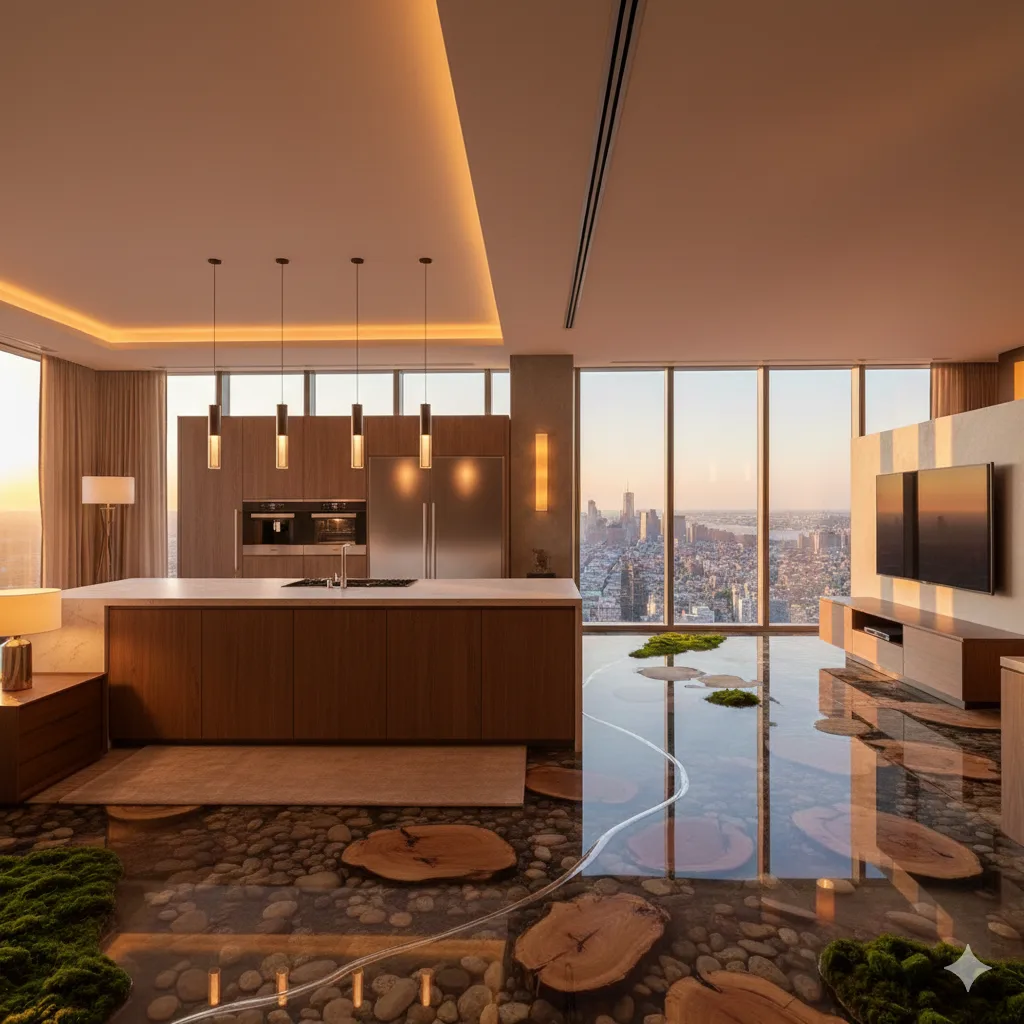
A popular trend involves combining wood slabs with epoxy floors to create features like a striking live-edge table or a feature wall. Applying a clear epoxy finish over wood slabs can protect them from moisture and wear while emphasizing their natural beauty. When integrating these materials with stone-based features, such as moss-adorned pathways, the result is an inviting, layered aesthetic.
Advantages and Maintenance of Epoxy Floors
Epoxy floors are renowned for their strength, chemical resistance, and ease of maintenance. They are ideal for garages, workshops, retail spaces, and modern residences where durability is paramount. The smooth, seamless surface not only enhances aesthetics but also simplifies cleaning, eliminating dirt traps.
Applying epoxy floors over existing concrete or stone substrates provides a unified, polished look. Their customizable color options—ranging from transparencies that showcase underlying wood slabs to bold hues—enable tailored design solutions. Regular cleaning with gentle detergents and occasional re-coating helps maintain their luster and performance.
The artistic use of stone, moss, wood slabs, and epoxy floors allows designers and homeowners to create spaces that are both functional and breathtakingly beautiful. From the durable elegance of stone to the lush softness of moss, and from the warm character of wood slabs to the sleek versatility of epoxy floors, these materials can be combined in innovative ways to reflect personal style while respecting environmental sustainability. Whether embracing natural textures or modern finishes, understanding how to authentically use these elements results in environments that resonate with warmth, resilience, and timeless charm.
Stone
Stone stands as a timeless testament to durability and beauty in both indoor and outdoor settings. Its natural allure and diverse range of textures and colors make it a popular choice for various applications, from countertops to walkways. Incorporating stone not only enhances aesthetics but also ensures longevity, thus offering excellent value to homeowners and architects alike.
The versatility of stone allows it to blend effortlessly with other materials, creating stunning contrasts and cohesive designs. Additionally, the unique characteristics of each type of stone lend a distinct identity to spaces. Whether you’re looking to create a rustic ambiance with rough-hewn granite or a sleek, modern look with polished marble, the options are vast.
Types of Stone and Their Applications
When it comes to choices, various types of stone serve different purposes.
Granite is a highly durable option that’s ideal for kitchen countertops due to its resistance to scratching and heat. Marble, on the other hand, is favored for its elegance, making it a popular choice for bathrooms and high-end foyers, subtly conveying sophistication.
Then there’s limestone, which offers a rustic charm and is ideal for patios or garden pathways, thanks to its natural slip-resistance.
The table below presents a quick overview of different types of stone, their properties, and applications:
| Stone Type | Durability | Aesthetic Appeal | Common Uses |
|---|---|---|---|
| Granite | High | Classic, Varied | Countertops, Flooring |
| Marble | Moderate | Luxurious, Elegant | Bathrooms, Walls |
| Limestone | Moderate | Natural, Rustic | Patios, Pathways |
| Slate | High | Earthy, Textured | Roofing, Flooring |
Comparing Different Stones
The rich tapestry of characteristics found in various stone types can make for intriguing comparisons. For instance, while granite offers an exceptionally high level of durability, the ornate veining in marble might appeal to someone looking for aesthetic over raw strength. Furthermore, limestone’s warmth and natural textures create an inviting atmosphere ideal for outdoor living spaces.
In practical terms, granite is less porous than marble and limestone, leading to superior performance in kitchen environments where spills and heat exposure are frequent. Conversely, one might opt for marble if the goal is purely designer-centric, especially in forms like backsplashes or decorative accents where its imperfections can add charm.
Advising on Stone Installation
When considering stone for your space, proper installation is critical. It’s essential to work with professionals who have experience specifically with stone. Correctly laid stone can last a lifetime, but improper installation can lead to long-term issues.
Don’t forget to invest in adequate sealing options to maintain your stone’s appearance. For example, surfaces like granite or slate may require different sealing products that cater to their individual properties. Choosing the right sealant keeps your stone surfaces looking their best, preventing stains and moisture damage.
Moss
Moss is a wonderfully versatile plant that adds soft, organic textures to any environment. Its gentle hue and resilient nature mean that it has become increasingly favorable in contemporary design intertwined with both residential and commercial projects. Unlike many ornamental plants that may require significant upkeep, moss thrives in specific conditions, often enhancing spaces without excessive care.
When incorporated into landscapes or interiors, moss provides a lush, living element that fosters a sense of peace and tranquility. It offers a stark contrast to rigid structures like stone, creating a harmonious landscape while also emphasizing sustainability through its eco-friendly qualities. Plus, the calming colors and textures of moss can evoke memories of quiet forest floors or serene gardens.
Types of Moss and Growth Conditions
There are numerous types of moss, each exhibiting distinct growth patterns and characteristics.
Sheet moss, for example, spreads out flat and flourishes in indirect sunlight, making it ideal for shaded garden areas or indoor terrariums.
Reindeer moss, known for its unique, fluffy texture, is often utilized in decorative installations, providing a fluffy accent to both homes and businesses.
To ensure successful cultivation, it’s critical to consider the specific needs of the moss variety. Moisture, light, and soil conditions will dictate growth success, and understanding these factors can enhance the aesthetic appeal of any moss project.
Creative Uses of Moss in Design
Utilizing moss in creative designs extends beyond traditional gardening. Designers now employ moss in a range of applications, from living wall installations to DIY art projects that invigorate interiors.
Imagine a modern coffee table topped with a glass pane housing a miniature garden of lush moss, combined with polished stone accents, creating a striking centerpiece that draws attention.
Alternatively, the use of moss in terrariums or as part of vibrant flower arrangements softens hard landscapes and introduces an organic element that soothes the eye. The juxtaposition of stone and moss is timeless, providing both texture and color contrast.
Wood Slab and Epoxy Floors
Merging organic materials with contemporary finishes characterizes modern design, making the combination of wood slabs and epoxy floors an increasingly popular choice in residential and commercial applications. This pairing presents an opportunity for creativity, offering a variety of textures and hues that enhance any living space.
Wood slabs convey warmth, while epoxy floors introduce sleek sophistication. This dynamic duo works especially well in open-concept homes or bustling lifestyle areas. Intelligently integrated, they bring together the best aspects of both warmth and modernity, resulting in versatile spaces that cater to various uses.
Best Practices for Working with Wood Slabs
When utilizing wood slabs, choosing the right kind of wood is essential. Sustainable choices like walnut or maple not only ensure an eco-friendly impact but also offer a stunning grain that enhances the natural beauty of the material. After selecting a high-quality slab, the key is proper finishing techniques to protect against moisture.
To create a seamless design, consider matching the epoxy floors in color or tone to your wood slabs. A translucent epoxy that highlights the wood’s nuances can create an impressive aesthetic, blurring the lines between the materials while celebrating their diverse traits.
Benefits and Maintenance of Epoxy Floors
Epoxy floors have garnered attention for their durability and practicality. Resistant to chemicals, stains, and wear, they serve as an ideal flooring solution for both heavy traffic areas and serene residential spaces.
Maintenance is a breeze, requiring only regular cleaning and occasional re-coating to maintain their gloss and brilliance.
In a time when the maintenance of natural materials poses challenges, epoxy floors offer a practical alternative, allowing homeowners to enjoy the aesthetics of wood or stone without sacrificing usability. When combined with wood slabs or outdoor stone features, epoxy floors can enhance the overall design, providing a polished, cohesive look.
The artistic use of stone, moss, wood slabs, and epoxy floors allows designers and homeowners to create spaces that are both functional and breathtakingly beautiful. From the durable elegance of stone to the lush softness of moss, and from the warm character of wood slabs to the sleek versatility of epoxy floors, these materials can be combined in innovative ways to reflect personal style while respecting environmental sustainability. Whether embracing natural textures or modern finishes, understanding how to authentically use these elements results in environments that resonate with warmth, resilience, and timeless charm.