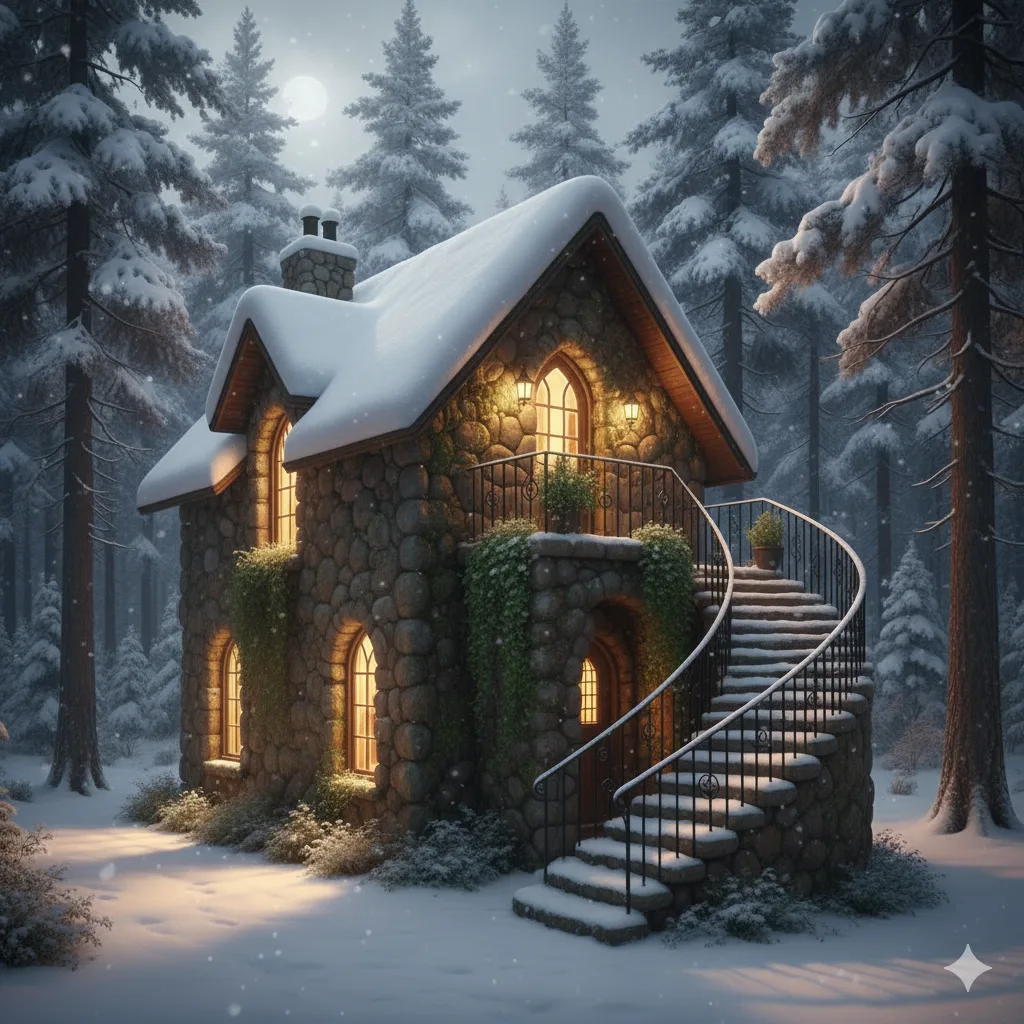
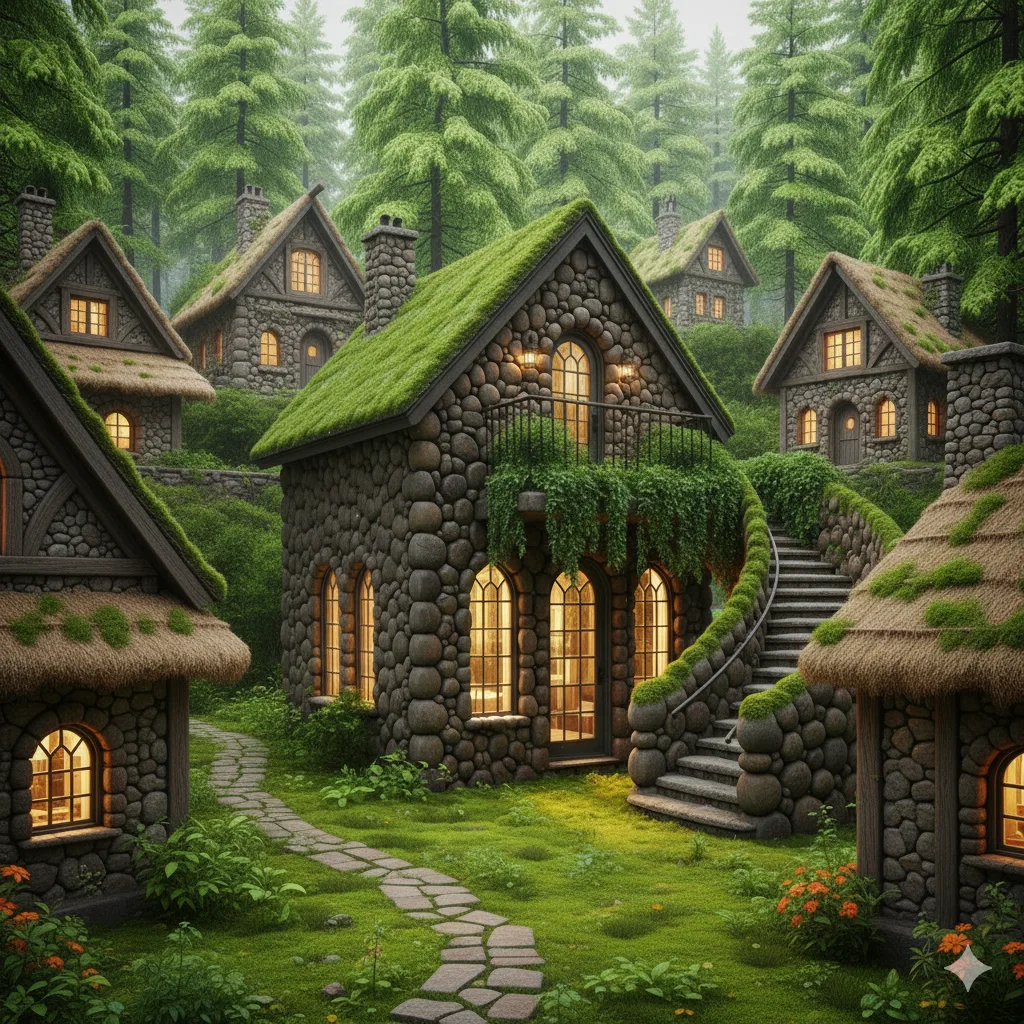
The concept of a stone tiny home offers an innovative blend of durability, simplicity, and eco-conscious design. These miniature dwellings are gaining popularity among minimalists, eco-enthusiasts, and those seeking affordable, sustainable living options. Whether you’re exploring how to incorporate a stone tiny home into your lifestyle or comparing it to traditional homes, understanding its unique aspects can help you make informed decisions. In this article, we will explore how to use a stone tiny home effectively, provide examples, comparisons, and practical advice to help you embrace this modern housing trend.
Contents
- 1 Why Choose a Stone Tiny Home – The Benefits of Compact Living with Durable Materials
- 2 How to Use a Stone Tiny Home – Practical Applications and Lifestyle Integration
- 3 Comparing a Stone Tiny Home – Traditional Homes, Modular Units, and Other Tiny Homes
- 4 Practical Advice for Designing and Building Your Stone Tiny Home
- 5 Sustainable Features of a Stone Tiny Home
- 6 Customizing Your Stone Tiny Home
Why Choose a Stone Tiny Home – The Benefits of Compact Living with Durable Materials
Adopting a tiny home made of stone combines the minimalism of small-space living with the resilience and natural beauty of stone. This section examines the core benefits of choosing a stone tiny home, including sustainability, cost-efficiency, and aesthetic appeal.
Constructed from natural stone, these homes are inherently eco-friendly, offering a sustainable alternative to traditional building materials like concrete or drywall. They are often designed with energy efficiency in mind, relying on the thermal mass of stone to regulate indoor temperatures naturally. This impressive insulating property minimizes heating and cooling costs, making a stone tiny home a smart investment in long-term savings.
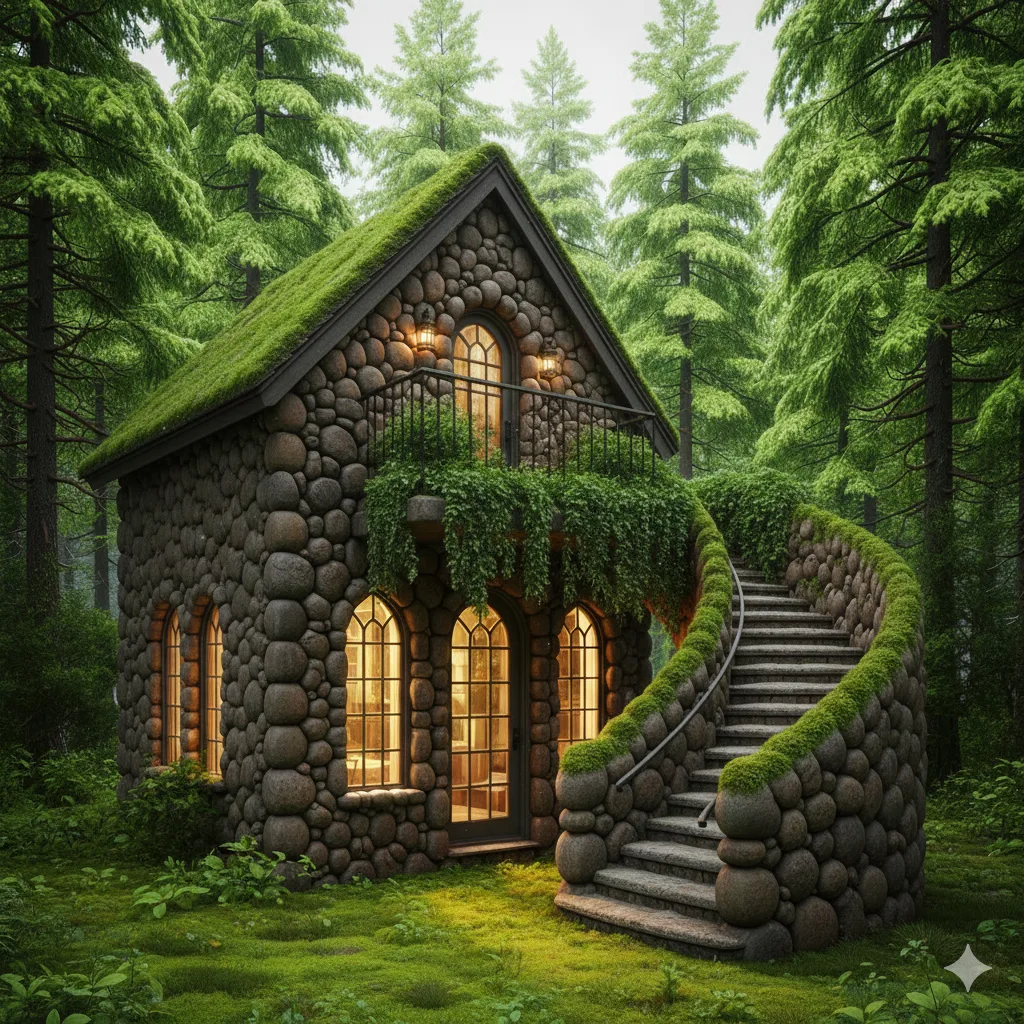
Furthermore, durability is a standout feature. Unlike timber or synthetic materials, stone resists pests, mold, and structural degradation over time. It can withstand harsh weather conditions, from heavy rain to extreme heat, without losing its structural integrity. This resilience makes a stone tiny home an ideal choice for rural environments or regions prone to severe weather events. Aesthetically, stone adds a timeless, rustic charm that blends seamlessly with natural surroundings, making it appealing to those who cherish organic design elements.
For individuals seeking a low-maintenance yet resilient residence, a stone tiny home offers an extraordinary blend of form and function. These homes can serve various purposes, from vacation retreats and guest houses to permanent residences, illustrating their versatility in modern living.
Advantages of Natural Material Use in Tiny Living
Natural materials like stone not only bolster sustainability efforts but also enhance indoor air quality by reducing exposure to synthetic chemicals. This creates a healthier environment for residents, especially essential for those with allergies or sensitivities. Besides, the uniqueness of each stone block adds personality to every tiny home, offering an aesthetic that can be customized to suit individual style preferences.
Potential Cost Savings and Investment Value
Though initial construction costs for a stone tiny home may be higher than traditional tiny homes, the long-term savings on maintenance and utilities justify this investment. The robustness of stone means fewer repairs and replacements, leading to significant savings over time. Additionally, the property’s durability can potentially increase its resale value, especially in markets favoring eco-conscious or sustainable developments.
How to Use a Stone Tiny Home – Practical Applications and Lifestyle Integration
A stone tiny home is extremely versatile, adaptable to various lifestyles and settings. Successfully integrating such a structure into your life requires understanding its practical uses, from daily living to recreational purposes.
Moving beyond traditional notions, a stone tiny home can serve as a primary residence, a seasonal retreat, or even a studio workspace. Its mobility might be limited depending on local regulations and the size of the structure, but with thoughtful planning, these homes can be both portable and permanent. Their sturdy construction makes them suitable for remote locations, off-grid living, or eco-villages, offering complete independence from municipal utilities.
Using a stone tiny home also involves careful planning regarding functionality and comfort. Incorporating solar panels, rainwater harvesting systems, and composting toilets maximizes sustainability and independence, turning a compact dwelling into a off-grid sanctuary. The interior can be optimized with multi-purpose furniture, built-in storage, and space-saving solutions to maximize every inch.
Furthermore, a stone tiny home can act as a stepping stone towards adopting a minimalist and environmentally conscious lifestyle. It encourages intentional living, reducing clutter and focusing on essential needs. For urban dwellers, small outdoor gardens or vertical greenery can enhance the living experience, connecting occupants closer to nature.
Examples of Use Cases for a Stone Tiny Home
Some imaginative uses include setting up a detached guest house in a backyard, creating a serene art studio with natural insulation, or establishing a pottery workshop in rural settings. Its malleability allows for custom designs, from sleek minimalism to rustic cabins, accommodating the specific needs of its inhabitants.
Incorporating Modern Technology in a Stone Tiny Home
Modern amenities such as smart thermostats, solar power systems, and energy-efficient appliances can seamlessly retrofit stone tiny homes, transforming them into fully functional, eco-friendly living spaces. These innovations ensure comfort and convenience, even within the small footprint of a tiny home.
Comparing a Stone Tiny Home – Traditional Homes, Modular Units, and Other Tiny Homes
Choosing a stone tiny home involves understanding how it stacks up against other housing options. This comparison can inform your decision based on factors like durability, cost, aesthetics, and practicality.
Traditional homes offer unparalleled space and customization but often come with high costs, longer construction times, and greater environmental impacts. In contrast, a stone tiny home provides a significantly smaller footprint, faster build time, and environmental benefits, particularly when built with natural materials.
Modular homes are another popular choice for those seeking flexibility. They can be prefabricated and assembled quickly, but often lack the natural, textured appeal of stone. They are typically lighter and easier to relocate but might not match the durability of stone structures, especially in extreme weather conditions.
Comparatively, a stone tiny home balances rustic appeal, resilience, and sustainability. It might require a slightly higher initial investment, but its longevity and low maintenance outperform many alternatives. Its natural aesthetic appeals to those who desire a closer connection with nature, fostering a sense of permanence and stability absent in some other tiny home designs.
Cost and Maintenance Considerations
While traditional homes involve larger financial commitments and ongoing costs, a stone tiny home typically incurs lower utility bills and maintenance expenses due to its insulating properties and durability. Its longevity can justify a higher upfront cost, especially when factoring in the environmental benefits.
Aesthetic and Lifestyle Preferences
The aesthetic aspect can be a significant decision factor. For lovers of rustic charm and natural textures, a stone tiny home makes an ideal retreat, blending seamlessly into natural landscapes. On the other hand, those who prefer sleek, modern designs might opt for other tiny home styles.
Practical Advice for Designing and Building Your Stone Tiny Home
Designing a stone tiny home requires careful consideration to maximize space, functionality, and aesthetic appeal. Your planning should incorporate sustainable features, efficient layouts, and your personal preferences.
Start by researching local building codes and zoning laws, as these often influence the placement and construction of tiny homes. Working with experienced builders or architects who specialize in natural building materials can streamline the process and ensure structural integrity. Additionally, selecting the appropriate type of stone and construction methods is critical; options range from dry-stone walling to mortar-set blocks, each with different implications for strength and insulation.
Inside, optimizing space is essential because of the limited square footage. Incorporating multi-functional furniture, fold-away beds, and creative storage solutions helps make the most of available space. For sustainability, plan for renewable energy sources like solar panels, rainwater harvesting, and composting systems. These features not only decrease reliance on external utilities but also enhance the eco-friendly aspect of your stone tiny home.
Lastly, personalizing your space with natural textures, eco-friendly paints, and decorative elements rooted in nature can make the environment warm and inviting. Remember, the goal is to create a home that is durable, sustainable, and a true reflection of your lifestyle.
A stone tiny home offers an extraordinary way to embrace minimalist, sustainable living while enjoying the resilience and timeless beauty of natural stone. Whether used as a primary residence, a retreat, or a creative studio, these homes blend durability with aesthetic appeal, making them an attractive option for eco-conscious individuals. Proper planning and design are crucial to maximizing their benefits, from energy efficiency to personal comfort. As an alternative to traditional homes or modular units, stone tiny homes stand out as a resilient, eco-friendly, and stylish way to redefine modern living, encouraging us to think differently about space, sustainability, and simplicity.
Sustainable Features of a Stone Tiny Home
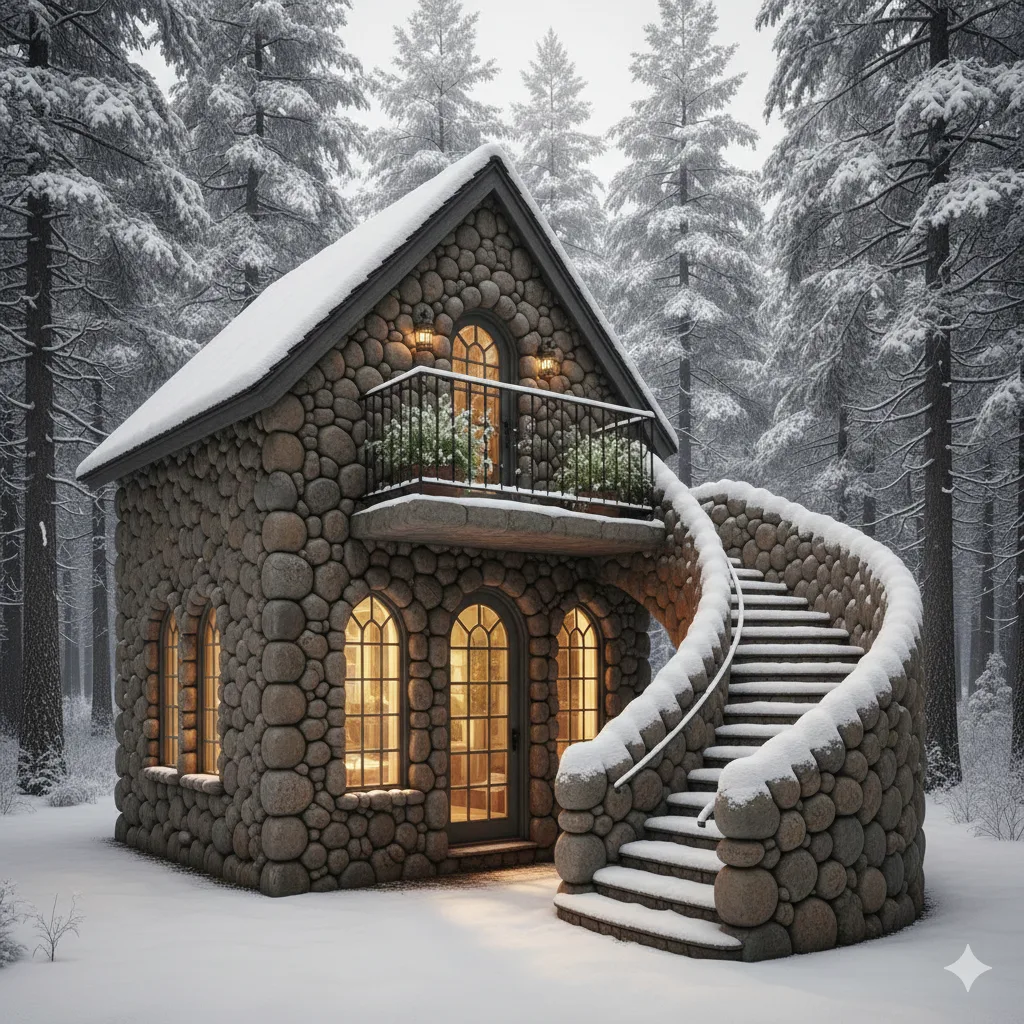
Embracing a stone tiny home means intertwining your living space with sustainable principles, maximizing the ecological footprint while maintaining high-quality living standards. Sustainability in architecture focuses not only on materials but also on the methods used for design, efficiency, and long-term viability. Stone, known for its naturally durable properties, provides an excellent basis for sustainable building.
In this section, we will explore techniques that support eco-friendly living and how they can be integrated into the design of a stone tiny home.
Energy Efficiency Solutions
A stone tiny home can be an impressively efficient structure by incorporating energy-saving methods. Using natural stone allows for exceptional insulation, reducing the need for excessive heating or cooling. This insulation quality means a stone home’s interior temperature remains stable, leading to lower energy consumption year-round.
In addition to thermal insulation, integrating passive solar design into your stone tiny home can optimize natural light and warmth. Strategically placing windows and using thermal mass can harness the sun’s energy, decreasing reliance on artificial lighting and temperature control. As a result, proper window placement allows for cross-ventilation, which helps maintain a comfortable living environment without mechanical intervention.
Innovations in technology further enhance energy efficiency. Solar panels can be mounted on the roof or nearby structures, harnessing renewable energy to power appliances and lighting. Energy-efficient appliances supplementary to these systems can ensure low energy consumption, further tantalizing the sustainability factor of your stone tiny home.
Water Conservation Techniques
Water conservation plays a pivotal role in sustainable living, and a stone tiny home offers ample opportunities to implement efficient water practices. Installing a rainwater harvesting system can capture and store valuable rainwater for non-potable uses such as irrigation, flushing toilets, or washing clothes. This practice significantly reduces the demand on municipal water supplies, leading to a more performative lifestyle.
For potable water needs, consider using greywater recycling systems that reuse water from sinks, showers, or washing machines for irrigation or toilet flushing. The integration of composting toilets can also minimize water use significantly while providing natural compost for gardening. Implementing these systems not only reduces water usage but encourages a careful, resource-conscious approach to daily living.
With strategic landscaping, implementing xeriscaping practices can further conserve water while embracing the beauty of the natural environment. Using native plants that require minimal water fosters visual appeal without additional maintenance issues. This holistic approach underscores a commitment to responsible living while celebrating the unique aspects of your surrounding landscape.
Building Materials and Techniques
Choosing sustainable building materials is fundamental to the success of your stone tiny home. Selecting locally sourced stone enhances the ecological friendliness of your project, eliminating transportation emissions that would come from sourcing materials from faraway places. The natural aspect of stone also effortlessly integrates with the surrounding landscape, promoting harmony with nature.
Construction techniques can also influence a stone tiny home’s sustainability efforts. Using dry-stone construction methods where possible minimizes the use of mortar and allows for natural drainage, bolstering the building’s resilience to environmental changes. Incorporating reclaimed wood and other materials into the design can further emphasize a commitment to sustainability while adding uniqueness to the interior.
When engaging with contractors or construction specialists, prioritizing those who emphasize sustainable methods can assure that your tiny home embodies eco-conscious principles from the ground up. Emphasizing sustainability in your stone tiny home warrants thoughtful consideration throughout the entire building process, ultimately leading to a space where environmental consciousness is at the forefront.
Customizing Your Stone Tiny Home
A stone tiny home should reflect your personal tastes while meeting your functional needs. Customization elevates the living experience, transforming a compact space into a uniquely personal haven. Thoughtful and artistic design creates a space that retains both beauty and functionality.
Designing a stone tiny home begins with envisioning how you will use the space. The customization process allows for personalization in layout, aesthetics, materials, and features that support your lifestyle. Thinking about how the spaces will evolve to reflect your current situation and future needs lends to an adaptive design process that welcomes change.
Interior Design Ideas
The interior of a stone tiny home can be both cozy and functional, with endless design possibilities. Consider open-plan layouts that optimize space and light, creating a spacious feel within the compact area. Taking advantage of vertical space with built-in shelving or cabinetry will help maximize storage while keeping clutter to a minimum.
When choosing a color palette, shades derived from nature can evoke serenity. Earthy tones and organic textures complement natural stone’s ruggedness while fostering a calming atmosphere. Accent pieces and soft furnishings can provide bursts of color and warmth, promoting a sense of homeliness within the minimalist aesthetic.
In addition, the use of natural fabrics and eco-friendly materials can enhance both comfort and sustainability. High-quality, ethically sourced items not only contribute to an eco-conscious home but also offer durability, adding to the overall longevity of your stone tiny home.
Outdoor Living Spaces
Integrating outdoor living spaces can elevate the experience of residing in a stone tiny home, providing an opportunity to connect with the environment. An outdoor deck or patio can serve as an extension of the indoor space, promoting relaxation and contemplation while being surrounded by nature. High-quality outdoor furniture can transform this area into a cozy nook for morning coffee, reading, or entertaining guests.
While planning for outdoor features, consider installing a small vegetable or herb garden. This encourages self-sufficiency and fosters a closer connection with the food you consume. Vertical gardening practices can also maximize outdoor spaces, blending functionality and aesthetic appeal while conserving ground space.
Incorporating natural elements into landscaping can create a seamless transition between your stone tiny home and the landscape. Choosing native plants and sustainable landscaping practices can enhance your home’s visual appeal while promoting ecological resilience. Carefully designed outdoor areas are indispensable in making your stone tiny home feel expansive and luring you into a lifestyle where nature and comfort coexist.
A stone tiny home encapsulates the essence of sustainable living through thoughtful design, modern technologies, and a commitment to ecological harmony. Integrating features that promote energy efficiency, water conservation, and locally sourced building materials fosters a healthier living environment while minimizing the ecological footprint. The customization of interiors and outdoor spaces allows for personal expression, making the tiny home not just a structure, but an extension of one’s lifestyle. Ultimately, this sustainable approach to living invites individuals to embrace simplicity and intentionality, redefining modern living amid today’s fast-paced world.