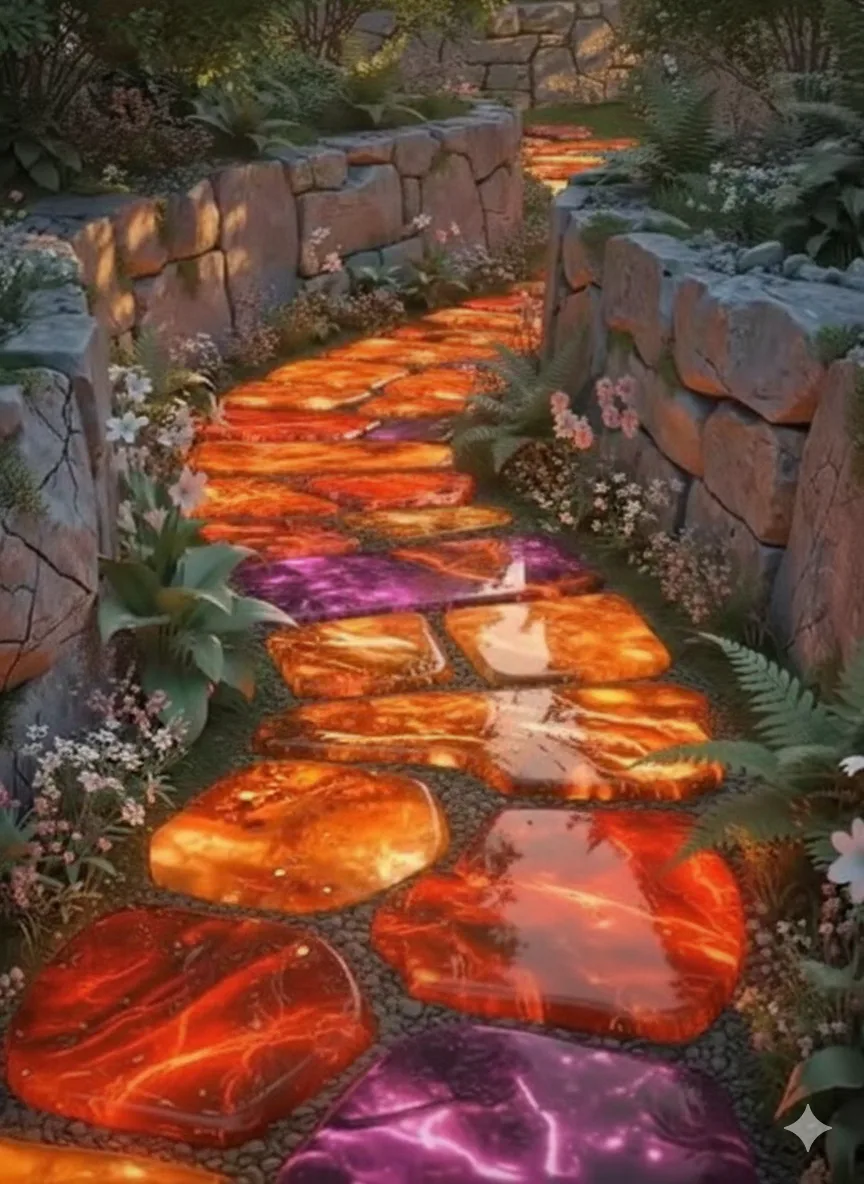
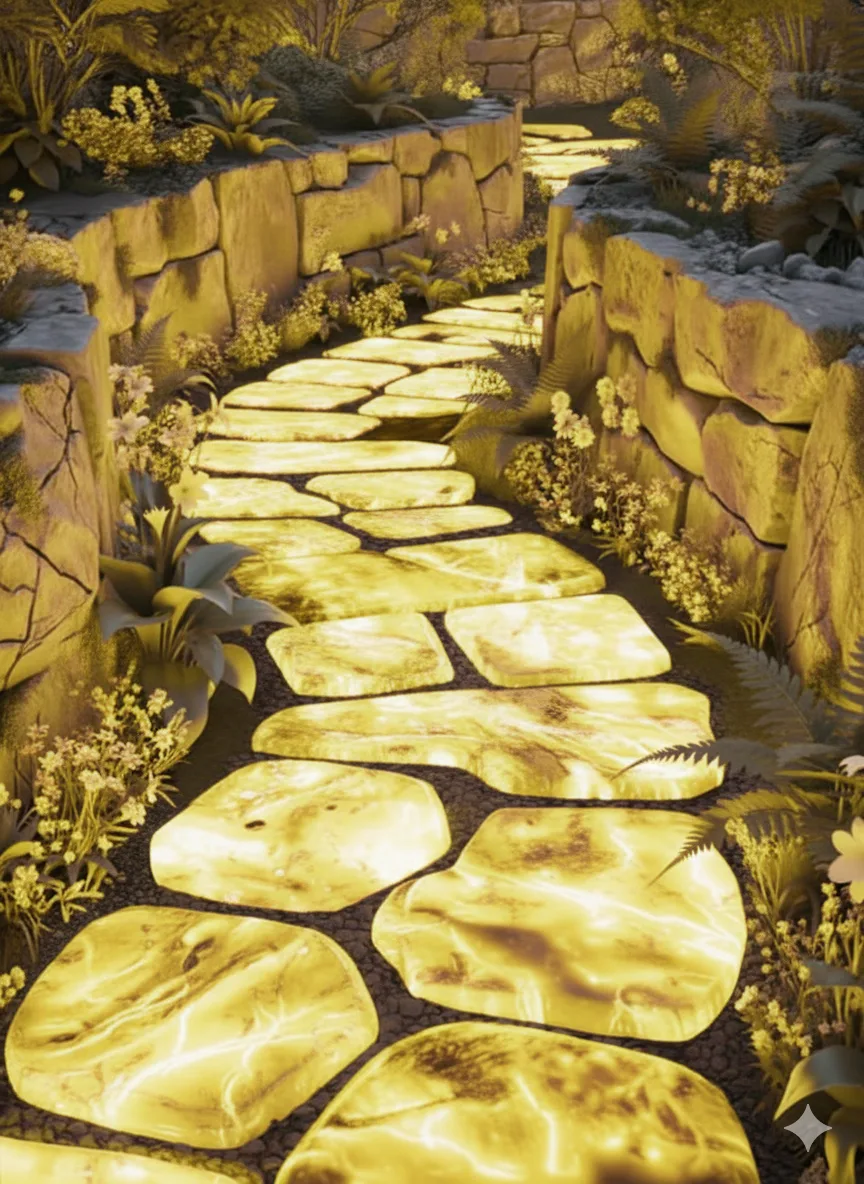
A gemstone walkway can elevate your outdoor space from ordinary to extraordinary. Whether you’re aiming for a luxurious garden path or a charming patio feature, gemstone walkways bring a unique blend of aesthetic appeal and lasting durability. In this article, we will explore how to effectively use a gemstone walkway, compare different types, and provide expert tips to help you craft a beautiful and functional outdoor feature.
A gemstone walkway is more than just a pathway; it’s a statement of style that reflects personal taste while offering practical benefits. Using this material involves careful planning, selection, and installation to ensure it complements your landscape design and withstands foot traffic over time.
Contents
- 1 Choosing the Right Gemstone for Your Walkway – An Artistic and Practical Decision
- 2 Design and Layout Ideas for Your Gemstone Walkway – Creating a Seamless Outdoor Experience
- 3 Installation and Maintenance Tips – Ensuring Longevity and Beauty
- 4 Conclusion
- 5 Exploring the Benefits of a Gemstone Walkway – Why You Should Consider One for Your Landscape
- 6 Design and Layout Ideas for Your Gemstone Walkway – Creating a Seamless Outdoor Experience
- 7 Installation and Maintenance Tips – Ensuring Longevity and Beauty
Choosing the Right Gemstone for Your Walkway – An Artistic and Practical Decision
Selecting the appropriate gemstone is critical for creating a walkway that is both beautiful and durable. Considering factors such as color, texture, cost, and maintenance helps homeowners make informed choices.
Types of Gemstones Commonly Used in Walkways
When considering a gemstone walkway, understanding the different gemstones available is essential. Some stones, like quartzite, marble, and granite, are especially popular for their durability and aesthetic appeal.
Quartzite is a natural stone that offers a range of colors—from whites and grays to vibrant blues and reds—making it versatile for various landscape designs. Its hardness rivals granite, making it resistant to wear and weathering.
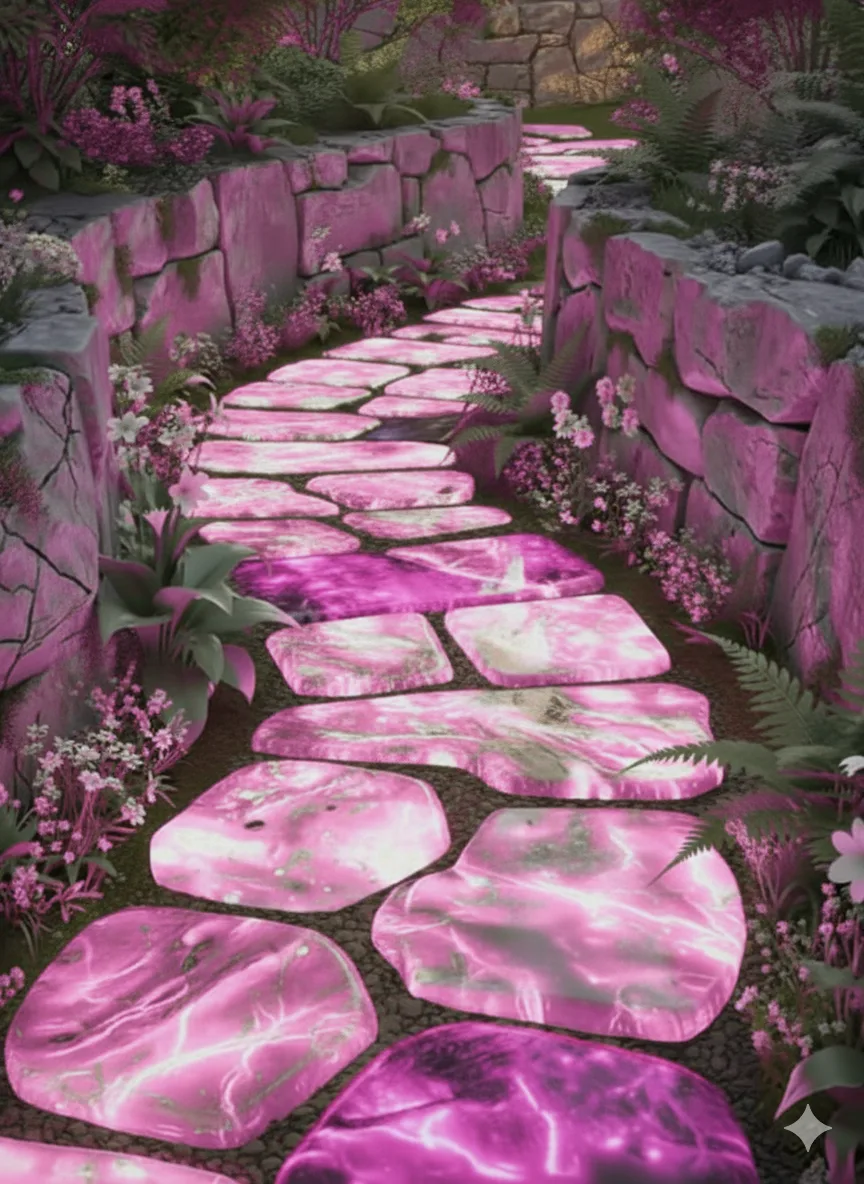
Marble, known for its elegance and timeless beauty, adds a luxurious feel but requires more maintenance due to its softer nature. It’s ideal for decorative accents or low-traffic areas where beauty takes precedence over durability.
Granite, one of the hardest stones, is exceptionally durable and suitable for high-traffic walkways. Its speckled appearance and resistance to scratches and stains make it a popular choice for long-lasting pathways.
Edge Treatments and Pattern Options
Incorporating different edging styles and patterns can enhance your gemstone walkway’s visual appeal. For example, a herringbone pattern with marble pieces creates an intricate, sophisticated look, while a random rectangular layout with quartzite offers a more natural, rustic feel.
Edge treatments, such as rounded or beveled borders, can provide a finished look and prevent chipping or cracking. Using contrasting stones for borders can also emphasize the pathway and create visual interest.
Cost and Maintenance Considerations



While gemstone walkways are a stylish choice, costs vary significantly depending on the stone type, size, and complexity of installation. Granite tends to be more expensive upfront but offers longevity that can offset initial costs. Marble, though attractive, might require sealing and occasional polishing to maintain its look.
Regular maintenance involves sweeping debris, occasional cleaning with gentle soap and water, and sealing porous stones like marble to prevent staining. Investing in quality installation and choosing weather-appropriate stones can minimize upkeep over time.
| Gemstone Type | Durability | Cost | Maintenance Level | Aesthetic Appeal |
|---|---|---|---|---|
| Quartzite | High | Moderate | Low | Versatile |
| Marble | Moderate | High | Moderate to High | Elegant |
| Granite | Very High | Moderate to High | Low | Classic and durable |
Design and Layout Ideas for Your Gemstone Walkway – Creating a Seamless Outdoor Experience
A gemstone walkway is an opportunity for personal expression, blending functionality with artistic design. This section covers layout options, design principles, and tips for customizing your pathway to enhance your landscape.
Planning Your Pathway: Flow and Functionality
Careful planning begins with understanding the flow of your outdoor space. Think about where the walkway leads: from your patio to a garden feature, around a pool, or connecting different zones. The pathway should naturally guide visitors and integrate seamlessly into your landscape.
Consider the width of the walkway—generally, 3 to 4 feet is comfortable for walking two abreast. The curvature of the path can add visual interest and soften harsh angles in your landscape.
Incorporate level changes thoughtfully; a gentle slope or step can add charm without compromising safety. Position the walkway to maximize views, sunlight, and privacy.
Incorporating Natural Elements and Accents
Integrating natural elements like plants, flowers, and water features with your gemstone walkway enhances its appeal. For example, planting lush greenery alongside the path creates a lush, inviting atmosphere.
Decorative accents such as lanterns, sculptures, or small water features placed at intervals can define the walkway and add personalized flair. Choosing stones in contrasting colors or textures can also delineate different sections or highlight specific areas.
Lighting and Safety Features
Proper lighting is essential for safety and ambiance. Installing low-voltage LED lights along the edges of your gemstone walkway illuminates the path at night, enhances safety, and accentuates the stones’ natural beauty.
Safety features should include slip-resistant surfaces and clear delineations. Textured stones or inlaid mosaics with traction properties reduce the risk of slipping, especially in rain or frost conditions.
Installation and Maintenance Tips – Ensuring Longevity and Beauty
The longevity of a gemstone walkway depends heavily on proper installation and ongoing maintenance. This section provides insights into best practices and troubleshooting common issues.
Preparing the Site and Laying the Foundation
Start with excavation and properly leveling the ground to prevent uneven settling. Ensure the base layer—often gravel or crushed stone—is compacted thoroughly to provide a stable foundation.
Use edge restraints to keep stones from shifting over time, especially on curved or sloped pathways. Laying stones in a dry-run helps visualize the final look and allows adjustments.
Installation Techniques for Stability and Aesthetics
Installing gemstones requires precision. For natural stones, dry-laying allows for pattern adjustments before permanent setting. Use a mortar mix or polymeric sand to secure stones in place, depending on the desired look and traffic level.
To enhance stability, stagger stones to avoid uniform joints, which can weaken over time. Fill gaps with sand or fine gravel for a seamless, tight fit, reducing weed growth and erosion.
Maintenance Tips for Long-Term Beauty
Regular cleaning is vital to preserve the gem-like appearance of your walkway. Sweep debris regularly, and wash with mild soap and water for grime removal.
Sealants dedicated for natural stone help protect against stains and weather damage. Reapply sealant every few years, especially in climates with freeze-thaw cycles or heavy rainfall.
Address cracks or chips promptly by replacing damaged stones or filling with compatible material. Periodic re-grouting or joint filling maintains stability and aesthetic integrity.
Conclusion
A gemstone walkway offers an exquisite way to enhance your outdoor space, combining aesthetic elegance with structural resilience. Its careful selection, thoughtful design, and meticulous installation can transform a simple garden path into a captivating feature that impresses guests and elevates your landscape. Embracing natural beauty, durability, and creative layout options ensures your gemstone walkway remains a treasured part of your home for years to come.
Exploring the Benefits of a Gemstone Walkway – Why You Should Consider One for Your Landscape
A gemstone walkway is more than just a pathway; it serves as a centerpiece in your outdoor space, reflecting personal style while providing functional benefits. Here, we delve into the advantages of incorporating a gemstone walkway into your garden or yard.
Aesthetics and Personalization Options
One of the most alluring aspects of a gemstone walkway is its significant contribution to the overall aesthetics of a property. Gemstones come in various colors, sizes, and textures, allowing homeowners to express their unique tastes and preferences. The shimmering qualities of natural stones, like quartz or jasper, can add luxury and grandeur to even the simplest of landscapes.
When selecting gemstones for your walkway, consider the overarching theme of your property. For example, if your home boasts a modern design, sleek and polished stones like granite can create a sophisticated feel. In contrast, earthy tones and rugged stones might better suit a rustic home. Customizing your walkway to complement existing landscape features can make the entire area feel cohesive and thoughtfully designed.
Personalization doesn’t stop at colors and types of gems. You can create patterns, borders, or even inlays that reflect your personality. Patterns can range from traditional herringbone layouts to intricate mosaic designs that showcase artistry and craftsmanship.
Eco-Friendly Considerations
In today’s environmentally conscious world, the materials used in landscaping are of utmost importance. Gemstone walkways are generally more sustainable than conventional concrete or asphalt paths. Many gemstones are sourced locally and require little processing, reducing both environmental impact and transportation costs.
Incorporating a gemstone walkway is also beneficial in terms of permeability. Unlike traditional paved pathways, many natural stones allow for water absorption, reducing runoff and promoting natural irrigation in your garden. This can lead to healthier plants and soil while minimizing standing water and erosion.
Additionally, natural stone walkways can integrate well with various native plants, encouraging a balanced ecosystem. Opting for materials with less environmental harm and better water drainage solutions can also contribute to your landscape’s overall biodiversity and health.
Durability and Longevity
Gemstones are renowned for their strength and durability. A well-installed gemstone walkway can endure the elements—whether rain, sun, or snow—for years without significant wear. This makes your investment worthwhile, as the initial higher cost associated with gemstone options can often be offset by their remarkable longevity.
Additionally, gemstones do not easily fade like painted surfaces. Their color vibrancy remains intact through harsh weather, meaning they retain their beauty for much longer than many alternative materials. Regular maintenance involves great simplicity, which could include periodic cleaning and resealing to prevent stains, ensuring that your gemstone walkway remains visually appealing year after year.
While many other materials might require full replacement or resurfacing, gemstones wear down gradually and maintain their integrity. This longevity makes them an excellent choice for those seeking a balance between aesthetics and practical functionality.
Design and Layout Ideas for Your Gemstone Walkway – Creating a Seamless Outdoor Experience
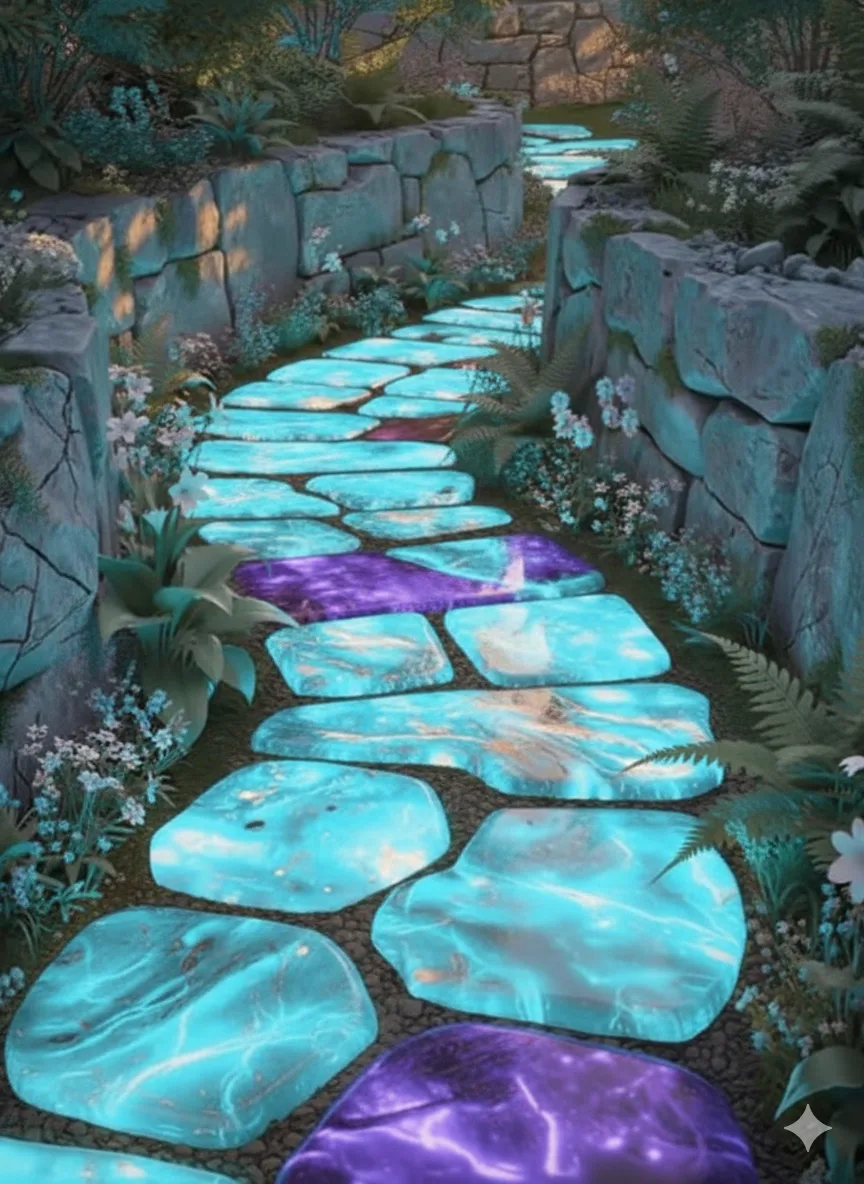
A gemstone walkway is an opportunity for personal expression, blending functionality with artistic design. This section covers layout options, design principles, and tips for customizing your pathway to enhance your landscape.
Planning Your Pathway: Flow and Functionality
Careful planning begins with understanding the flow of your outdoor space. Think about where the walkway leads: from your patio to a garden feature, around a pool, or connecting different zones. The pathway should naturally guide visitors and integrate seamlessly into your landscape.
Consider the width of the walkway—generally, 3 to 4 feet is comfortable for walking two abreast. The curvature of the path can add visual interest and soften harsh angles in your landscape.
Incorporate level changes thoughtfully; a gentle slope or step can add charm without compromising safety. Position the walkway to maximize views, sunlight, and privacy.
Incorporating Natural Elements and Accents
Integrating natural elements like plants, flowers, and water features with your gemstone walkway enhances its appeal. For example, planting lush greenery alongside the path creates a lush, inviting atmosphere.
Decorative accents such as lanterns, sculptures, or small water features placed at intervals can define the walkway and add personalized flair. Choosing stones in contrasting colors or textures can also delineate different sections or highlight specific areas.
Lighting and Safety Features
Proper lighting is essential for safety and ambiance. Installing low-voltage LED lights along the edges of your gemstone walkway illuminates the path at night, enhances safety, and accentuates the stones’ natural beauty.
Safety features should include slip-resistant surfaces and clear delineations. Textured stones or inlaid mosaics with traction properties reduce the risk of slipping, especially in rain or frost conditions.
Installation and Maintenance Tips – Ensuring Longevity and Beauty
The longevity of a gemstone walkway depends heavily on proper installation and ongoing maintenance. This section provides insights into best practices and troubleshooting common issues.
Preparing the Site and Laying the Foundation
Start with excavation and properly leveling the ground to prevent uneven settling. Ensure the base layer—often gravel or crushed stone—is compacted thoroughly to provide a stable foundation.
Use edge restraints to keep stones from shifting over time, especially on curved or sloped pathways. Laying stones in a dry-run helps visualize the final look and allows adjustments.
Installation Techniques for Stability and Aesthetics
Installing gemstones requires precision. For natural stones, dry-laying allows for pattern adjustments before permanent setting. Use a mortar mix or polymeric sand to secure stones in place, depending on the desired look and traffic level.
To enhance stability, stagger stones to avoid uniform joints, which can weaken over time. Fill gaps with sand or fine gravel for a seamless, tight fit, reducing weed growth and erosion.
Maintenance Tips for Long-Term Beauty
Regular cleaning is vital to preserve the gem-like appearance of your walkway. Sweep debris regularly, and wash with mild soap and water for grime removal.
Sealants dedicated for natural stone help protect against stains and weather damage. Reapply sealant every few years, especially in climates with freeze-thaw cycles or heavy rainfall.
Address cracks or chips promptly by replacing damaged stones or filling with compatible material. Periodic re-grouting or joint filling maintains stability and aesthetic integrity.
A gemstone walkway offers an exquisite way to enhance your outdoor space, combining aesthetic elegance with structural resilience. Its careful selection, thoughtful design, and meticulous installation can transform a simple garden path into a captivating feature that impresses guests and elevates your landscape. Embracing natural beauty, durability, and creative layout options ensures your gemstone walkway remains a treasured part of your home for years to come.