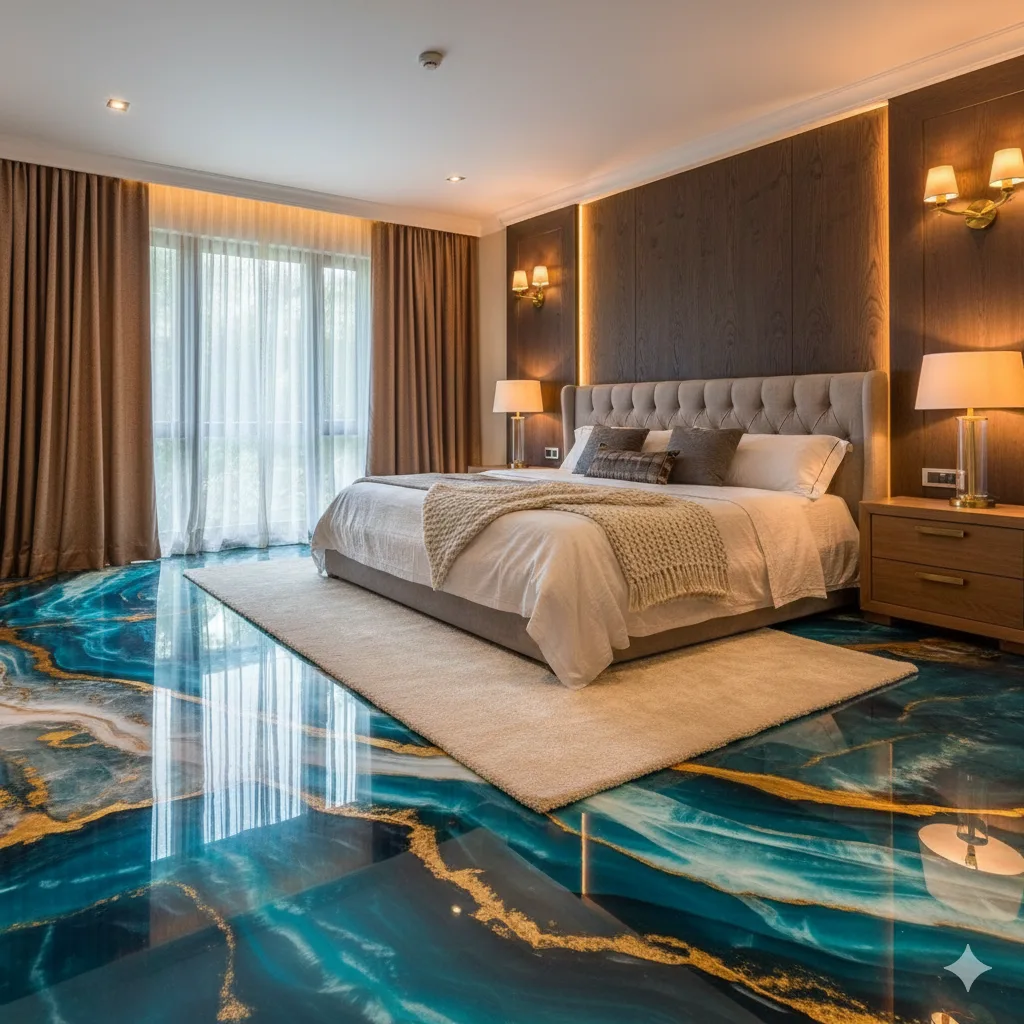
Epoxy agate flooring offers a unique blend of durability, elegance, and sophistication that can transform any space into a luxurious environment. Known for its mesmerizing, gemstone-like appearance, epoxy agate flooring is rapidly becoming a sought-after choice in both residential and commercial settings. Its versatility, combined with low maintenance, makes it an ideal option for those looking to elevate their interior design while investing in a resilient flooring solution. Whether you want to make a bold statement in your living room or create a refined atmosphere in your office, epoxy agate flooring can be your go-to solution.
In this article, we will explore how to use epoxy agate flooring effectively, provide examples of its application, compare it with other decorative flooring options, and offer expert advice for maintaining and customizing your epoxy agate surfaces. Dive in to discover how this captivating flooring can redefine your space with a touch of elegance and modern innovation.
Contents
Understanding Epoxy Agate Flooring: The Basics and Its Unique Characteristics
Epoxy agate flooring is a type of decorative concrete flooring that mimics the natural beauty of agate gemstones. This flooring involves the use of epoxy resin combined with various colored aggregates and decorative elements to produce a striking, multi-dimensional surface. Its ability to emulate the visual appeal of agate stones while providing excellent structural integrity makes it stand out among other flooring options.
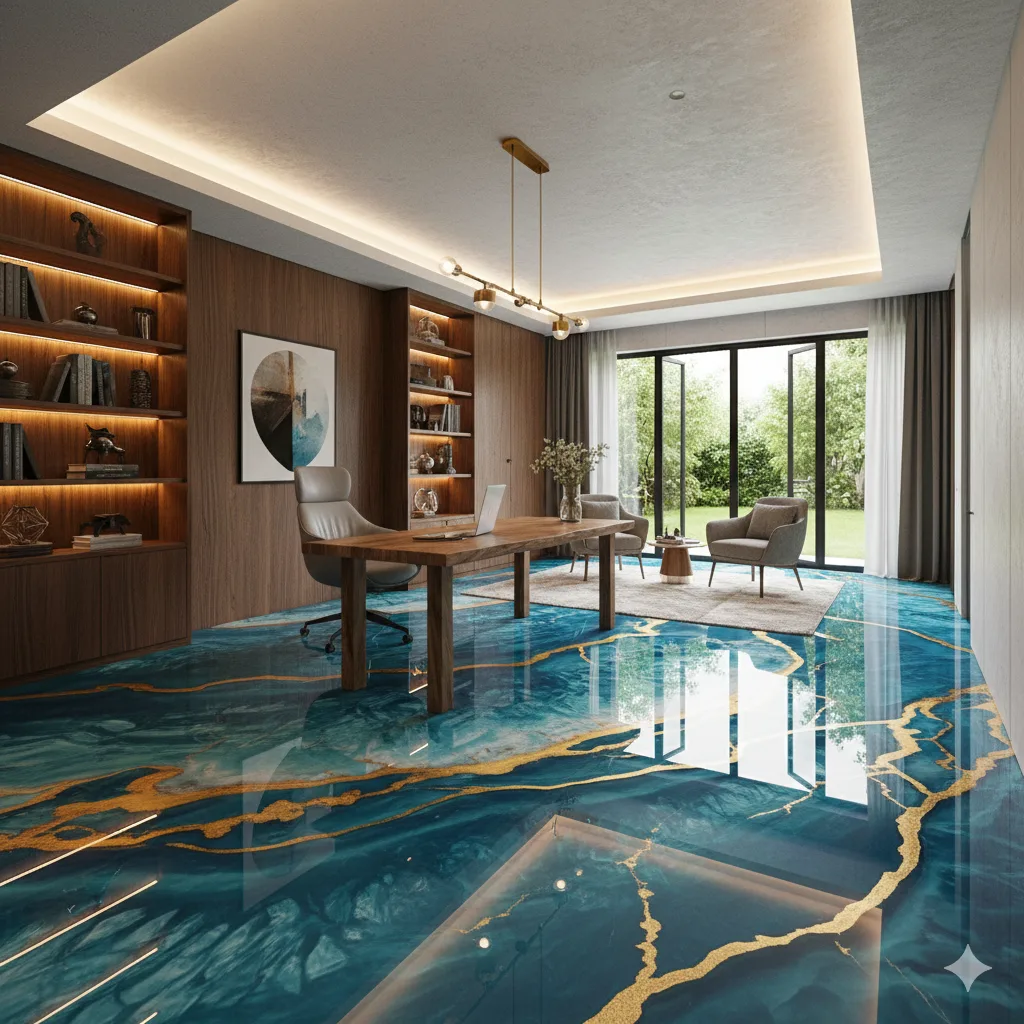
Before deciding to install epoxy agate flooring, it’s essential to understand its composition, advantages, and the fundamental techniques used in its creation. The process begins with preparing a concrete base, followed by a carefully layered application of epoxy resin mixed with pigments and decorative inserts. When finished, a high-gloss sealant enhances its gemstone-like glow, adding depth and brilliance to the surface.
Choosing epoxy agate flooring requires considering factors such as the environment, foot traffic, and aesthetic goals. Its chemical resistance and seamless finish make it perfect for high-traffic areas and spaces that demand both function and style. By understanding its unique characteristics, homeowners and designers can leverage its full potential to create spaces that truly stand out.
The Composition and Material Choices in Epoxy Agate Flooring
The core of epoxy agate flooring lies in its specialized materials. Epoxy resin serves as the binding agent, creating a durable and cohesive surface. Embedded within the resin are various aggregates—these can include crushed glass, semi-precious stones, mineral powders, or specific colored pigments that emulate natural agate patterns. Sometimes, metallic pigments are added to introduce shimmering effects, further elevating the gemstone illusion.
The selection of materials significantly influences the final appearance of the epoxy agate flooring. For instance, using crushed glass provides a sparkling, reflective quality reminiscent of real gemstones, while mineral powders lend a more subtle, earthy tone. Deco artists often customize these elements based on client preferences, making each installation unique and personalized. Durability is also enhanced through additional protective coatings, which safeguard the design against scratches, UV damage, and chemical exposure.
Understanding the chemistry and physics behind these materials can help in planning a comprehensive epoxy agate flooring project. Proper mixing ratios, curing times, and surface preparation are crucial to achieving the desired crystal-clear finish and enduring resilience. When executed correctly, this flooring becomes more than just decorative—it’s a work of art embedded into your floor.
Pros and Cons of Installing Epoxy Agate Flooring
Epoxy agate flooring presents many compelling benefits, yet some limitations should be acknowledged. Its aesthetic appeal is unparalleled, as it offers a luxurious, natural gemstone look that can elevate the ambiance of any space. Additionally, it boasts high durability, resistance to chemical spills, and minimal maintenance needs—making it suitable for both commercial establishments and upscale residential interiors.
However, the installation process can be labor-intensive and requires skilled professionals to ensure a flawless finish. The cost of materials and labor may be higher compared to standard flooring options, especially when custom designs are involved. Also, during installation and curing, adequate ventilation and environmental control are necessary to prevent imperfections or bonding issues.



Ultimately, whether epoxy agate flooring is the right choice depends on your specific needs, environment, and aesthetic expectations. If durability, exclusivity, and visual impact are your priority, epoxy agate flooring could be an investment worth making. Its advantages often outweigh the cons, especially when installed by experienced craftsmen dedicated to quality results.
How to Use Epoxy Agate Flooring in Your Decor – Practical Ideas and Inspirations
Using epoxy agate flooring effectively involves understanding its versatile applications across different spaces. Its mesmerising, gemstone-like appearance can serve as a focal point or complement other decorative elements without overwhelming your overall design. The key is to balance its grandeur with thoughtful placement and complementary furnishings to create a harmonious environment.
Applying epoxy agate flooring is a multi-step process involving surface preparation, design planning, epoxy application, and sealing. When executed correctly, it results in a seamless, high-gloss surface that enhances the aesthetic value of any area. From entryways to luxury bathrooms, epoxy agate flooring creates an immediate visual impact that speaks of sophistication and artistry.
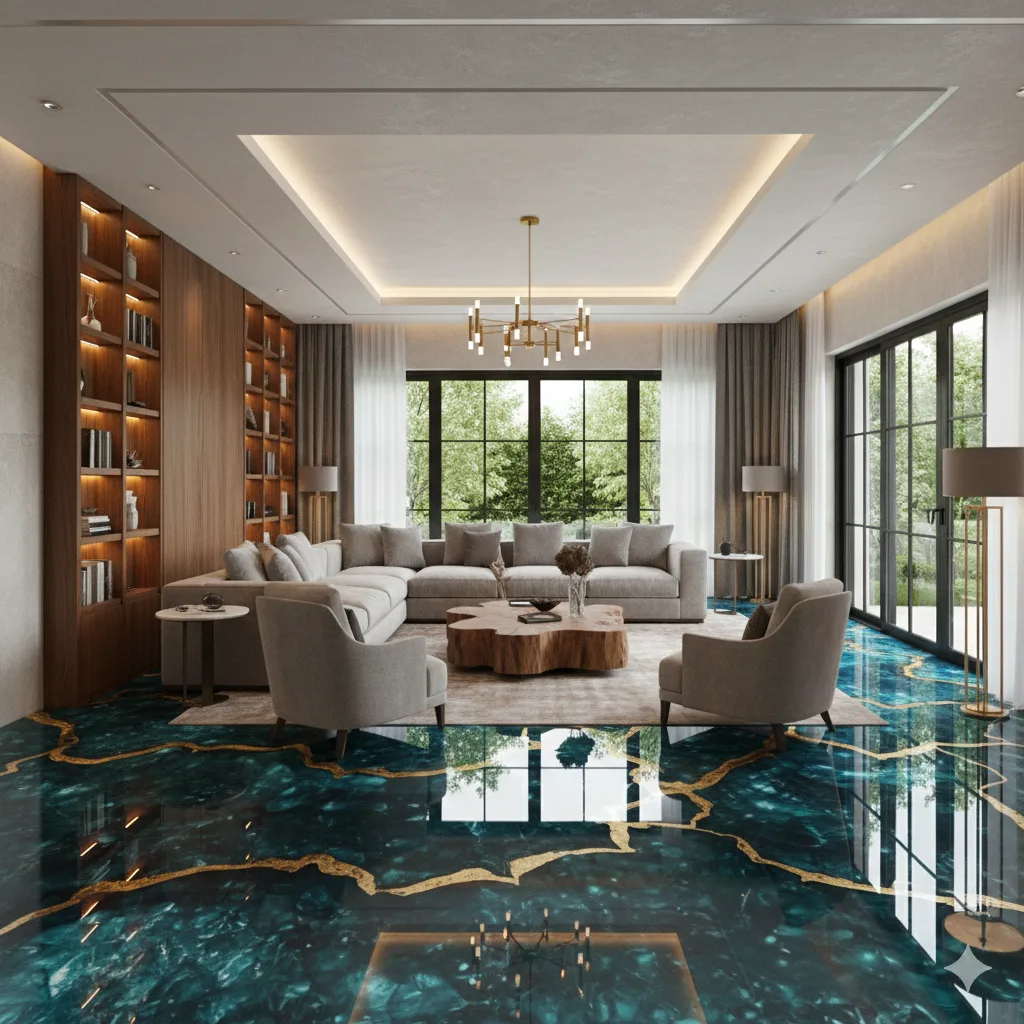
In terms of usage, epoxy agate flooring excels in various settings—from residential living rooms and kitchens to commercial lobbies, retail stores, and spa centers. The seamless, durable surface is not only visually appealing but also practical, as it withstands heavy foot traffic and resists stains. Its potential for customization allows homeowners and designers to tailor colors, patterns, and finishes to fit the overall theme of a space.
Creative Applications in Residential Spaces
In homes, epoxy agate flooring can dramatically uplift the design, especially in focal areas like entryways, living rooms, or even bedrooms. Its gemstone effect can serve as a statement feature, drawing the eye and setting the tone for interior decor. For example, a luxurious foyer with epoxy agate flooring provides visitors with an immediate sense of elegance and exclusivity.
Designers often pair epoxy agate floors with minimalist furniture and neutral palettes to let the flooring stand out. Alternatively, integrating complementary colors derived from the stone’s hues can create a cohesive look. For bathrooms and kitchens, epoxy agate flooring offers waterproof, slip-resistant surfaces that combine safety with beauty—perfect for those seeking style and function.
When used wisely, epoxy agate flooring also adds value to the property because of its high-end appearance. It offers homeowners the opportunity to personalize their space with a distinctive feature that is both eye-catching and resilient. To maximize its impact, pairing it with elegant lighting and sleek accessories can highlight the unique patterns and shimmering effects.
Enhancing Commercial Spaces with Epoxy Agate Flooring
Commercial environments benefit greatly from epoxy agate flooring due to its combination of visual appeal and practicality. High-end hotels, boutique retail outlets, and upscale offices can utilize the gemstone-like surface to create a memorable impression on clients and visitors. The reflective qualities of the flooring amplify lighting, making spaces feel larger and more inviting.
In retail stores, epoxy agate flooring does more than just look good; it helps define branding and atmosphere. For example, a jewelry boutique can accentuate its luxury theme by installing a shimmering agate-inspired floor that complements its products. In office lobbies, it conveys professionalism and style, serving as an instant marker of quality and attention to detail.
Durability is especially critical in commercial settings, and epoxy agate flooring offers an advantage with its resistance to abrasion and chemical spills. Regular maintenance involves simple cleaning routines, allowing businesses to keep their environment pristine without extensive downtime. Decorators and architects often incorporate epoxy agate floors to elevate the interior design without sacrificing functionality or sustainability.
Comparing Epoxy Agate Flooring with Other Decorative Options – What Sets It Apart?
Choosing the right flooring means evaluating options against each other based on aesthetics, durability, cost, and ease of installation. Epoxy agate flooring is distinguished from other decorative surfaces by its gemstone-like appearance, seamless finish, and incredible versatility. While other options such as polished concrete, vinyl, or ceramic tiles have their merits, epoxy agate offers a distinctive combination of beauty and performance.
When compared to epoxy terrazzo or resin-based decorative floors, epoxy agate often provides a more vibrant, three-dimensional effect that captures light dramatically. Unlike traditional tiles, it does not introduce grout lines or seams, resulting in a smooth surface that enhances safety and cleanliness. The ability to incorporate unique patterns and embedded elements makes epoxy agate more customizable, aligning it with high-end design trends.
Cost-wise, epoxy agate flooring may initially require a higher investment due to material costs and skilled labor. However, its longevity and low maintenance often lead to cost savings over time. It is also less prone to chipping and cracking compared to natural stone or concrete, ensuring that the aesthetic appeal remains intact for years.
Comparing Durability and Maintenance Needs
Durability is a major consideration when selecting flooring, especially in settings with heavy foot traffic or exposure to chemicals. Epoxy agate flooring excels in this category due to the protective epoxy layer that shields the underlying surface from scratches, stains, and UV damage. Its resistance to impact makes it suitable for industrial and commercial environments where robust performance is essential.
Maintenance of epoxy agate floors is straightforward—regular sweeping and occasional cleaning with mild detergents keep the surface looking pristine. Unlike porous natural stones that require sealing and special cleaning agents, epoxy agate’s non-porous nature prevents liquid absorption, reducing the likelihood of stains or bacterial growth. This ease of maintenance contributes to the flooring’s popularity in spaces demanding hygiene and longevity.
However, it’s important to avoid harsh abrasives or solvents that could damage the epoxy surface, and periodic resealing may be necessary to preserve its gloss and protective layer. Overall, epoxy agate flooring balances aesthetic finesse with resilience, often surpassing other decorative options in demanding environments.
Cost and Installation Time: A Comparative Overview
Cost remains a pivotal factor in flooring selection. While epoxy agate flooring can be more expensive upfront than basic options like vinyl or carpet, its durability, unique design, and low maintenance costs compensate over time. Professional installation is recommended to achieve a flawless finish, which may extend installation time but ensures long-lasting results.
Compared to natural stone or hardwood flooring, epoxy agate might be quicker and less labor-intensive, especially in complex patterns or large areas. The seamless application process minimizes installation challenges such as grout issues or uneven surfaces. Furthermore, epoxy can be applied over existing surfaces, reducing demolition and preparatory work—this adaptability speeds up project timelines and reduces costs.
Ultimately, the decision hinges on your budget, aesthetic goals, and functional needs. Even though epoxy agate flooring involves a higher initial investment, its lasting beauty and resilience make it a smart choice for those seeking a high-end, durable surface that truly stands out.
Epoxy agate flooring represents a fusion of artistry and engineering—delivering captivating gemstone-like aesthetics with unparalleled durability. Its versatility allows for a broad range of applications from luxurious residential interiors to high-end commercial spaces, making it an increasingly popular choice among designers and homeowners alike. When considering epoxy agate flooring, understanding its composition, application techniques, and comparison with other decorative options can help ensure a successful installation and lasting satisfaction. By choosing this innovative flooring, you’re investing in a stunning, resilient surface that elevates your environment with elegance and modern flair, truly turning ordinary floors into extraordinary features of your space.