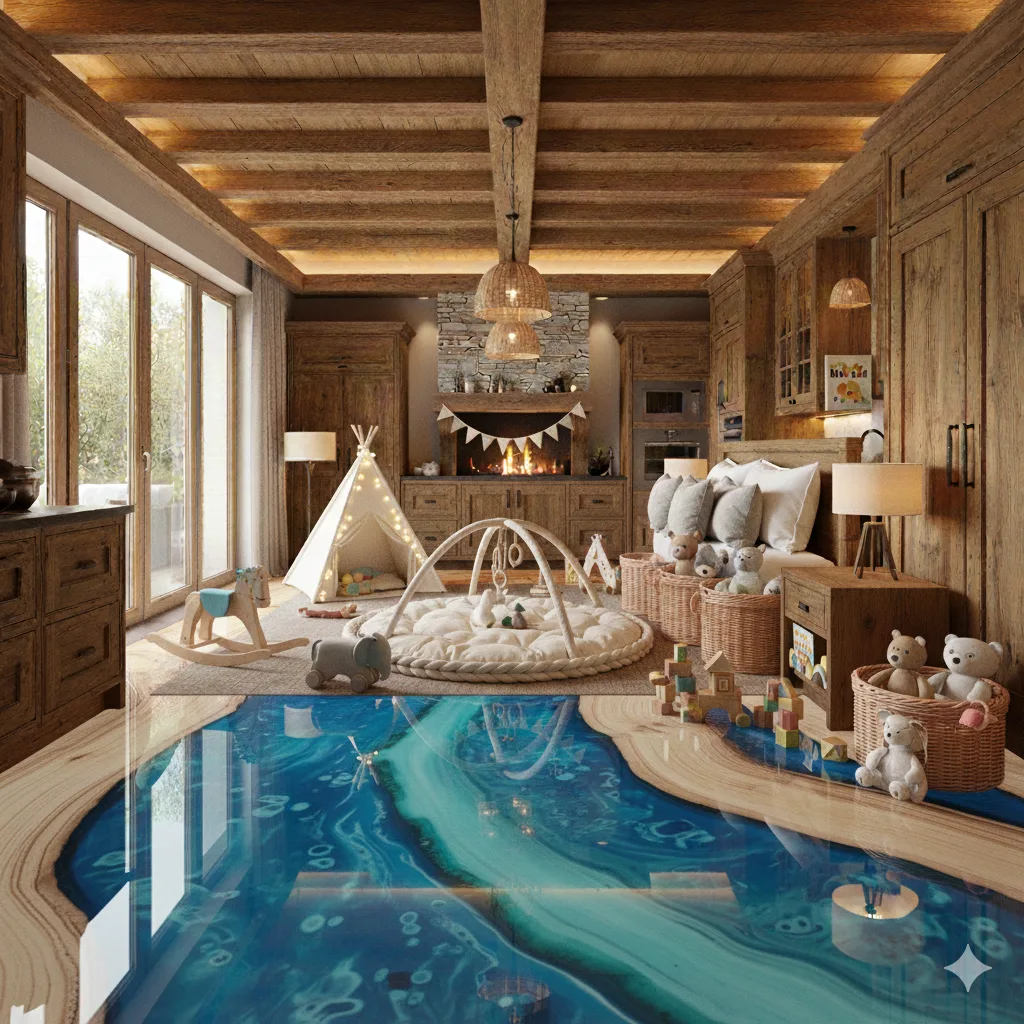
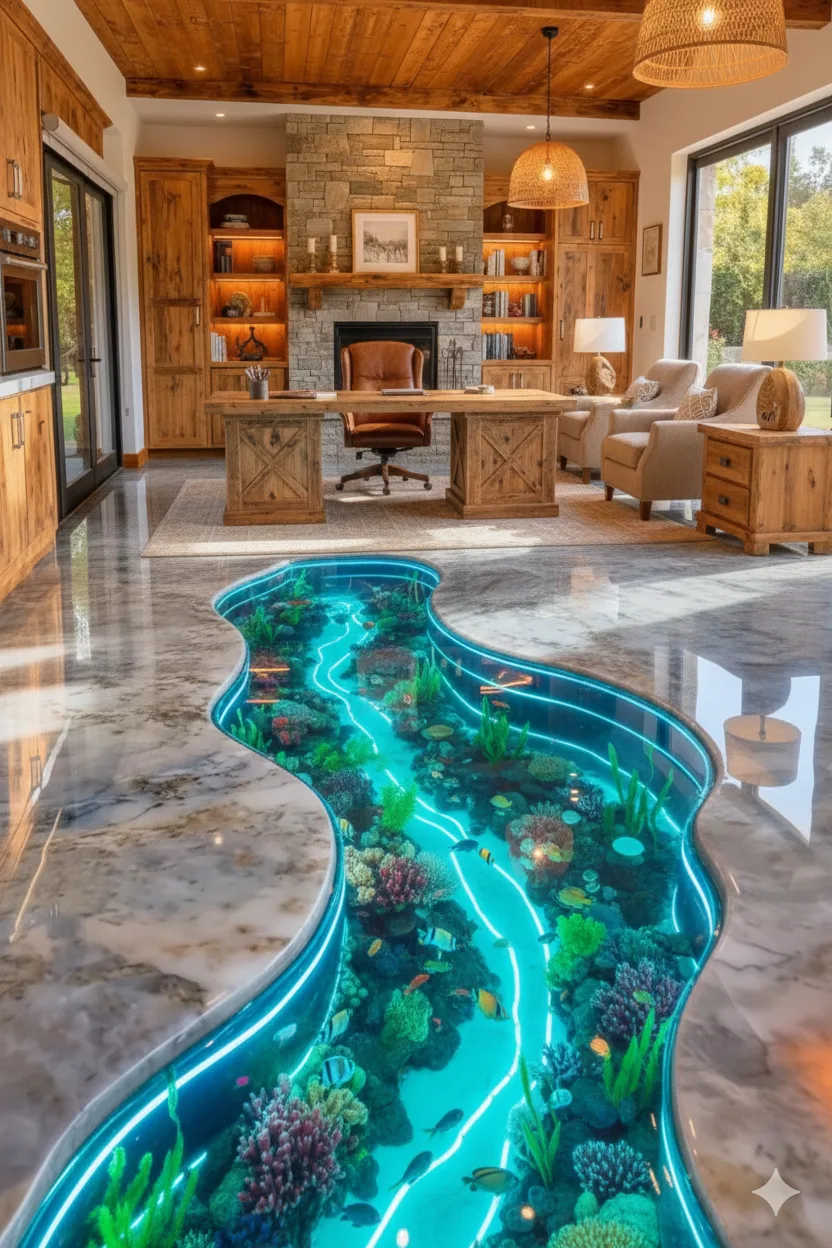
Epoxy river flooring is revolutionizing interior and exterior design, blending aesthetic appeal with exceptional durability. This innovative flooring technique features mesmerizing, flowing patterns that mimic natural rivers, transforming ordinary surfaces into captivating works of art. Whether used in residential homes, commercial spaces, or outdoor patios, epoxy river flooring offers a unique solution to elevate any environment with style and resilience.
In this article, we will explore the versatile applications of epoxy river flooring, how to utilize this technique effectively, compare it with other flooring options, and provide expert advice on achieving the best results. Discover how this flooring trend can turn your spaces into breathtaking showcases of craftsmanship and modern design.
Contents
Understanding Epoxy River Flooring – The Artistry of Flowing Elegance
Epoxy river flooring combines the chemical strength of epoxy resins with artistic design, creating a striking visual effect that resembles the movement of a river flowing through terrain. Its appeal lies not only in its beauty but also in its customizable nature, allowing homeowners and designers to craft personalized, functional surfaces that last.
Before diving into applications and techniques, it’s important to grasp what makes epoxy river flooring unique. Unlike standard epoxy coatings, which offer smooth, uniform finishes, epoxy river floors incorporate embedded epoxy “rivers” or “streams” that flow across the surface, often filled with contrasting colors or metallic pigments. This process requires skillful layering and precise control over the epoxy application to achieve natural-looking, organic patterns.
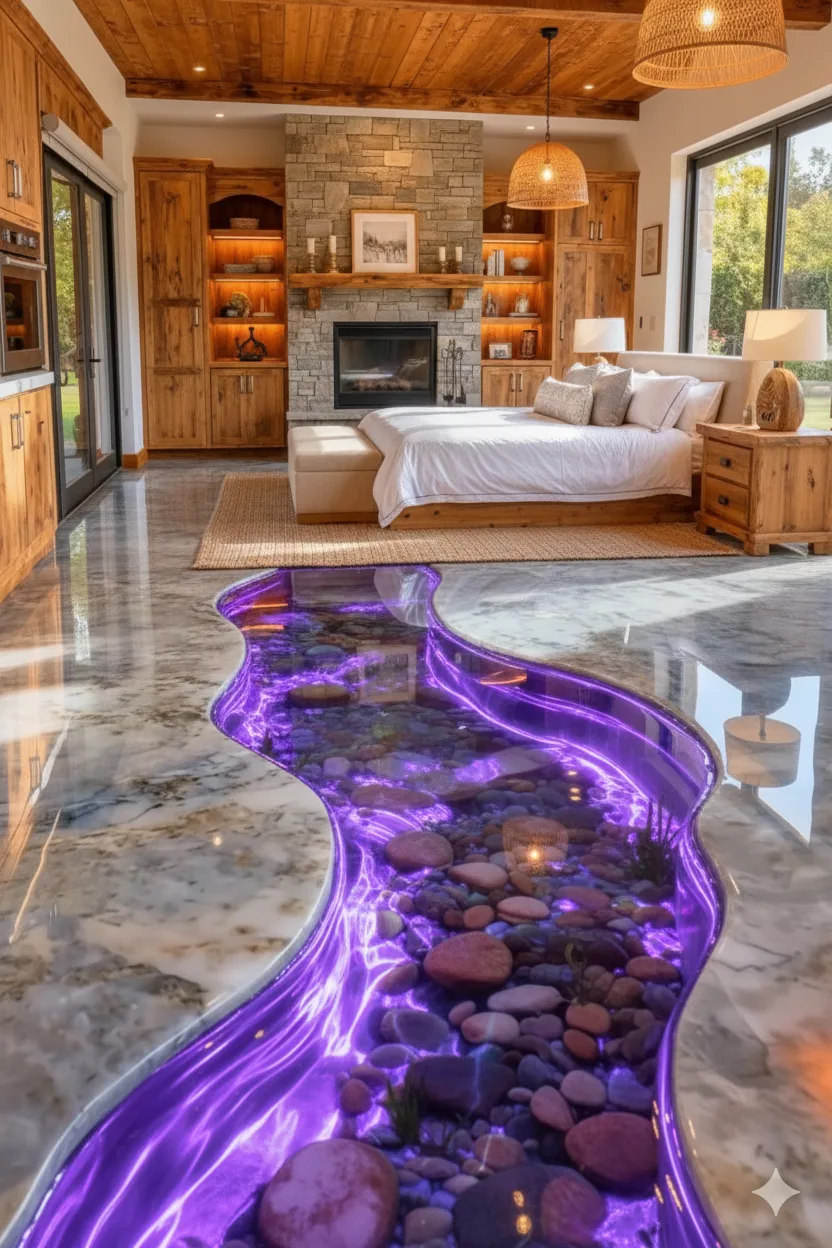
This flooring technique is immensely versatile, opening opportunities for creative expression. It’s popular in luxury homes, boutique retail stores, modern offices, and outdoor patios. The balance between artistic design and practicality makes epoxy river flooring a sought-after choice for those wanting to leave a lasting impression.
The Materials and Preparation – Laying the Foundation for Success
Creating a stunning epoxy river floor begins with meticulous preparation. Selecting high-quality epoxy resins is essential, especially those designed for artistic applications, as they offer better clarity, color stability, and UV resistance.
The surface must be thoroughly cleaned and leveled before application. Any cracks, imperfections, or debris can compromise the final look and durability of the epoxy flooring. Depending on the substrate, primers or sealers may be necessary to ensure proper adhesion.
Once the base is ready, the artist or installer maps out the desired design, sketching where the “rivers” will flow. Using stakes, tape, or a stencil can help maintain precision during the layering process. After the design is in place, layers of epoxy are poured, mixed with pigments or metallic powders to create the flowing river effect, and then meticulously manipulated with tools like brushes or heat guns to generate natural patterns.
Application Techniques – Crafting the Flow of Nature
The application process of epoxy river flooring is both an art and a science. The goal is to mimic the organic flow of rivers and streams, which requires patience, skill, and an eye for detail. Layering epoxy in stages allows for depth, color variation, and the realistic appearance of water currents.
Typically, the process involves pouring a base epoxy coat, followed by the addition of river epoxy mixtures in designated areas. These mixtures often contain contrasting or metallic pigments to create shimmer and movement. Using tools such as spatulas or styluses, the installer gently manipulates the epoxy to form flowing shapes, blending colors seamlessly to resemble natural watercourses.



Timing and environmental conditions such as temperature and humidity play a critical role. Working in a controlled environment ensures proper curing and reduces the risk of bubbles or cracks. Once the epoxy rivers are shaped and dried, a final clear topcoat seals the design, providing gloss and protection against wear and UV exposure, making epoxy river flooring suitable for high-traffic areas.
Examples and Comparisons – How Epoxy River Flooring Stands Out
Epoxy river flooring stands apart from traditional epoxy floors and other decorative surfaces through its artistic versatility. Its ability to incorporate complex designs with 3D effects makes it ideal for creating immersive environments and showcasing craftsmanship.
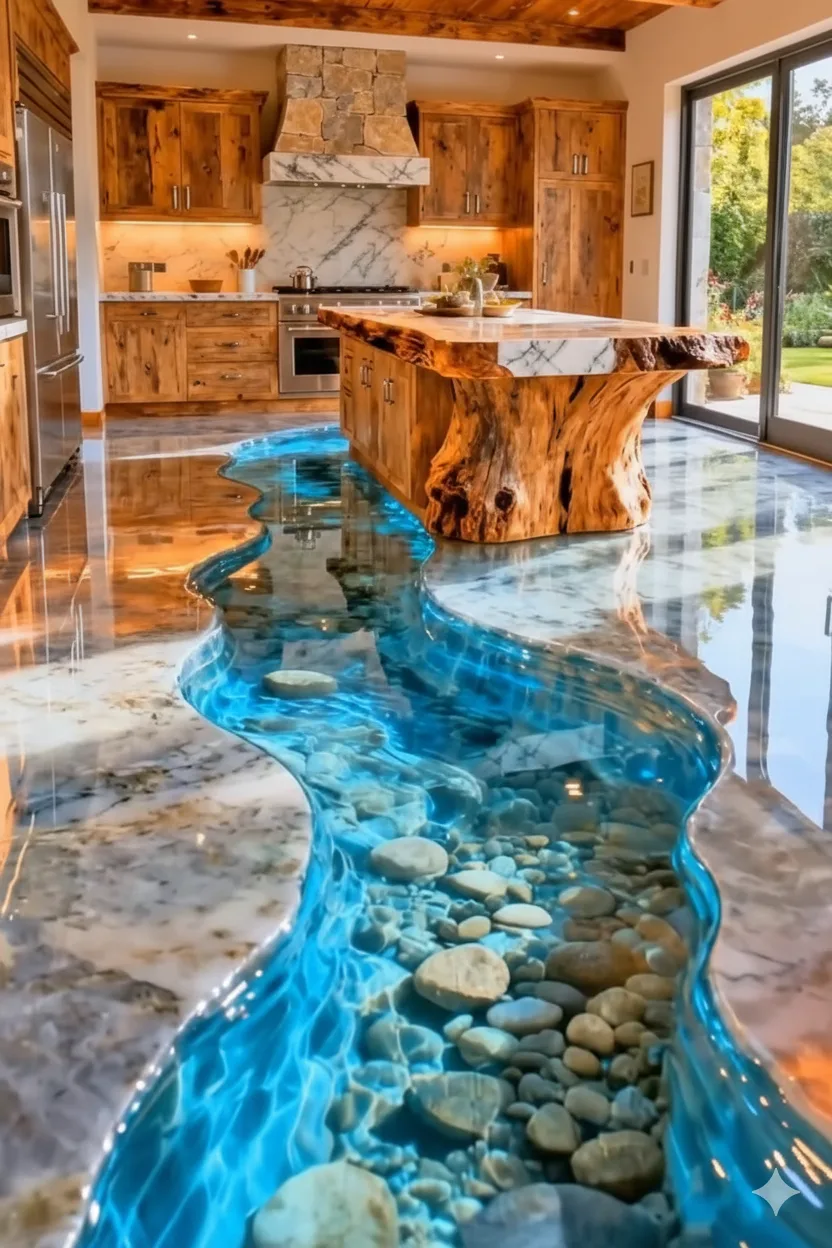
In residential settings, epoxy river flooring can be used in kitchens to imitate flowing water accents or in entryways to make an impressive first impression. Commercial spaces benefit from its durability and dramatic appeal, elevating brands and creating memorable customer experiences. Outdoor patios and pools, when finished with epoxy river techniques, can mimic natural waterways, blending seamlessly with surrounding landscape.
Compared to options like vinyl, tile, or polished concrete, epoxy river flooring offers superior customization, seamless installation, and a level of depth and shimmer that other materials often can’t replicate. While the initial cost may be higher, its longevity and visual impact justify the investment, especially when executed with professional skill.
Creative Examples – Bringing Designs to Life
One popular example involves a living room feature floor where epoxy rivers weave between resin-embedded stones, creating a visual and tactile connection to nature. In commercial settings, a retail store floor might incorporate flowing gold or silver rivers within a contrasting background to highlight luxury and sophistication.
Another instance includes outdoor patios where epoxy rivers filled with glitter resemble flowing streams, integrated with natural stone borders. Such designs add a dynamic element that changes with lighting and viewing angles, making them engaging and vibrant.
Comparing Epoxy River Flooring with Other Decorative Options
When comparing epoxy river flooring with other decorative surfaces, several factors come into focus. Traditional concrete staining provides color but lacks the depth and 3D effects achievable with epoxy techniques. Tile and stone offer durability but often lack the seamless flow of designs found in epoxy rivers.
Resin art projects, while similar in creative potential, don’t match the durability or water-resistant qualities of epoxy floors. Carpets and vinyl may be more affordable initially, but they seldom match the longevity and visual sophistication of epoxy river flooring.
Epoxy river flooring’s main advantage lies in its ability to combine function, durability, and high-end aesthetics — a trinity that appeals to a wide array of design preferences.
How to Use and Maintain Epoxy River Flooring – Expert Tips for Lasting Beauty
The application of epoxy river flooring requires careful planning and execution, but maintaining its beauty over time is equally important. Proper usage and regular maintenance ensure that the flow of artistic beauty lasts for many years, resisting wear, yellowing, and environmental damage.
Before applying epoxy river flooring, consider factors such as environmental conditions, surface compatibility, and the desired design. It’s advisable to work with professionals experienced in artistic epoxy applications to achieve the best results. During installation, patience is key—allow sufficient drying and curing time at each stage.
Post-installation, routine cleaning with gentle, non-abrasive cleaners preserves the glossy finish and prevents buildup of dirt and debris. Avoid harsh chemicals or abrasive tools that might scratch or dull the surface. If chips or cracks develop over time, professional repair can seamlessly restore the flowing river patterns without compromising the overall aesthetic.
Adding a UV-resistant topcoat is highly recommended for outdoor applications to prevent fading from sunlight exposure. Additionally, using rugs or furniture pads in high-traffic areas can help protect the epoxy surface from scratches and stains, ensuring the flowing rivers continue to shimmer beautifully.
Epoxy river flooring is a captivating fusion of artistry and engineering that offers a unique way to redefine spaces. Its ability to mimic the natural movement of water through layered epoxy techniques results in stunning, durable surfaces suitable for various environments — from elegant homes to vibrant commercial venues. By understanding the materials, mastering application techniques, and committing to proper maintenance, you can harness the full potential of epoxy river flooring to create mesmerizing, long-lasting finishes that truly stand out.
The Allure of Epoxy River Flooring
Epoxy river flooring captivates homeowners and designers alike, melding art with functionality to craft visually stunning surfaces. The beauty of this flooring solution lies not only in its aesthetic appeal but also in its resilience and adaptability. Epoxy is a synthetic polymer that, when mixed with hardeners, creates a durable flooring option that stands up to heavy foot traffic and environmental challenges.
The flexibility of epoxy allows for creative expression, providing the opportunity to recreate the flow of natural rivers or streams beneath your feet. By creating layers of resin that mimic the undulating movement of water, this process fosters an engaging interplay of shapes and colors that can transform the ambiance of any space.
The layers of epoxy can be infused with various pigments, glitter, and organic materials, allowing for unique designs that are limited only by one’s creativity. From vibrant blues to earthy greens, the palette options are nearly endless, making it easy to create a personalized flooring solution that harmonizes with your décor.
Understanding the Epoxy Application Process
The process of epoxy river flooring is a multi-step undertaking that requires attention to detail and a commitment to craftsmanship. Each step, from preparation to finishing touches, plays a crucial role in achieving the desired outcome.
Preparing the concrete foundation is the first critical step. It involves cleaning, repairing any cracks, and ensuring a smooth surface for adhesion. The quality of your surface directly affects the final appearance and durability of the epoxy.
Once the prep work is complete, installers begin pouring the base layer of clear epoxy, allowing it to cure before adding additional layers for the “river” effect. This layering technique not only adds depth but also enables the incorporation of unique decorative elements. During the pouring, specialized tools are employed to create a flowing river design, which requires skilled manipulation for seamless transitions and blended colors.
Finally, after allowing ample time for curing, a final topcoat is applied to protect the surface. This coat not only enhances the shine but also provides an extra layer of protection against scratches, UV rays, and moisture, which is essential for maintaining the beauty of your epoxy river flooring.
Common Applications of Epoxy River Flooring
Understanding the various applications of epoxy river flooring can help you visualize its potential in your space. This flooring solution has seen increasing popularity in both residential and commercial settings, driven by its ability to create dynamic, nature-inspired designs.
In homes, epoxy river flooring can serve as a striking kitchen island or dining table surface that mirrors flowing water. Imagine hosting dinner parties where guests are entranced by the intricate patterns beneath their feet, enhancing their dining experience with a touch of nature.
In commercial spaces, businesses have started to utilize epoxy river flooring to elevate brand identity. Retail stores might implement flowing designs in their entryways that echo brand colors or thematic elements, creating memorable customer experiences that set them apart. Areas such as salons and spas can reflect tranquility with soft, flowing colors that promote relaxation and serenity, inviting consumers to spend more time in the space.
Longevity and Maintenance of Epoxy River Flooring
One of the most attractive features of epoxy river flooring is its longevity. When properly applied and maintained, it can endure the demands of both high traffic and environmental exposure. However, understanding how to care for this unique surface is crucial to preserving its beauty.
Regular maintenance for your epoxy river flooring involves routine cleaning with gentle, non-abrasive solutions. This helps to maintain the finish while preventing dirt and debris from becoming entrenched into the surface. Avoid abrasive pads and strong chemical cleaners, as these can cause scratches and dull the shine, detracting from the aesthetic appeal.
In addition to regular cleaning, be proactive about protecting your epoxy flooring. Using floor mats in high-traffic areas, alongside furniture pads under heavy pieces, can significantly reduce the risk of scratches and stains on your masterpiece. A protective topcoat can also be reapplied every few years to enhance protection against wear and environmental degradation, ensuring your river design remains vibrant and eye-catching.
Epoxy river flooring represents a remarkable blend of creativity and functionality, offering an artistic flair that transcends traditional flooring solutions. The intricate layering techniques employed in the creation process allow individuals to bring the stunning beauty of nature indoors, where unique designs and shimmering colors mimic flowing water. From residential kitchens to commercial retail spaces, this flooring choice not only transforms aesthetics but also provides unmatched durability suited for high-traffic areas. By mastering both the application process and maintenance strategies, you can ensure that your epoxy river flooring remains a striking centerpiece in your environment, providing endless admiration for years to come.