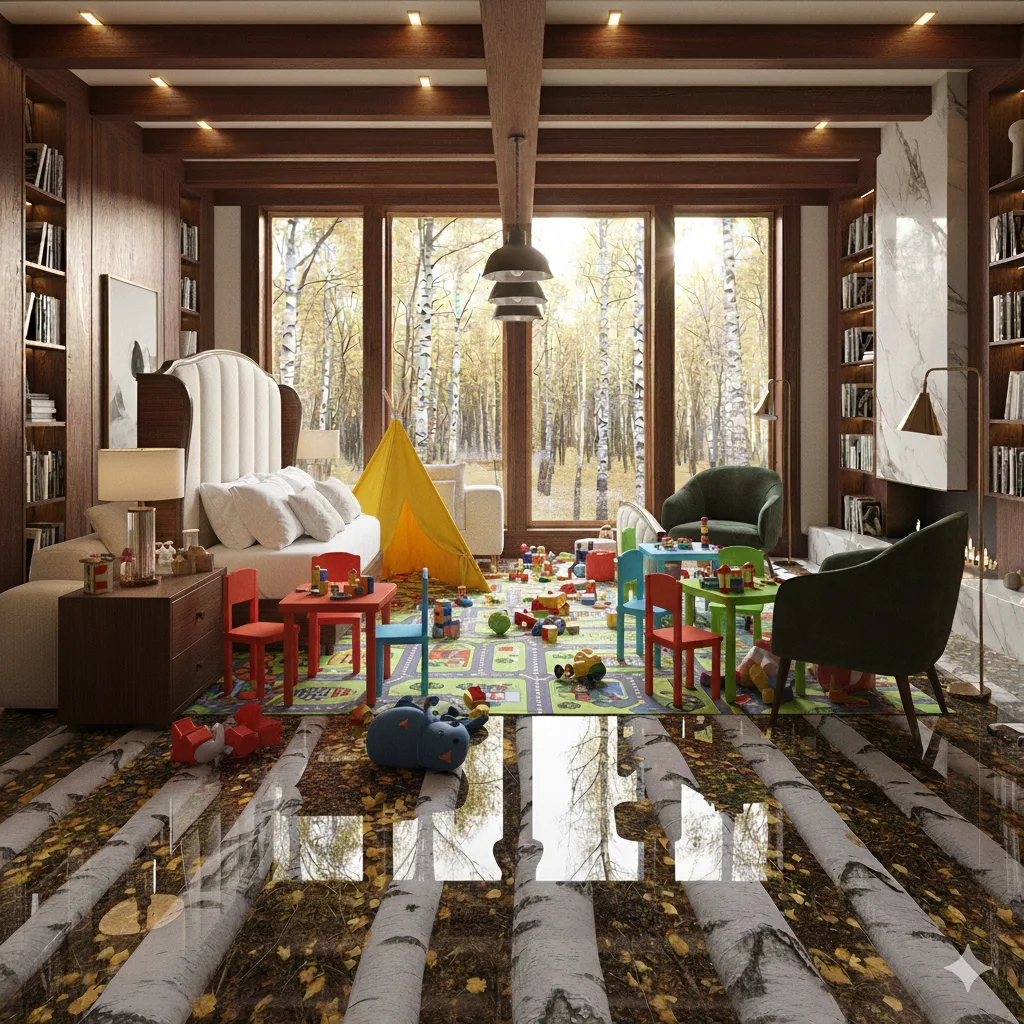
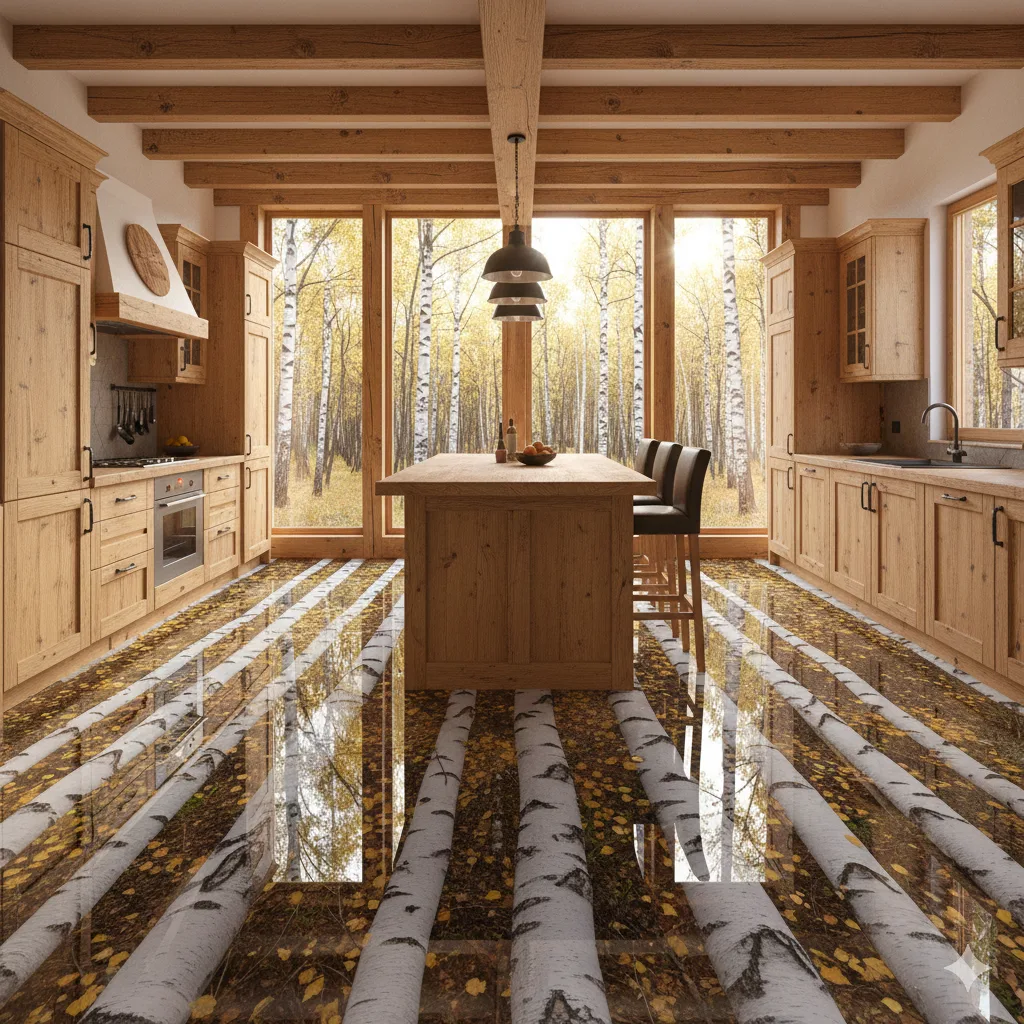
Discover how birch tree epoxy flooring can revolutionize your environment by seamlessly blending durability with a stunning natural aesthetic. Whether you’re renovating your home garage, seeking an eye-catching commercial surface, or aiming for an eco-friendly upgrade, this innovative flooring option offers an unmatched combination of beauty and strength.
In this article, we explore the versatile applications of birch tree epoxy flooring, how to effectively use it, compare it with other flooring solutions, and share expert tips to maximize its potential. Dive into the natural elegance of birch-inspired epoxy surfaces and find out how they can transform ordinary spaces into extraordinary showcases.
Contents
- 1 Understanding Birch Tree Epoxy Flooring – Nature-Inspired Durability for Modern Spaces
- 2 How to Use Birch Tree Epoxy Flooring – Steps for Installation and Maintenance
- 3 Comparing Birch Tree Epoxy Flooring with Other Decorative Surfaces – Making an Educated Choice
- 4 Expert Tips and Best Practices for Maintaining the Beauty of Birch Tree Epoxy Flooring
Understanding Birch Tree Epoxy Flooring – Nature-Inspired Durability for Modern Spaces
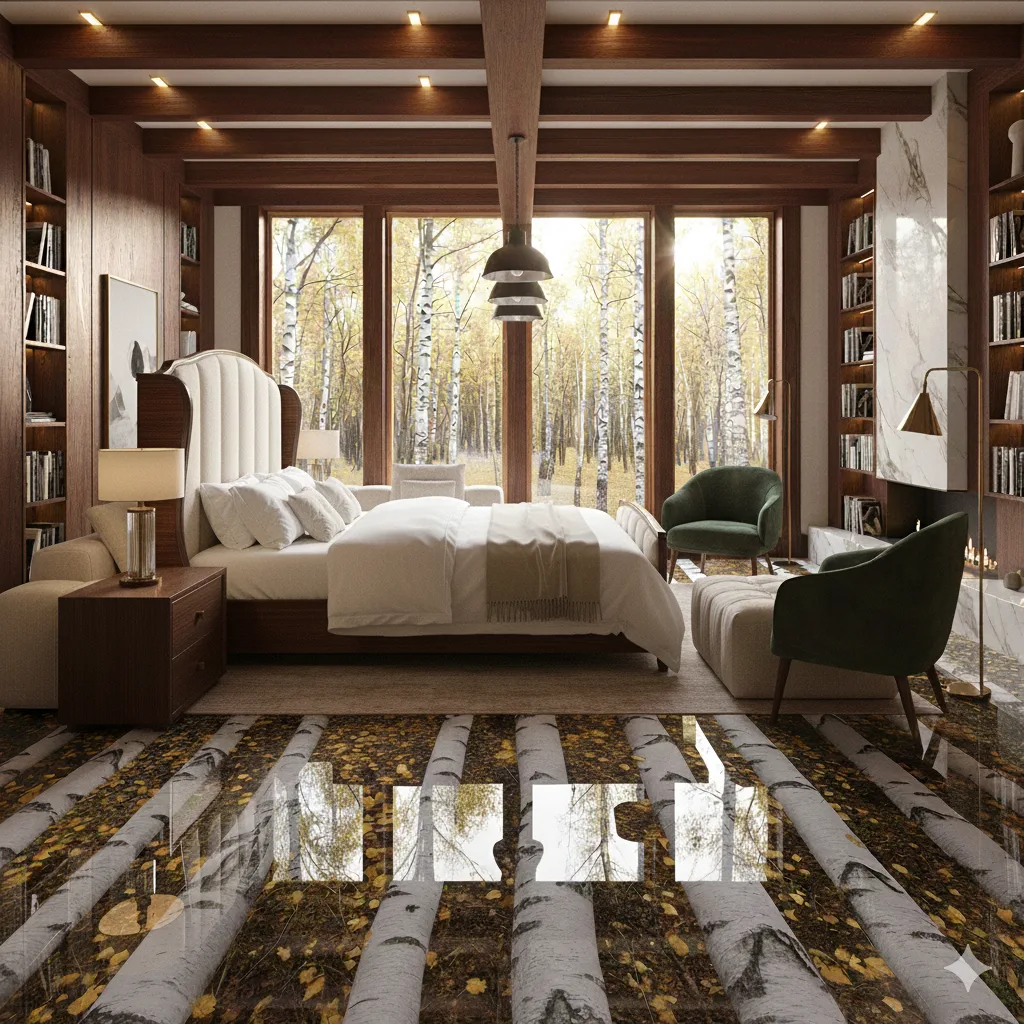
Birch tree epoxy flooring represents a unique fusion of natural wood aesthetics with the high-performance qualities of epoxies. This type of flooring is designed to emulate the delicate yet resilient appearance of birch bark and wood grain through advanced epoxy pigmentation and finishing techniques. Its popularity continues to grow among architects, interior designers, and DIY enthusiasts due to its customizable options and eco-friendly appeal.
Before incorporating birch tree epoxy flooring into your project, it’s essential to understand its core qualities and how it can enhance various environments. This section provides a detailed overview, including the materials involved, the benefits it offers, and potential limitations to consider.
Moreover, knowing how to properly use birch tree epoxy flooring—including preparation, application, and maintenance—will ensure its longevity and optimum visual impact. Let’s dive into the details of this sustainable and attractive flooring innovation.
The Composition and Design of Birch Tree Epoxy Flooring
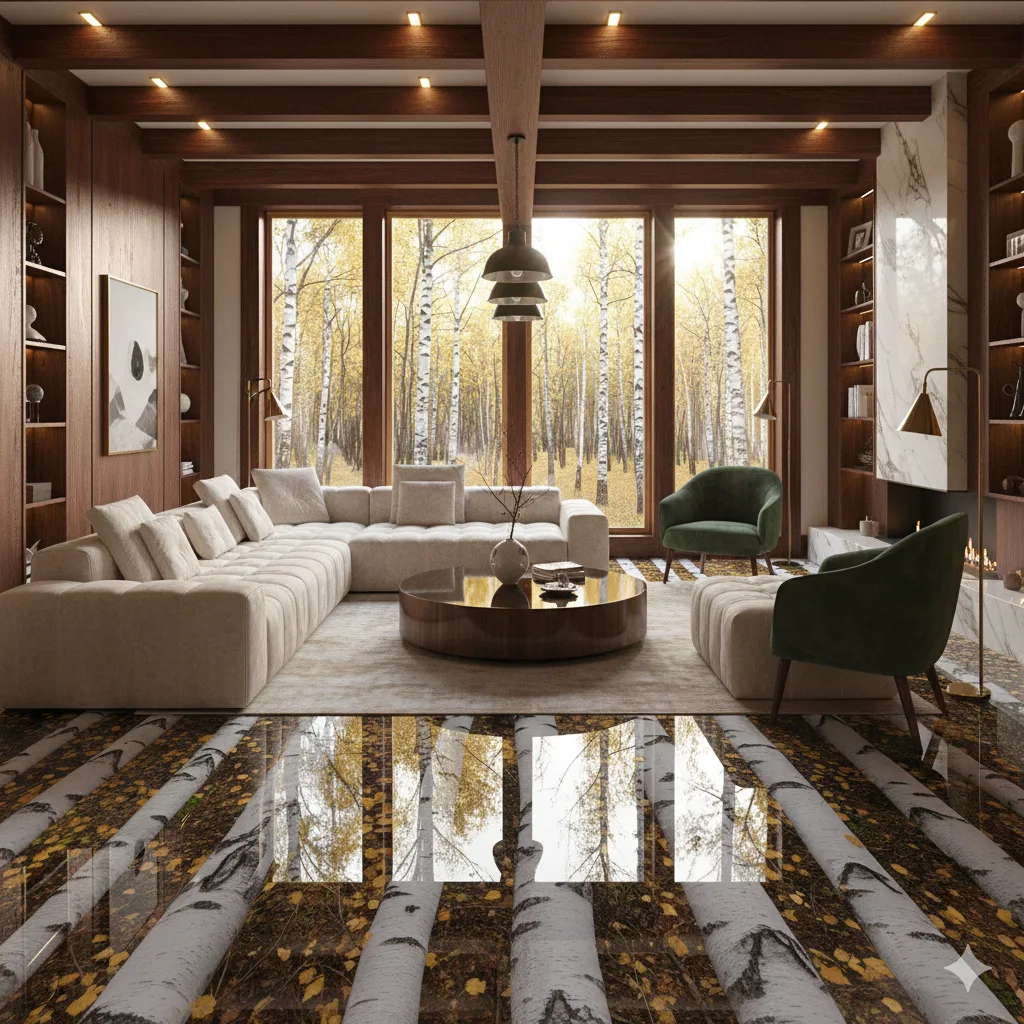
Birch tree epoxy flooring is created through a meticulous process where layers of epoxy resin are combined with natural or synthetic pigments designed to mimic birch wood’s distinct characteristics. The base layer often involves a clear epoxy coating that encapsulates real wood veneers or images, creating a seamless, durable surface that captures the subtle tonal variations of birch bark and wood grain.
The design process emphasizes authenticity by employing high-definition imaging or textured embossing techniques that give the floor a tactile, realistic appearance. The color palette typically includes soft whites, light browns, and subtle streaks that echo the natural beauty of birch trees, contributing to a calming, organic ambiance.
The composition’s strength lies not only in its visual appeal but also in its chemical resilience. The epoxy matrix provides an impermeable, scratch-resistant, and chemical-resistant surface ideal for high-traffic areas, making it suitable for both residential and commercial use. When properly installed, birch tree epoxy flooring offers an eco-friendly alternative that aligns with sustainable building practices.
The Advantages of Choosing Birch Tree Epoxy Flooring
Selecting birch tree epoxy flooring presents numerous benefits, stemming from both its aesthetics and functional properties. Its natural-inspired design provides an elegant, warm atmosphere that complements contemporary, rustic, or Scandinavian-inspired interiors.
This flooring type is highly durable, resistant to wear, and easy to clean—factors that significantly reduce long-term maintenance costs. Its seamless surface minimizes debris accumulation, making hygiene maintenance straightforward, especially in commercial kitchens, clinics, or retail environments.


Furthermore, birch tree epoxy flooring is versatile in application. It can be customized to fit various stylistic preferences, including gloss or matte finishes, embedded accents, or textured surfaces for added safety and aesthetic interest. Its environmentally friendly aspects, such as low VOC emissions and recyclability, resonate well with green building standards, making it an excellent choice for environmentally conscious projects.
Challenges and Limitations of Birch Tree Epoxy Flooring
Despite its many advantages, there are specific challenges associated with birch tree epoxy flooring that must be acknowledged. One key consideration is the complexity of installation, which requires skilled professionals to ensure proper preparation, layering, and curing.
Improper installation can lead to issues such as bubbling, uneven coloring, or adhesion problems, potentially compromising the visual appeal and integrity of the floor. It’s also essential to use high-quality epoxy materials and adhere to recommended curing times to achieve optimal results.
Another limitation relates to potential color fading or yellowing over years of UV exposure, especially for floors installed in areas with intense sunlight. Applying UV-resistant topcoats and choosing low-VOC epoxies can mitigate this concern but may increase initial costs.
Understanding these factors will help you decide if birch tree epoxy flooring aligns with your project’s scope and your ability to maintain its appearance over the long term.
How to Use Birch Tree Epoxy Flooring – Steps for Installation and Maintenance
Proper application and ongoing care are critical to maximizing the beauty and durability of birch tree epoxy flooring. Whether you’re a professional or a DIY enthusiast, following structured procedures ensures a seamless, long-lasting finish that mimics the natural elegance of birch trees while providing robust functionality.
This section covers essential steps for prepping, applying, and maintaining your birch tree epoxy flooring. It emphasizes practical tips, safety precautions, and creative approaches to customize your space’s look and feel.
Preparing the Surface for Optimal Results
Preparation is the foundation of a successful installation of birch tree epoxy flooring. The existing substrate must be thoroughly cleaned, smooth, and free from debris, oil, or previous coatings that could impair adhesion. This often involves sanding, grinding, or chemical etching, depending on the current surface condition.
Removing imperfections such as cracks or uneven areas is essential to ensure a uniform application. Priming the surface with an epoxy-compatible primer can improve bonding and reduce the risk of bubbles or delamination. Additionally, controlling moisture levels is crucial, especially in concrete substrates, to prevent issues like bubbling or curing delays.
A detailed preparation phase might be time-consuming but ultimately pays off by providing a pristine foundation that enhances the visual clarity and resilience of the birch tree epoxy coating. Properly prepared surfaces also minimize future repairs or refinishing efforts.
Applying and Curing the Epoxy Overlay
Application techniques significantly influence the final aesthetic and durability. Using professional-grade mixers and tools, the epoxy resin is combined with transparent or pigmented layers that feature birch tree imagery or textures.
Applying in thin, even coats ensures that the images or textures remain sharp and vivid. Working within the recommended temperature and humidity ranges prevents surface imperfections such as bubbles or uneven curing. For decorative effects, creative techniques like metallic overlays or textured rollers can add depth to the birch bark appearance.
Curing times vary depending on the epoxy formulation and environmental conditions but generally involve a few days of careful undisturbed drying. During this period, maintaining stable temperatures and avoiding foot traffic preserves the integrity of the epoxy layer. Post-curing treatments, such as a clear protective topcoat, can enhance UV resistance and gloss retention over time.
Maintenance for Longevity and Aesthetic Preservation
Once installed, birch tree epoxy flooring requires minimal yet consistent maintenance. Regular sweeping or vacuuming removes surface debris, and gentle cleaning with a damp cloth and mild detergent preserves its appearance.
Avoiding harsh abrasive cleaners or tools prevents scratches that could detract from the realistic birch imagery. Periodic application of a high-quality epoxy or maintenance coat can restore shine and provide additional protection against chemical spills, UV damage, or environmental wear.
For high-traffic or commercial applications, scheduling professional resealing every few years ensures that the flooring continues to resemble natural birch wood and maintains its structural integrity. Providing clear guidelines for usage and cleaning routines helps preserve the authentic look and longevity of your birch tree epoxy flooring.
Comparing Birch Tree Epoxy Flooring with Other Decorative Surfaces – Making an Educated Choice
When considering new flooring options, it’s essential to understand how birch tree epoxy flooring compares with other decorative surfaces such as laminate, vinyl, or hardwood. Such comparisons help highlight unique strengths and potential drawbacks, guiding you toward the most suitable choice for your needs.
This section explores the key differences, including aesthetics, durability, installation, cost, and environmental impact, of birch tree epoxy flooring versus alternative materials.
Aesthetic Versatility and Realism
Birch tree epoxy flooring excels in replicating natural wood elements while offering a high level of customization. Its ability to embed detailed images or textured patterns allows for a highly realistic appearance that can be tailored to specific design themes. Unlike laminate or vinyl, which rely on printed layers that can wear over time, epoxy surfaces provide a seamless look, making them less prone to peeling or fading.
In contrast, traditional hardwood flooring offers authentic texture and warmth but lacks the design flexibility of epoxy overlays. Vinyl or laminate floors are often more affordable and easier to install but may compromise on depth and tactile realism. Therefore, birch tree epoxy flooring provides a unique blend of natural aesthetics with resilient surface properties.
Durability and Maintenance Considerations
Epoxy floors, particularly those mimicking birch trees, are inherently tough—resistant to scratches, stains, and chemical spills. They are ideal for environments demanding high durability, such as garages, commercial kitchens, or workshops. Laminate and vinyl also offer decent resistance but are more susceptible to damage from sharp objects or prolonged exposure to moisture.
Compared to hardwood, epoxy flooring is less prone to warping, cracking, or fading caused by humidity and temperature changes. Maintenance routines are straightforward: regular sweeping, mild cleaning, and occasional resealing. Hardwood necessitates periodic refinishing and is sensitive to water exposure, while laminate or vinyl may require replacement if damaged.
Choosing birch tree epoxy flooring can be advantageous if longevity, low maintenance, and aesthetic flexibility are priorities, especially in high-traffic areas.
Cost Analysis and Installation Complexity
Financially, birch tree epoxy flooring tends to be more expensive upfront than vinyl or laminate but offers superior longevity and visual sophistication. Its installation involves specialized prep work, which can add to labor costs, but the long-term benefits often justify the investment.
Compared to hardwood, epoxy floors are generally more affordable and faster to install, eliminating extensive sanding and finishing processes. Vinyl and laminate are more accessible for DIY projects but might lack the same performance characteristics or realistic wood appearances as epoxy overlays.
Evaluating your budget, project timeline, and desired outcome will help determine whether birch tree epoxy flooring aligns with your overall design and financial considerations.
Expert Tips and Best Practices for Maintaining the Beauty of Birch Tree Epoxy Flooring
Maintaining the captivating appearance of birch tree epoxy flooring requires more than just routine cleaning. Implementing expert-approved tips and future-proof strategies will ensure your surface remains as stunning as the day it was installed, resisting scratches, discoloration, and environmental damage.
This section offers valuable advice on cleaning techniques, protective measures, and seasonal care to prolong the lifespan of your birch-inspired epoxy surface.
Regular Cleaning and Protective Coatings
The foundation of successful maintenance lies in consistent, gentle cleaning. Use soft-bristled brushes or microfiber mops to remove dirt and debris without scratching the surface. For periodic cleaning, a solution of mild soap and water suffices. Avoid harsh chemicals, abrasive cleaners, or solvents that could compromise the epoxy’s protective layer.
Applying a thin, refreshed layer of sealant or wax periodically enhances the floor’s gloss and provides an extra barrier against stains and UV rays. Specialized epoxy conditioners can also be used to restore certain faded areas, preserving the authentic look of the birch bark imagery.
In high-traffic zones, proactive sealing and re-coating help maintain the surface integrity and prevent minor scratches from becoming permanent. Regular maintenance ensures the natural beauty of birch tree epoxy flooring continues to impress for years to come.
Handling Spills and Wear to Protect Your Investment
Immediate cleanup of spills, especially of harsh chemicals, oils, or acidic substances, is crucial for preserving the visual clarity and structural stability of the epoxy flooring. Using absorbent materials and gentle cleaners prevents stains and chemical corrosion.
To further safeguard the surface, placing mats or protective pads under heavy furniture minimizes dents and scratches. For areas prone to impact or wear, consider adding textured overlays or anti-slip treatments that blend seamlessly with the birch design.
Lastly, routine inspections can identify early signs of damage or fading. Prompt professional repairs or resealing can prevent minor flaws from evolving into major cosmetic or structural issues, ensuring your floor remains as natural and vibrant as a fresh-cut birch grove.
Seasonal and Environmental Care
Environmental factors such as temperature fluctuations and sunlight exposure can affect epoxy flooring over time. During summer months, ensure the space is well-ventilated to prevent excessive humidity that could impact adhesion. Use UV protectants or matte finishes to reduce yellowing caused by prolonged sunlight.
In winter, avoid excessive moisture and salt from snow or ice, which can create staining or deterioration. If you live in a climate with extreme seasons, installing a protective chemical overlay or climate-controlled environment will extend your birch tree epoxy flooring’s lifespan.
Adapting your care routine to seasonal changes and environmental conditions not only preserves the aesthetic appeal but also ensures that your investment maintains its natural elegance and durability for years to come.
Birch tree epoxy flooring represents a revolutionary approach to creating resilient, aesthetically pleasing surfaces by seamlessly blending the beauty of nature with advanced epoxy technology. It stands out for its realistic wood textures, durability against wear and chemicals, and eco-friendly benefits. Whether for residential, commercial, or artistic installations, understanding the proper use— from meticulous preparation and precise application to consistent maintenance— is vital to achieving optimal results. When compared to traditional materials like hardwood, laminate, or vinyl, birch tree epoxy flooring offers unmatched customization, longevity, and an organic ambiance that elevates any environment. By following expert tips and embracing seasonal care adjustments, owners can enjoy the timeless elegance and robust performance of this innovative flooring choice, transforming ordinary spaces into captivating natural retreats.