When considering flooring options that combine aesthetics with durability, pine tree epoxy flooring emerges as a top contender. Its unique blend of natural wood-inspired designs and industrial strength makes it ideal for various environments—from commercial warehouses to stylish home garages. This flooring solution not only elevates the visual appeal of a space but also provides a resilient, long-lasting surface.
In this article, we’ll explore how to effectively use pine tree epoxy flooring, share practical examples of its applications, compare it with traditional flooring options, and offer valuable advice to ensure you make the most of this innovative material.
Contents
Understanding Pine Tree Epoxy Flooring – A Fusion of Nature and Strength
Pine tree epoxy flooring is a specialized type of epoxy coating that incorporates textures and patterns reminiscent of pine wood, combined with the superior protective qualities of epoxy resin. Its appeal lies in replicating the natural elegance of pine trees while offering a durable, easy-to-maintain surface.
This flooring type is versatile, suitable for both aesthetic-focused areas and high-traffic zones demanding maximum resilience. Properly understanding its characteristics—from surface preparation to installation—can significantly enhance its performance and longevity.
Before diving into where and how to use pine tree epoxy flooring, let’s explore its core features and what sets it apart from conventional options.
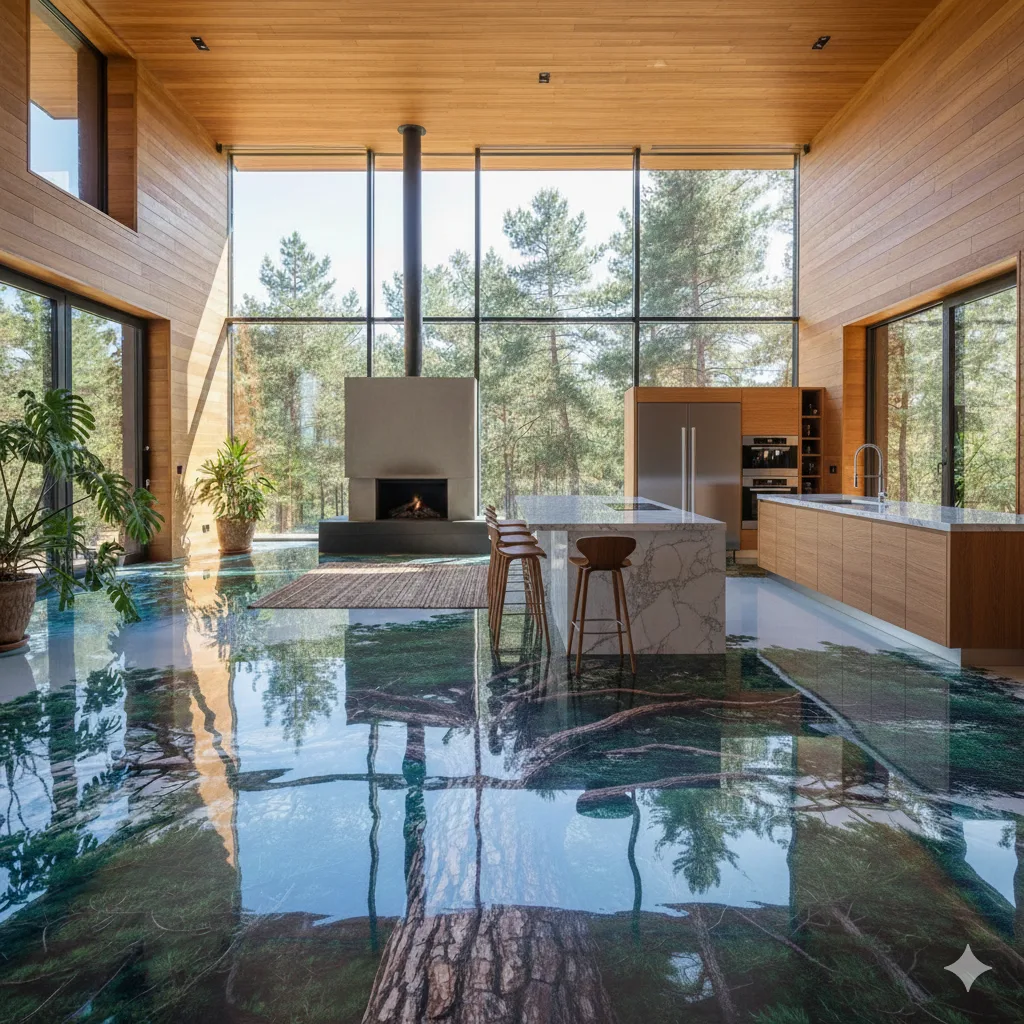
The Composition and Visual Appeal of Pine Tree Epoxy Flooring
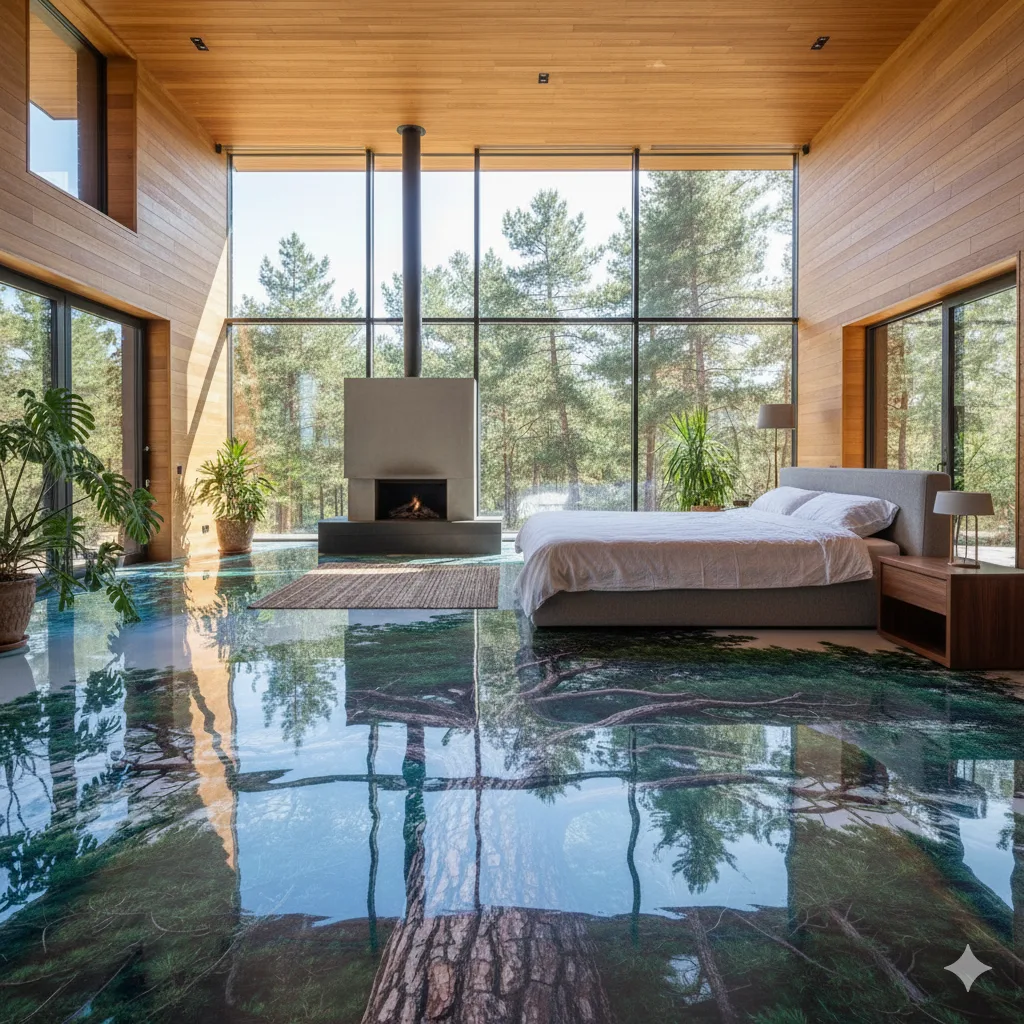
Pine tree epoxy flooring is crafted by blending epoxy resin with decorative additives that mimic pine wood grains. The result is a seamless surface that resembles natural pine, with variations in color and texture adding depth and realism.
This flooring’s visual appeal makes it especially popular for spaces that benefit from a warm, inviting, yet professional appearance. Its ability to customize color schemes and patterns allows homeowners and business owners to tailor the flooring to their specific aesthetic preferences.
From a personal perspective, the use of pine tree epoxy flooring can evoke a sense of connection to nature within indoor spaces, creating an atmosphere of calm and organic beauty. Moreover, its durability ensures that this beauty endures over time, making it a worthwhile investment.
Benefits of Using Pine Tree Epoxy Flooring
When considering a flooring upgrade, several benefits make pine tree epoxy flooring stand out. Firstly, its superior adhesion means it grips well to concrete, wood, and other substrates, preventing unsightly cracks or peeling.
Secondly, its resistance to chemicals, stains, and abrasions makes it particularly suitable for industrial and commercial settings. Despite its toughness, it also offers easy maintenance, typically requiring only regular sweeping and occasional mopping.


Lastly, the ability to mimic natural pine in texture and color allows for creative interior design solutions. Whether restoring an old barn or designing a boutique retail space, pine tree epoxy flooring offers both aesthetics and function, bridging natural beauty with high performance.
How to Use Pine Tree Epoxy Flooring Effectively
Implementing pine tree epoxy flooring requires careful planning and proper application techniques. Understanding the process—from surface preparation to curing—is essential for achieving a flawless and durable finish.
Before beginning installation, it’s vital to assess the existing surface condition. A clean, dry, and sound substrate forms the foundation for successful epoxy application.
Preparing the Surface for Optimal Results
Surface preparation is arguably the most crucial step in installing pine tree epoxy flooring. It involves cleaning, repairing, and priming the substrate to ensure maximum adhesion and longevity.
Begin by removing any dirt, grease, or old coatings using degreasers and power washing. Any cracks or holes in the concrete or existing flooring should be repaired with patching compounds to create a smooth, even surface.
Once cleaned and repaired, etching with a muriatic acid solution or mechanical grinding enhances surface porosity, allowing epoxy to bond securely. Primers tailored for epoxy systems are then applied to further improve adhesion, especially on non-porous surfaces.
A well-prepared surface reduces the risk of future failures, ensuring the pine tree epoxy flooring maintains its aesthetic appeal and durability over years.
Application Techniques for a Flawless Finish
Applying pine tree epoxy flooring involves multiple layers, starting with a primer, followed by base coats, decorative layers, and a topcoat. Each step requires attention to detail and proper timing.
Using a roller or brush, spread the epoxy evenly while controlling the temperature and humidity to prevent bubbling or uneven curing. When incorporating decorative patterns that mimic pine trees, additional steps like stenciling or applying textured overlays may be necessary.
Once the base coat is dry, decorative elements such as colored chips or layers of textured epoxy can be added to enhance realism. After all decorative layers are applied, a clear topcoat seals the design, providing extra protection against wear and stains.
Patience and adherence to manufacturer instructions ensure the best results. Proper curing time—often 24 to 72 hours—is essential before subjecting the surface to traffic, guaranteeing the epoxy’s full strength and durability.
Maintenance and Long-Term Care
A key factor in maximizing the lifespan of pine tree epoxy flooring is consistent maintenance. Regular sweeping removes debris and prevents surface scratches, while damp mopping with mild cleaners preserves the luster.
Avoid abrasive brushes or harsh chemicals that could damage the epoxy surface or degrade decorative elements. Periodic inspections can identify early signs of damage, allowing timely repairs.
Applying a specialized epoxy floor sealer or wax can restore shine and add an extra layer of protection. Also, implementing protective mats or pads under heavy furniture and equipment prevents unnecessary indentation or scratches.
With proper care, pine tree epoxy flooring remains visually stunning and resilient for decades, making it a wise investment that blends natural beauty with industrial strength.
Comparing Pine Tree Epoxy Flooring to Traditional Flooring Options
When choosing a flooring solution, understanding how pine tree epoxy compares to conventional options can help streamline decision-making.
Traditional flooring such as tile, hardwood, or concrete often offers specific advantages but also comes with limitations—be it susceptibility to moisture, wear, or maintenance requirements.
Durability and Maintenance
Compared to hardwood, pine tree epoxy flooring is far more resistant to scratches, stains, and impact damage. Hardwood can require refinishing and is vulnerable to water damage, whereas epoxy is non-porous and easy to clean.
In contrast with ceramic tiles, epoxy provides a seamless surface that minimizes gaps where dirt and bacteria can accumulate. It’s also less likely to crack or chip over time, especially when properly applied.
Maintenance-wise, epoxy flooring is easier to upkeep, needing only light cleaning and occasional resealing, whereas traditional options may involve more intensive cleaning or repairs.
Visual Appeal and Design Flexibility
Traditional flooring options have strong aesthetic appeal but often lack the ability to easily customize patterns or incorporate natural textures like those achieved with pine tree epoxy flooring.
Epoxy installations can be tailored with decorative elements—such as embedded chips, pigments, or textured overlays—to create a unique, wood-like appearance that enhances interior design.
Homeowners and designers appreciate the versatility of epoxy, as it offers broader options for matching specific decor themes, especially when aiming for a natural, rustic look through pine tree effects.
Cost and Installation Considerations
While the initial cost of epoxy flooring can be higher than some traditional materials, its durability and minimal maintenance requirements often lead to cost savings over time.
Installation of pine tree epoxy flooring requires skilled labor and proper surface preparation, but once installed, it provides a long-lasting solution with minimal ongoing upkeep.
Traditional flooring may be less expensive upfront but could incur higher ongoing costs for repairs, replacements, or maintenance, making epoxy a more economical choice in the long run.
Expert Advice for Maximizing Your Pine Tree Epoxy Flooring Experience
To ensure your pine tree epoxy flooring delivers outstanding results, consider some expert tips and advice that can guide your process from start to finish.
Engage Qualified Professionals for Installation
While DIY epoxy kits are available, professional installation ensures the correct preparation, application, and finishing techniques are employed. Skilled installers are familiar with local climate conditions and can adapt the curing process accordingly.
Professionals also have access to high-quality materials and tools, reducing the risk of errors that could compromise the surface’s integrity. Their experience helps achieve the precise aesthetic and durability you desire.
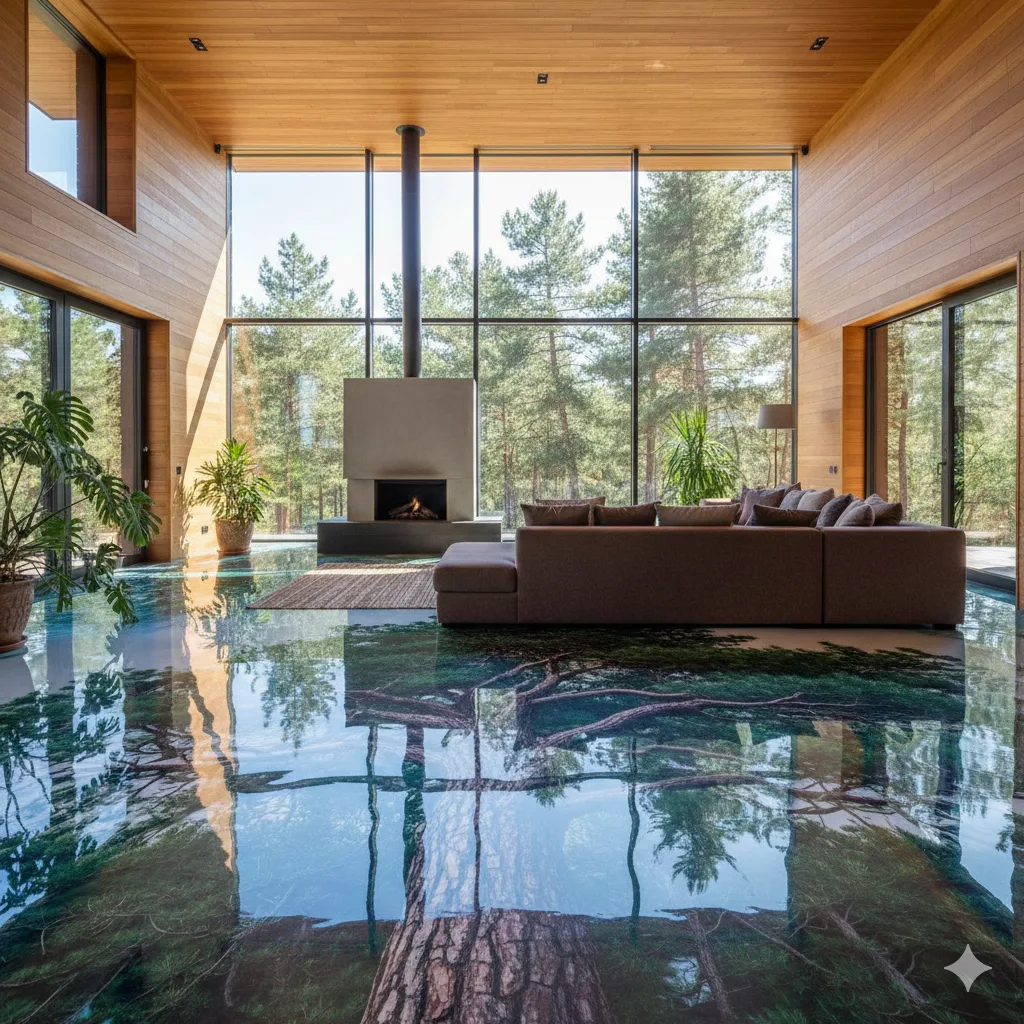
Investing in expert installation is particularly important if you plan complex decorative effects, such as pine-like textures or embedded design elements.
Choose the Right Epoxy System and Decorative Elements
Opt for epoxy formulations specifically designed for decorative, high-traffic, or outdoor applications as per your needs. The right system ensures optimal adhesion, flexibility, and UV resistance.
Decorative elements—like colored chips, metallic flakes, or textured overlays—enhance realism and overall aesthetic appeal. When replicating pine wood, consider choosing colors and grains that mimic the natural variations found in pine trees for a more authentic look.
Consulting with a flooring specialist can help you select the best combination of colors, patterns, and protective topcoats to suit your space’s functional and aesthetic requirements.
Focus on Long-Term Maintenance Strategies
Proper maintenance extends the lifespan of pine tree epoxy flooring and preserves its visual appeal. Develop a routine cleaning schedule that includes gentle sweeping and mopping with non-abrasive cleaners.
When designing your maintenance plan, consider protecting high-traffic areas with floor mats and encouraging gentle handling of equipment and furniture. Regular inspections allow you to catch minor damages before they worsen.
Using recommended sealers or coatings periodically refreshes the surface, maintaining the flooring’s shine and protective qualities. With consistent care, your investment in pine tree epoxy flooring will continue to impress for years.
Pine tree epoxy flooring represents an innovative intersection between natural inspiration and industrial strength. Its ability to mimic the beauty of pine wood while offering high durability and ease of maintenance makes it a versatile choice for a wide range of spaces. Proper surface preparation, professional application, and diligent upkeep are key to maximizing its potential. Whether enhancing the aesthetic of a cozy retreat or fortifying a bustling commercial area, pine tree epoxy flooring offers a resilient, elegant, and environmentally inspired solution that can redefine your space’s character for the better.