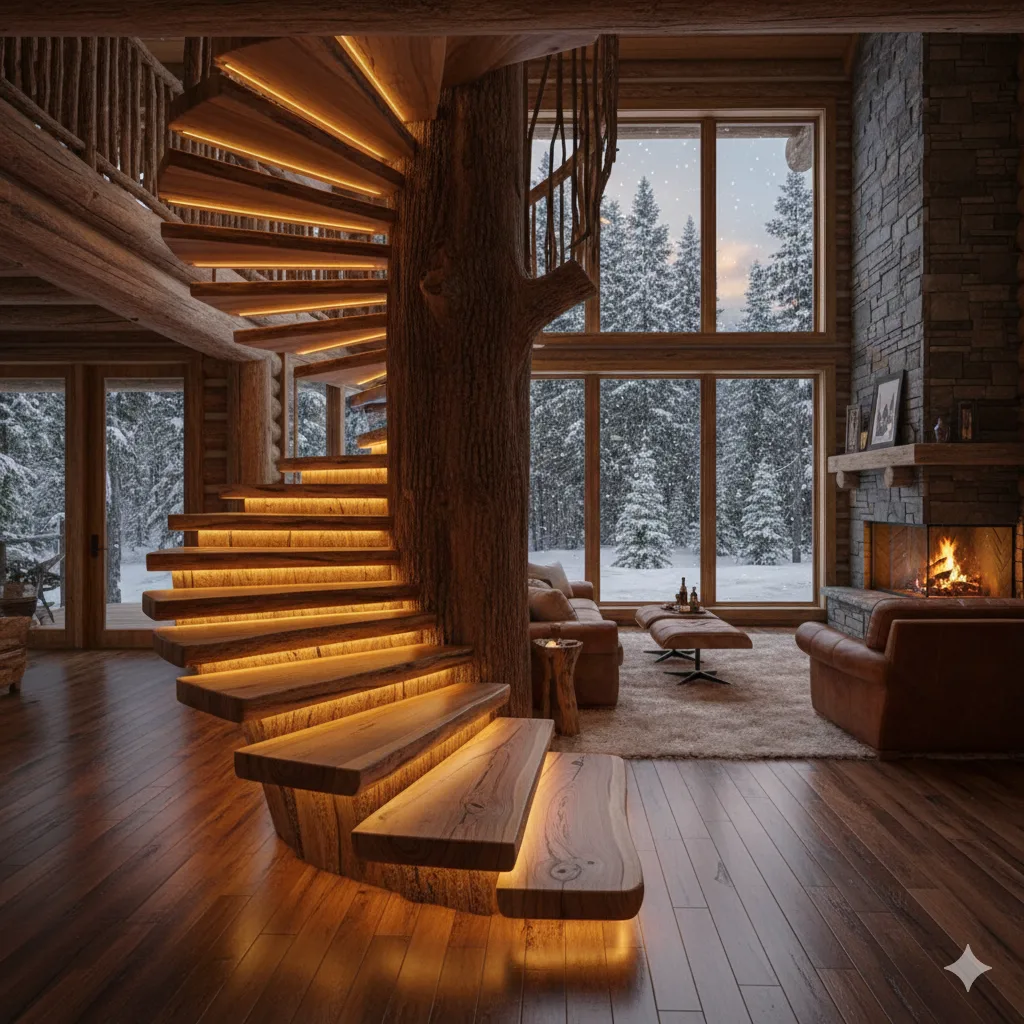
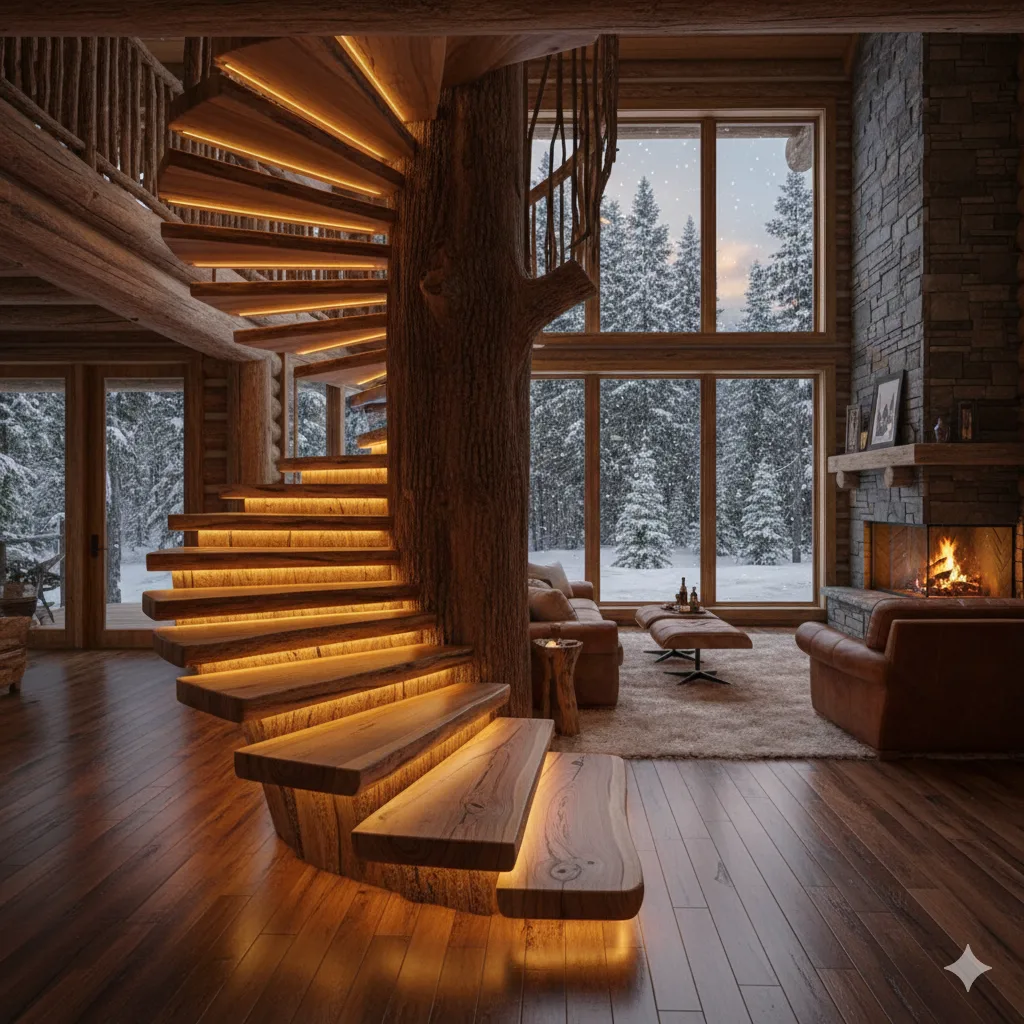
A Wood Slab Staircase offers a unique blend of rustic charm and modern sophistication, transforming an ordinary space into a visually captivating focal point. Crafted from massive, one-of-a-kind wood slabs, these staircases bring the authentic beauty of natural wood into your home, emphasizing texture, grain, and organic forms. Whether you aim for a contemporary aesthetic or rustic warmth, the use of a wood slab staircase can seamlessly enhance your interior design and increase your home’s appeal.
In this article, you’ll discover how to effectively use a wood slab staircase, explore various design examples, compare different styles, and receive expert advice to ensure your staircase becomes a statement piece. Let’s dive into the world of natural wood staircases and uncover how they can enrich your living space.
Contents
The Art of Using a Wood Slab Staircase in Your Home – Design Integration and Practicality
Using a Wood Slab Staircase in your home architecture is both an artistic and functional decision. These staircases serve as architectural statements that fuse craftsmanship with natural beauty, making them ideal for homes aiming for a warm, organic ambiance. Proper integration involves understanding the space, choosing appropriate wood types, and balancing aesthetics with structure.
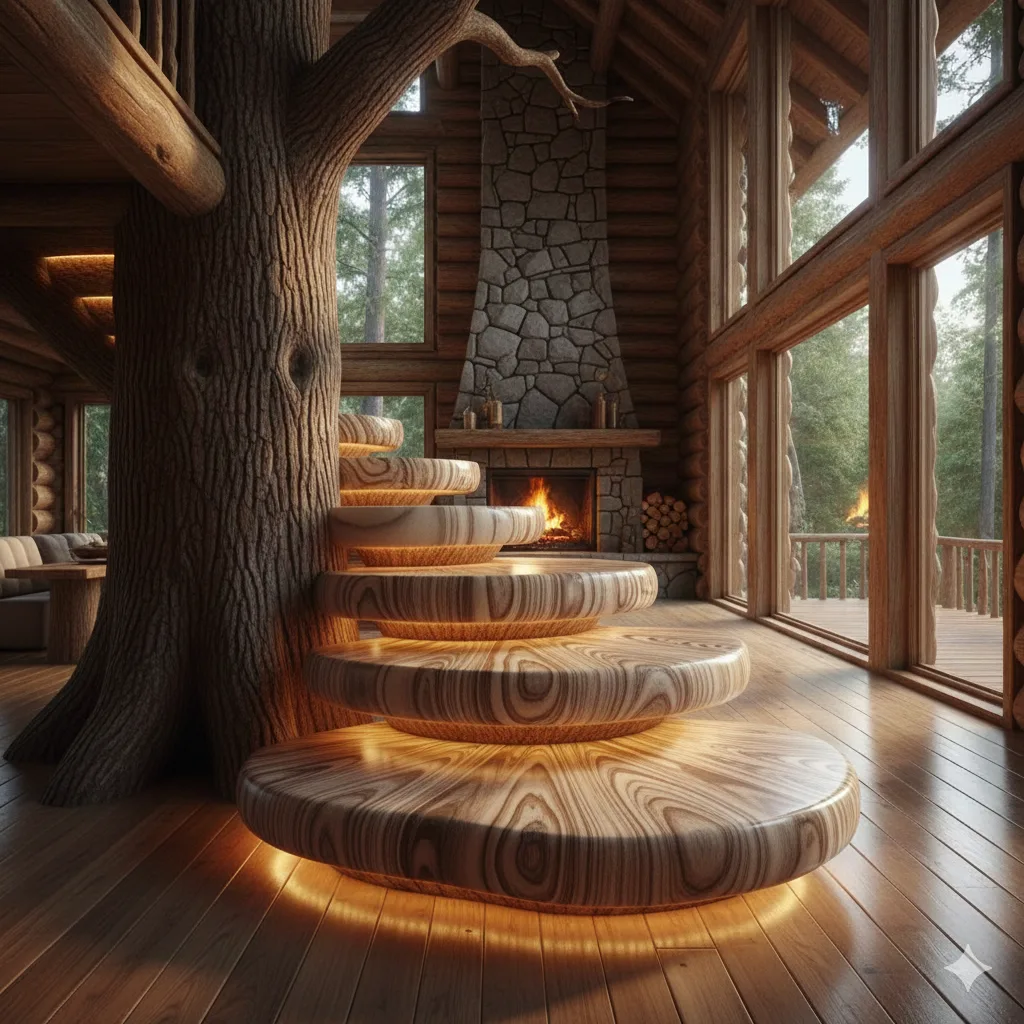
Before starting, it’s critical to evaluate the spatial layout and architectural style of your home. Wood slab staircases work wonderfully in open-concept designs where they can serve as central features, but they can also complement traditional or rustic interiors with their natural textures. Their size and dimensions should be tailored to ensure safety and comfort while maintaining visual harmony within the environment.
The versatility of a wood slab staircase extends to various use cases—from private residences and luxury penthouses to commercial spaces like boutique hotels or art galleries. The key is to match the staircase’s design with your overall interior theme, ensuring both functionality and visual coherence. When executed well, a wood slab staircase enhances the organic flow of the space and accentuates the craftsmanship involved.
Choosing the Right Wood for Your Staircase
The choice of wood significantly influences the aesthetic, durability, and maintenance of your wood slab staircase. Different species offer unique qualities, and selecting the right one involves considering factors such as grain, color, hardness, and sustainability.
Hardwoods like walnut, oak, and maple are popular choices because of their strength and beautiful grain patterns. Walnut, for instance, provides deep, warm tones with a rich texture, perfect for creating a statement piece. Oak offers durability combined with a prominent grain pattern, making it suitable for high-traffic areas. Maple provides a lighter, more delicate appearance with an understated yet elegant grain.
Sustainability is another critical factor. Reclaimed or sustainably harvested wood not only reduces environmental impact but also adds character and history to your staircase. By choosing eco-friendly options, you support responsible forestry practices while adding authentic charm to your space.
The selection process should also factor in the intended finish—whether it be oil, lacquer, or stain—as this will influence the final appearance and longevity. A professional consultation can help determine the best wood species that align with your vision and practical needs.
Structural Considerations and Safety Measures
A Wood Slab Staircase demands meticulous structural planning to ensure safety, stability, and longevity. Because each slab is typically thicker and heavier than traditional stair components, reinforcement and precise engineering are paramount.



Fundamental to the structural integrity are the support beams and framing that bear the weight of the slabs. Engineers and carpenters often incorporate hidden steel reinforcements or robust stringers to accommodate the weight and prevent warping over time. The connection points between treads and support structures should be reinforced with corrosion-resistant fasteners, creating a seamless look while maintaining strength.
Safety features include non-slip surfaces, especially since natural wood can be slick when polished or finished. Adding textured finishes or non-slip coatings enhances grip. Railing design is equally important; it should be sturdy yet unobstructed to highlight the natural beauty of the wood while providing security. Adequate lighting along the staircase enhances visibility, reducing the risk of accidents.
Ultimately, working with seasoned professionals who understand both woodworking and structural engineering guarantees that your wood slab staircase remains safe and durable for years to come. Proper planning and execution ensure that this centerpiece functions flawlessly without compromising safety.
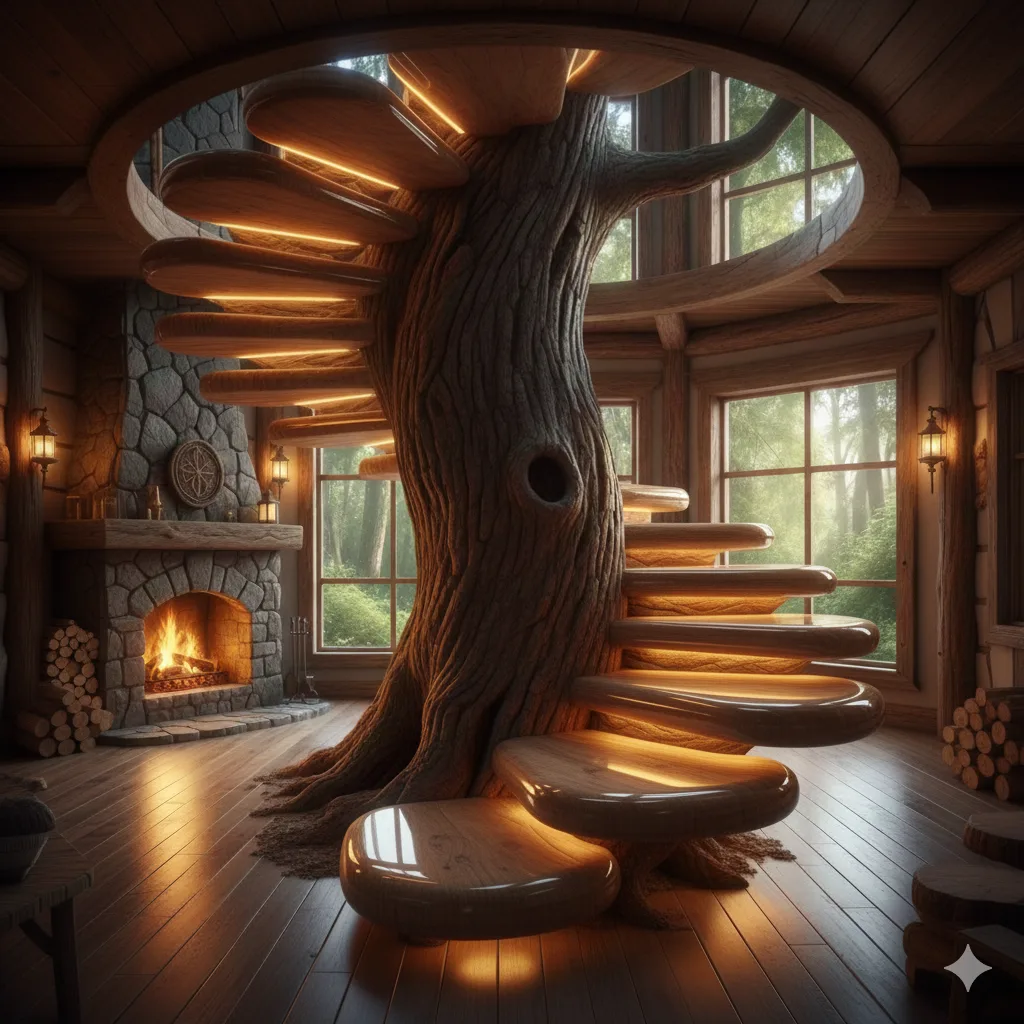
Examples of Innovative Wood Slab Staircase Designs – Inspiration for Every Space
Across the world, architects and designers are pushing the boundaries of traditional staircase design by incorporating massive wood slabs into their concepts. Their creativity showcases the versatility and aesthetic potential of this natural material, proving that a wood slab staircase can be both functional and a work of art.
From minimalist modern interiors to rustic farmhouse styles, examples abound demonstrating how diverse applications of wood slabs can transform spaces. Some designs feature a floating effect where the slabs appear to defy gravity, suspended by hidden support systems. Others display bold, continuous slabs that act as both steps and decorative elements, emphasizing the organic flow of the wood’s grain.
Personalized customizations—such as incorporating live edges, unique irregularities, or contrasting finishes—create distinctive visual statements. An open, airy design might use thinner slabs with open risers to enhance the sense of space, while denser, more substantial slabs provide a grounded feel in traditional settings. These variations illustrate how adaptable a wood slab staircase can be.
Commercial projects also showcase how this natural feature can elevate branding and customer experience. Boutique hotels, cafes, and galleries often use these staircases to evoke a connection with nature and craftsmanship, setting the tone for a memorable visit.
Customization and Personalization Ideas
Personal customization options allow homeowners and designers to make each wood slab staircase truly unique. This includes selecting specific wood species, incorporating live edges, or even integrating embedded lighting along the treads or beneath the risers. These details can dramatically alter the visual impact, making each staircase one-of-a-kind.
For example, live edges highlight the natural contours of the wood, emphasizing its organic origin and adding a rustic touch. In contrast, smoothed and polished slabs can evoke a contemporary aesthetic that showcases the wood grain’s intricate patterns with modern elegance. Personalization can also extend to color treatments, where stains or finishes enhance the wood’s natural hue or introduce subtle hues for a more tailored look.
Furthermore, the integration of lighting elements not only improves functionality but also accentuates the rich textures and irregularities of the wood surface. This multifaceted customization ensures that the staircase aligns perfectly with the homeowner’s style and the overall interior theme, creating a harmonized living environment.
Comparing Traditional and Modern Wood Slab Staircases – Styles, Costs, and Maintenance
When considering a wood slab staircase, it’s essential to compare traditional and modern interpretations to determine which best matches your space, budget, and aesthetic preferences. Both styles offer compelling advantages but also come with their own set of challenges.
Traditional wood staircases often emphasize craftsmanship, with detailed balustrades, ornate handrails, and classic wood finishes. They tend to incorporate classic design elements like carved balusters or decorative stringers, blending seamlessly with period homes or interiors seeking a timeless appearance. In contrast, modern designs favor minimalism, clean lines, and often incorporate open risers or floating effects to create a feeling of expansiveness.
Cost considerations vary depending on the complexity of the design, wood choice, and finish quality. Traditional staircases usually involve additional decorative details, increasing labor and material costs. Modern designs tend to be more streamlined, potentially reducing expenses but still requiring high-quality materials to ensure durability and aesthetic appeal.
Maintenance requirements are also different. Traditional staircases may demand regular polishing or refinishing to preserve their ornate details, while modern designs often focus on simple cleaning and occasional sealing of the wood. Both require careful attention to prevent warping and wear, especially in high-traffic areas.
Choosing between these styles largely depends on personal taste and the overall interior design theme of your home. When done correctly, a wood slab staircase—regardless of style—can serve as an enduring centerpiece that adds value and character to your living space.
Incorporating a Wood Slab Staircase into your home design is an investment in natural elegance, craftsmanship, and individuality. By carefully selecting the appropriate wood, considering structural integrity, and exploring inspiring design examples, you can create a stunning staircase that elevates your entire space. Whether opting for a rustic charm or sleek modernity, this natural feature will serve as a functional art piece, embodying the organic beauty and timeless appeal of wood. Proper planning and professional execution will ensure your investment not only enhances aesthetic value but also offers safety, durability, and a true sense of connection to nature.