Epoxy cave flooring provides an innovative way to transform unconventional spaces. When considering unique environments like caves, underground tunnels, or even themed adventure parks, the durability and versatility of epoxy flooring make it an ideal choice. This article explores how epoxy cave flooring can redefine utility, safety, and aesthetics in challenging settings.
Epoxy cave flooring is a specialized flooring solution tailored to meet the demanding needs of environments characterized by moisture, uneven surfaces, and intricate layouts. By understanding its application, benefits, and potential comparisons, you can better evaluate whether this flooring type is suitable for your specific project.
Contents
The Unique Advantages of Epoxy Cave Flooring in Challenging Environments
In environments where traditional flooring fails to withstand moisture, temperature fluctuations, and mechanical stress, epoxy cave flooring shines as a resilient alternative. Its unique properties address the specific challenges posed by such environments, ensuring long-term performance and safety.
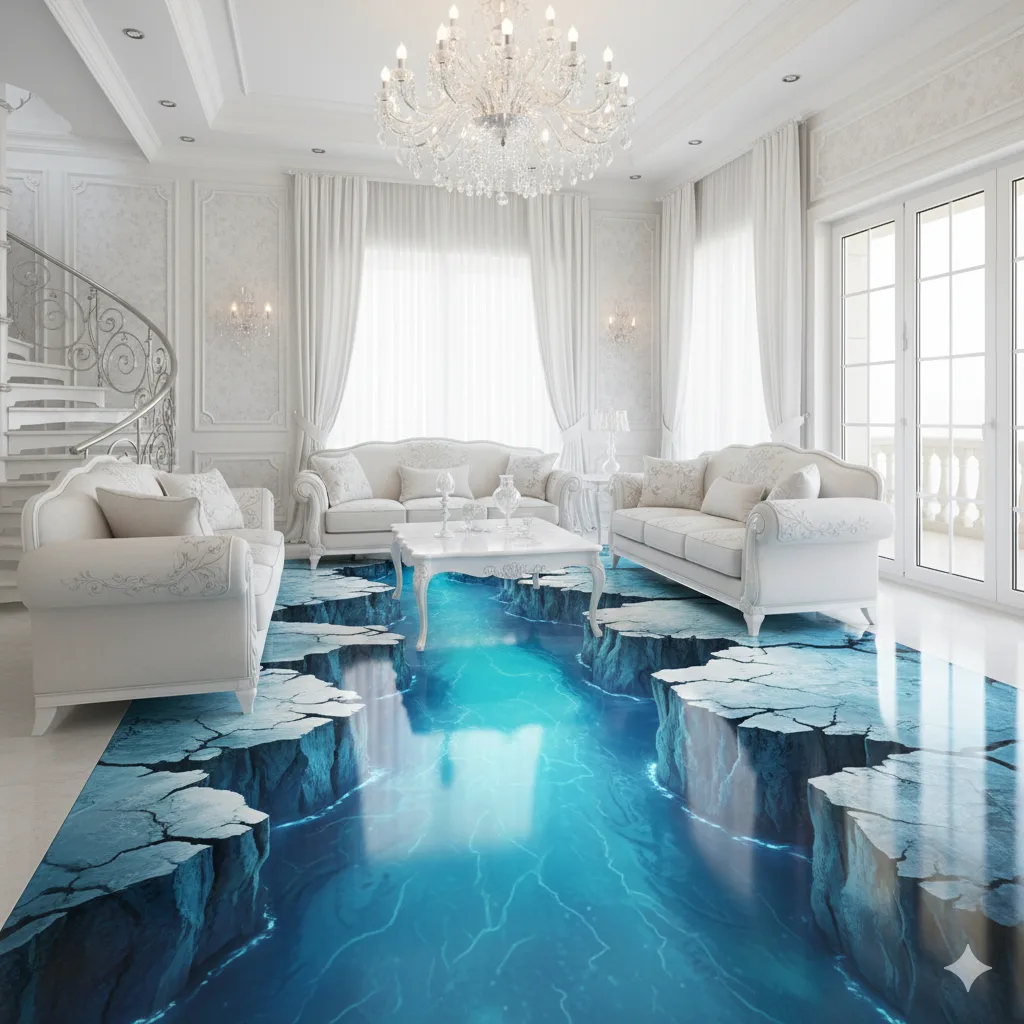
Resistance to Moisture and Corrosion
One of the most critical factors in underground or cave-like environments is moisture. Water seepage, humidity, and condensation are common, leading to corrosion and weakening of traditional materials. Epoxy cave flooring offers exceptional resistance to moisture, preventing water infiltration and corrosion.
Epoxy coatings form a seamless, non-porous barrier that guards the underlying surface against water damage. This not only prolongs the lifespan of the flooring but also reduces maintenance costs over time. Moreover, the waterproof nature of epoxy helps prevent mold and bacterial growth, which are often prevalent in damp, enclosed spaces.
Durability against chemical spills and waste is another advantage. Many caves or underground tunnels may encounter chemical leaks or organic matter that can degrade other materials. Epoxy’s chemical resistance makes it an ideal choice, ensuring the flooring remains intact and hygienic over years of use.
Customizable Aesthetics and Functional Features
Despite its toughness, epoxy cave flooring maintains flexibility when it comes to design and functional integration. It can be customized with a variety of colors, textures, or anti-slip aggregates to improve safety and visual appeal.
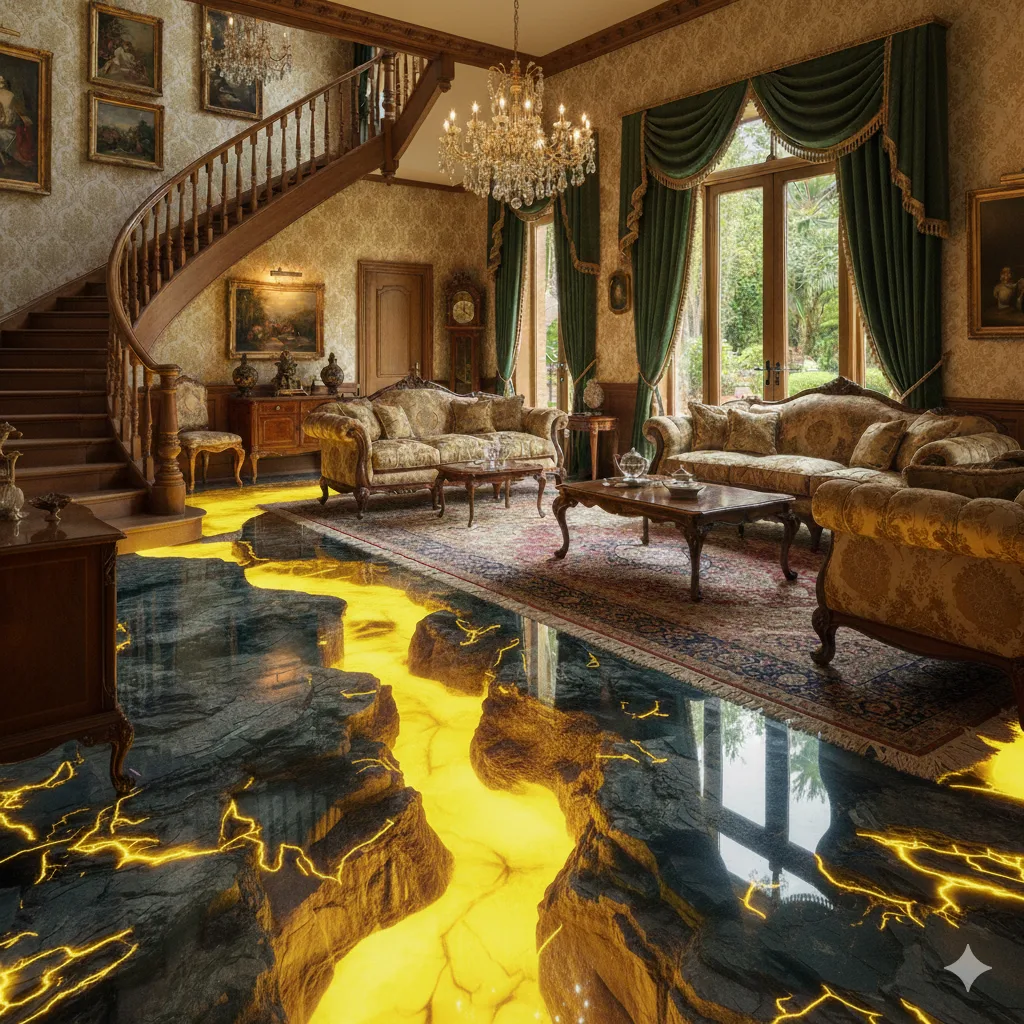
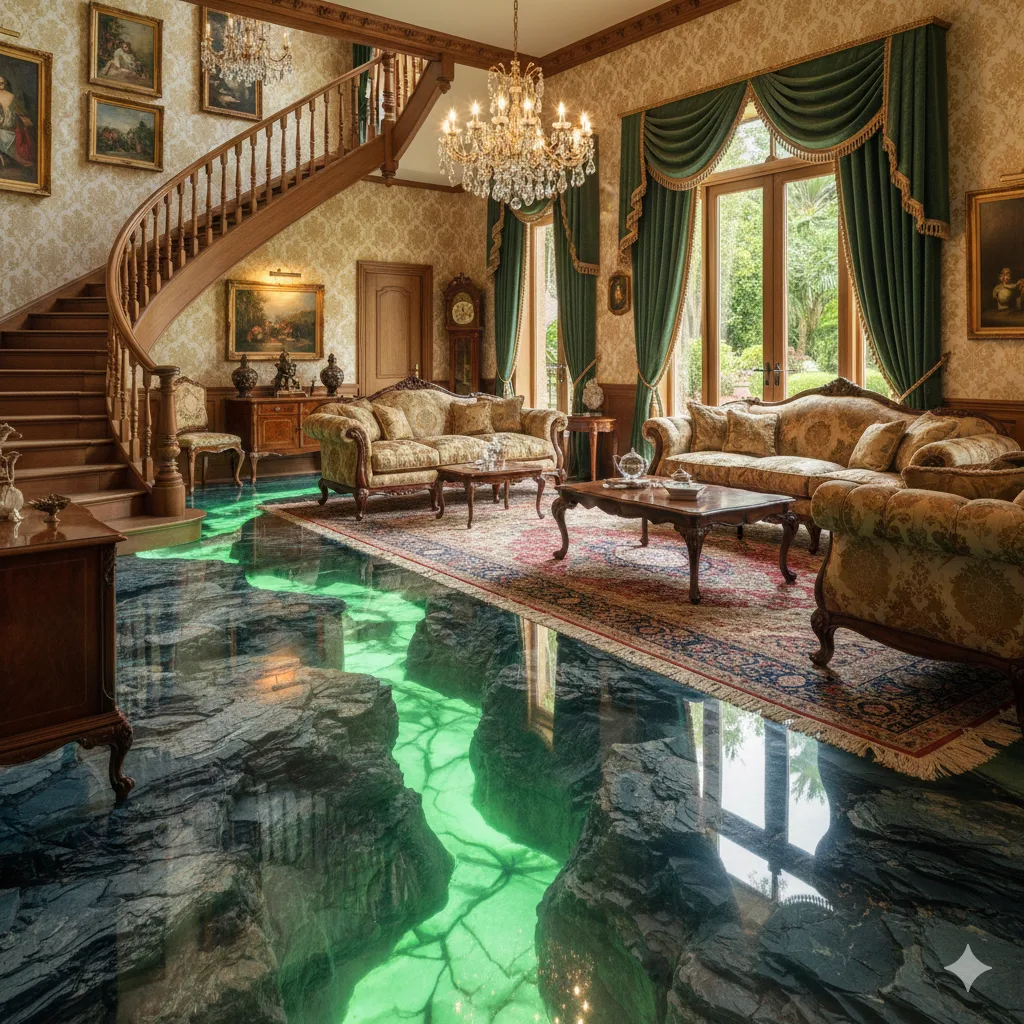
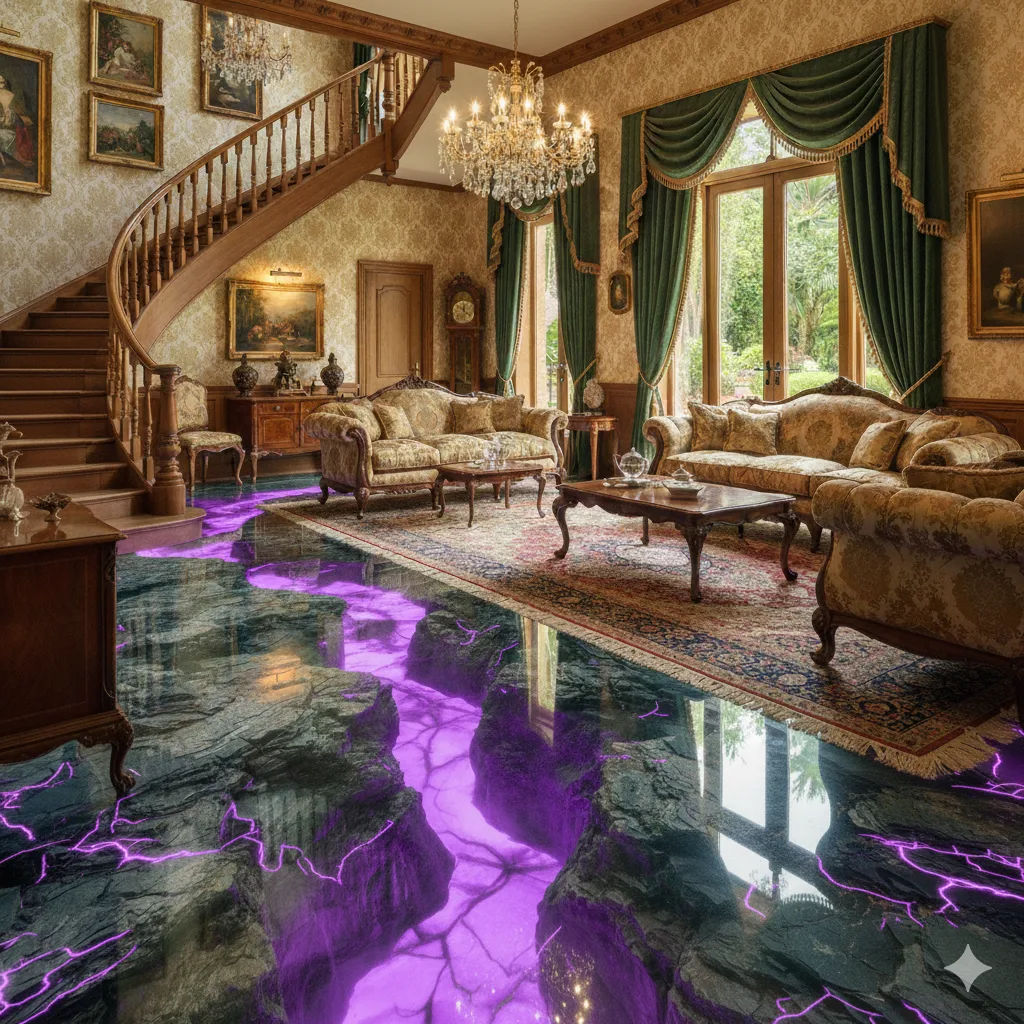
In immersive environments such as themed caves or tourist attractions, the aesthetic aspect of epoxy flooring can be tailored to mimic natural elements like stone or mineral formations. This enhances visitor experience without compromising on durability. Anti-slip textures can be embedded into the surface to prevent accidents in wet conditions, crucial for ensuring safety in high-traffic areas.
Furthermore, epoxy coatings can incorporate fluorescent or glow-in-the-dark pigments, which can transform the ambiance of the environment at night or during guided tours. Such custom features demonstrate the versatility of epoxy cave flooring as both a protective and decorative element.
Simple Maintenance and Longevity

Another notable advantage is the ease of maintenance. Unlike porous or rough surfaces that trap dirt and debris, epoxy cave flooring provides a smooth, sealed surface that simplifies cleaning routines. A simple mop or pressure wash can keep the floor hygienic, which is particularly valuable in environments that require high sanitation standards.
Its chemical resistance also plays a crucial role in maintenance, as cleaning agents and disinfectants do not degrade the coating. This ensures that the flooring remains resilient over time, reducing the need for costly repairs or replacements. The long-lasting nature of epoxy cave flooring results in impressive return on investment, saving operations money and effort in the long run.
How to Use and Optimize Epoxy Cave Flooring for Best Results
Implementing epoxy cave flooring requires careful planning, surface preparation, and application techniques to achieve optimal results. Whether for a commercial project or an underground installation, understanding these steps ensures longevity and functionality.
Preparation of the Substrate Surface
Preparation is the foundation of a successful epoxy installation. The existing substrate must be thoroughly cleaned, free of dust, grease, or loose debris. In cave environments, this may involve pressure washing, chemical cleaning, or abrasive blasting to remove rocks, residues, and uneven patches.
An uneven surface will compromise the bonding and cause premature failure. High spots or cracks should be repaired or leveled before applying epoxy. Roughening the surface is sometimes necessary to improve adhesion, especially if the substrate has a glossy or slick finish.
Additionally, environmental factors such as humidity levels and temperature must be monitored. Epoxy adheres best in conditions with optimal temperature ranges (usually between 65°F – 85°F) and low humidity, which can be challenging in underground settings but manageable with climate control or ventilation.
Application Techniques for Durable Results
Applying epoxy cave flooring involves multiple layers, starting with a primer that enhances bonding. The base coat is then spread evenly over the surface using rollers or spray systems, followed by the embedment of anti-slip aggregates or decorative elements if desired.
For complex layouts with intricate corners or uneven surfaces, brushes or specialized tools help ensure complete coverage. Multiple coats are often necessary, with adequate drying time between layers to allow proper curing.
Proper mixing and application are crucial for the longevity of epoxy coatings. Deviations in mixing ratios or application thickness can result in bubbles, uneven curing, or weak spots. Utilizing professional applicators or following manufacturer instructions precisely is essential.
Troubleshooting and Preservation Tips
Despite the resilience of epoxy cave flooring, proper maintenance prevents degradation. Regular inspections can identify issues like surface cracks or delamination early. Addressing these small problems quickly prevents more extensive repairs.
In environments susceptible to water leaks or high foot traffic, implementing protective mats in high-use zones can extend the lifespan. Using non-abrasive cleaning materials and avoiding harsh chemicals preserves the integrity of the epoxy coating.
In cases where damage occurs, spot repairs with epoxy resins or re-coating specific areas can restore the original finish. Periodic resealing or refinishing may also be necessary after several years, depending on environmental wear and tear.
Comparing Epoxy Cave Flooring to Other Flooring Options in Challenging Environments
Choosing the right flooring for caves and subterranean structures requires understanding how epoxy cave flooring stacks up against alternatives. Each option has strengths and weaknesses, impacting overall safety, maintenance, and cost-effectiveness.
Traditional Concrete and Ceramic Tile
Concrete and ceramic tiles have traditionally served as underground flooring options due to their availability and initial affordability. However, their porous nature makes them vulnerable to water damage and staining in humid environments.
While concrete can be sealed to improve water resistance, achieving a seamless, impervious surface comparable to epoxy is difficult. Tiles require grouting, which can crack and harbor bacteria in damp spaces. Maintaining cleanliness and preventing mold growth presents ongoing challenges with these materials.
Vinyl and Rubber Flooring
Vinyl and rubber flooring are popular for their anti-slip properties and comfort underfoot. They are easier and faster to install but tend to have a shorter lifespan compared to epoxy, especially under heavy mechanical stress or exposure to chemicals.
In moist, rocky environments, these materials may degrade or peel over time, necessitating frequent replacements. They can also be susceptible to fading or discoloration due to mineral deposits or environmental factors in caves.
Cost and Safety Comparison Table
| Material | Cost (per sq. ft.) | Durability | Moisture Resistance | Maintenance Ease | Aesthetic Flexibility |
|---|---|---|---|---|---|
| Epoxy Cave Flooring | $8 – $15 | Very High | Excellent | Very Easy | High |
| Traditional Concrete | $5 – $10 | Moderate | Poor (without sealant) | Moderate | Moderate |
| Ceramic Tile | $10 – $20 | High | Good, but grout vulnerable | Moderate | High |
| Vinyl Flooring | $4 – $8 | Moderate | Good | Very Easy | Moderate |
| Rubber Flooring | $6 – $12 | High | Good | Easy | Moderate |
When evaluating these options, epoxy cave flooring consistently offers superior durability, chemical resistance, and customizable aesthetics, making it particularly well-suited for challenging environments like caves. While initial costs may be higher than traditional choices, its longevity and low maintenance needs can reduce long-term expenses significantly.
Epoxy cave flooring presents a resilient and adaptable solution tailored for environments that challenge conventional flooring materials. Its waterproof, chemical-resistant, and customizable nature makes it ideal for underground, damp, or uniquely shaped spaces. Proper application and maintenance further enhance its benefits, offering a long-lasting, safe, and visually appealing surface. Comparing it to traditional and alternative flooring options reveals its superior ability to withstand the rigors of demanding environments, making it an excellent choice for innovative projects that require both function and design. Whether for commercial, recreational, or structural purposes, epoxy cave flooring unlocks a new potential for transforming subterranean spaces into durable, attractive, and safe areas.