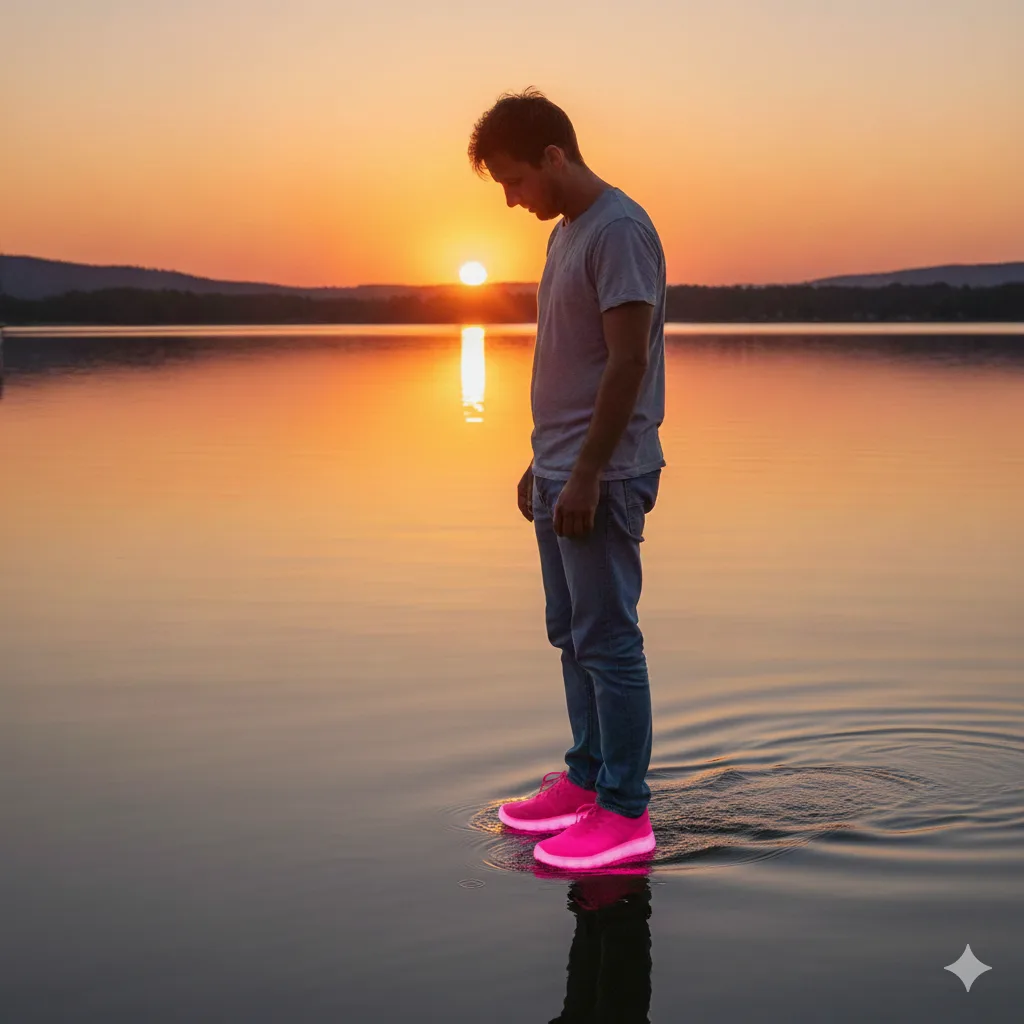
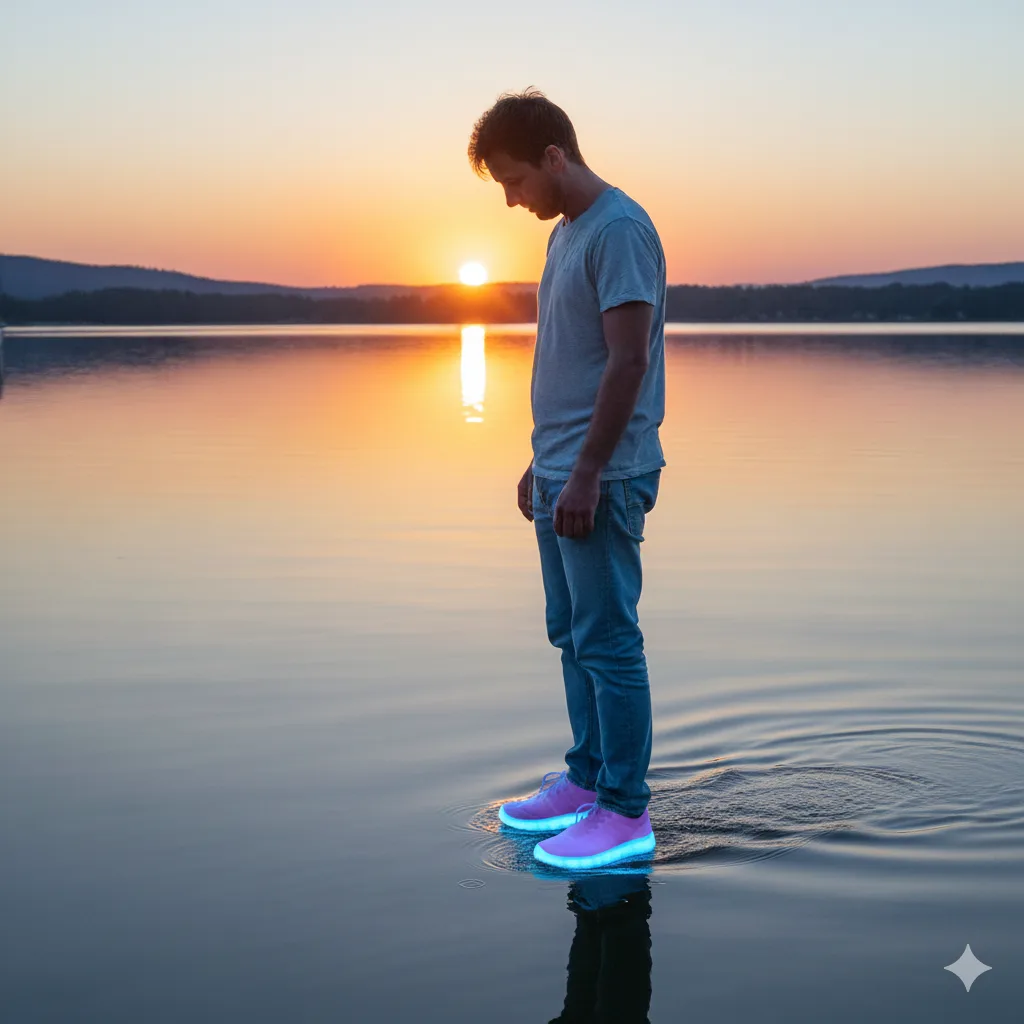
Imagine gliding effortlessly across a shimmering lake or exploring the vibrant aquatic world with ease and comfort. Water walking shoes are revolutionizing how enthusiasts and casual users approach water-based activities, blending functionality, comfort, and style seamlessly. Whether you’re an outdoor adventurer, a marine enthusiast, or someone seeking soothing water therapy, water walking shoes unlock a new dimension of aquatic exploration.
If you’re curious about how to make the most of this innovative footwear, understanding their design, uses, and benefits, then you’re in the right place. In this article, we’ll explore water walking shoes in detail—how to use them, practical examples, comparisons with other footwear, and expert tips to enhance your aquatic experiences.
Contents
The Design and Functionality of Water Walking Shoes
Water walking shoes are specially engineered footwear designed to operate seamlessly both in and out of water. They typically feature lightweight, quick-drying materials coupled with slip-resistant soles, making them ideal for a variety of aquatic environments.
When selecting water walking shoes, understanding their core components helps in making an informed choice. From material composition to sole technology, each feature plays a vital role in providing comfort, safety, and durability.
Materials and Construction
Water walking shoes are constructed from synthetic fibers, mesh, and rubber. The upper part usually employs breathable, quick-drying mesh or neoprene to ensure the foot stays dry and comfortable during water activities. The sole is made of textured rubber designed to provide excellent grip on wet surfaces. Some models incorporate infused antimicrobial agents to prevent odor and bacterial growth, adding an extra layer of hygiene.
The lightweight nature of these shoes prevents fatigue during extended wear, while the quick-drying properties ensure they’re ready for use again in minutes. The material choice not only enhances comfort but also impacts the shoe’s lifespan by resisting mold and mildew.
The Sole Design and Traction
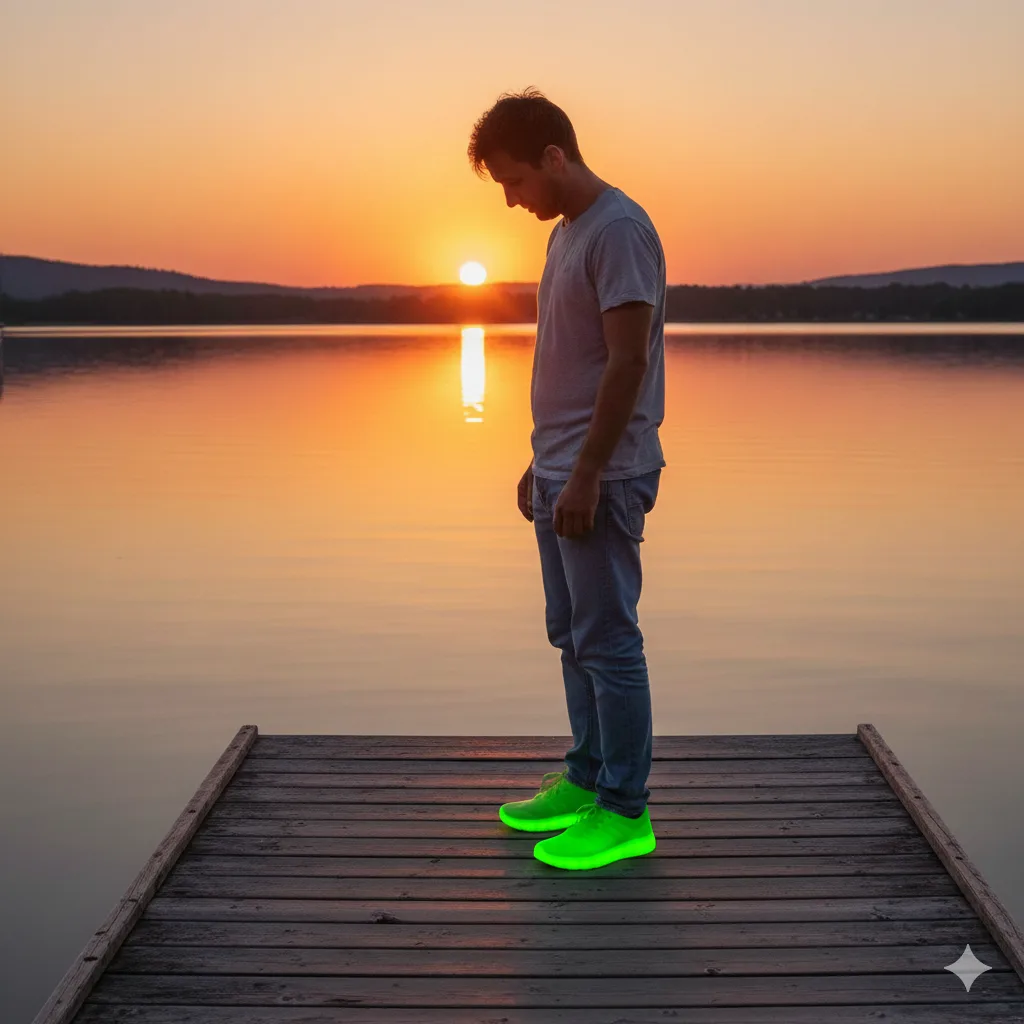
A significant innovation in water walking shoes is the sole design. Features like lug patterns, multidirectional treads, and textured rubber surfaces improve grip on slippery, uneven terrain such as rocks, sand, or boat decks. This traction ensures safety and confidence for users venturing into unpredictable aquatic zones.
Some shoes incorporate flexible soles that mimic barefoot walking, promoting natural gait and enhancing proprioception. Others have thicker, cushioned midsoles for shock absorption, especially suitable for walking on hard surfaces like concrete or piers.
How Water Walking Shoes Work
Water walking shoes are engineered to adapt dynamically to the environment. Their quick-drying materials prevent water retention, reducing weight and discomfort. The slip-resistant soles provide stability on wet surfaces, preventing slips and falls.


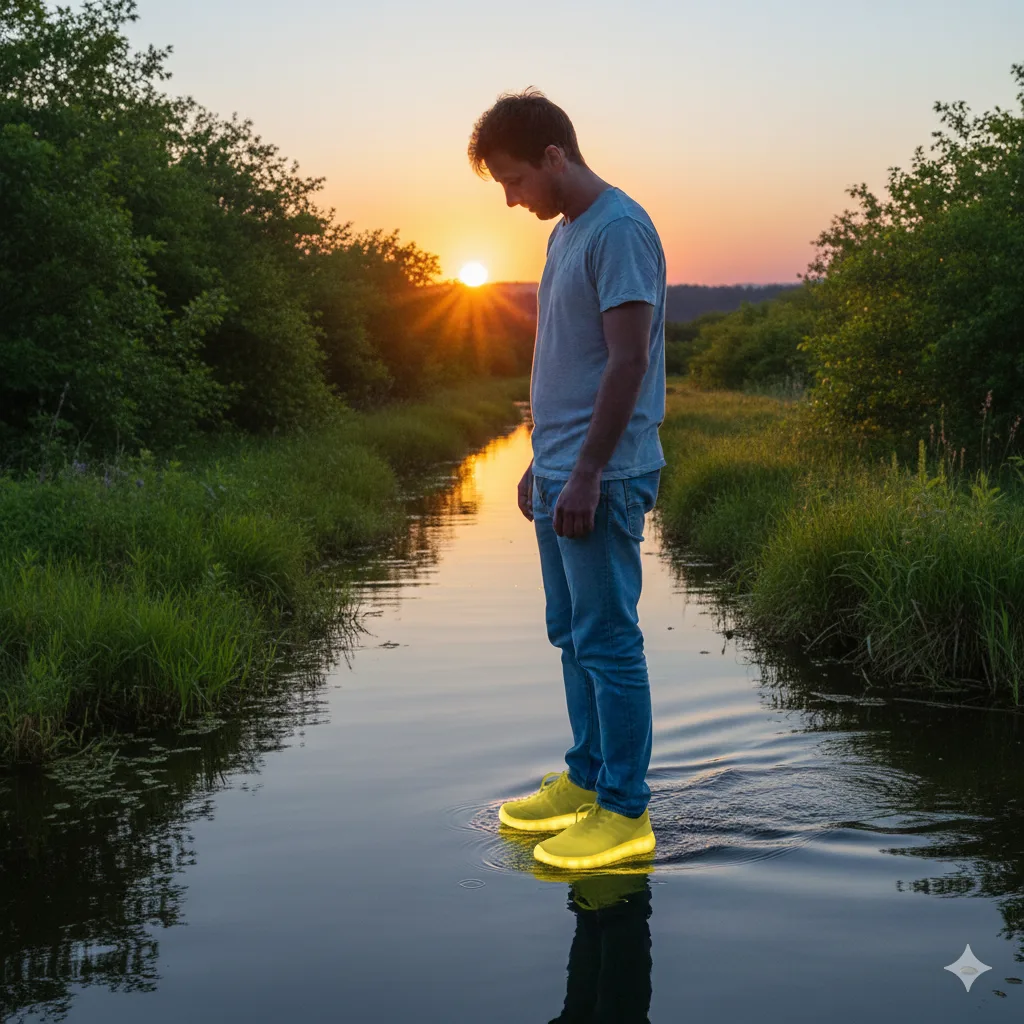
The upper’s breathability allows for air circulation, while the snug fit ensures the shoes stay securely on your feet in active movements. This combination of features makes water walking shoes an essential accessory for water activities such as kayaking, paddleboarding, beach combing, or even aquatic fitness classes.
Practical Uses of Water Walking Shoes – Expanding Beyond the Shore
Water walking shoes are versatile and serve numerous functions beyond traditional water activities. Their adaptability makes them suitable for engaging in recreational, therapeutic, and even eco-conscious pursuits.
Recreational Water Activities
Whether you’re exploring tide pools, walking along sandy beaches, or paddleboarding in a serene lake, water walking shoes provide safety and comfort. Their grip and quick-drying features allow users to transition seamlessly from water to land, eliminating the need to switch footwear frequently.
For example, hikers traversing shallow streams or rocky riverbeds benefit from the shoes’ protection and traction. They shield the feet from sharp rocks, shells, or debris while offering a natural walking feel. Moreover, water shoes facilitate spontaneous water sports such as snorkeling or swimming in freshwater springs, offering both mobility and protection.
Water-Based Therapeutic Exercises
Water walking shoes are increasingly popular in aquatic therapy. The buoyancy of water reduces joint stress, making exercises accessible for individuals recovering from injuries or managing conditions like arthritis. Shoes with reinforced soles and stability features help maintain balance and appropriate gait during therapy sessions.
In hydrotherapy pools, water walking shoes allow patients to engage in low-impact cardiovascular workouts safely. The grip ensures stability on wet surfaces, while the comfort features encourage longer sessions, aiding in healing and improving muscular strength.
Eco-Conscious and Sustainable Activities
In advocating environmental protection, many eco-friendly brands manufacture water walking shoes from sustainable or recycled materials. These shoes are ideal for eco-conscious adventurers engaging in activities like beach cleanups, eco-tours, or wildlife observation.
They allow users to explore sensitive coastal habitats without damaging the ecosystem, thanks to their non-marking soles and environmentally friendly components. Such shoes promote sustainable recreation, blending enjoyment with environmental responsibility.
Comparing Water Walking Shoes with Other Footwear Options
Choosing the right footwear for water activities depends on understanding how water walking shoes stand against alternatives like flip-flops, aquaf shoes, or barefoot walking. Here, we analyze the key differences, highlighting best use cases.
Water Walking Shoes vs. Flip-Flops
Flip-flops are popular for casual water outings but lack the support and grip provided by water walking shoes. While flip-flops are lightweight and easy to slip on, they often slip off in turbulent water or on uneven surfaces, increasing the risk of falls.
In contrast, water walking shoes offer a snug fit, excellent traction, and added protection from sharp objects or hot sand. They also prevent blisters and foot fatigue, common disadvantages of flip-flops during extended use.
Water Walking Shoes vs. Aquaf Shoes
Aquaf shoes, often built with neoprene and thicker soles, are designed primarily for aquatic sports like surfing or diving. They tend to be more durable and offer more insulation but may lack the flexibility and lightweight feel of dedicated water walking shoes.
While aquaf shoes excel in high-impact or aggressive water activities, water walking shoes are more versatile for casual walking, beachcombing, and therapeutic purposes. They’re easier to wear and generally more comfortable for extended periods.
Water Walking Shoes vs. Barefoot Walking
Walking barefoot in water provides exceptional proprioception and a natural experience. However, it exposes the feet to hazards such as sharp rocks, shells, or marine creatures. Water walking shoes bridge the gap by offering barefoot-like feel with added protection and grip.
For many, barefoot walking may be preferable in calm, sandy environments, but in rocky or debris-filled waters, water walking shoes are the safer, more practical choice.
Comparative Table: Key Features of Water Footwear Options
| Feature | Water Walking Shoes | Flip-Flops | Aquaf Shoes | Barefoot Walking |
|---|---|---|---|---|
| Support | High | Low | Moderate | None |
| Traction | Excellent | Poor | Good | Varies |
| Water Drainage | Rapid drying | Quick drying | Quick drying | N/A |
| Protection | Very good | Limited | Excellent | None |
| Comfort | High | Moderate | High | Personal preference |
| Versatility | High | Low | Moderate | Very high |
Expert Advice and Tips for Maximizing Your Water Walking Shoes Experience
Harnessing the full potential of water walking shoes involves understanding their care, appropriate use, and maintenance. Here are some professional insights and recommendations to optimize your aquatic adventures.
Regular Maintenance and Care
To prolong the lifespan of your water walking shoes, rinse them thoroughly with fresh water after each use, especially after saltwater exposure. Avoid prolonged sun exposure, which can degrade materials. Air-drying in a well-ventilated area prevents mold and odor buildup.
Periodically inspect soles and seams for signs of wear or damage. Replacing worn-out shoes ensures safety and comfort. Consider using odor-control sprays or baking soda deposits to keep shoes fresh.
Suitable Activities and Environment
Select your water walking shoes based on specific activities. For example, those engaging in rocky shoreline walks should focus on shoes with aggressive tread patterns and reinforced materials. For calmer waters and sandy terrains, lighter, more flexible models suffice.
Understanding environmental factors—such as temperature, water salinity, and terrain—helps in choosing the right pair and avoiding environmental harm or wear.
Tips for Using Water Walking Shoes Effectively
- Ensure a proper fit—shoes should be snug but not tight, with enough room for toe movement.
- Wear them around the house or in the water to break them in gradually, preventing blisters or discomfort during activity.
- Use quick-drying socks if added comfort or extra warmth is desired, but remember, shoes are designed for water contact and typically perform best without socks.
Water walking shoes emerge as a versatile, functional, and stylish solution that enhances water-based activities and outdoor adventures. Their innovative material design, excellent traction, and supportive features make them superior to many traditional options like flip-flops or barefoot walking, especially in unpredictable environments. Whether you’re exploring tide pools, indulging in aquatic therapy, or eco-activism, choosing the right water walking shoes can significantly elevate your experience. By understanding their construction, uses, and care, you can confidently step into your next aquatic journey with style, safety, and comfort, truly embracing the boundless possibilities that these incredible shoes offer.