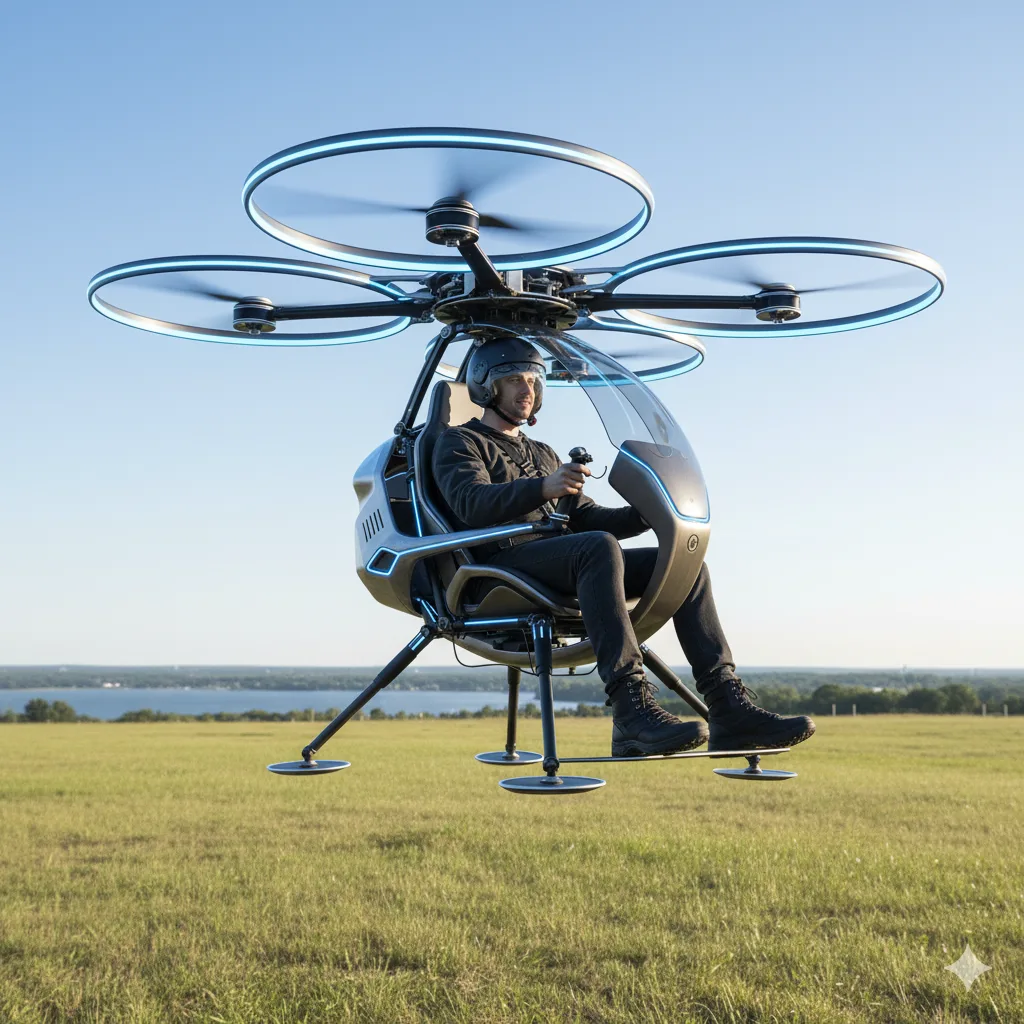
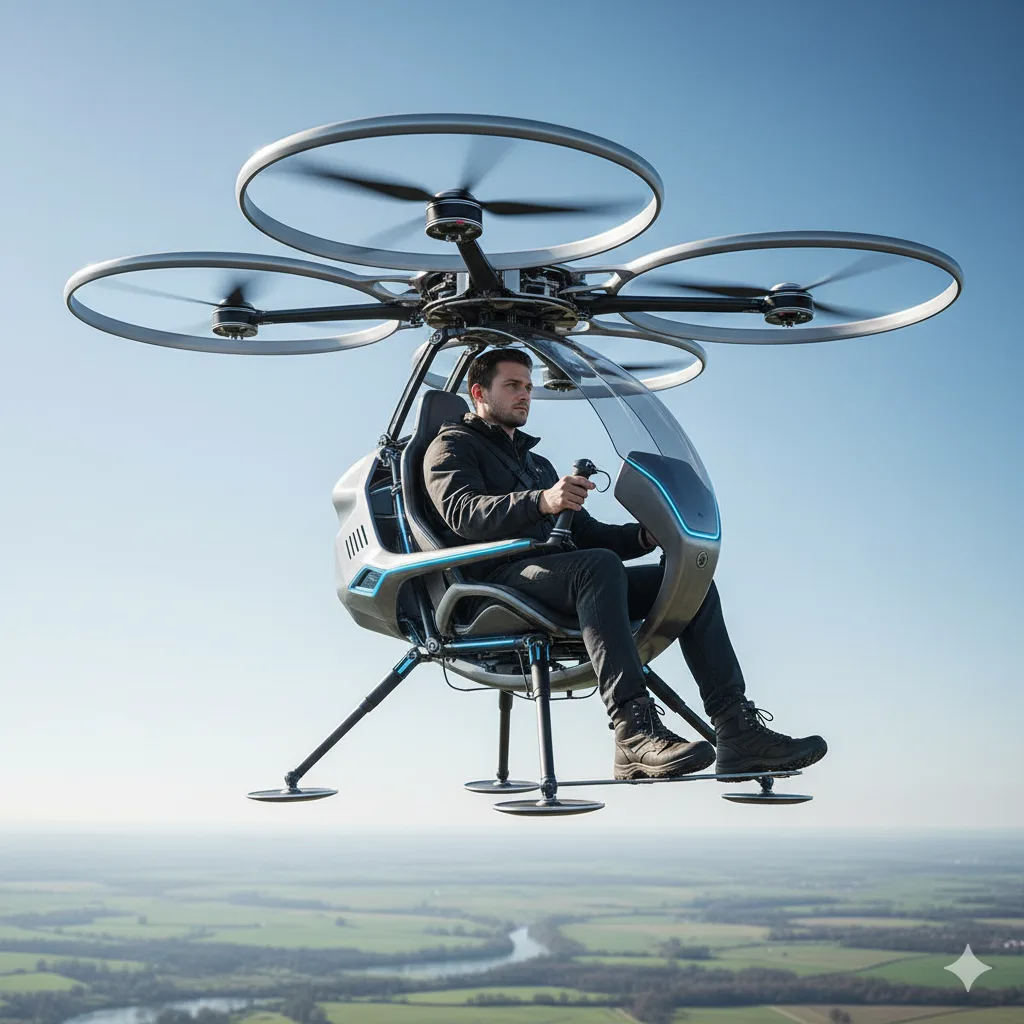
Personal drone vehicles are revolutionizing how we approach transportation, security, and recreational activities. These compact, autonomous flying machines are designed to cater to individual needs, offering unprecedented convenience and flexibility. As technology progresses rapidly, the integration of personal drone vehicles into daily routines is becoming not just feasible but essential for a futuristic lifestyle.
In this article, we explore the innovative world of personal drone vehicles, their uses, comparisons with traditional transportation, and expert advice on adopting this cutting-edge technology. Navigating the sky with personal drone vehicles opens new horizons, and understanding their functionalities and implications is crucial for anyone interested in the next leap in mobility.
Contents
The Evolution and Role of Personal Drone Vehicles in Modern Society
The rise of personal drone vehicles marks a significant milestone in transportation technology, intertwining automation, aerial mobility, and smart systems. Originally envisioned in science fiction, these vehicles have now become a tangible reality thanks to advances in AI, lightweight materials, and battery technology. Their purpose goes beyond simple novelty, providing practical solutions for commuting, emergency responses, and even leisure.
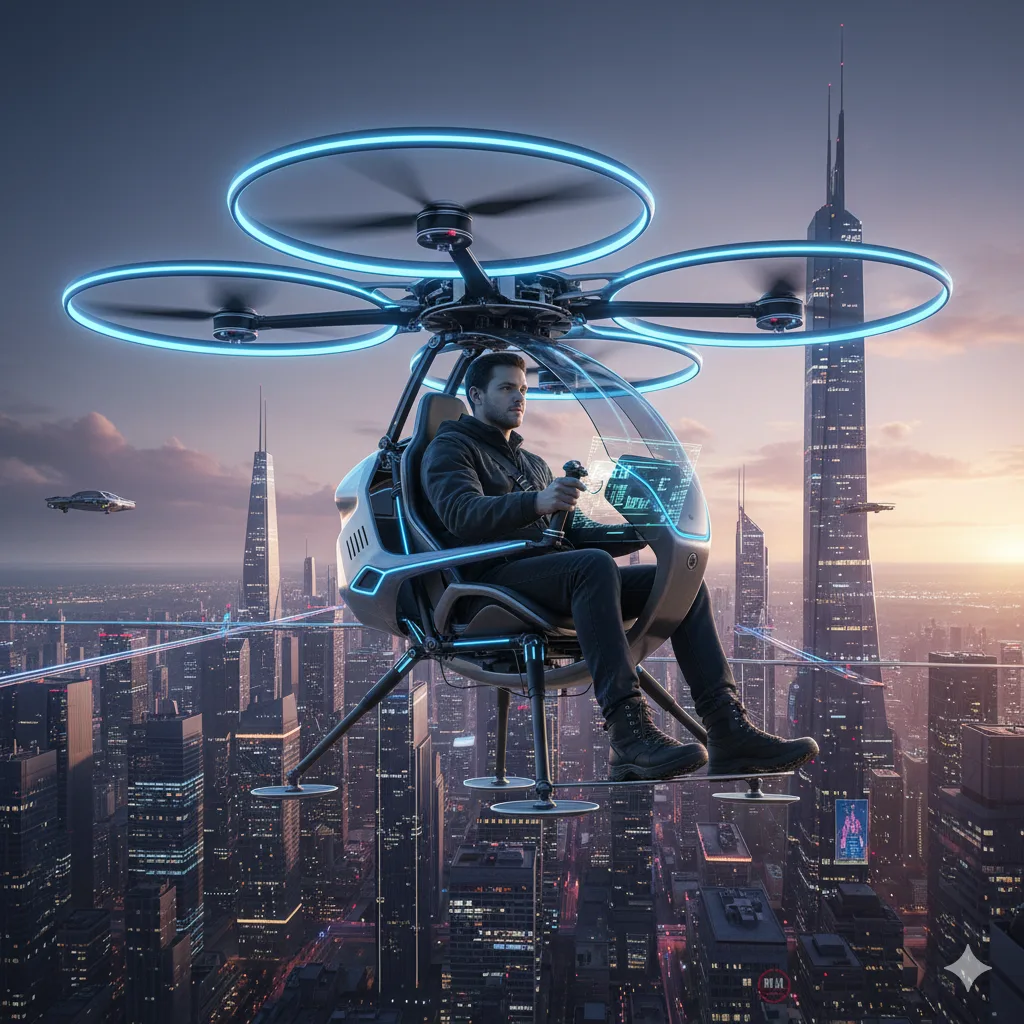
Before diving into the details, it’s important to recognize that personal drone vehicles are not just flying gadgets but sophisticated systems that combine multiple functionalities—navigation, safety, and connectivity. They are designed to serve as an extension of personal mobility, akin to the smartphone revolution, where individual devices became central to daily life.
Understanding the impact of personal drone vehicles involves examining their development, societal integration, and future potential. As these innovations become mainstream, they could redefine urban planning, reduce congestion, and offer rapid responses to emergencies. Going beyond their physical capabilities, these vehicles also embody the integration of AI and IoT, fostering a seamless connection between the user and the environment.
The Historical Context and Development Timeline
The concept of drone-based personal transportation has evolved over decades, transitioning from experimental prototypes to commercially available models. In the early 2000s, hobbyists and engineers began testing small flying robots with limited autonomy. As battery life improved and miniaturization advanced, the idea shifted toward more practical applications, leading to the first prototypes of personal drone vehicles.
By 2020, several companies announced the first commercially viable models, emphasizing safety, user interface, and regulatory compliance. The development was driven by the desire for eco-friendly transportation alternatives, especially in congested cities, and the need for autonomous systems that can adapt to unpredictable environments. This progression reflects a broader technological trend where autonomous vehicles are transitioning from ground-based to aerial options.
Societal Benefits and Challenges
The benefits of personal drone vehicles extend to various sectors, offering solutions that are fast, eco-friendly, and less affected by ground-level obstacles. Urban environments, notorious for traffic jams, stand to gain significant relief if personal drone vehicles become part of daily transportation. Additionally, they hold promise for emergency services, delivering medical supplies or firefighting assistance swiftly.
However, several challenges persist—such as regulatory hurdles, safety concerns, privacy issues, and technological limitations. These obstacles require collaboration among engineers, policymakers, and the public to develop safe operational standards. For society, the decision to adopt personal drone vehicles involves weighing benefits against potential risks and establishing a framework that ensures responsible usage.
In the long-term, their integration could complement existing transportation systems, creating an interconnected and resilient mobility network. As private owners and commercial operators begin to embrace these systems, the landscape of personal mobility will change dramatically, possibly ushering in a new era of skyward mobility.

Practical Uses and Applications of Personal Drone Vehicles in Daily Life
Aligning innovation with practical needs makes personal drone vehicles particularly attractive for everyday application. From commuting to leisure, these flying devices serve a broad spectrum of functions that enhance convenience, safety, and quality of life.
Understanding practical use cases helps in evaluating how personal drone vehicles can seamlessly integrate into current routines and future lifestyles. Their versatility allows users to navigate complex environments, improve efficiency, and even explore recreational activities that were previously inaccessible or impractical.
Personal Transportation and Commute Solutions
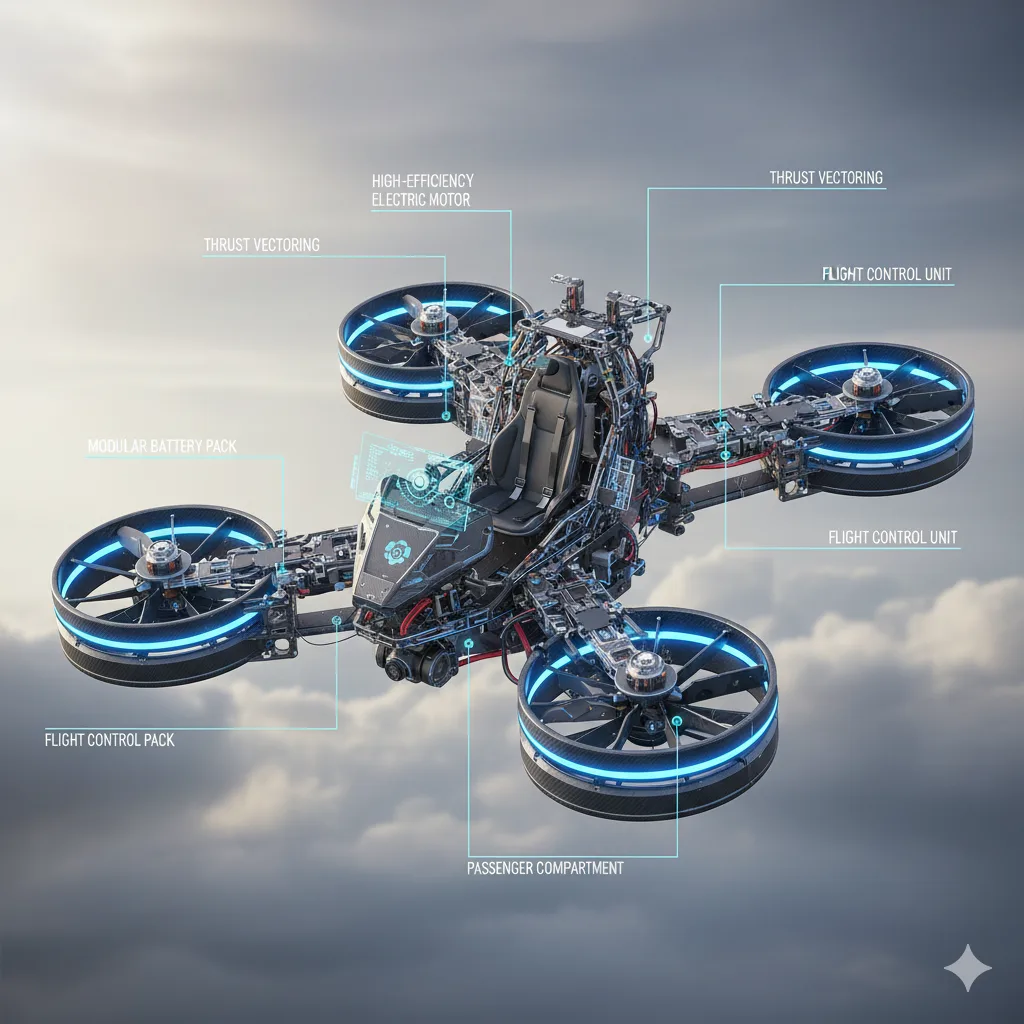
One of the most talked-about applications of personal drone vehicles is transforming personal transportation. The idea of flying from Point A to Point B—avoiding traffic jams, crowded public transit, and parking woes—is highly appealing. These vehicles are designed to be user-friendly, with autopilot features and collision avoidance systems, making daily commutes safer and more predictable.
Many prototypes include foldable designs and lightweight frames, making them easy to store and ready for quick deployment. When used correctly, personal drone vehicles can significantly reduce travel time, especially in urban settings where congestion is a major problem. Also, they could complement existing modes by providing last-mile connectivity, linking distant transit hubs with neighborhoods efficiently.
Emergency Response and Critical Situations
Beyond personal commuting, personal drone vehicles have exceptional potential in emergency response scenarios. They can swiftly reach inaccessible areas during natural disasters, deliver medical supplies, or assist firefighting efforts in hazardous environments. Their ability to fly over obstacles and navigate precisely makes them invaluable in situations where ground access is limited or unsafe.
For example, a personal drone vehicle could deliver a defibrillator to someone experiencing cardiac arrest in a remote location until medical personnel arrive. Similarly, during flood or earthquake aftermaths, these vehicles can conduct reconnaissance, survey damage, and transmit live data, saving time and lives. Their deployment can improve overall emergency services efficiency, especially when integrated into official response plans.
Recreational Activities and Personal Leisure
Recreational uses are equally compelling for personal drone vehicles, transforming how hobbyists and outdoor enthusiasts experience nature. They can be used for aerial photography, capturing stunning landscapes from unique perspectives, and exploring hard-to-reach places like mountain peaks or dense forests.
Many users find joy in flight simulation, competitive racing, and adventure exploration with their personal drone vehicles. These activities enhance personal well-being by connecting individuals with outdoor environments, fostering creativity, and encouraging active lifestyles. The proliferation of user-friendly models with high-definition cameras and longer flight times makes recreational applications accessible and enjoyable.
The diversity of use cases underscores the flexible nature of personal drone vehicles, making them integral to various facets of modern life. As technology advances, their roles will expand further, creating new opportunities for personal and societal enhancement.
Comparing Personal Drone Vehicles with Traditional Transportation Options
The advent of personal drone vehicles introduces a compelling alternative to traditional modes of transportation like cars, bicycles, and public transit. Analyzing these differences illuminates their unique advantages, limitations, and potential niche roles in the broader mobility landscape.
While traditional transportation methods have a long established infrastructure, personal drone vehicles promise greater flexibility and adaptability. However, challenges related to safety, regulatory approval, and technological maturity must be carefully considered. Understanding these comparisons enables prospective users and policymakers to make informed decisions on integration.
Advantages and Disadvantages of Personal Drone Vehicles
The primary advantages of personal drone vehicles include rapid point-to-point travel, reduced ground congestion, and access to hard-to-reach areas. Their ability to navigate in three dimensions offers an agility that traditional vehicles cannot match, especially in densely populated or geographically challenging environments.
On the flip side, disadvantages include current limitations in battery life, payload capacity, and weather resilience. Safety concerns like collision risks and software malfunctions are prominent, necessitating robust regulation and technological safeguards. Additionally, noise pollution and visual impact in urban areas are considerations that must be addressed as adoption increases.
The comparison also involves cost factors. While prices are expected to decrease over time, initial investments may be significant, and maintenance costs could be higher compared to traditional vehicles. However, these costs may be offset by savings in fuel, parking, and time, especially as the technology matures.
Environmental and Infrastructure Impacts
Personal drone vehicles are heralded for their potential environmental benefits—they operate electrically, reducing emissions compared to traditional internal combustion engines. Their adoption could diminish urban air pollution and contribute to cleaner cities if integrated properly.
In terms of infrastructure, current transportation relies heavily on roads, parking spaces, and extensive networks. Personal drone vehicles would necessitate new infrastructure—takeoff and landing zones, charging stations, and air traffic control systems—similar to existing aviation or drone delivery systems. Designing these infrastructure elements to coexist with traditional transportation presents both logistical and regulatory challenges but also opportunities for innovative urban planning.
Compatibility and Future Integration
As the technology develops, personal drone vehicles will likely coexist with existing transit modes, forming a complementary network. For instance, they could function as a first-mile or last-mile solution, integrating seamlessly with trains and buses. Smart city initiatives could incorporate drone corridors and regulated airspace, facilitating safe and efficient usage.
Looking ahead, advances in AI, battery technology, and regulatory frameworks will determine the extent of their integration. Comparing their growth trajectory with traditional transportation helps stakeholders envisage a hybrid future where personal drone vehicles play an essential role, especially in mitigating urban congestion and enhancing mobility resilience.
Ultimately, while personal drone vehicles are not poised to entirely replace traditional transportation, they offer a promising supplementary option that aligns with future urban development and environmental goals. Our understanding of their comparative strengths and limitations will shape smart adoption strategies.
Personal drone vehicles represent a transformative leap in transportation, blending innovation with practicality to address emerging mobility needs. Their evolution from conceptual prototypes to feasible tools highlights a future where flying cars and autonomous aerial vehicles become part of daily life, offering faster, greener, and more flexible options. Whether used for commuting, emergency response, or recreational exploration, these devices have the potential to redefine personal mobility, especially when thoughtfully integrated with existing infrastructure and regulated for safety. As technological advancements continue and societal acceptance grows, personal drone vehicles will undoubtedly carve out a significant niche in shaping the smart cities of tomorrow.