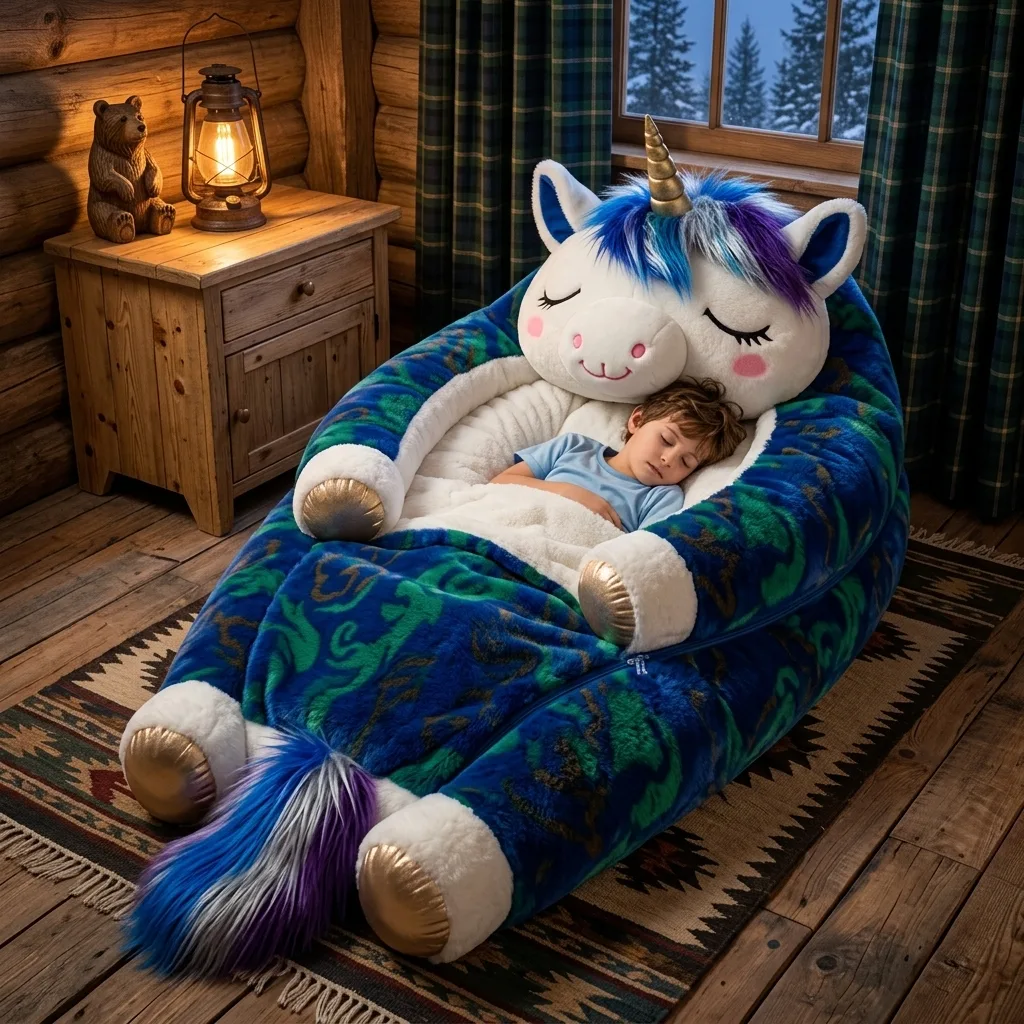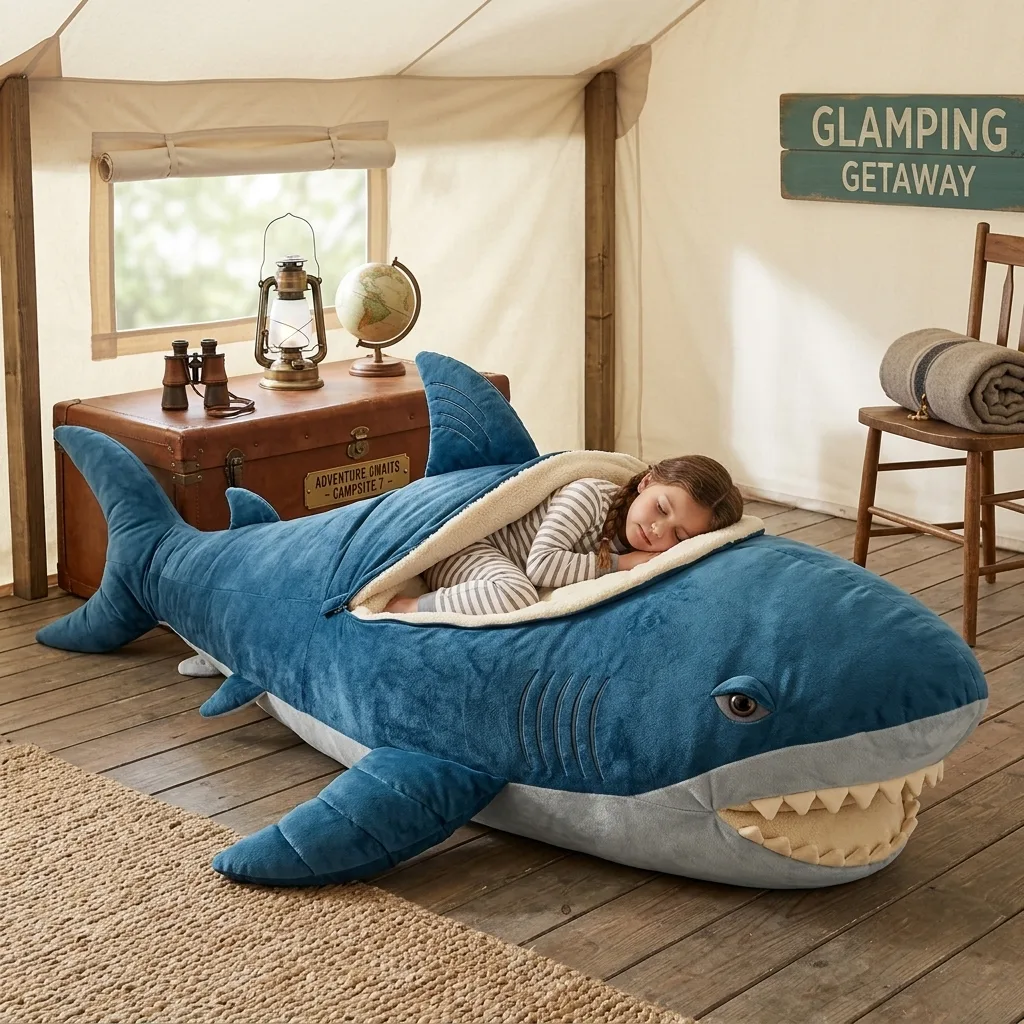
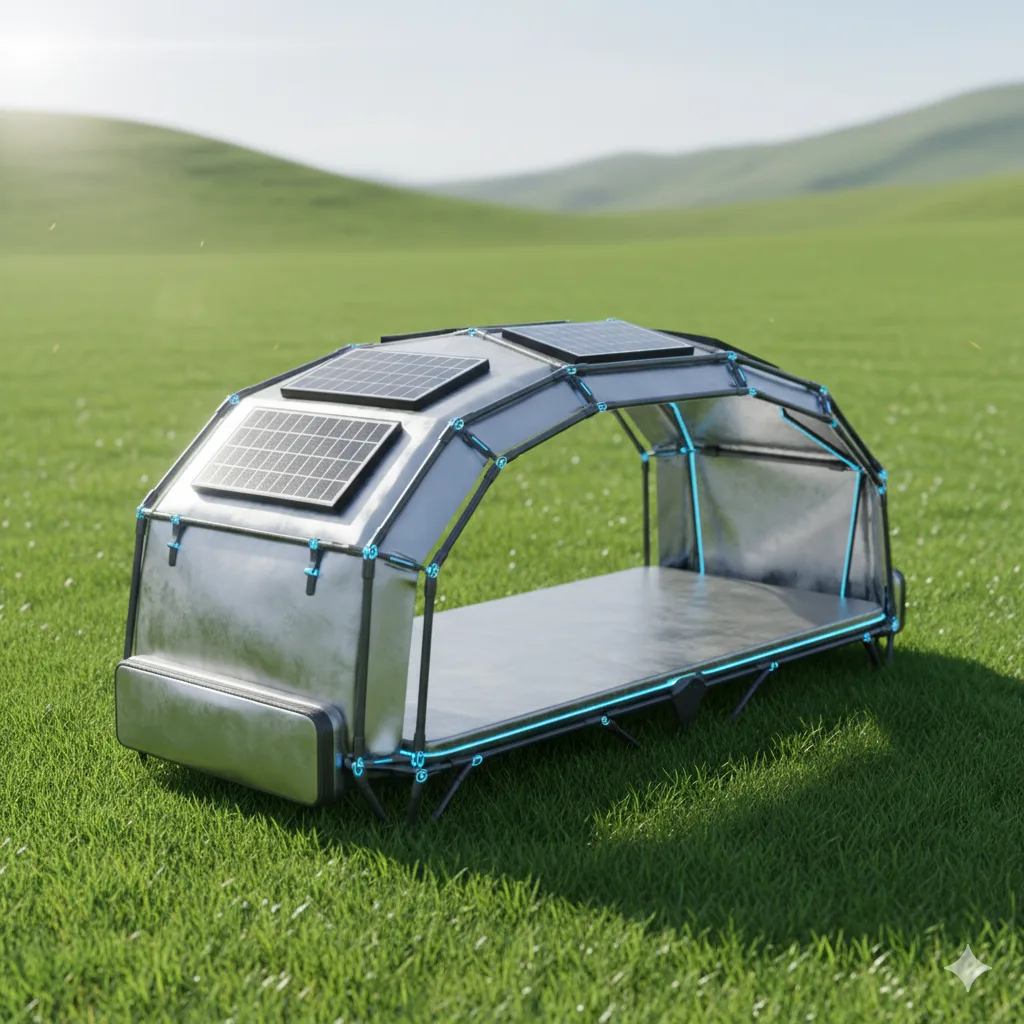
Are you tired of cramped sleeping arrangements during your travels or outdoor adventures? The backpack bed is an innovative solution designed to maximize space, comfort, and convenience. This versatile device transforms the traditional backpack into a cozy sleeping space, perfect for backpackers, students, or anyone who values efficient design. With the rise of portable, multi-use gear, understanding how to use a backpack bed, its advantages, and comparisons to other sleeping solutions can significantly enhance your outdoor and travel experience.
The Concept and Functionality of the Backpack Bed – A Game-Changer in Portable Sleep Solutions
The backpack bed redefines the way we think about portable sleeping arrangements, combining durability, convenience, and comfort into a compact design. Whether for camping, dorm rooms, or emergency situations, this innovative gear caters to those who need quick, reliable rest options without sacrificing portability. Unlike traditional sleeping bags or compact mattresses, a backpack bed offers a seamless transition from carrying to resting, making it a valuable addition to any outdoor gear collection.
Understanding the primary features and design of a backpack bed is essential before integrating it into your routine. Typically, backpack beds are made from lightweight yet sturdy materials with integrated pillows and sleeping surfaces, allowing for quick assembly and disassembly. Some models feature waterproof fabrics, reinforced zippers, and ergonomic designs tailored to fit various body sizes, ensuring maximum comfort during rest. The next sections will delve into specific usage tips, comparisons, and expert advice for making the most of your backpack bed.
How to Use a Backpack Bed Effectively
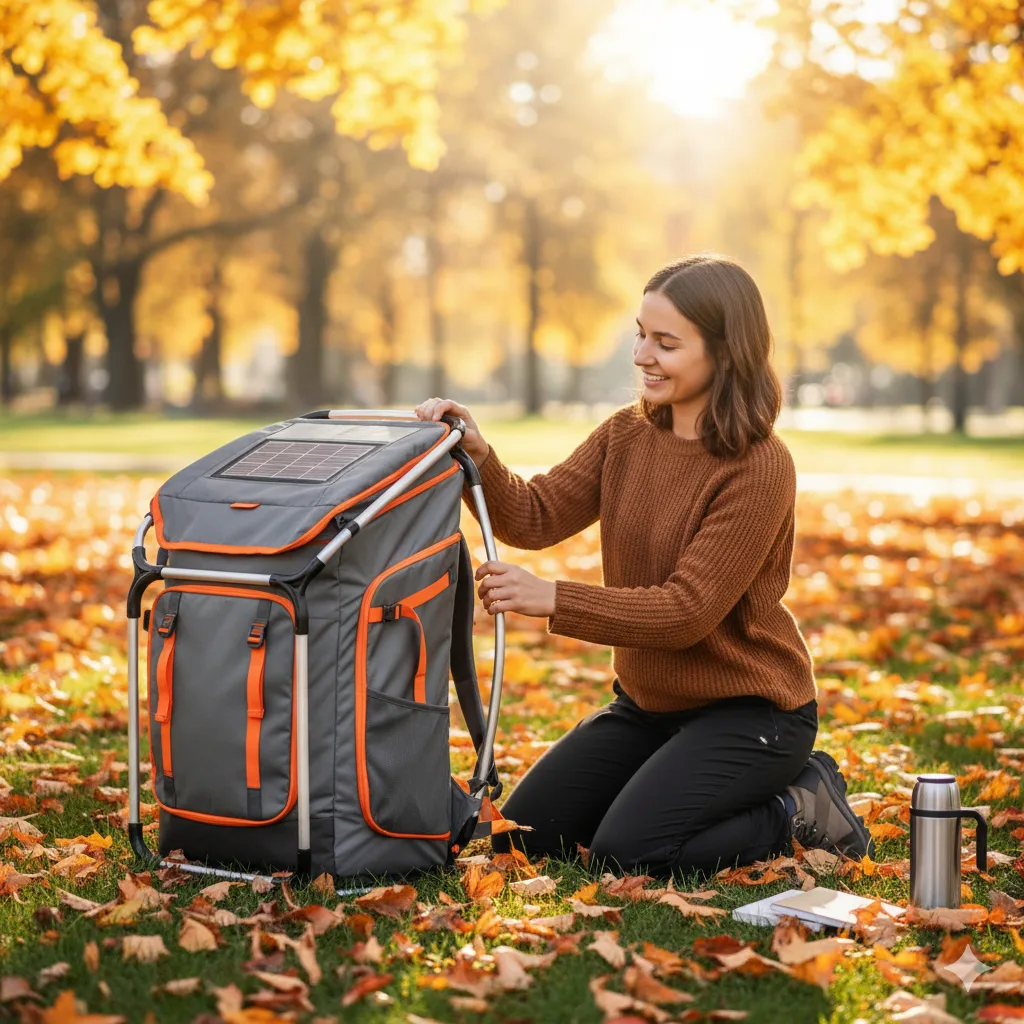
Using a backpack bed requires minimal setup but critical attention to detail to ensure optimal comfort and durability. First, choose a flat, even surface where you plan to set up the backpack bed—this could be ground, a sturdy picnic table, or even inside a tent. Open the backpack, extend the sleeping surface, and secure any straps or zippers designed to keep the bed in place. If your model includes built-in pillows or extra padding, adjust them for your preferred head position.
Next, test the stability and comfort of the bed before resting. Adjust the straps or fastenings to ensure the bed remains taut and supportive. When you’re ready to sleep, use your personal sleeping bag or light blankets to add warmth if necessary. Once morning comes, simply fold it back into your backpack, securing all straps and zippers—the entire process typically takes under a minute. This quick transition highlights the true advantage of the backpack bed: seamless portability and readiness for sleep whenever needed.
Examples of Backpack Bed Usage
Many outdoor enthusiasts incorporate backpack beds into their adventure gear for overnight hikes, camping trips, or remote expeditions. For instance, a hiker might pack a lightweight backpack bed to avoid lugging bulky sleeping gear, enabling quick setup at a campsite without setting up a tent. Students living in dorms often opt for a backpack bed for its space-saving qualities, especially in small or shared rooms where maximizing square footage is vital.
In emergency preparedness, a backpack bed proves invaluable by providing a compact, reliable sleep zone during power outages, evacuations, or disaster scenarios where traditional bedding options are unavailable. Travelers exploring remote locations benefit from the convenience of a backpack bed that doubles as both a carry-on item and a comfortable resting pad, eliminating the need to carry separate mats or bulky sleeping gear. The versatility in practical examples showcases the multifunctional nature of the backpack bed as an essential item across various contexts.
Comparing Backpack Bed with Other Sleeping Solutions
When evaluating the backpack bed, it’s essential to compare it to common alternatives like foam mattresses, sleeping bags, and inflatable pads. Traditional foam mattresses are bulky and heavy, making them unsuitable for backpacking, whereas a backpack bed keeps weight minimal while providing comparable comfort. Sleeping bags, though compact, often lack structured support, whereas some backpack beds incorporate supportive frameworks for a more restful sleep.
Inflatable pads offer portability but require constant inflation and deflation, which can be inconvenient and prone to punctures. The backpack bed eliminates these issues by combining the functions of a carry bag and sleeping surface in one unit, simplifying the process and reducing potential points of failure. Personal analysis suggests that while each solution has merits, backpack beds excel in multi-purpose use — balancing weight, convenience, and comfort efficiently.



Expert Advice for Choosing and Maintaining Your Backpack Bed
Selecting the right backpack bed depends on specific needs regarding size, weight, material, and intended use. Opt for models constructed from durable, water-resistant fabrics with reinforced seams—these features extend the lifespan and versatility. When choosing the size, consider your body dimensions for maximum comfort, especially if you plan to use it regularly for camping or travel. Some models come with customizable features like adjustable straps, removable covers, or integrated pillows, allowing users to personalize their sleeping experience.
Maintenance is equally crucial to prolong your backpack bed’s lifespan. Always follow the manufacturer’s cleaning instructions, often requiring gentle hand washing or spot cleaning to avoid damaging waterproof coatings or fabric integrity. Ensuring the bed is thoroughly dry before storing prevents mold and mildew. Periodically inspect zippers, straps, and seams for signs of wear and tear, and replace parts as necessary. Well-maintained equipment not only guarantees safety but also ensures a comfortable sleep every time you use your backpack bed.
The backpack bed is transforming portable sleep solutions by seamlessly blending practicality, comfort, and ease of use. Its innovative design offers a lightweight, space-efficient alternative to traditional bedding, making it ideal for outdoor adventures, emergency situations, or small living spaces. Proper usage, careful selection, and maintenance are essential to maximize its lifespan and comfort. Whether comparing it to foam mattresses, sleeping bags, or inflatable pads, the backpack bed proves to be a versatile, valuable addition for anyone seeking a reliable and portable sleeping option. Embracing this multifunctional gear can enhance your travel experiences while giving you the convenience of restful sleep anytime, anywhere.
Features of a Backpack Bed
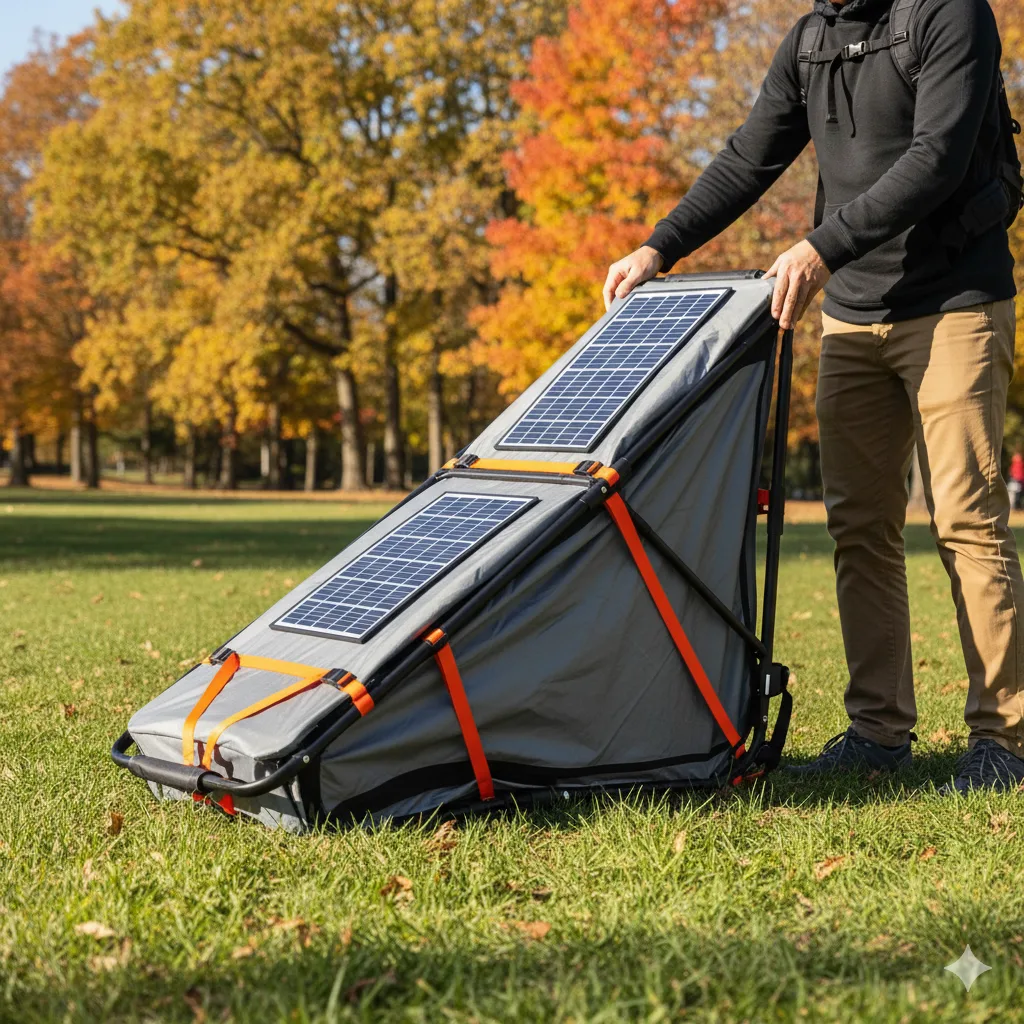
Understanding the features of a backpack bed is crucial for anyone considering this versatile sleeping solution. Most backpack beds combine an innovative design with functional features to enhance comfort and usability. Commonly, they are constructed with lightweight yet durable materials that can withstand various environments while being easy to transport.
One of the standout features is their compact size, allowing them to be stored conveniently within a backpack. This feature is not just for convenience; it opens up options for spontaneous trips and outdoor adventures without the need for cumbersome gear. Many models come equipped with integrated pillows or headrests that provide a complete sleeping experience without needing additional items. Furthermore, waterproof or water-resistant fabrics protect against moisture, enhancing comfort in varied weather conditions.
Another notable aspect is the quick setup process. Most backpack beds can be set up and dismantled in a matter of seconds, making them ideal for individuals on the move. This feature is particularly beneficial for hikers and campers who may need to quickly establish or pack away their sleeping arrangements at multiple campsites. Overall, the blend of these features solidifies the backpack bed as an essential piece of equipment for outdoor enthusiasts and urban dwellers alike.
Benefits of Using a Backpack Bed
The benefits of utilizing a backpack bed extend far beyond its portability, making it an invaluable asset for many individuals and lifestyles. One primary advantage is the weight-to-comfort ratio it provides; users can enjoy a good night’s sleep without the burden of carrying bulky gear. This aspect is particularly critical for hikers or travelers who need to navigate trails or crowded urban settings.
Additionally, the spacious design accommodates various body types, ensuring that people of different sizes can find adequate comfort while resting. Many backpack beds also come with adjustable straps, allowing users to customize their sleeping arrangements further. This adaptability supports a myriad of situations—whether you are camping in the wilderness, setting up a resting spot at a festival, or needing to accommodate guests in your home.
Moreover, the multifunctional nature of a backpack bed cannot be understated. Beyond simply serving as a sleeping platform, it can also act as an impromptu lounge area wherever you find yourself. This versatility allows users to experience heightened comfort and functionality in various environments, increasing the overall value of the investment.
Ideal Use Cases for a Backpack Bed
Several practical use cases illustrate the tremendous versatility of the backpack bed, enabling various lifestyles to benefit from its features. For outdoor enthusiasts, a backpack bed is a quintessential piece of gear for long hikes or camping trips. It enables campers to set up a comfortable sleeping area that can easily be packed away when they hit the trail again.
In urban living situations, especially in smaller apartments, a backpack bed can transform spaces by serving as an alternative seating solution or guest bed. It is a functional addition for students living in dorms who want to maximize their tight quarters without compromising on comfort.
Moreover, the backpack bed is a must-have in emergency preparedness kits. During situations like fire evacuations or natural disasters, where conventional bedding options may not be available, a backpack bed can provide immediate comfort and safety. Its compact size and ease of carry make it suitable for storing in cars or emergency bags, ensuring you are always prepared without compromising on a good night’s sleep.
Maintenance Tips for Your Backpack Bed
To extend the lifespan of your backpack bed, proper care and maintenance are essential. Start by following the manufacturer’s guidelines regarding cleaning and care, which usually suggest hand washing with mild detergents to preserve waterproof features. Avoid machine washing when possible, as the intense cycles can damage the materials and construction of the bed.
Regularly inspect the fabrics and seams for signs of wear and tear, which can occur from regular use or exposure to harsh conditions. Address minor repairs promptly, such as patching small holes or reinforcing seams; this proactive approach will prevent the need for major fixes down the line.
Storing your backpack bed in a cool, dry area will help maintain its materials over time. Before putting it away for an extended period, make sure it is dried thoroughly to prevent mold and mildew growth. Additionally, avoid folding it in the same spot each time you store it, as this will protect against crimping or permanent creases that could affect its structure.
The backpack bed stands out as a remarkable portable sleep solution blending comfort, versatility, and practicality. By understanding its features, benefits, and ideal use cases, individuals can harness the advantages it brings to outdoor adventures, emergency preparedness, or even urban living. Taking care of this essential gear through proper maintenance solidifies its durability and frequent use, ensuring that users can enjoy restful sleep anytime, anywhere. Embracing the functionality of a backpack bed enhances convenience in your lifestyle, making it an indispensable asset for those who prioritize mobility and comfort.