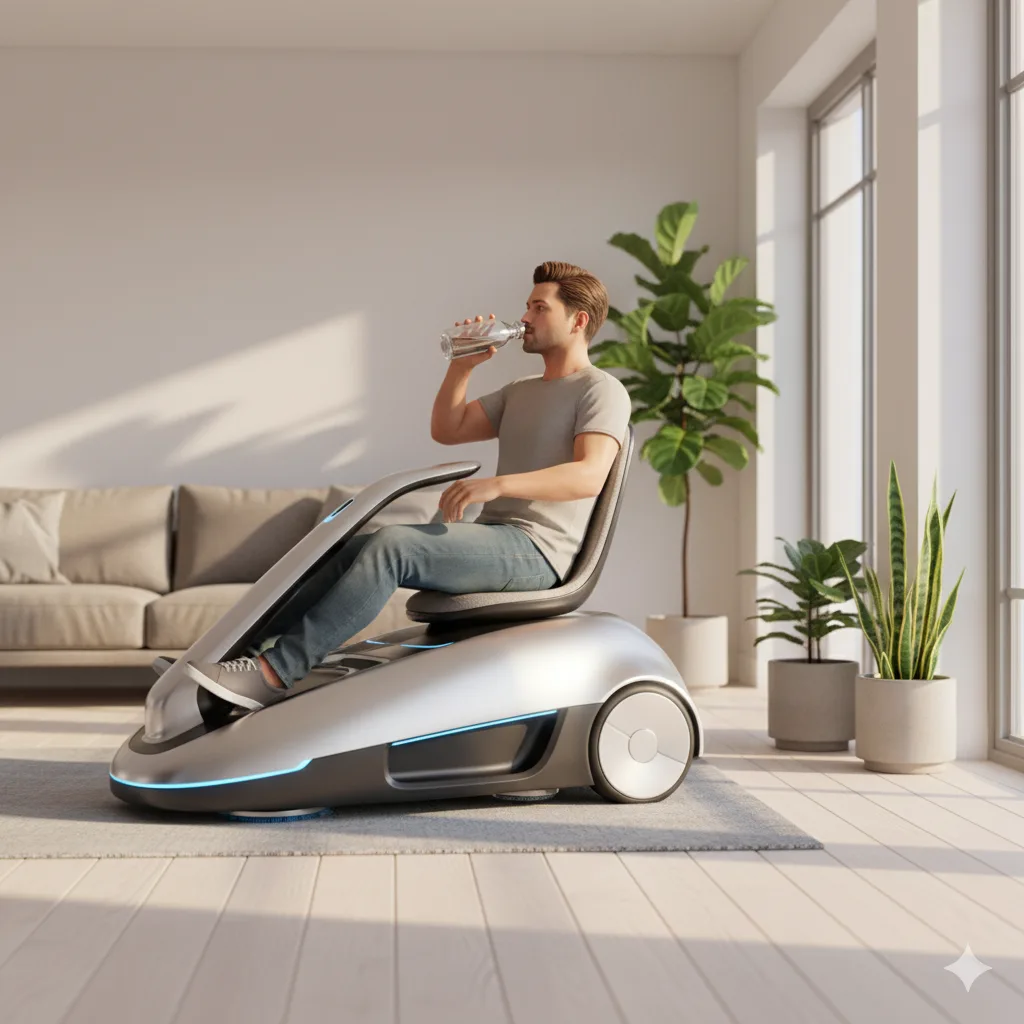
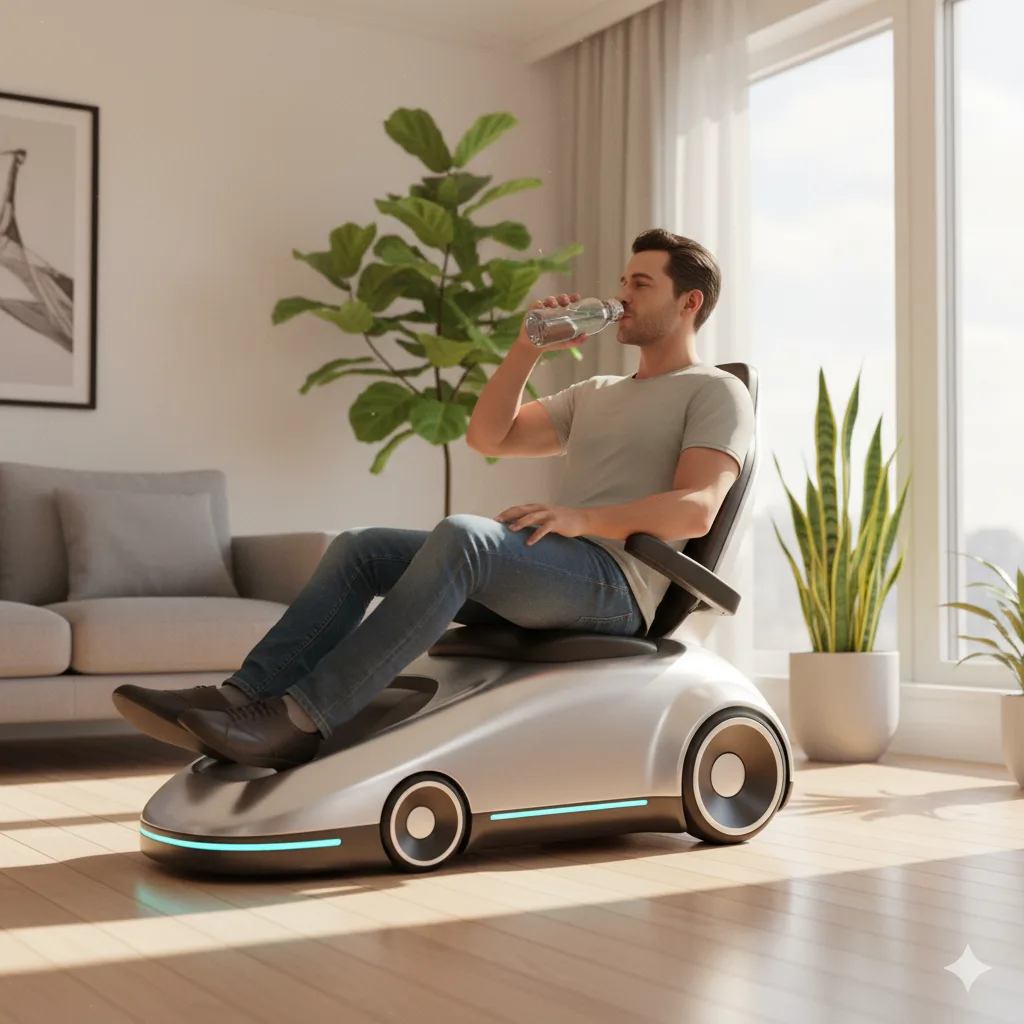
Riding vacuums are transforming traditional cleaning methods, offering a new level of efficiency and convenience for big spaces and commercial environments. These innovative machines combine the power of conventional vacuums with the ease of riding equipment, making them an essential tool for professional cleaners, large facility managers, and even homeowners aiming for quick, effective floor maintenance. Whether you’re dealing with expansive warehouses, shopping centers, or large household floors, riding vacuums offer practical solutions that redefine cleanliness standards.
The following article explores the transformative aspects of riding vacuums, giving insights into their features, operation, advantages, and tips to choose the best model for your needs.
Contents
Evolution of Floor Cleaning Devices – From Handheld to Riding Vacuums
Cleaning technology has a rich history that reflects humanity’s ongoing quest for efficiency. Initially, floor cleaning involved manual sweeping and mopping, which was labor-intensive and time-consuming. Over time, innovations introduced mechanical devices such as upright vacuums and canister cleaners, significantly improving cleaning productivity. Today, riding vacuums symbolize the pinnacle of this evolutionary path, designed specifically to handle large-scale cleaning tasks with minimal effort and maximum effectiveness.
Understanding the evolution of these devices helps appreciate why riding vacuums are gaining popularity across various industries. Their development underscores a constant desire to increase productivity, reduce labor costs, and improve cleaning outcomes in demanding environments. The transition from traditional handheld and upright vacuums to riding models reflects technological advancement, ergonomic design, and an emphasis on larger coverage in less time.
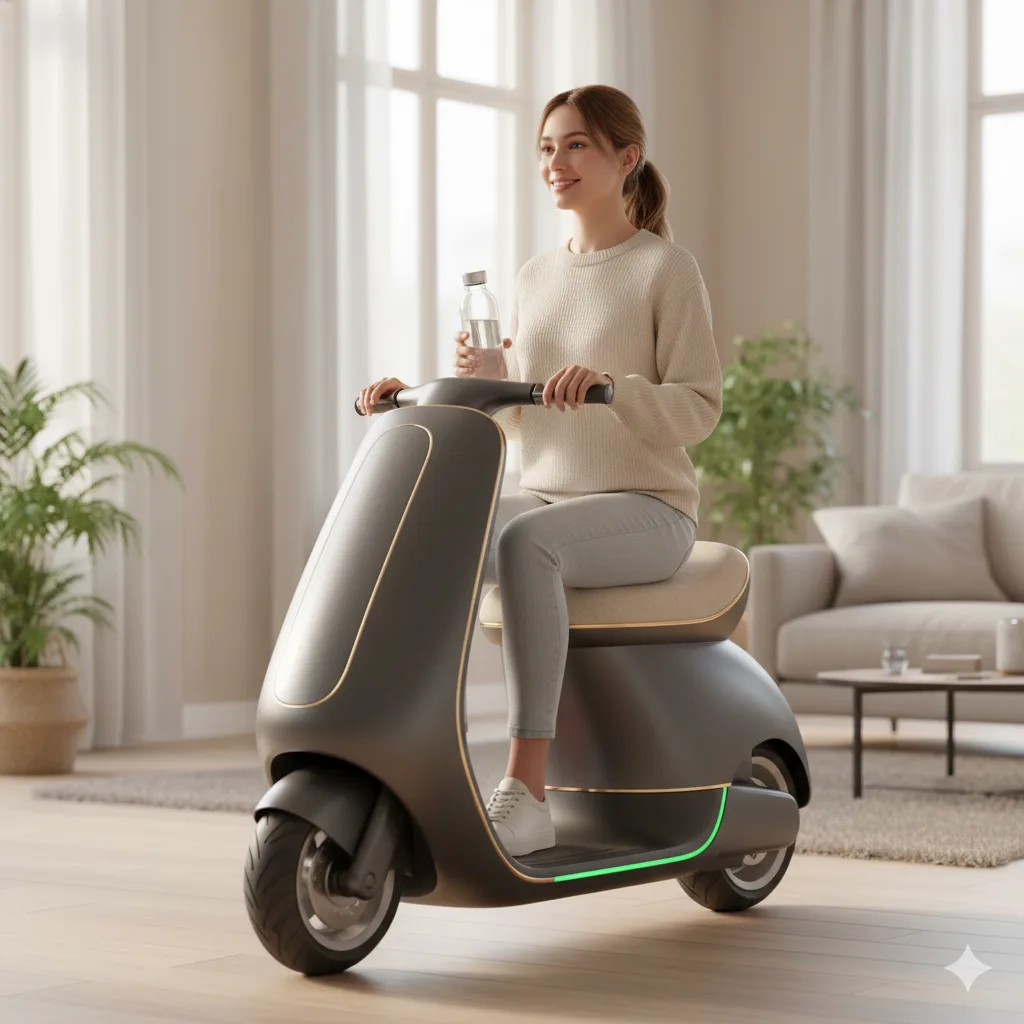
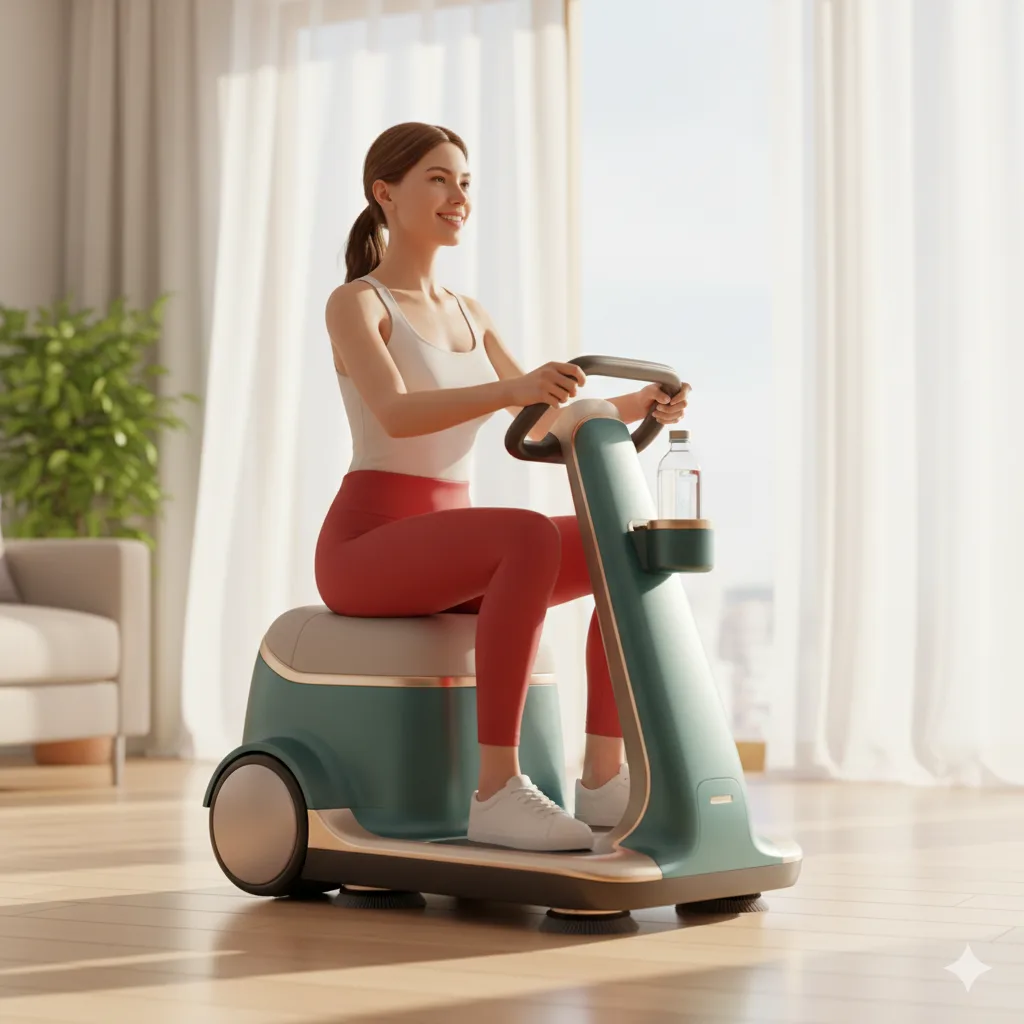
Riding vacuums are distinct in their design—they resemble small vehicles or mini-tractors that the operator stands or sits on, steering the machine across large areas. This design allows for continuous operation and reduces fatigue during extended cleaning sessions. As technology advances, features such as automated navigation, increased suction power, and eco-friendly operation are becoming standard, making riding vacuums indispensable for extensive cleaning needs.
The progression of floor cleaning equipment signals a shift from manual, labor-intensive methods toward automation and mechanization, boosting productivity and operational efficiency. Industries that require large-scale cleaning are increasingly adopting riding vacuums because they facilitate faster turnaround times, ensure more thorough cleaning, and improve overall hygiene standards in a cost-effective manner.
Features and Functionalities of Modern Riding Vacuums
Modern riding vacuums come equipped with advanced features that elevate their functionality beyond basic cleaning. These features are thoughtfully designed to optimize performance, convenience, and sustainability, making them suitable for diverse applications ranging from industrial to commercial and even large residential spaces.
Understanding these core features helps users select the most suitable model for their specific requirements. As technology continues to evolve, riding vacuums incorporate smart features that streamline workflow and enhance operational capabilities.
Ergonomic Design and User Comfort
One of the most significant aspects of modern riding vacuums is their ergonomic design. These machines are built with user comfort in mind, incorporating adjustable seats, intuitive steering controls, and easy-to-access operational panels. Ergonomic considerations reduce operator fatigue during prolonged cleaning sessions, thereby ensuring sustained productivity and safety.
Furthermore, ergonomic design extends to ease of maintenance. Many riding vacuums feature quick-access panels for filter changes and debris collection, minimizing downtime and improving overall efficiency. An operator-friendly interface allows for effortless control, enabling non-expert users to operate complex machinery with confidence.




The ergonomic design also impacts safety. Features such as anti-slip footrests, stable steering mechanisms, and visibility enhancements help prevent accidents and ensure the operator’s well-being. As a result, riding vacuums provide not only effective cleaning but also a safer working environment for their operators.
Power and Suction Capabilities
Power is a fundamental characteristic of riding vacuums, directly correlating with their cleaning effectiveness. These machines are equipped with high-capacity motors that deliver robust suction, capable of removing dirt, debris, and even liquids from large areas swiftly. The powerful suction ensures thorough cleaning, even in heavily soiled environments.
In addition to motor power, many riding vacuums feature adjustable suction settings. This flexibility allows operators to customize the cleaning process according to floor type, dirt level, or specific cleaning requirements. For instance, delicate surfaces may require lower suction levels, while commercial spaces with thick dirt benefit from maximum power.
Advanced models also incorporate multi-stage filtration systems, such as HEPA filters, which trap fine particles and allergens. This is particularly important in healthcare facilities or allergen-sensitive environments, where maintaining hygiene and air quality is critical. The integration of high suction capacity with efficient filtration ensures a cleaner, healthier environment.
Smart Navigation and Automated Operation
The integration of smart navigation is one of the most exciting features in modern riding vacuums. Equipped with sensors and GPS-enabled systems, these vacuums can map spaces, avoid obstacles, and optimize cleaning routes automatically. This technological advancement dramatically reduces the need for manual oversight and enhances cleaning efficiency.
Automated operation capabilities mean that riding vacuums can perform tasks autonomously after initial programming. Operators can set cleaning schedules, and the machine will execute routes without human intervention, ensuring consistency and saving labor costs. These features are particularly valuable in large facilities where manual cleaning would be labor-intensive and impractical.
Additionally, some riding vacuums come with remote monitoring and control via smartphone apps or central management systems. This connectivity allows managers to oversee cleaning operations remotely, receive performance reports, and make adjustments as needed. The synergy of automation and smart navigation certainly positions riding vacuums as essential tools in modern facility management.
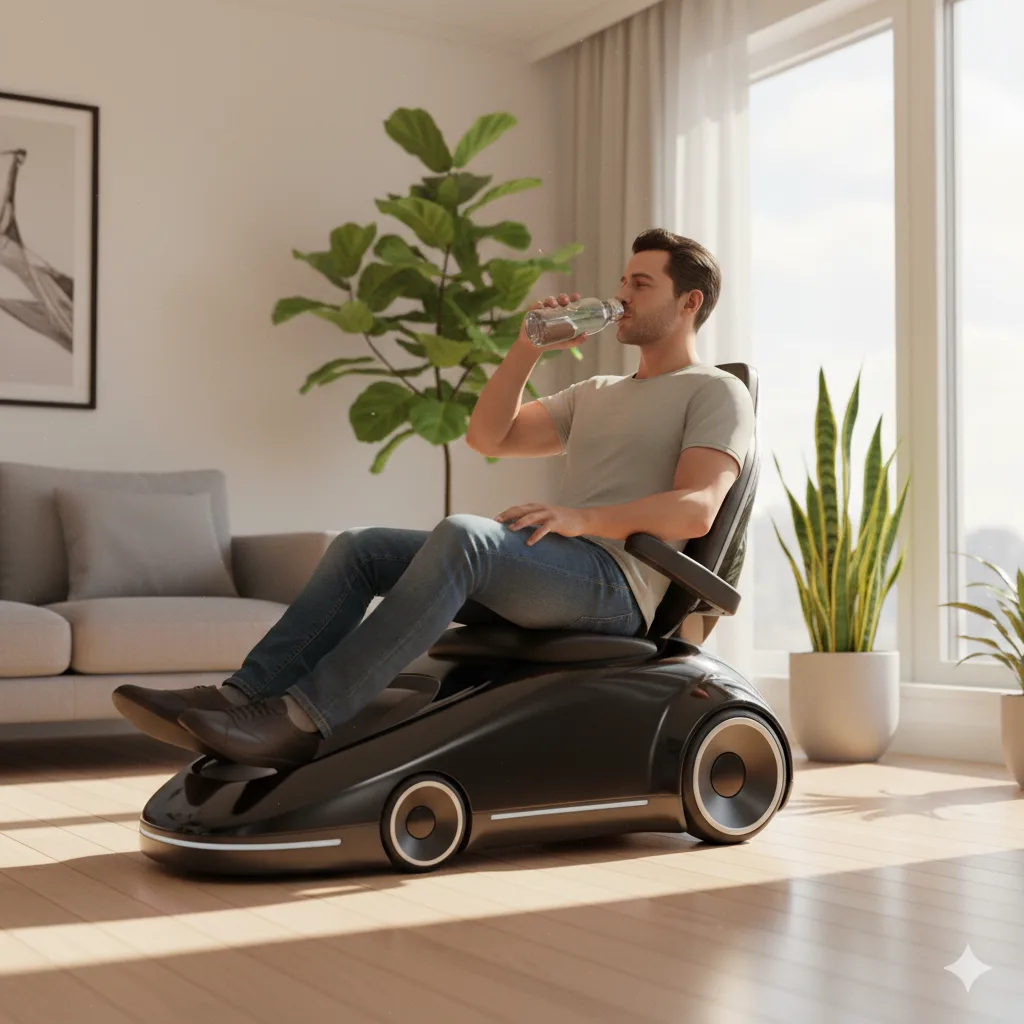
Benefits of Adopting Riding Vacuums in Commercial and Industrial Settings
The adoption of riding vacuums in large-scale environments offers numerous benefits that justify their investment. From improving cleaning quality to boosting operational efficiency, these machines are revolutionizing how organizations approach floor maintenance.
Their ability to handle extensive spaces quickly and effectively reduces downtime and labor costs, enabling businesses to maintain high hygiene standards without disrupting daily operations. In this section, we examine how riding vacuums provide tangible benefits across multiple facets of facility management.
Significantly Increased Cleaning Efficiency
Efficiency is arguably the most compelling advantage of riding vacuums. By covering vast areas in a fraction of the time required by traditional methods, these machines enable organizations to optimize their cleaning schedules. Larger suction capacities and smart navigation systems ensure a more thorough clean within a shorter timeframe.
Imagine a facility that previously took hours to clean manually now being serviced by a riding vacuum in a matter of minutes. This significant reduction in cleaning time translates directly into higher productivity, allowing staff to focus on other critical tasks or reduce labor costs. Furthermore, the rapid turnaround often extends to nightly cleaning protocols, ensuring that facilities are ready for operational hours with minimal downtime.
The efficiency of riding vacuums also leads to more consistent cleaning standards. Automated systems can follow precise routes, revisiting high-traffic or heavily soiled areas as needed, which guarantees comprehensive coverage. Consistency in cleanliness not only improves hygiene but also enhances the overall appearance of the space, leaving a positive impression on clients and visitors.
Cost Savings and Long-Term Investment Value
While riding vacuums represent an upfront investment, their cost-effectiveness becomes evident over time. By drastically reducing labor hours, these machines lower operational costs and improve productivity metrics. The durability of modern models, combined with low-maintenance features, contributes to a favorable total cost of ownership.
Furthermore, riding vacuums are designed for longevity, often built with high-quality materials and components that tolerate extensive daily use. Some models feature easily replaceable parts, which simplify maintenance and reduce downtime. Cost savings are not merely monetary; improved cleaning efficiency also results in less wear and tear on floors, prolonging their lifespan and reducing repair expenses.
Many organizations also see environmental benefits from riding vacuums. Advanced models incorporate energy-efficient motors and environmentally friendly filters, reducing power consumption and waste. These sustainability features align with corporate social responsibility goals and often qualify organizations for eco-friendly certifications or incentives.
Improving Hygiene Standards and Workplace Safety
In environments such as hospitals, food processing plants, and manufacturing facilities, maintaining high hygiene standards is non-negotiable. Riding vacuums excel in these settings by providing powerful suction and filtration systems capable of removing fine particles, bacteria, and other contaminants. Automated, thorough cleaning minimizes human error, which can happen during manual cleaning routines.
The safety aspect is equally important. Riding vacuums often include features like emergency stop buttons, stable steering, and anti-slip controls that protect operators and nearby personnel. Their design minimizes accidents and ensures safe operation in busy environments. Additionally, by automating routine cleaning tasks, riding vacuums reduce the risk of back injuries or fatigue-related accidents associated with manual labor.
Preventing slips and falls is crucial in maintaining a safe workplace, especially in large areas prone to spills or debris. Riding vacuums effectively clear surfaces, preventing hazards before they become serious issues. This proactive approach to cleanliness and safety boosts employee morale, reduces liability, and ensures compliance with health and safety regulations.
FAQs about Riding Vacuums – The Future of Efficient Floor Maintenance
How do riding vacuums differ from traditional vacuum cleaners?
Riding vacuums are designed to handle large-scale cleaning tasks and feature a seating or standing operation, whereas traditional vacuums are handheld or upright devices suited for smaller areas. The key difference lies in their capacity and operational design—the riding models cover more ground quickly with less fatigue, making them ideal for commercial and industrial environments. Their advanced features, automation, and larger debris capacity set them apart from conventional vacuum cleaners.
Are riding vacuums suitable for residential use?
While some riding vacuums are versatile enough for residential use, they are primarily intended for large, open spaces like warehouses, factories, or malls. Their size and power capabilities are often excessive for typical home cleaning needs, which can be better served by smaller, portable vacuum cleaners. However, homeowners with substantial outdoor spaces or big estates might find certain models beneficial for large-scale outdoor cleaning.
What maintenance is required for riding vacuums?
Regular maintenance includes cleaning filters, checking brushes and belts, emptying debris collections, and inspecting electrical components for wear. Modern riding vacuums are designed for ease of maintenance, with accessible parts that reduce downtime. Following the manufacturer’s guidelines ensures optimal performance and extends the lifespan of the machine. Periodic professional servicing may also be recommended for complex components.
How energy-efficient are riding vacuums?
Many latest models incorporate energy-efficient motors and save power without sacrificing performance. Features like sensors that optimize operation patterns, and low-power standby modes, further enhance efficiency. Choosing a model with a high energy star rating ensures environmentally friendly operation, which can lead to lower electricity bills and a reduced carbon footprint.
What should I consider when choosing a riding vacuum?
Factors to consider include the size of the area to be cleaned, the type of debris, floor type, and specific features like smart navigation, filtration, and ease of use. Budget and maintenance costs also play a role in decision-making. Selecting a model that balances power, efficiency, durability, and user comfort will ensure a worthwhile investment and long-term benefits.
Riding vacuums represent a remarkable leap forward in floor cleaning technology, combining power, automation, ergonomic design, and efficiency to meet the growing demands of large-scale environments. They streamline operations, reduce costs, and uphold stringent hygiene standards with minimal effort, making them invaluable in industrial, commercial, and even specialized residential settings. As technological innovations continue to enhance these machines—integrating AI, smart navigation, and eco-conscious features—the future of floor cleaning is undoubtedly riding toward heightened excellence, productivity, and sustainability. Whether for sweeping warehouse floors or maintaining expansive commercial spaces, riding vacuums are redefining how we approach cleanliness with speed, precision, and ease.