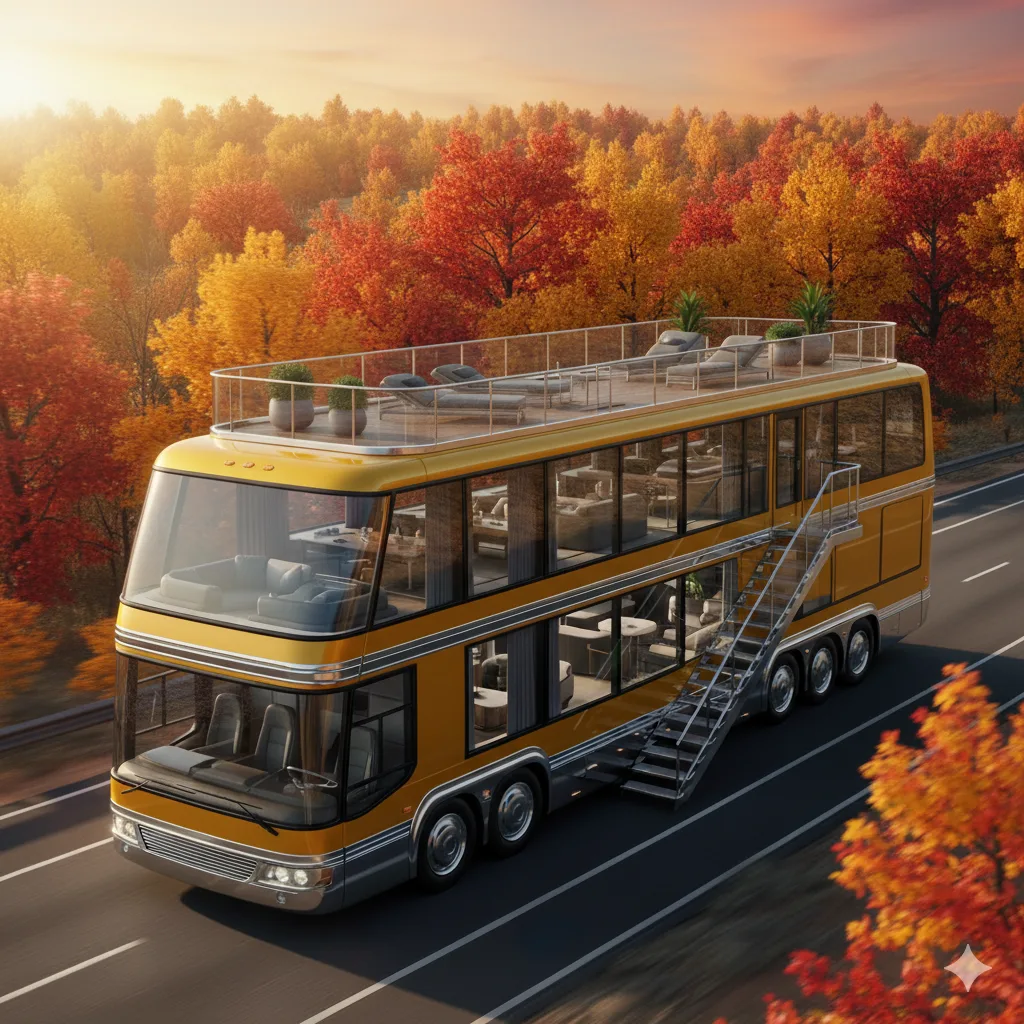
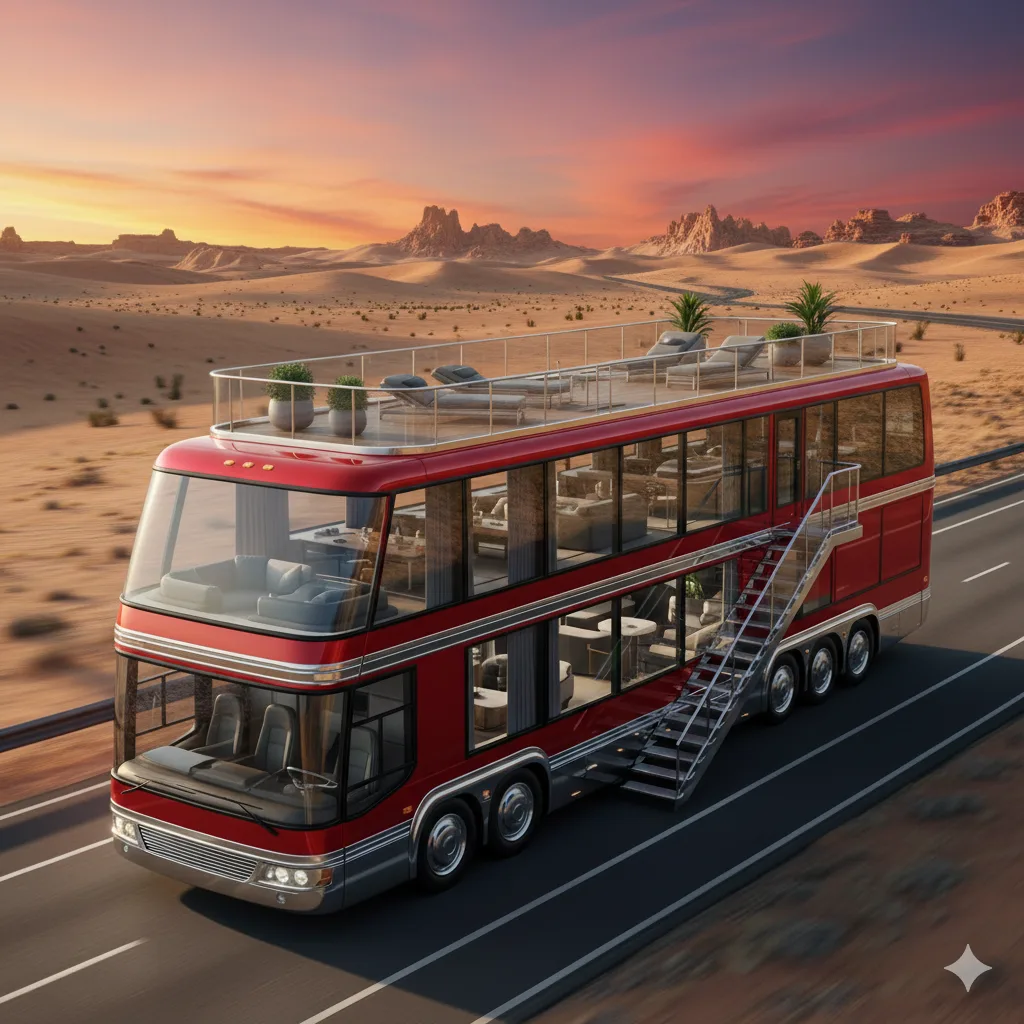
Embark on an exploration of innovative mobility with the captivating concept of the 3-storey RV. This towering vehicle redefines what it means to travel and live on the road, blending luxury, practicality, and technological advancements into a compact yet spacious design. As a versatile option for adventure lovers and modern nomads alike, the 3-storey RV presents a new frontier in recreational vehicle architecture and lifestyle.
The idea of a 3-storey RV is gaining momentum among enthusiasts seeking more than just a means of transportation—you’re getting a mobile home that offers multiple levels for comfort, storage, and functionality. In this article, we’ll explore how to use a 3-storey RV effectively, provide real-world examples, compare it with traditional RVs, and offer expert advice on maximizing its benefits. Whether you’re considering this innovative addition to your travel arsenal or simply curious about future living solutions, read on to discover the endless possibilities of the 3-storey RV.
Contents
The Unique Design and Architecture of a 3-Storey RV
The core appeal of a 3-storey RV lies in its innovative design, which balances vertical space with mobility. Unlike traditional RVs, which typically max out at one or two levels, the three-story model involves complex architecture that optimizes living, sleeping, and utility areas across multiple levels. This not only enhances comfort but also creates a home-like ambiance on wheels.
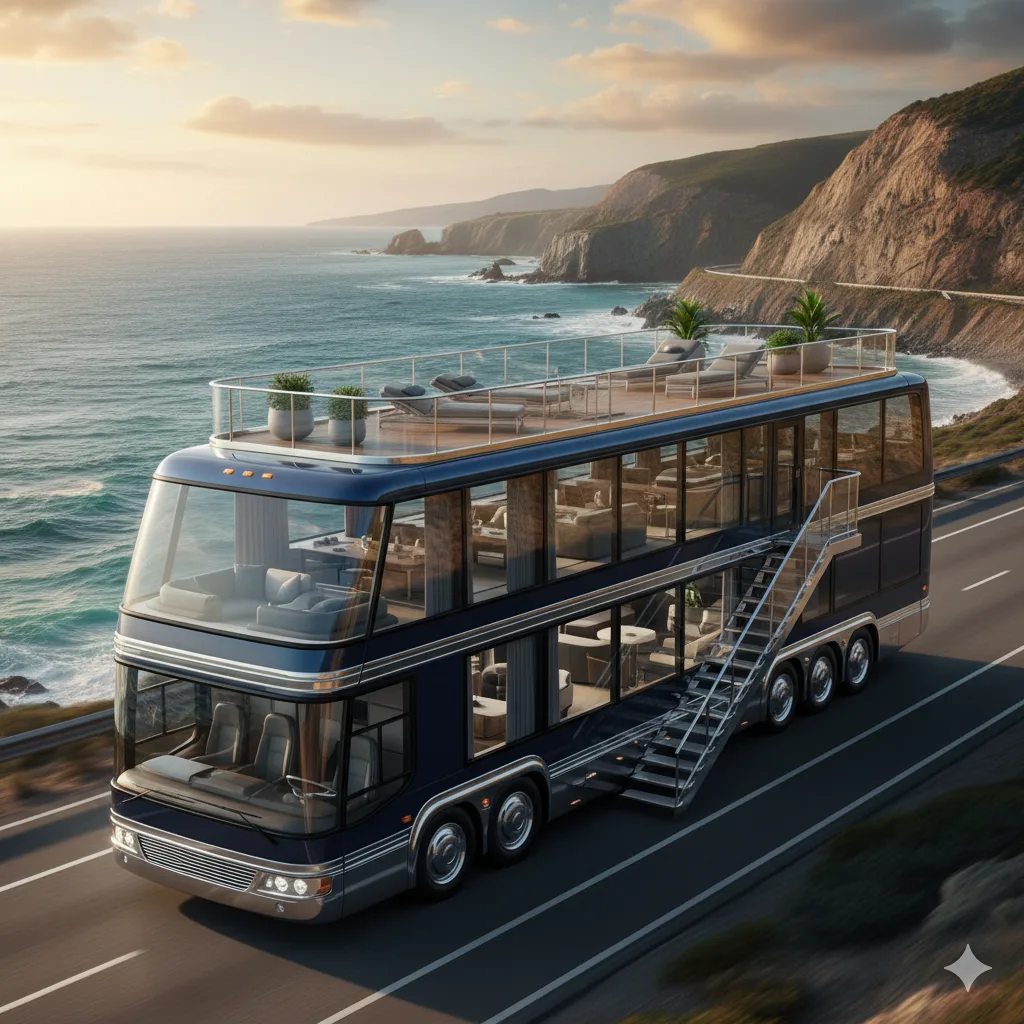
Understanding the structure of a 3-storey RV begins with appreciating its core architectural principles. These vehicles incorporate a modular layout with clear zoning for different activities—living, sleeping, cooking, and leisure—distributed across three floors. The multi-level design requires advanced engineering to ensure stability, safety, and ease of movement within the vehicle, especially when on the move.
The integration of smart technology and lightweight materials further advances the practicality of a 3-storey RV. For instance, hydraulic or collapsible staircases facilitate seamless access between floors, while soundproofing and insulation ensure comfort despite the height. This architecture pushes the boundaries of conventional RV design, creating a versatile living space that often resembles a compact high-rise apartment rather than a traditional vehicle.
Structural Considerations and Safety Aspects
A pivotal aspect of any 3-storey RV is its structural integrity and safety features. Given the height and weight distribution, meticulous attention must be paid to the chassis, suspension, and load-bearing components. The vehicle must be reinforced to withstand dynamic forces during travel, especially on uneven terrain or high-speed roads.
Safety features include reinforced frames, anti-warping materials, and advanced braking systems. They also incorporate secure anchoring points inside, preventing furniture or equipment from shifting during transit. Designers often utilize lightweight composites and innovative construction techniques to reduce overall weight without compromising durability.
Maintaining safety precautions with a 3-storey RV means regular inspections and adherence to transportation regulations. Given their size, these vehicles might require special permits and slower driving speeds, especially on certain routes or narrow roads. Proper training for drivers and clear safety protocols are crucial for operating these multi-level recreational vehicles.
How to Use a 3-Storey RV for Adventure and Living
Using a 3-storey RV effectively means understanding its multifunctional potential and navigating its complexity to enhance your travel or living experience. From planning trips to managing space efficiently, there are numerous ways to maximize the utility of these towering vehicles.
First, planning your layout and storage options in advance is essential. Since space is at a premium, smart organization—like fold-away furniture, multi-purpose fixtures, and vertical storage compartments—can make a significant difference. Think vertically: utilize the third floor for private bedrooms or cozy lounges, while reserving lower levels for kitchens, bathrooms, and common areas.




Second, a 3-storey RV offers flexibility in how you interpret mobile living. It’s ideal for multi-family travel or groups, providing separate sleeping quarters and communal spaces on multiple levels. This autonomy minimizes conflicts and creates a more comfortable environment, especially during long road trips or extended stays.
Third, navigation and safety are key. Know your vehicle’s height and width limits before embarking on routes. Practice driving the 3-storey RV on smaller roads to get accustomed to its size, and always park on level surfaces to ensure stability. Regular maintenance of the mechanical and safety features ensures your 3-storey RV remains reliable during adventures.
Practical Examples of Using a 3-Storey RV
Consider a family of five transforming a 3-storey RV into their home on wheels for an extended road trip. The top floor becomes a cozy sleeping loft, offering privacy and comfort with panoramic views. Meanwhile, the second floor hosts a functional kitchen and living area, perfect for family meals and leisure activities. The lowest level serves as storage and utility space, keeping essentials and backups organized without clutter.
Another example involves remote workers or digital nomads leveraging a 3-storey RV for a mobile office setup. The top deck could become a quiet workspace with ample natural light, while the middle floor remains a relaxation zone, and the bottom floor serves as a compact garage or equipment storage. This flexible design boosts productivity and creates a distinctive lifestyle that combines work and travel seamlessly.
Best Practices and Tips for Using a 3-Storey RV
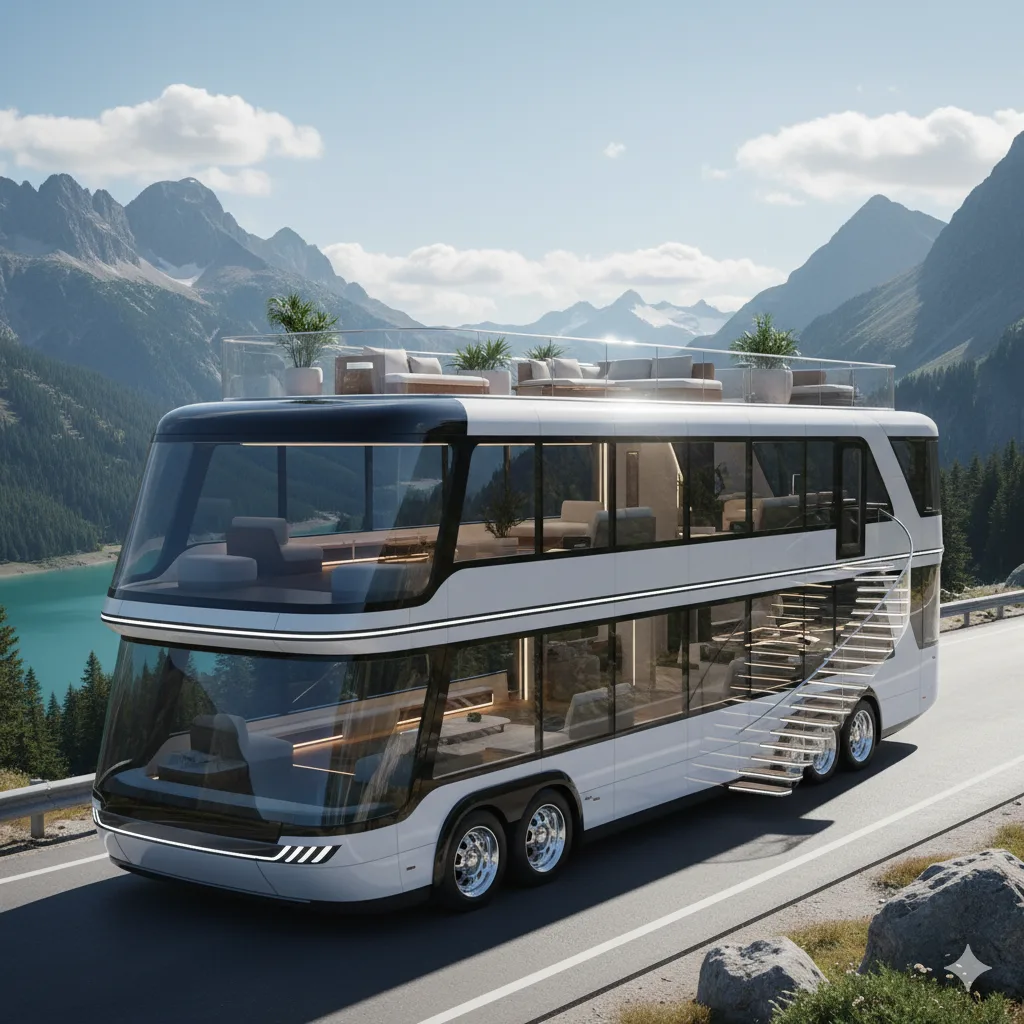
To get the most out of a 3-storey RV, invest in professional customization to tailor the space to your needs. Use ergonomic furniture and space-saving appliances to maximize utility without sacrificing comfort. Regularly declutter and optimize your storage solutions to keep the living areas functional and inviting.
Engage in routine maintenance, especially for the mechanical systems, to prevent breakdowns during travel. Familiarize yourself with the vehicle’s capabilities, including maximum weight limits and height clearance. Always prioritize safety, especially when navigating tight spots or accessing mountainous routes that might challenge the vehicle’s stability.
Finally, embrace the versatility of a 3-storey RV by planning your route carefully, considering parking options, and practicing in parking lots or less populated areas before embarking on major journeys. This proactive approach ensures smooth adventures and a delightful experience on the road.
Comparing the 3-Storey RV with Traditional RVs and Alternatives
Evaluating the 3-storey RV against traditional RV models reveals both its advantages and its limitations. While conventional RVs remain popular for their simplicity, affordability, and ease of use, the three-storey variant offers a premium, space-efficient solution that caters to modern needs for spaciousness and comfort.
Traditional RVs are generally compact and easier to maneuver, making them suitable for novice travelers or those seeking straightforward setups. They often have a flat, single-level design with integrated living, sleeping, and kitchen areas. However, their limited vertical space constrains the number of amenities and the level of privacy available.
In contrast, a 3-storey RV elevates the experience by providing multiple levels, creating a sense of home-like comfort on wheels. It offers opportunities for creative interior design, privacy zones, and dedicated spaces for different activities. But, their size, complexity, and cost can be prohibitive for casual travelers or those with limited driving experience.
Alternative solutions like modular tiny homes or trailer homes may offer similar levels of space and flexibility but lack mobility and the ability to traverse varied terrains as efficiently as a 3-storey RV. Each has its trade-offs concerning comfort, cost, and adaptability, making the 3-storey RV an attractive middle ground for adventurous, space-conscious individuals.
Advantages and Limitations
While a 3-storey RV maximizes vertical space and creates a versatile living environment, it also comes with challenges. Its size demands professional driving skills and planning for routes and parking. Maintenance costs are higher, and logistics around securing permits and adhering to road regulations increase.
Traditional RVs, on the other hand, excel in simplicity and runtime mobility, often requiring less maintenance and being more cost-effective. Their straightforward use makes them more accessible to a broader range of travelers. Yet, they may not satisfy those seeking a more luxurious and spacious lifestyle on the road.
In comparing these options, personal preferences, budget constraints, and travel goals become the guiding factors. If space, comfort, and modern design are priorities, the 3-storey RV stands out as a pioneering choice with enormous potential.
The 3-storey RV stands at the forefront of innovative travel solutions, transforming the traditional motorhome into a mobile skyscraper with multiple levels of comfort and functionality. It combines architectural ingenuity with advanced engineering to create a versatile, luxurious, and practical living space on wheels. For those eager to embrace a unique lifestyle that blends adventure with home comfort, understanding how to use this massive vehicle effectively, optimizing its space, and circulating safety are critical. Comparing it with traditional RVs reveals its strengths in space and privacy but highlights the need for careful planning and professional operation. As the concept evolves, the 3-storey RV is poised to become a symbol of future-focused, flexible living that empowers travelers to redefine mobility and independence.
Features of a 3-Storey RV
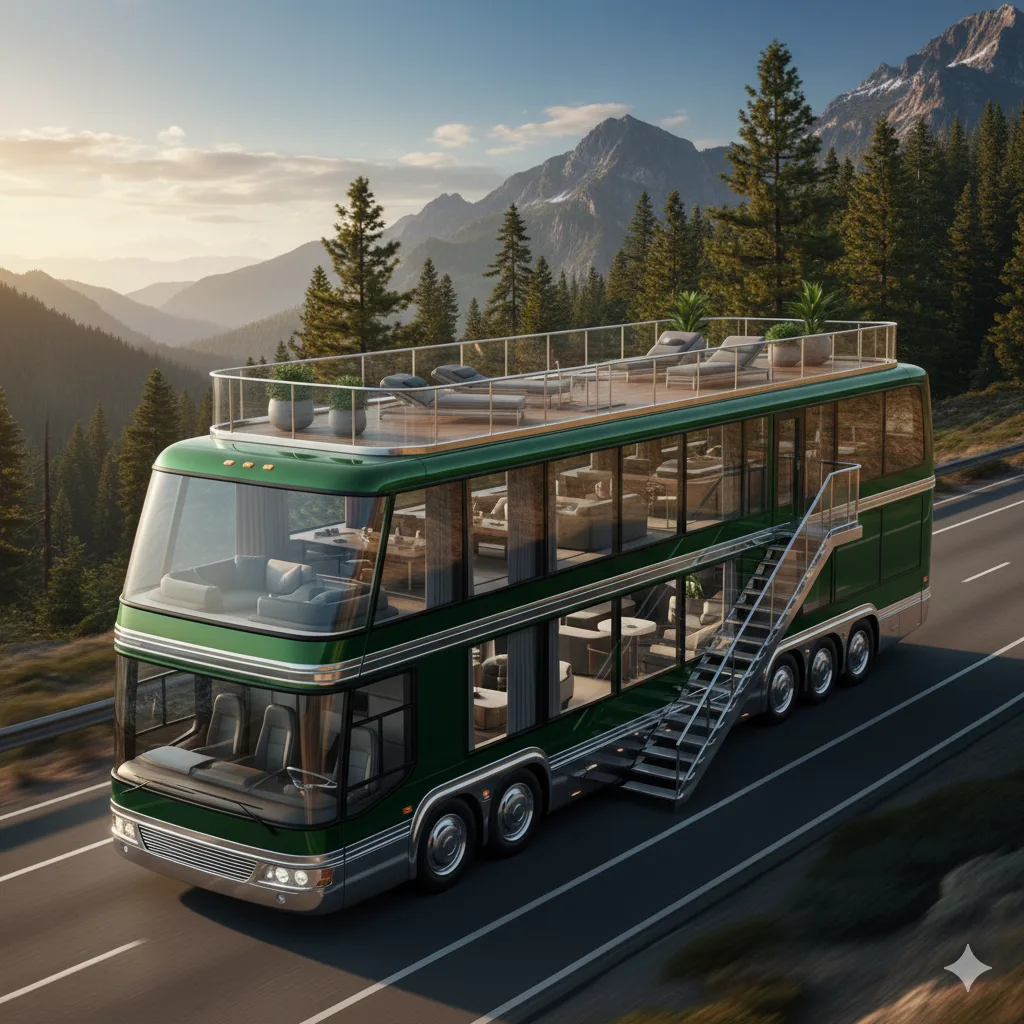
The 3-storey RV boasts an impressive array of features designed to maximize comfort and utility for families, adventurers, and mobile workers alike. By integrating modern technology and innovative design, this type of recreational vehicle creates a unique blend of a traditional RV experience with the conveniences of home.
Interior Design and Layout
Within a 3-storey RV, thoughtful design plays a crucial role in maximizing space and enhancing livability. The three levels can be customized to house separate areas for sleeping, cooking, and leisure, providing occupants with areas to relax or maintain their privacy.
The topmost level often features a loft-like sleeping area with a queen- or king-sized bed, allowing for breathtaking views through large windows. This elevated position provides a sense of isolation from the rest of the vehicle, making it a retreat for its occupants. The middle floor can be well-equipped with an open-plan living area, complete with a kitchen island, dining space, and a comfortable lounge area for family gatherings and entertainment.
The ground level is typically designed for storage, housing gear, or even converting into additional guest sleeping space with fold-out beds or convertible sofas. With clever use of vertical space and multi-functional furniture, customization options are endless and allow for personalization according to individual preferences or family needs.
Technological Integration
Modern 3-storey RVs come standard with sophisticated technological features aimed at improving an occupant’s living experience. Smart home technology allows users to integrate their RV with devices for control over lighting, heating, cooling, and even security systems straight from a mobile app.
Moreover, high-quality energy systems like solar panels, advanced battery setups, and efficient appliances contribute to eco-friendly travel. This sustainable aspect means users can embark on longer journeys while mitigating their carbon footprint. Additionally, Wi-Fi connectivity ensures that adventurers remain connected no matter how remote their travels take them, a major draw for digital nomads and remote workers.
These technological integrations streamline daily life, enhancing both comfort and convenience while addressing modern travelers’ growing need for connectivity and sustainability.
Versatile Outdoor Spaces
One of the standout features of the 3-storey RV is its potential for creating inviting outdoor living areas. With the option to install retractable awnings, balconies, and rooftop decks, these vehicles often extend their living space beyond traditional boundaries.
The ability to dine outdoors, enjoy panoramic views, or entertain friends while parked at scenic destinations adds to the allure of traveling in a 3-storey RV. Rooftop gatherings allow for stargazing and relaxation, turning any campsite into a picturesque retreat.
These outdoor spaces reflect a lifestyle choice that values nature and adventure while blending comfort and luxury, making the RV experience truly memorable.
Practical Uses for a 3-Storey RV
The versatility of a 3-storey RV allows for numerous practical applications, making it a clever investment for people and families alike. Their multi-functional design can seamlessly adapt to a variety of lifestyles, from adventurous families to remote workers seeking mobility.
Family Road Trips
For families of varying sizes, a 3-storey RV serves as the perfect vehicle for road trips. Parents can enjoy separate sleeping quarters away from the children’s space, providing much-needed privacy and comfort while traveling. With ample storage, parents can easily pack clothes, toys, and recreational gear, reducing clutter.
Additionally, spaces designated for family activities—such as family movie nights or cooking together—enrich the road trip experience, creating lasting memories and shared adventures. Parents can feel secure knowing their family has the comforts of home while exploring new destinations together.
Mobile Workspaces
With a growing number of remote workers, the 3-storey RV has gained traction as an ideal mobile office. The top floor can be converted into an inspiring workspace with ample natural light and mesmerizing views, fostering productivity.
This setup allows digital nomads to take client calls, attend video conferences, or finish projects from stunning locations by the ocean, mountains, or even in the heart of a bustling city. By juxtaposing work and travel, individuals can maintain their professional commitments while enjoying the freedom that comes with being on the road.
Adventure and Leisure
Adventure-seekers and leisure travelers find a suitable companion in a 3-storey RV. The spacious layout can accommodate various recreational activities, from a compact storage area for bikes or kayaks on the ground level to crafting a private lounge area for unwinding after a day of outdoor adventures.
Setting out on hiking, skiing, or cycling trips becomes more comfortable with a 3-storey RV at your disposal, as it affords the necessary amenities to enjoy an active lifestyle while ensuring comfortable sleeping arrangements and cooking facilities at the end of the day. This seamless transition between play and relaxation enriches the travel experience, allowing adventurers to focus on what they love most.
Considerations When Buying a 3-Storey RV
Purchasing a 3-storey RV is a significant investment and requires careful consideration of several important factors. Those thinking of owning one should weigh aspects such as budget, maintenance, and personal needs to make an informed decision.
Budget and Financing
While 3-storey RVs deliver superior comfort and functionality, they typically come with higher price tags than traditional RVs. Prospective buyers should carefully evaluate their budget and explore various financing options available in the market.
It is essential to consider the total cost of ownership, which includes insurance, maintenance, fuel, and customized features. Researching different models and manufacturers will give an idea of the features that fit your requirements and budget.
Maintenance Considerations
A 3-storey RV also requires ongoing maintenance to ensure it remains in optimal condition. Buyers must familiarize themselves with the intricacies of larger vehicles, as they demand a higher degree of care compared to traditional RVs.
Regular inspections of mechanical systems, vehicle weight limits, and adherence to local regulations are crucial to ensuring the safety and reliability of the RV for your journeys. Connecting with local RV clubs or forums can provide valuable insights into owner experiences and maintenance tips.
Personal Preferences
Ultimately, personal preferences weigh heavily when choosing a 3-storey RV. Consider how the features of various models align with your lifestyle. For example, those who prioritize sustainable travel may want models with solar panel setups, while families may benefit from customizable sleeping arrangements.
Visiting rental facilities to test-drive different models can lead to discovering specific features that resonate with your travel goals and lifestyle. Finding a balance between functionality, comfort, and workmanship ensures your chosen vehicle will enhance your adventures for years to come.
The 3-storey RV exemplifies the innovation shaking up the world of recreational vehicles, drawing attention from families, remote workers, and adventure seekers alike. Its progressive design showcases advanced features and a layout that accommodates diverse lifestyles, all while delivering comfort and luxury on the road. Practical applications for family trips, mobile workspaces, and active leisure pursuits highlight the versatility of this modern marvel. Careful consideration of budget, maintenance, and personal preferences will aid potential buyers in making informed decisions, ensuring that a 3-storey RV becomes a cherished companion for many unforgettable journeys ahead. As travel evolves, this inspiring vehicle promises to usher in a new age of imaginative, free-spirited exploration.