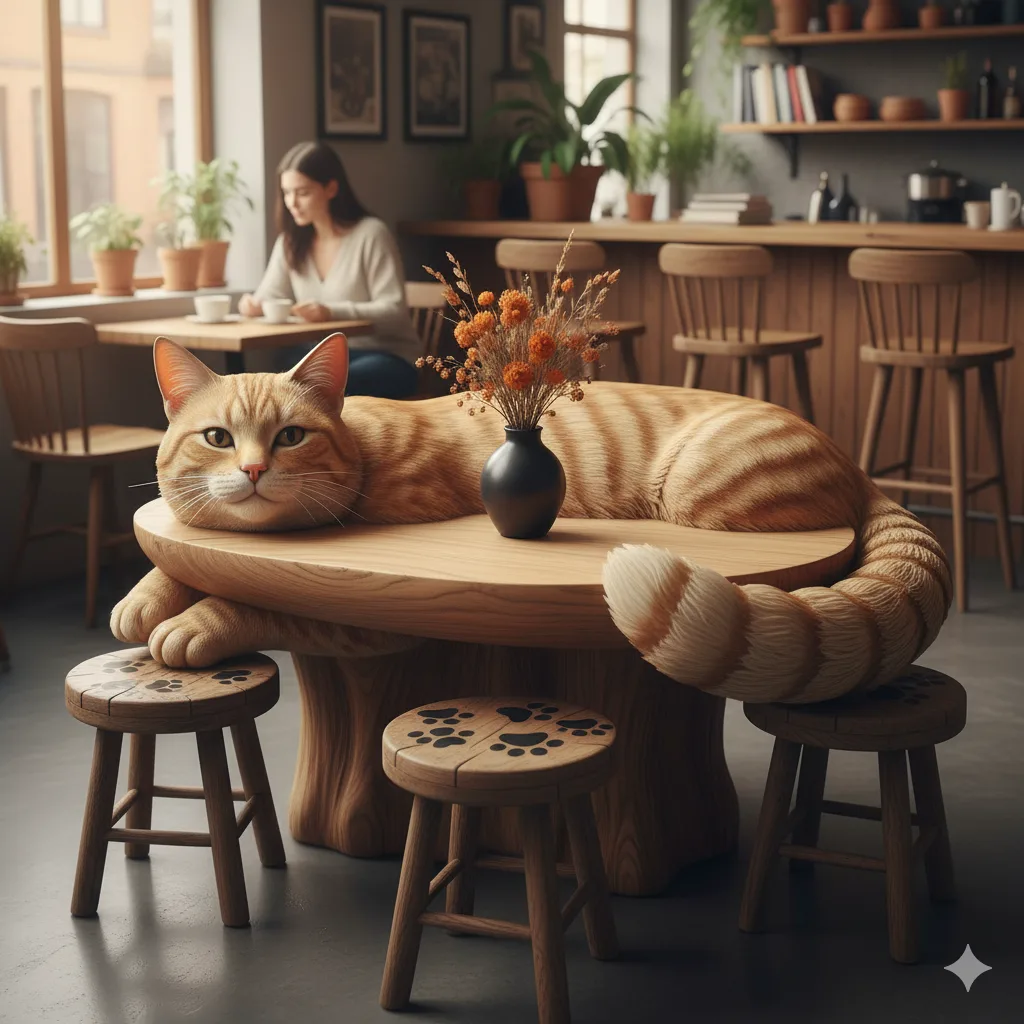
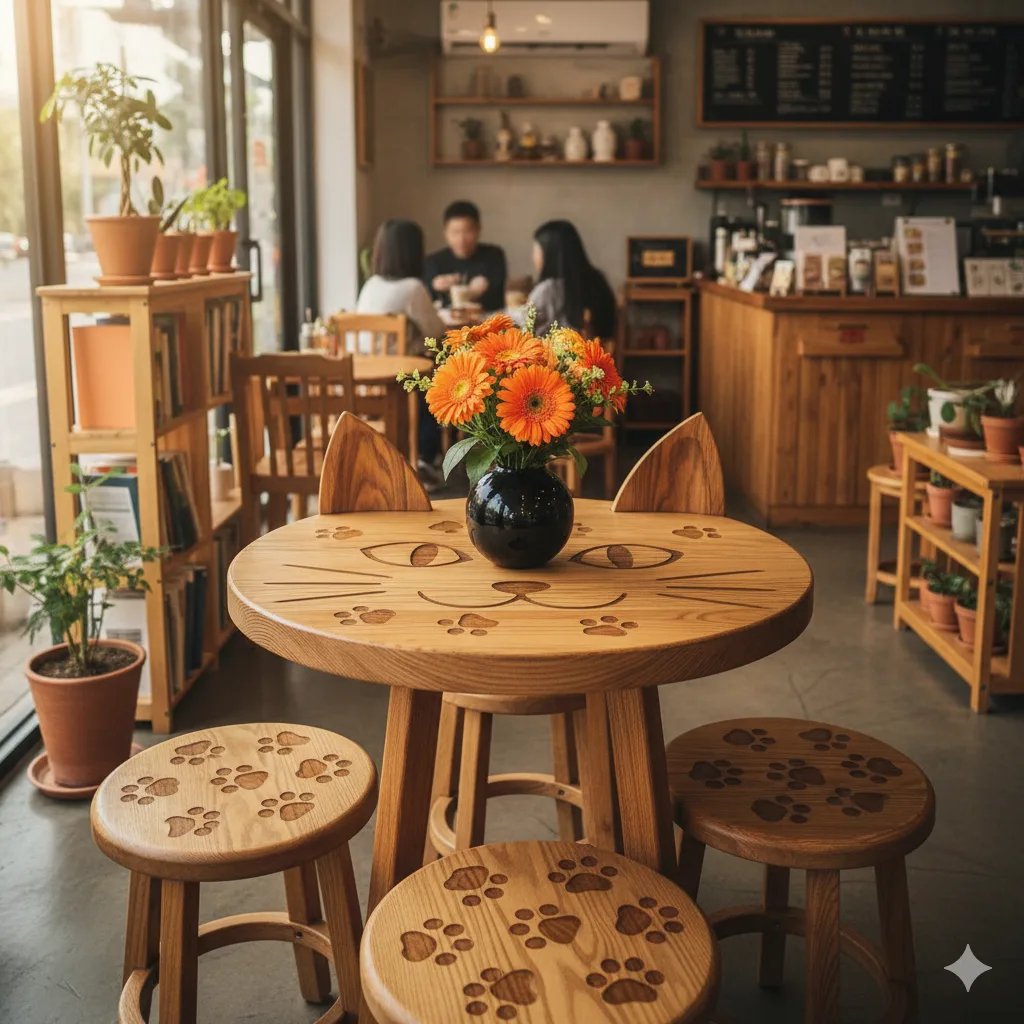
When it comes to enriching your feline friend’s environment, wooden cat tables offer a delightful combination of utility and style. These versatile pieces of furniture serve as cozy perches, play areas, or even decorative accents that complement your home’s aesthetic. Wooden Cat Tables are not just a functional addition; they are a statement of your commitment to providing a safe and engaging space for your pet while enhancing your interior decor.
In this article, we explore the multifaceted world of Wooden Cat Tables — how to use them creatively, practical examples for integration, comparisons with other pet furniture options, and expert advice to make the most of your investment.
Contents
- 1 Understanding the Charm and Functionality of Wooden Cat Tables
- 2 Creating a Functional and Aesthetic Space with Wooden Cat Tables
- 3 Comparing Wooden Cat Tables with Alternative Pet Furniture Options
- 4 Uses of Wooden Cat Tables
- 5 Styling and Decorating with Wooden Cat Tables
- 6 Maintenance Tips for Long-lasting Wooden Cat Tables
- 7 Comparing Wooden Cat Tables with Alternative Pet Furniture Options
Understanding the Charm and Functionality of Wooden Cat Tables
Wooden cat tables have gained popularity largely because of their durability, versatility, and natural beauty. Unlike plastic or metal furniture, they lend a warm, earthy vibe to any environment, whether modern or rustic. Their natural textures and finishes can be customized to match existing furniture, making them a seamless addition to your home décor.
Before diving into specific examples, it’s essential to appreciate why these tables are more than just a climbing or resting spot for your cat—they are designed to cater to their natural instincts for height, privacy, and exploration, all while maintaining an aesthetic appeal suited for your living space. In the sections ahead, you’ll discover creative uses, innovative designs, and maintenance tips that will help you maximize their benefits.
Craftsmanship and Material Quality of Wooden Cat Tables
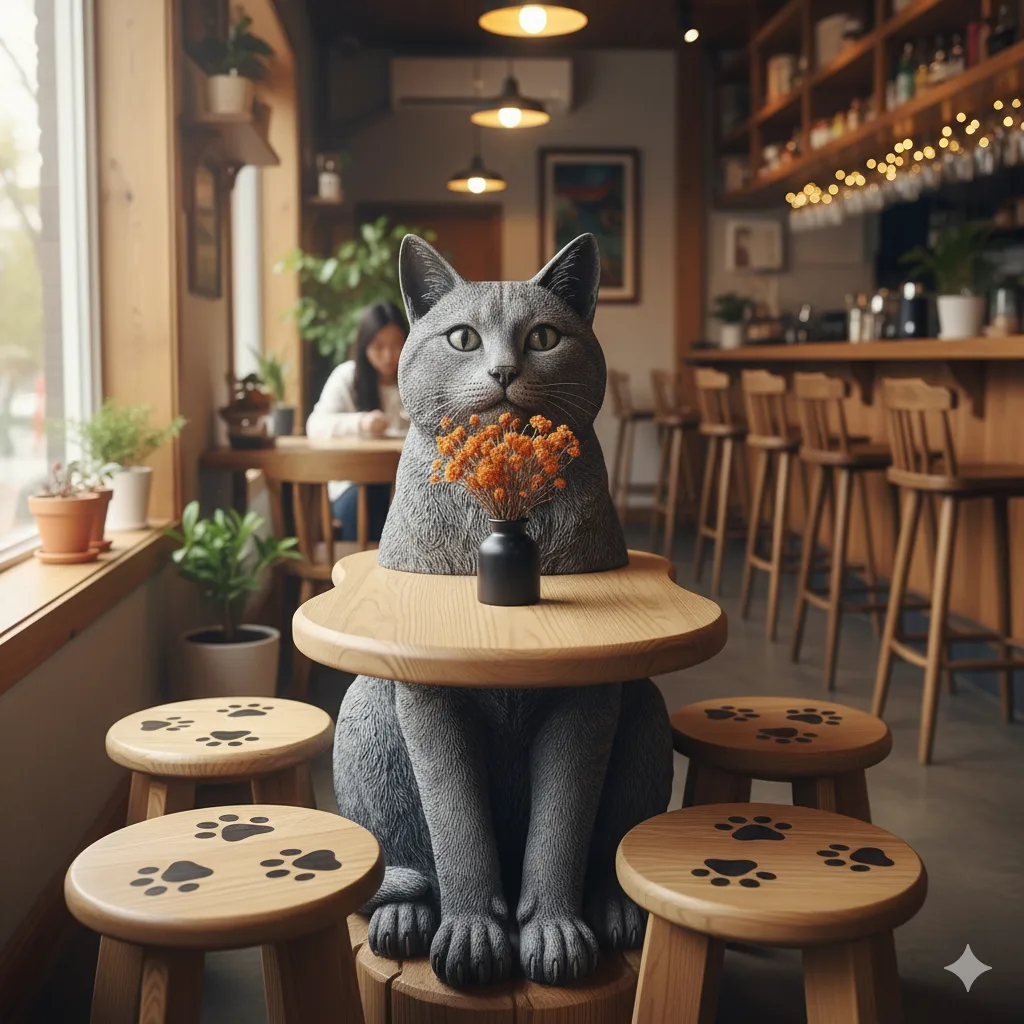
Wood is renowned for its strength and endearing natural look, which makes it an ideal material for pet furniture. High-quality Wooden Cat Tables are often crafted from hardwoods like oak, maple, or walnut, which are resistant to scratches and wear. The craftsmanship involved in crafting these tables can vary from simple handcrafted designs to intricate, artisan pieces with carved details.
The quality of wood directly affects the longevity and appearance of the table. For instance, a well-finished wooden table with smooth edges and protective coatings ensures safety for your cat and ease of cleaning. While some tables are made from reclaimed wood, adding an eco-friendly touch, others feature modern finishes that resist stains and scratches. Recognizing these differences helps owners choose the right piece that marries durability with aesthetic appeal.
Advantages of Wooden Over Other Materials
When comparing Wooden Cat Tables to plastic or metal alternatives, several benefits stand out. Wood naturally blends with various interior styles, from Scandinavian minimalism to farmhouse charm. It also offers a warm, inviting texture that plastic and metal may lack.
In terms of maintenance, wooden tables are often easier to clean, especially if treated with non-toxic, water-resistant finishes. They are less prone to temperature fluctuations—wood doesn’t get as hot or cold as metal, providing a more comfortable perch for your feline. Moreover, wooden surfaces tend to be quieter when your cat jumps or climbs, reducing noise disturbance in your home.
Creating a Functional and Aesthetic Space with Wooden Cat Tables
Designing a dedicated space for your cat does not mean compromising on style. Wooden cat tables can be integrated into various parts of your home, serving multiple purposes without disrupting your interior’s harmony. Here, we explore how to effectively use Wooden Cat Tables to foster a stimulating and comfortable environment.
Placement Ideas to Enhance Your Cat’s Experience
The positioning of Wooden Cat Tables is crucial in encouraging your pet’s natural behaviors such as climbing, observing, and resting. For example, placing a wooden table near windows offers an engaging vantage point for your cat to lookout, satisfying their natural instinct to observe their territory. Similarly, placing tables at different heights creates a climbing structure that promotes exercise and mental stimulation.
Another creative idea is to use wooden tables as side tables or decorative accents. A sleek, minimalistic wooden table can serve as both a functional surface for beverages and a cozy spot for your cat to relax. When integrating several tables, consider creating a tiered setup that resembles natural tree branches or rocky outcroppings, enhancing the aesthetic appeal and utility.
Styling and Decorating with Wooden Cat Tables
Adding decor items such as cozy cushions, fleece blankets, or hanging toys on your wooden table can make it more inviting for your feline friend. You might also consider adding plants that are safe for cats, like cat grass or certain herbs, to encourage interaction and mental engagement.
For owners who love interior design integration, sticking with neutral tones or matching the wood finish to existing furniture can help these tables blend seamlessly into your home. Accessories like small lamps or art pieces placed near the table can highlight its presence as a design element, rather than merely pet furniture.
Maintenance Tips for Long-lasting Wooden Cat Tables
To ensure your wooden cat tables remain beautiful and functional, regular care is essential. Dust or wipe down the surface with a soft cloth to prevent buildup of dirt or fur. For deeper cleaning, use mild soap and water, avoiding harsh chemicals that might damage the finish.
Applying a natural, pet-safe wood polish periodically can maintain the luster and protect the surface against scratches. Inspecting the joints and connections for stability is also vital, especially if your cat is an energetic climber. Proper maintenance extends the lifespan of your investment and keeps the space safe for your feline companion.
Comparing Wooden Cat Tables with Alternative Pet Furniture Options
When choosing furniture for your cat, it’s helpful to compare different materials and designs to find the best fit for your lifestyle and aesthetic preferences. Wooden cat tables stand out in this landscape, but understanding their placement among alternatives enables better decision-making.
| Feature | Wooden Cat Tables | Plastic Cat Furniture | Metal Cat Furniture |
|---|---|---|---|
| Durability | High | Moderate | Very high |
| Aesthetic Appeal | Warm, Natural | Colorful, Modern | Industrial, Sleek |
| Ease of Maintenance | Easy with polish | Easy to clean | Requires upkeep |
| Comfort for Cats | Soft, warm surface | Hard, cold surface | Cold, sometimes noisy |
| Environmentally Friendly | Often eco-friendly | Usually not eco-friendly | Not eco-friendly |
Pros and Cons of Wooden Cat Tables
Pros:
- Aesthetically versatile and blends seamlessly with home decor
- Durable with proper care, often long-lasting
- Environmentally friendly options available
- Provides a warm, cozy surface ideal for resting
Cons:
- Usually more expensive than plastic options
- Heavier and less portable
- May require maintenance to preserve the finish
When to Choose Wooden Over Other Materials
If you prioritize aesthetics, eco-friendliness, and durability, Wooden Cat Tables are an excellent choice. They are especially suitable for homeowners seeking a longer-lasting piece that adds elegance to their interiors. Conversely, if portability and vibrant colors are more important, plastic options may suffice, albeit at the expense of longevity or style.
Advises for Selecting and Using Wooden Cat Tables
- Opt for tables crafted from high-quality wood with finishes that are non-toxic and pet-safe.
- Consider your space and select appropriate sizes and heights to match your cat’s activity level.
- Regularly inspect for stability and wear, especially if your cat is playful or energetic.
- Combine with other vertical structures for a multi-level play area, promoting exercise and mental stimulation.
Wooden Cat Tables provide a harmonious blend of style, durability, and functionality that can elevate your cat’s living space while enhancing your home’s décor. With their natural appeal, versatile placement options, and eco-friendly options, they are an excellent investment for pet owners who desire an aesthetic and practical solution. Choosing the right Wooden Cat Table involves understanding your cat’s needs, your interior style, and maintenance preferences. When integrated thoughtfully, these tables foster a happier, more engaged feline while adding charm and character to your home environment.
Uses of Wooden Cat Tables
Wooden cat tables can serve a variety of purposes within a home, providing both functional benefits and aesthetic enhancements. Their versatility makes them a popular choice among pet owners looking to create a comfortable and stylish environment for their feline friends.
Functional Uses
Wooden cat tables can be used in diverse ways that cater specifically to your cat’s needs and enhance their living space.
One popular use involves creating a designated feeding area. By placing food and water dishes on a wooden table, you can prevent misplaced feeds and keep the feeding area tidy. Elevated dining stations are often more comfortable for cats and can help promote a healthier posture during meals. Choosing a table with a smooth finish allows for easy cleanup when spills occur, making mealtime a delight for both pet and owner.
In addition to feeding, cat tables can be transformed into play areas. Place interactive toys, scratching posts, or even a cozy blanket on the table’s surface to create an ideal play zone. Felines are naturally curious and enjoy exploring vertical spaces, so a wooden cat table can effectively engage their senses, providing both fun and exercise.
Stylish Decor
Beyond functionality, wooden cat tables can also serve as stylish accents in your home. Their aesthetic appeal can elevate your interior design while providing a space for your cat to rest or play. The natural textures and tones of wood can integrate beautifully with various design elements, accentuating rather than detracting from your home decor.
Consider placing decorative elements around the table, such as art pieces or photos. Arrange houseplants that are non-toxic to cats, creating a lush environment that invites exploration. Wooden tables can become the focal point of a cozy corner or a multi-functional space that showcases the combination of beauty and utility.
Creative Spaces
For pet owners who value creativity, wooden cat tables can blend seamlessly with your existing furniture. Create tiered areas reminiscent of natural landscapes where your cat can perch and observe their surroundings. Incorporating a few cat tables in different heights can mimic tree branches, promoting climbing and exploring.
Another design idea is to use a wooden cat table as a base for DIY projects. You could create a unique cat playground by integrating shelves or ramps for your furry friend to traverse. Such projects not only enhance the space but also provide enriching activities that stimulate your cat’s mind and body.
Styling and Decorating with Wooden Cat Tables
When decorating with wooden cat tables, it is essential to balance functionality with aesthetic appeal. By adding creative accents and thought-out decor, you can create an inviting space for both your cat and the human inhabitants.
Gathering Comfort
One approach is to integrate comfort elements into the design of wooden cat tables. Soft cushions or plush mats can be placed on the surface to provide a cozy resting spot for your feline companion. Fabrics that are easy to clean and can be washed frequently are ideal, ensuring both comfort and hygiene.
Incorporating cozy throws or fleece blankets can also make the table more inviting. Not only do these warm textiles create a snug reading nook for your cat, but they can also add a personal touch to your home. The act of curling up on a soft surface captures a sense of relaxation, making it a perfect spot for cat naps and playtime.
Natural Accents
To enhance the overall appeal of the table, decor items like cat-safe plants can play a vital role. Consider adding cat grass or herbs like catnip that will entice your feline friend while contributing to the visual charm of the space. Greenery breathes life into any room and can turn the wooden table into an interactive feature for your cat.
Remember to match the wood finish of the table with your existing décor, facilitating a cohesive look throughout your home. Achieving consistency in design can help the wooden table stand out as a specific pet-friendly element while blending flawlessly into the wider aesthetic.
Lighting and Accessories
Strategic use of lighting can further add to the charm of a wooden cat table. Small lamps or LED fairy lights can bring warmth and coziness to the setting. Positioning these accessories close to the table creates an inviting atmosphere, encouraging your cat to interact with its surroundings.
When styling your wooden table, consider the use of complementary art pieces or decorative books. Choose artworks that encapsulate a sense of serenity and joy, traits we strive to instill in our cats’ environments. Thoughtfully placed art enhances the table’s presence, further affirming its place as a significant piece in your home’s ecosystem.
Maintenance Tips for Long-lasting Wooden Cat Tables
To keep your wooden cat tables looking beautiful and functioning well, regular maintenance is essential. There are several key approaches that pet owners can adopt to care for these pieces effectively, ensuring their longevity and appeal.
Regular Cleaning
Cleaning the wooden table’s surface regularly is vital. Utilize a soft cloth to dust and wipe down surfaces, preventing the buildup of dirt and cat hair. This practice is not only about aesthetics; it also contributes to the health and comfort of both you and your pet.
For deeper cleaning, a mixture of mild soap and warm water can be used. It is crucial to avoid harsh chemicals and abrasive cleansers, as these might damage the wood’s finish. After cleaning, ensure that the surface is dry to prevent moisture damage. Establishing a cleaning routine can prolong the life of your wooden tables, allowing them to retain their beauty and functionality.
Periodic Polishing
Applying a natural, pet-safe wood polish periodically is an excellent way to maintain the luster and protect the surface. Wax or oil-based polishes can nourish the wood and keep it looking fresh. Ensure that any products used are non-toxic, as curious cats may be tempted to taste.
Additionally, polishing provides a protective layer that can defend against scratches and scuffs from playful paws. Regularly checking the finish and applying treatment as needed will safeguard the surface, avoiding the need for costly repairs or replacements.
Stability Checks
Frequent inspection of the joints and connections is crucial, particularly if your cat enjoys climbing onto the table. Ensure that all elements are stable and secure. If you notice any wobbling or loose parts, address these issues promptly.
In doing so, you protect not only your wooden cat table but also your feline friend’s safety. Engaging in these maintenance practices guarantees a stable, comfortable space for your cat, allowing them to enjoy their surroundings without anxiety.
Comparing Wooden Cat Tables with Alternative Pet Furniture Options
Choosing the right furniture for your cat requires thoughtful consideration of various materials, designs, and functionality. While wooden cat tables offer unique characteristics, it’s beneficial to understand how they stack up against alternative furniture options for cats.
Alternative Materials
Plastic cat furniture is often colorful and practical, appealing for its lightweight and easy-to-clean properties. However, the aesthetic appeal may not be as refined as that of wooden designs. Metal cat furniture, on the other hand, tends to be extremely durable but can lack warmth and comfort.
In contrast, wooden cat tables invite a sense of sophistication and style to your home environment. They are more likely to blend with your interior design, creating a harmonious space that caters to both humans and pets.
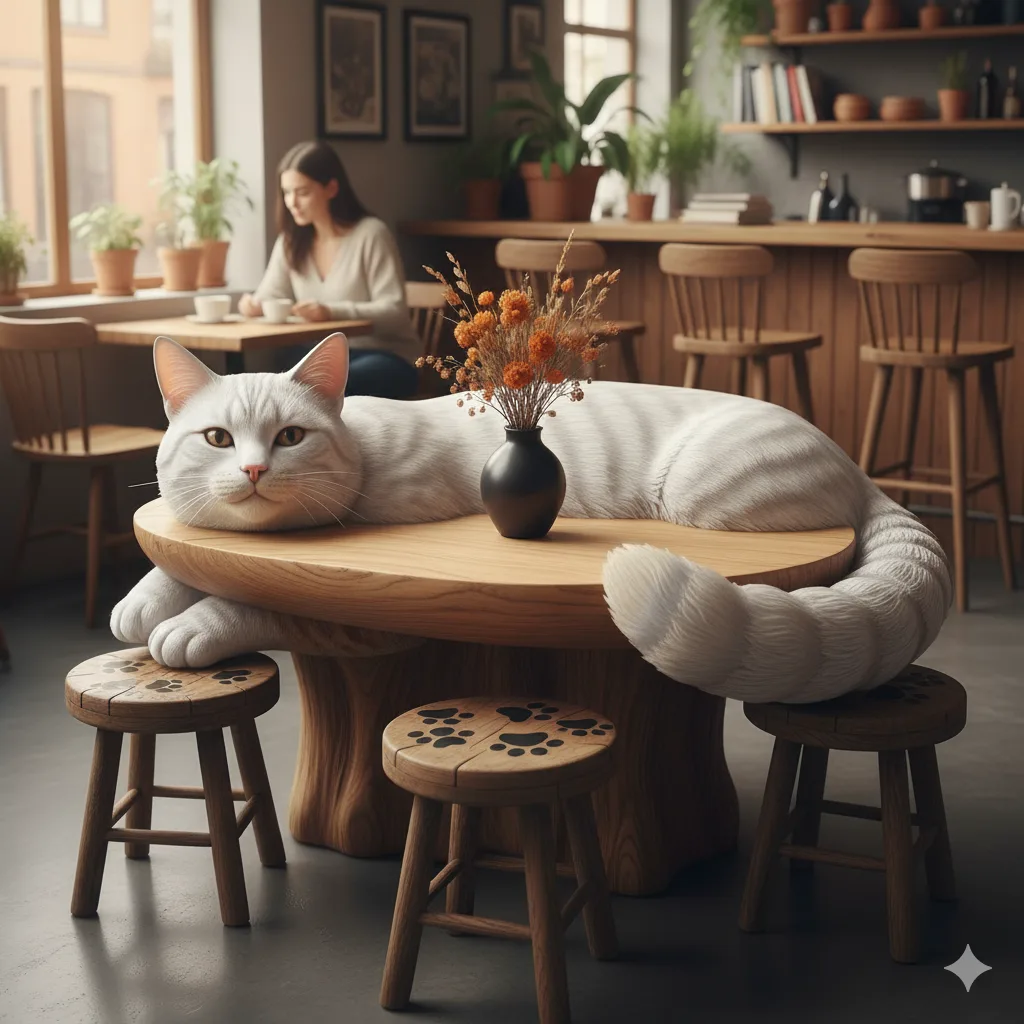
Durability and Maintenance
When comparing durability, wooden cat tables typically offer high endurance with proper care. They are sturdy and resilient but may require maintenance to keep their finish in excellent shape. Plastic options are generally less expensive but can wear down quickly and may not hold their charm over time.
Metal cat furniture excels in robustness, but may not provide the same level of comfort that wood does. Cats naturally gravitate towards materials that feel warm and cozy, making wooden options more appealing for resting and lounging.
Choosing the Right Material
If aesthetic and sustainability matter to you, wooden cat tables stand out as a premium choice. The warmth and character of wood can significantly enhance your home’s interior. In contrast, if you prioritize ease of transport or vibrant colors, plastic may serve its purpose, though often with compromises.
Ultimately, the right decision hinges on understanding your specific preferences, environment, and the needs of your cat. Wooden cat tables can enrich your living space while providing a lasting functional area for your furry friends.
Wooden Cat Tables represent a compelling blend of practicality and aesthetics, providing not only an ideal resting or feeding surface for cats but also enhancing the overall decor of your home. Their versatility allows them to function beautifully in multiple capacities, whether creating designated areas for nourishment or serving as stylish spots for lounging and play. Integrating comfort, style, and maintenance ensures lasting appeal while demonstrating a commitment to your pet’s well-being. By thoughtfully selecting and caring for these tables, you can cultivate an inviting environment that fosters a deep connection between you and your feline companion.