
Contents
- 1 Introduction
- 2 How Battery Powered Camping Stoves Work
- 3 Why Battery Powered Camping Stoves Are a Perfect and Unique Choice
- 4 Popular Types of Battery Powered Camping Stoves
- 5 Choosing the Right Battery Powered Stove
- 6 Charging Options While Camping
- 7 Real-World Scenarios
- 8 Tips for Efficient Use
- 9 Environmental and Economic Benefits
- 10 Common Misconceptions
- 11 Maintenance and Longevity
- 12 Conclusion
Introduction
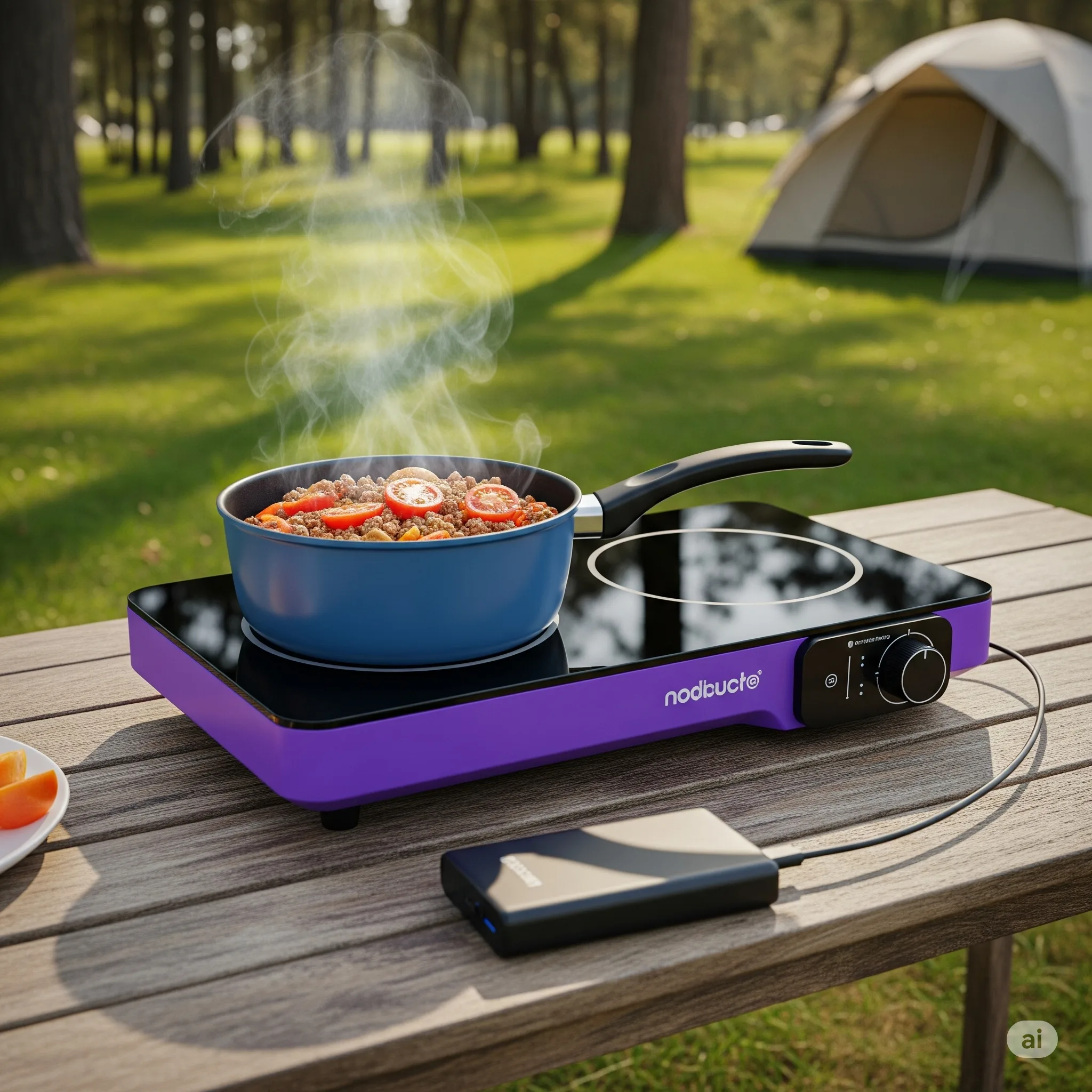
For decades, campers have relied on portable gas stoves, pressurized fuel canisters, wood-burning stoves, or alcohol burners to prepare their meals outdoors. While these methods are functional, they often come with inconveniences: noise, smoke, fire hazards, fuel limitations, and environmental waste. As modern camping trends shift toward safety, convenience, and sustainability, battery powered camping stoves have emerged as an innovative, eco-friendly, and highly practical solution.
Unlike traditional stoves, these devices operate without fire, smoke, or disposable gas canisters. They use rechargeable lithium batteries to produce steady, clean heat, and they can be recharged through various sources such as wall outlets, car chargers, or even portable solar panels. This makes them not only efficient but also adaptable to different camping styles and conditions. In this article, we will explore how battery powered camping stoves work, their advantages, the reasons why they are considered a perfect and unique choice, and practical tips for selecting and using them effectively.
How Battery Powered Camping Stoves Work
Basic Mechanism
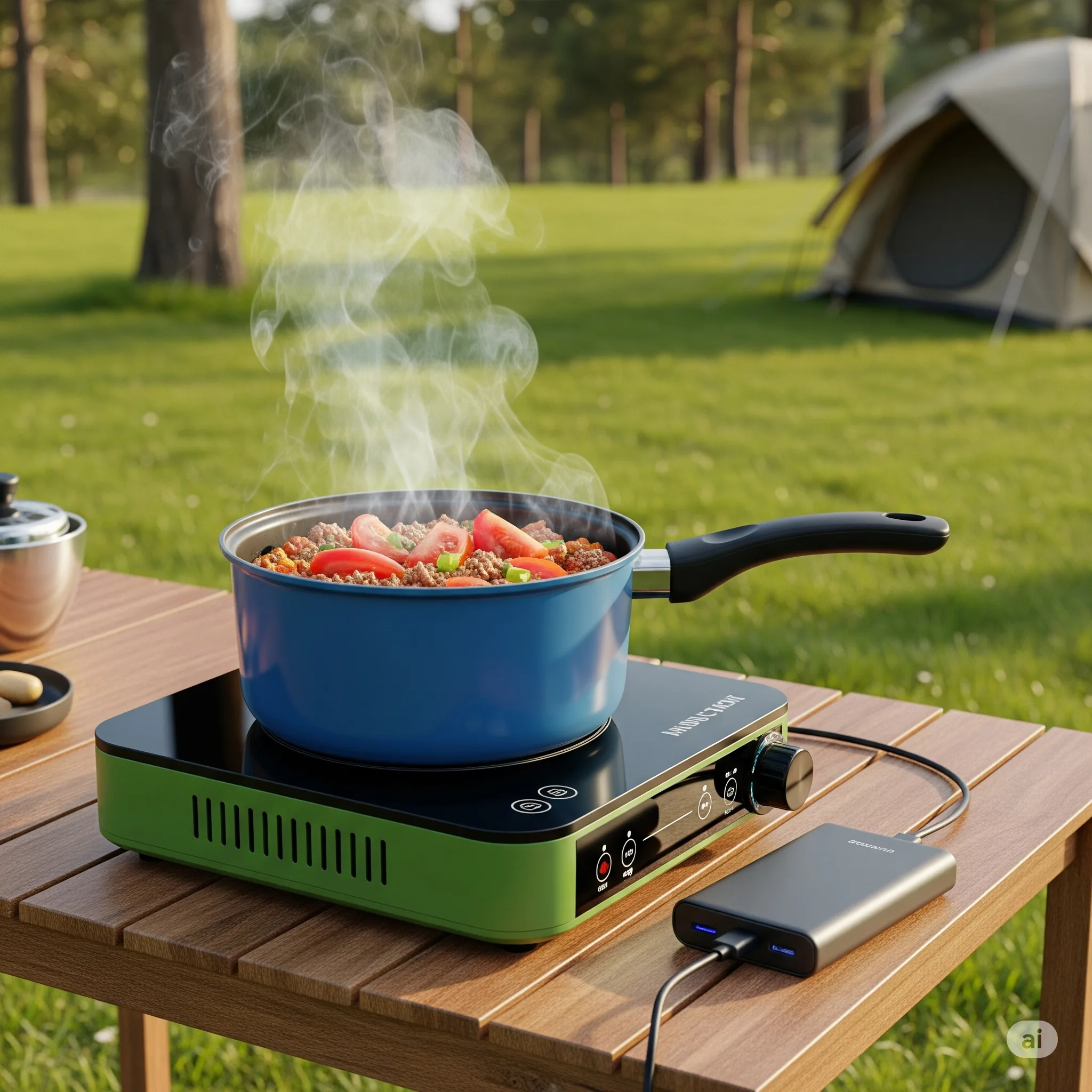
Battery powered camping stoves convert electrical energy into heat through one of two primary methods:
- Resistive heating stoves: Electricity flows through a heating element, which generates heat and transfers it to the cookware. These stoves are compatible with almost any pot or pan, though they are less energy-efficient compared to induction models.
- Induction stoves: These use electromagnetic fields to directly heat the base of ferromagnetic cookware. Induction stoves are faster, more energy-efficient, and offer precise temperature control, but require induction-compatible pots and pans.
Power and Battery Capacity
Two specifications are key when evaluating a stove:
- Power output (Watts): Determines how quickly the stove can cook food. Higher wattage means faster boiling and cooking. Portable camping stoves usually range from 300W to 1,500W.
- Battery capacity (Wh – Watt-hours): Reflects how long the stove can operate. For example, boiling one liter of water typically consumes around 130Wh. A 500Wh battery could therefore boil several liters of water and still have enough capacity for additional meals.




Efficiency Factors
Performance can vary depending on weather conditions, cookware type, and cooking habits. Lidded pots, wind protection, and cookware with good heat conduction help conserve battery power. Cold weather reduces battery efficiency, so it is recommended to keep the battery insulated or stored in a tent before use.
Why Battery Powered Camping Stoves Are a Perfect and Unique Choice
Clean and Quiet Cooking
These stoves produce no smoke, no open flames, and minimal noise. This means campers can enjoy the peace of nature, sip morning coffee, or converse with companions without interruption from fuel odors or loud gas hissing.
Enhanced Safety
With no exposed flames and no carbon monoxide emissions, battery stoves significantly reduce risks associated with gas or wood-burning alternatives. While basic precautions are still necessary—such as using the stove on a stable surface and in a ventilated area—the chance of fire accidents or burns is far lower.
Eco-Friendly and Sustainable
By eliminating disposable fuel canisters and using rechargeable batteries, these stoves cut down on waste and reduce environmental impact. When paired with solar panels, they enable an entirely off-grid, renewable cooking solution.
Multi-Purpose Functionality
Beyond cooking, the batteries used with these stoves can also power other devices: smartphones, lanterns, cameras, fans, or even medical equipment such as CPAP machines. This transforms the stove system into an energy hub for the entire camping trip.
Usable in Fire-Ban Zones
During wildfire seasons, many campsites prohibit open flames and gas stoves. Battery powered camping stoves are often allowed in these areas since they operate without fire, making them a uniquely versatile option.
Popular Types of Battery Powered Camping Stoves
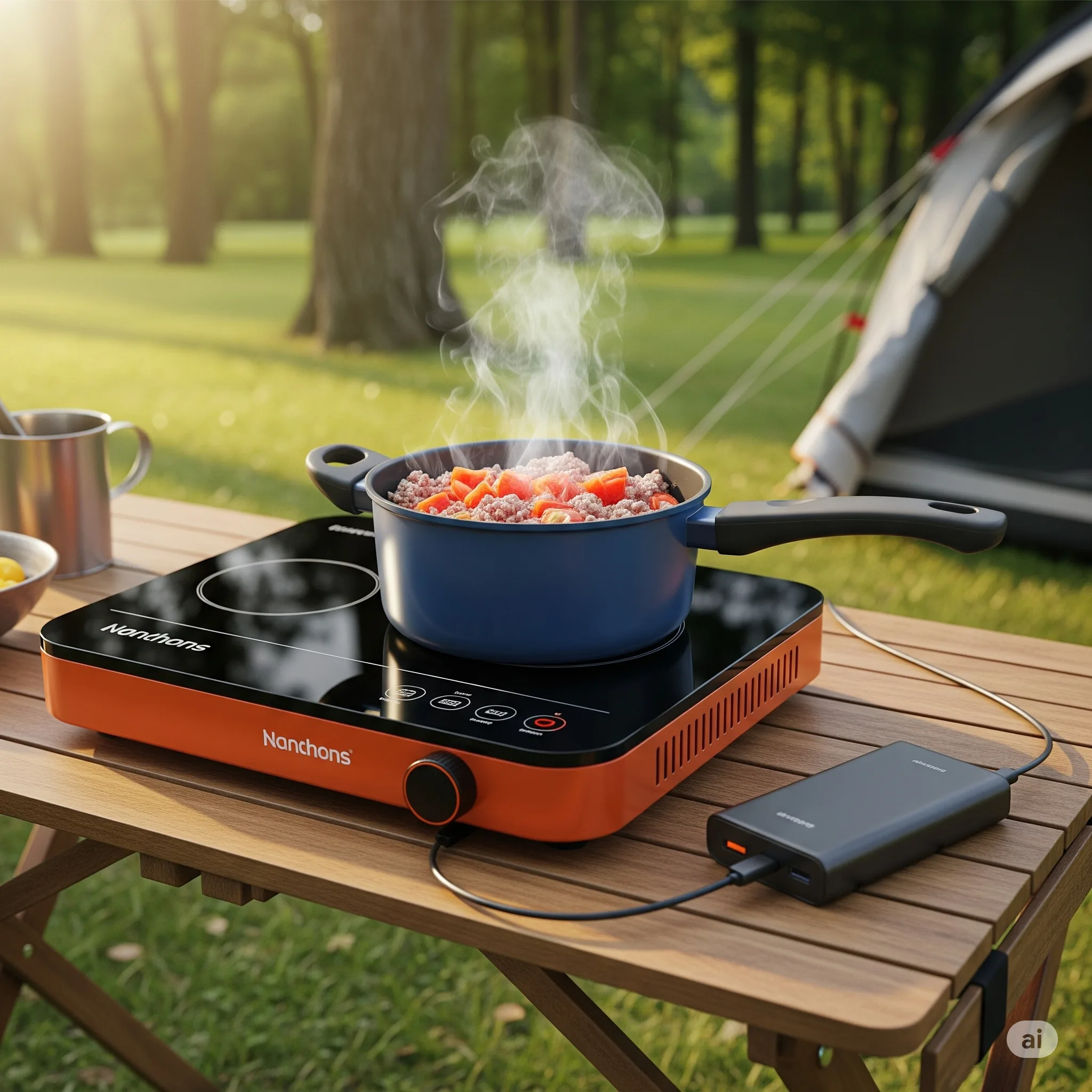
- All-in-one stoves with built-in batteries: Lightweight and compact, ideal for solo trips or short stays, though limited by smaller battery capacity.
- Stoves paired with portable power stations: Allow for larger battery packs and more powerful cooking. Perfect for families, groups, or long-term camping.
- By power rating:
- Low power (100–500W) for boiling water or making simple meals.
- Medium power (600–900W) for small groups and versatile cooking.
- High power (1,000–1,500W) for family-sized portions or complex recipes.
Choosing the Right Battery Powered Stove
- Identify cooking needs: A solo camper boiling water needs far less power than a family cooking full meals.
- Estimate daily energy use: A pair of campers might need 400–600Wh per day, while a family of four could require 1,000Wh or more.
- Select the battery type: LiFePO4 batteries are durable and safe but heavier, while NMC batteries are lighter but have shorter lifespans.
- Match cookware compatibility: Induction stoves require magnetic-bottom pots, while resistive stoves work with all cookware.
- Account for weather: Cold conditions demand extra battery capacity due to reduced efficiency.
Charging Options While Camping
- Pre-charge at home: Sufficient for short trips.
- Car charging: Convenient for longer road trips, though slower than mains power.
- Solar charging: A 200W solar panel can provide 600–800Wh per day under good sunlight, enough to sustain cooking.
- Backup batteries: Essential for large groups or extended camping without guaranteed recharging.
Real-World Scenarios
- Solo overnight trip: A 300W stove with a 200Wh battery can boil water for coffee and prepare instant meals.
- Weekend couple’s trip: An 800W induction stove with a 600Wh battery can handle breakfast and dinner easily.
- Family camping: A 1,200W stove with a 1,500Wh battery, paired with a solar panel, ensures multiple meals with no worries about running out of energy.
- Vanlife setup: A 1,500W stove powered by a 2,000Wh battery and a 400W solar system can sustain daily cooking indefinitely.
Tips for Efficient Use
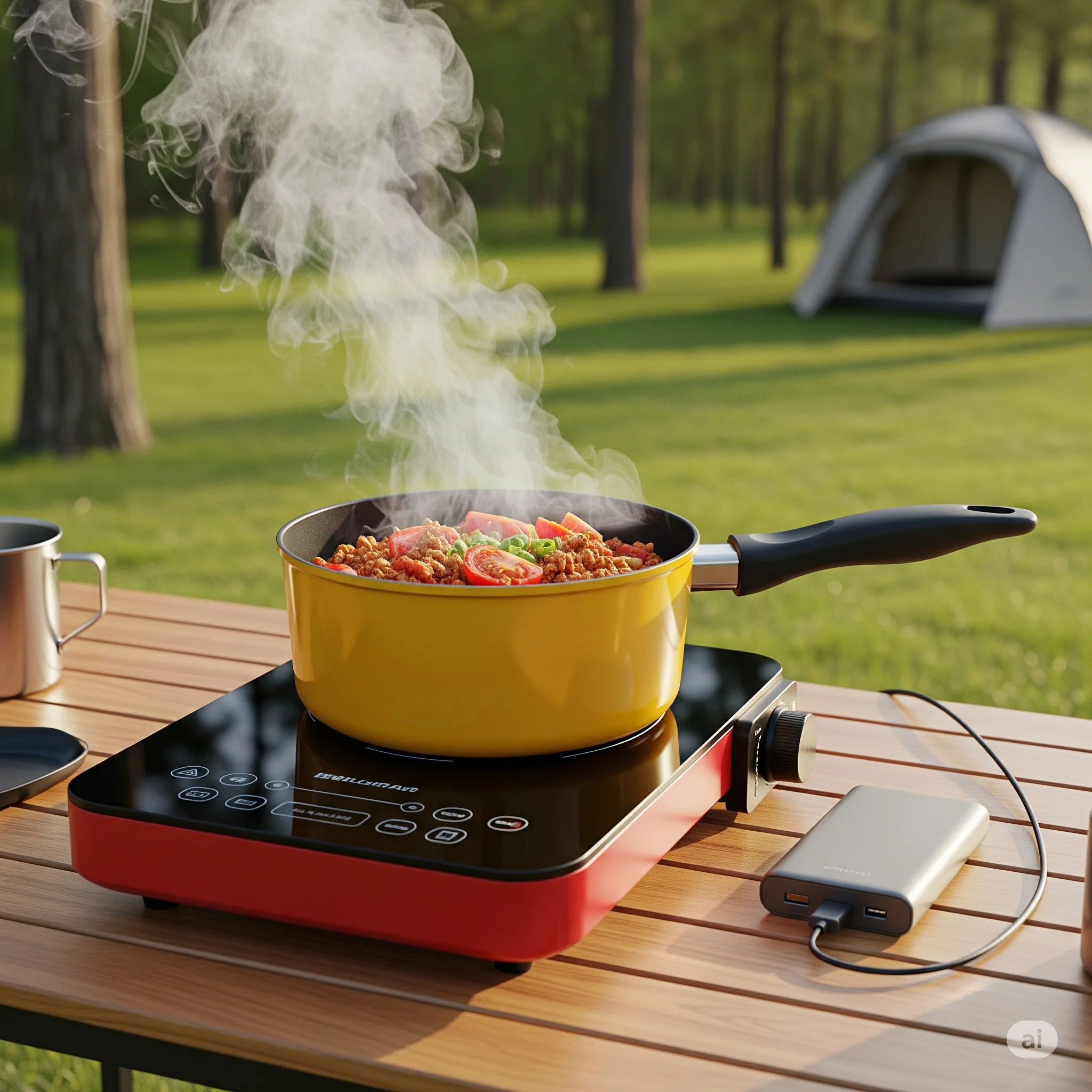
- Always cook with lids on.
- Reduce power once boiling starts.
- Shield the stove from wind.
- Use flat-bottomed, thick cookware for better heat transfer.
- Cook meals in batches to maximize residual heat.
Environmental and Economic Benefits
Switching to battery powered camping stoves reduces reliance on disposable fuel canisters and cuts down on metal waste. Although the initial investment may be higher, long-term costs are lower since renewable charging (solar or car-based) is nearly free after setup.
Common Misconceptions
- “Batteries don’t work in cold weather”: They do, provided they are insulated and properly maintained.
- “You can’t fry or sear with electric stoves”: High-power induction models (1,000W+) can easily handle frying and sautéing.
- “They’re less safe than gas”: On the contrary, the absence of open flames makes them safer.
- “They aren’t campsite legal”: Many campgrounds allow them even when open fires are banned.
Maintenance and Longevity
- Clean the stove after each use.
- Store batteries at 40–60% charge if unused for extended periods.
- Keep batteries away from excessive heat.
- Recharge periodically to maintain health.
Conclusion
Battery powered camping stoves represent a groundbreaking shift in outdoor cooking, offering a unique blend of convenience, safety, sustainability, and multifunctionality. They are not just cooking tools but complete energy solutions that can support modern camping lifestyles, from short weekend getaways to long-term off-grid adventures.
By combining advanced battery technology with renewable energy options, these stoves deliver clean, quiet, and efficient performance while reducing environmental impact. For today’s campers, adventurers, and vanlifers, battery powered camping stoves truly are the perfect and unique choice, redefining what it means to cook outdoors with comfort, safety, and sustainability.