A New Way to Mow
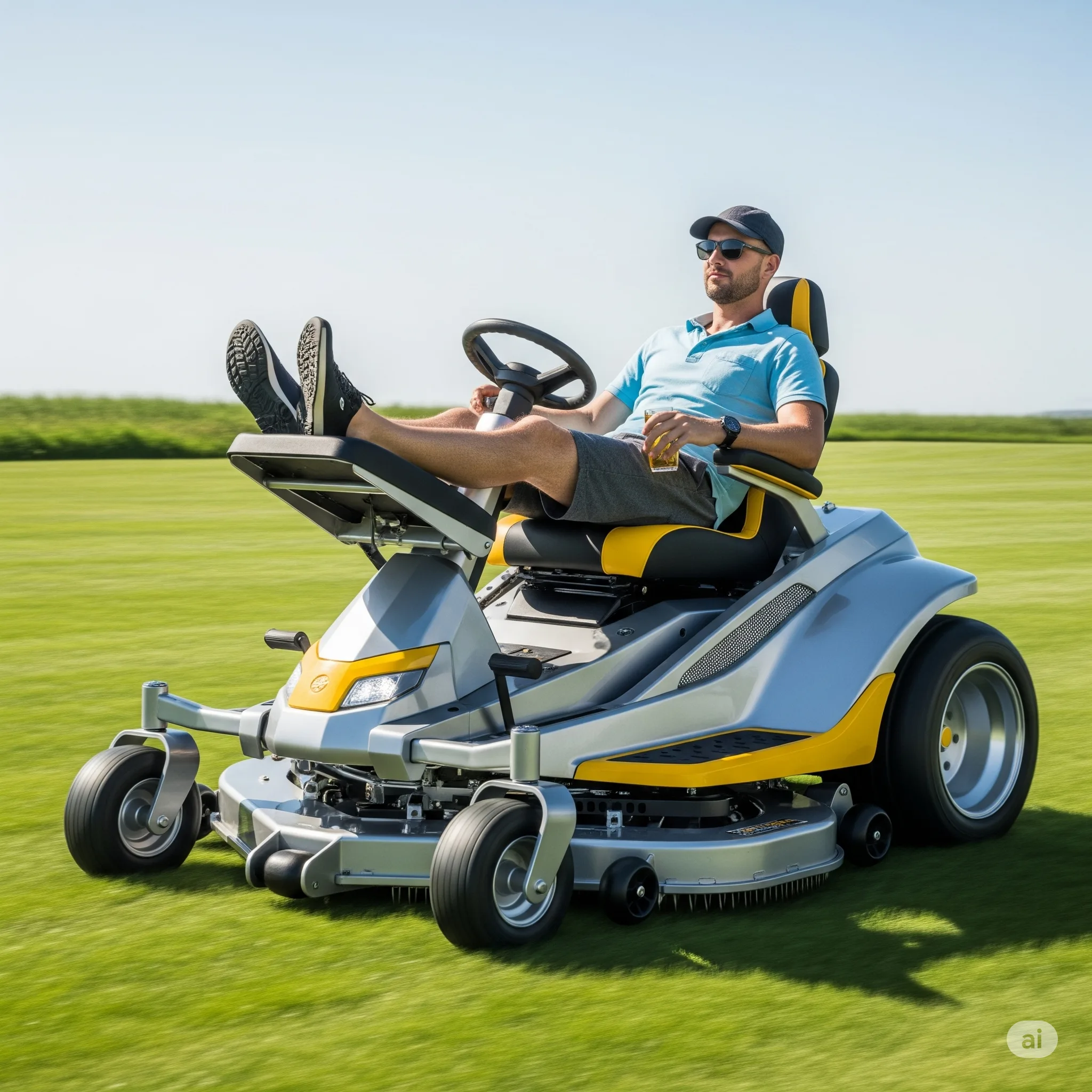
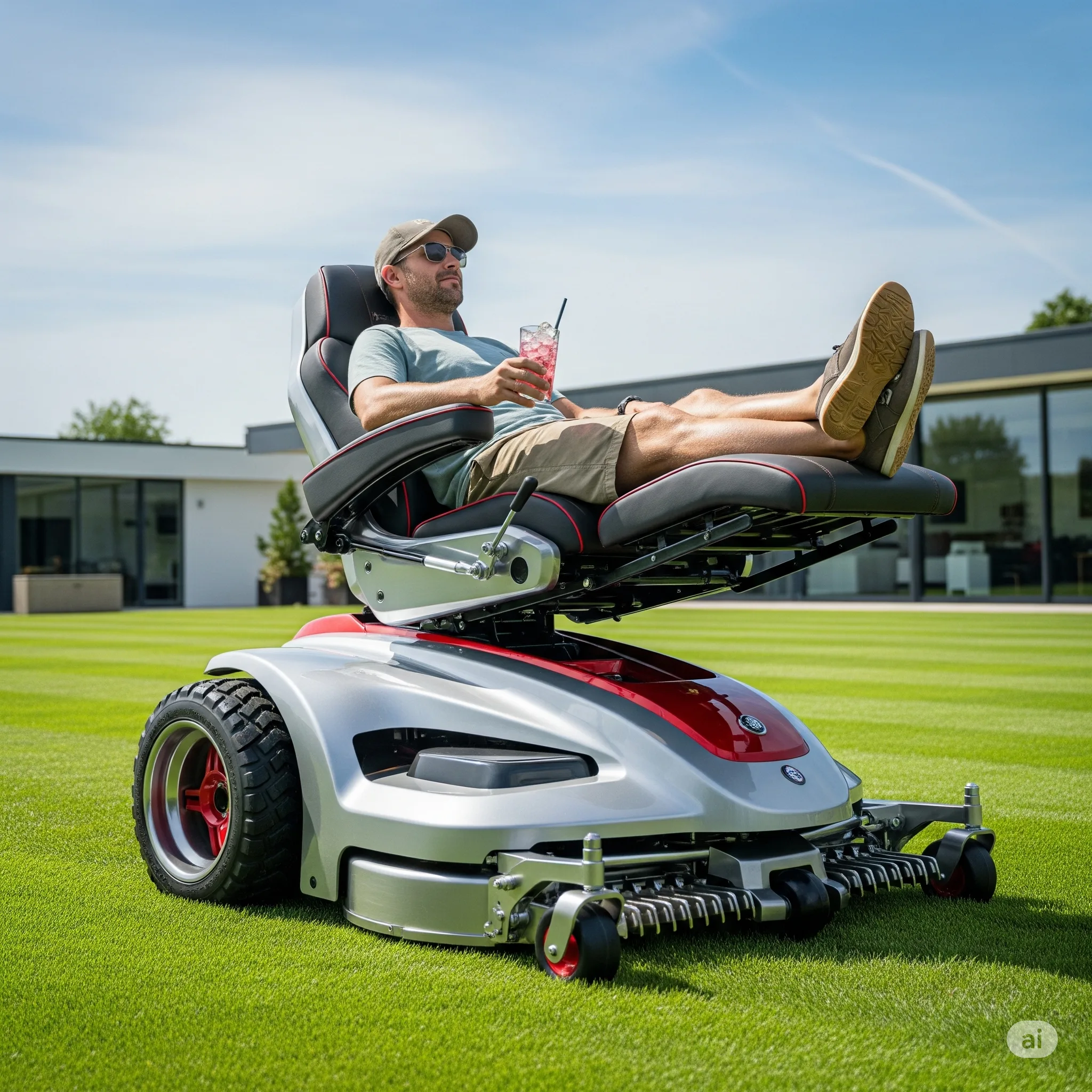
Imagine gliding across your yard in a seat that cradles your spine, adjusts to your posture, and soaks up bumps the same way a favorite armchair cushions a Sunday afternoon. That’s the promise behind the recliner lawn mower: a ride-on mower engineered around human comfort instead of treating operator seating as an afterthought. This concept isn’t merely about luxury. It’s a design philosophy that recognizes mowing is physical work with repetitive motions, whole-body vibration, and long stretches of sitting. Prioritizing ergonomics—through reclining seats, suspension systems, and thoughtfully placed controls—delivers measurable benefits: reduced fatigue, fewer aches, better focus, and often better turf results because comfortable operators perform more consistently. In this article we’ll explore why a recliner lawn mower can be the perfect and unique choice for homeowners, groundskeepers, and landscape professionals, how to choose and care for one, and what features truly matter when comfort meets capability.
Contents
- 1 Why Comfort Matters: The Case for Reclining on the Job
- 2 What Exactly Is a Recliner Lawn Mower?
- 3 Seating Technology: What Makes a Seat a “Recliner”
- 4 Types of Recliner Lawn Mowers: Matching Form to Purpose
- 5 Ergonomics in Practice: How a Recliner Improves Mowing
- 6 Powertrains & Comfort: Gas, Diesel, Hybrid, and Electric Options
- 7 Cutting Decks & Mowing Performance: Comfort Without Compromise
- 8 Safety Features: Ensuring Recline Isn’t a Risk
- 9 Ride Quality: Suspension, Tires & Chassis Tuning
- 10 Cabin Options: From Open-Air Comfort to All-Weather Enclosures
- 11 Retrofitting vs Buying New: Pros and Cons
- 12 Maintenance for Comfort Systems: Keeping the Recliner Working
- 13 Environmental Considerations: Noise, Emissions & Neighborhood Impact
- 14 Accessibility & Inclusivity: Keeping Owners Independent Longer
- 15 Cost & Value: Budgeting for Comfort
- 16 ROI: Measurable Returns of Comfortable Operation
- 17 Case Studies: Real-World Benefits
- 18 Buying Guide: What to Check Before You Commit
- 19 Common Mistakes to Avoid
- 20 Troubleshooting: Quick Fixes for Seat Issues
- 21 FAQs
- 22 Conclusion: Comfort as a Performance Upgrade
Why Comfort Matters: The Case for Reclining on the Job
At first glance, a seat is a seat. But prolonged sitting while steering, monitoring blades, and negotiating obstacles places unique stresses on the body: lower-back compression, shoulder tension, and whole-body vibration transmitted through the seat and platform. Ergonomic science shows that reclined postures—when supported adequately—distribute pressure across a larger surface, reduce lumbar strain, and lower muscular effort needed to stay upright. For operators who spend hours mowing large properties or commercial crews logging long shifts, these physiological differences add up.
A recliner lawn mower is not a luxury appliance for its own sake; it’s a health-conscious tool. Less fatigue translates to sharper situational awareness—fewer missed obstacles, cleaner edges, and steadier speed control—so the turf looks better and operators stay safer. For older owners or those with prior back issues, the difference between a hard bench seat and a recliner-style suspended seat can decide whether they maintain their property themselves or need to hire help. In short: comfort is productivity, durability, and wellbeing bundled together.
What Exactly Is a Recliner Lawn Mower?
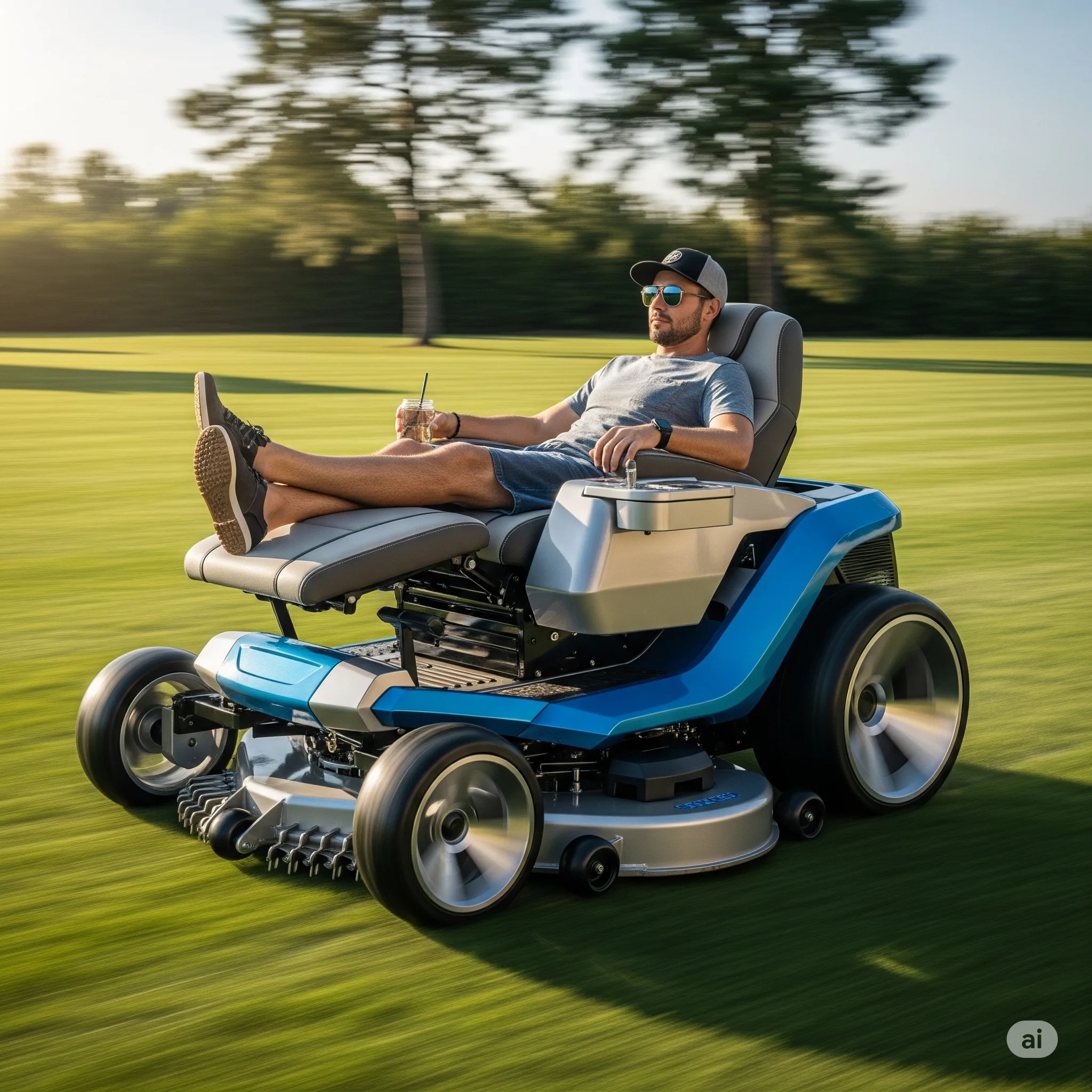
A recliner lawn mower combines the core functionality of a ride-on mower—reliable cutting decks, stable drive systems, and user-friendly controls—with enhanced seating systems borrowed from automotive and furniture design: multi-position reclining, lumbar adjustment, cushioning with memory-foam layers, and seat suspension that isolates vibration. These mowers can be found across several chassis types: zero-turn mowers, garden tractors, and compact utility tractors. Some models integrate full operator cabins with heated, powered recline seats and climate controls; others offer retrofit kits—upgraded seat bases and cushions—installed on standard ride-ons. The unifying attribute is an evident emphasis on operator posture and shock absorption rather than purely on horsepower or deck width.
Seating Technology: What Makes a Seat a “Recliner”
Not all recline seats are created equal. To understand what separates a true recliner lawn mower from a nominally “comfortable” seat, look at the following elements:
- Multi-Axis Recline Mechanism: Gas struts or damped pistons that allow smooth, lockable recline at multiple angles rather than a single fixed tilt.
- Lumbar Adjustability: Mechanical or pneumatic lumbar support that can be tuned to the operator’s lower-back curve.
- Layered Cushioning: High-density foam for support combined with softer top layers (memory foam or gel pads) for pressure relief.
- Seat Suspension: Isolators, springs, or hydraulic dampers under the seat reduce whole-body vibration (WBV), a key contributor to operator fatigue.
- Armrests and Side Bolsters: Fold-away armrests provide lateral support and reduce shoulder tension, making steering less strenuous.
- Breathable Materials: Mesh or perforated leather alternatives reduce heat buildup; ventilated and heated options add comfort in extremes.
- Safety Locks: Recline mechanisms that lock during operation to prevent unintended movement during sharp turns or on inclines.



When all these are combined with an operator-focused cockpit—controls within natural reach and minimal torque on wrists—a mower becomes a tool that respects the user’s body.
Types of Recliner Lawn Mowers: Matching Form to Purpose
Recliner seating has a place in multiple mower categories:
- Zero-Turn Mowers: Ideal for ornamental lawns and properties with obstacles. Recliner seats here improve posture during frequent direction changes and tighter maneuvers.
- Garden Tractors: These often pull attachments; a reclining seat makes towing and extended tasks like hauling or snow clearing significantly less taxing.
- Compact Utility Mowers: Used on larger estates and farms, these sometimes offer enclosed cabs and fully powered recliner seats with climate control—perfect for long-day operations.
- Commercial Fleet Models: Landscape companies increasingly spec recliner seats to reduce worker turnover and injury claims. These models emphasize durability and repairability.
- Retrofit Seats & Kits: For owners who like their current mower but want comfort, aftermarket recliner seat assemblies and suspension bases provide an upfit option.
Select the chassis based on terrain, attachments, and mowing patterns; pick the recliner features based on session length and operator health needs.
Ergonomics in Practice: How a Recliner Improves Mowing
Beyond a pleasant feeling, recliner features change operator behavior:
- Steadier Speed: Operators are less likely to rush or lurch when seated comfortably, producing more uniform cut lines.
- Better Vision: Reclined posture reduces neck strain and allows better long-term eye comfort; operators glance less and maintain clearer sightlines to obstacles.
- Reduced Microbreaks: Less frequent stops to stretch or adjust mean tasks finish more consistently and without awkward posture changes.
- Longer Sessions: Comfort extends usable work time without pain accumulation, enabling owners to tackle larger properties in fewer sessions.
For professional users, these performance shifts translate to measurable productivity improvements and lower sick days.
Powertrains & Comfort: Gas, Diesel, Hybrid, and Electric Options
A recliner lawn mower’s seating system works hand-in-glove with the mower’s drive train. Engine type affects noise, vibration, and emissions—each interacting with comfort.
- Gasoline Engines: Common and robust. They deliver continuous power but can produce high vibration levels. Integration with seat suspension and vibration-damping mounts is essential.
- Diesel Engines: Higher torque and fuel economy for heavy-duty work but often heavier and louder; sound insulation and vibration isolation become priorities.
- Hybrid Systems: Combine combustion for high-load tasks with electric assist for smoother low-speed operation, reducing idling vibration and making recliner seats more effective at isolating residual motions.
- Full Electric Mowers: Quiet, near-zero vibration at idle, and instant torque. Their smoothness maximizes the benefit of recliner seats and they offer the most peaceful operator experience—especially attractive for estates and noise-sensitive neighborhoods.
When evaluating a recliner mower, consider drivetrain synergy: an electric or hybrid platform plus seat suspension yields the quietest, most comfortable ride.
Cutting Decks & Mowing Performance: Comfort Without Compromise
Comfort should never come at the expense of cutting performance. A true recliner lawn mower combines seating with excellent deck engineering:
- Even Deck Balance: Proper deck geometry and anti-scalp wheels prevent bouncing transmitted into the seat, preserving comfort and consistent cuts.
- Adjustable Deck Lift: Easy-to-reach deck height adjustments let operators adapt without contorting the body.
- Mulching & Bagging Options: Efficient clippings management lets operators focus on mowing flow rather than frequent stops to empty collectors.
- Hydraulic Deck Drive & Heavy-Duty Spindles: Smooth power through high-stress components reduces vibration spikes and keeps blade RPM stable.
A well-designed mower couples a plush seat with a deck that cuts cleanly and predictably.
Safety Features: Ensuring Recline Isn’t a Risk
Reclining seats must not interfere with safety:
- Seat Interlocks: Automatic blade shutoff if the operator stands or leaves the seat.
- Lockable Recline: The recline should be lockable during operation to prevent accidental shift during tense maneuvers.
- ROPS & Seatbelts (When Appropriate): For tractors operating on slopes, rollover protection and belts are crucial even with recliner seats.
- Emergency Stop and Neutral Brakes: Accessible emergency stop switches should be part of the operator console.
- Visibility Aids: Cameras or mirrors to offset any blind spots created by different seating angles.
Manufacturers balance comfort and compliance; retrofit kits should be installed by qualified technicians to preserve safety functions.
Ergonomic Cockpit Design: Controls, Displays & Reach
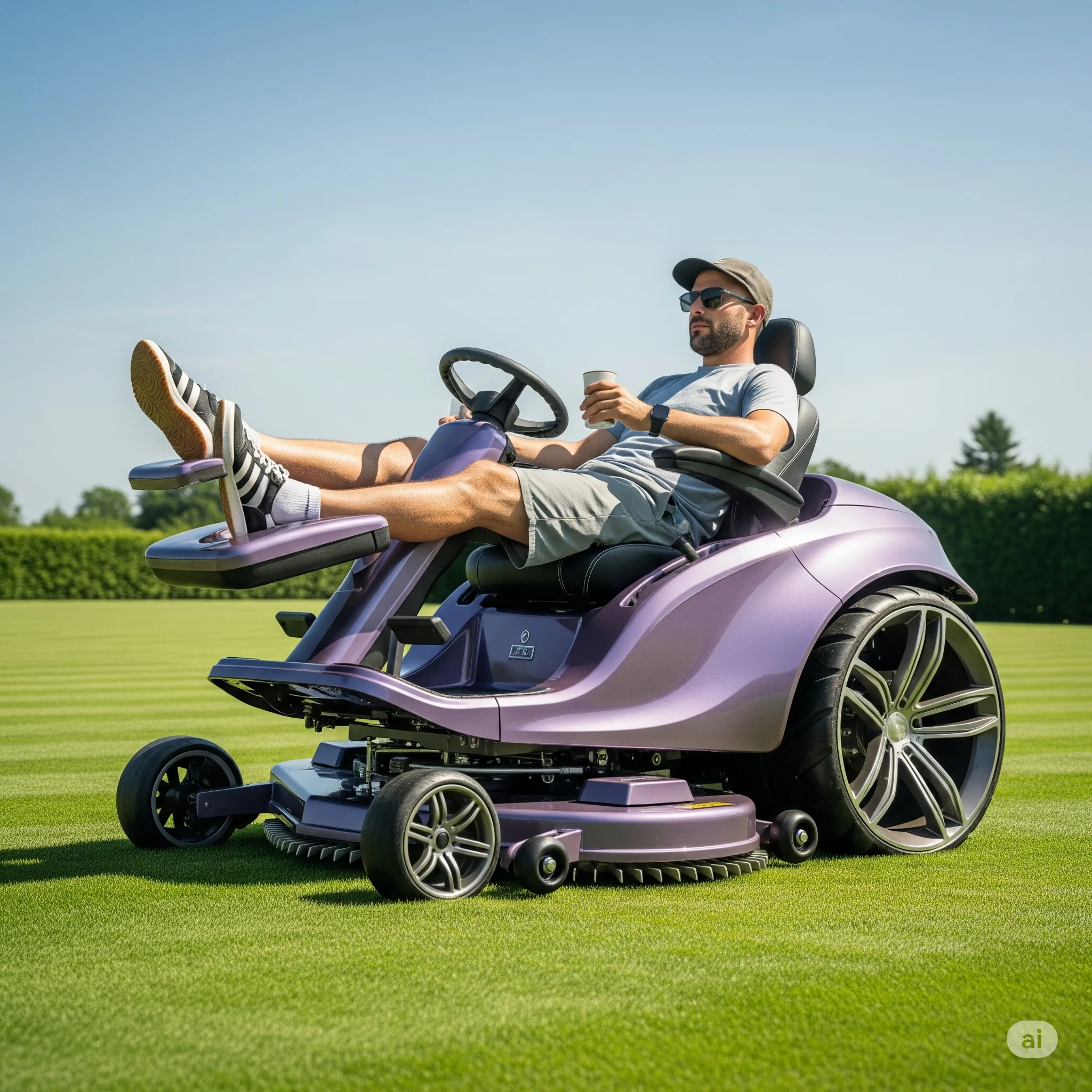
A recliner lawn mower’s real comfort win is the cockpit. Controls need to be placed where hands naturally rest—armrests with integrated joystick/throttle options reduce reach and wrist strain. Digital displays with large fonts, glanceable icons, and multi-zone temperature readouts (for cabs) reduce cognitive load. Cup holders, phone mounts, and glove compartments are not trivial—they reduce repeated reaching and keep the workspace tidy. Thoughtful ergonomics also include anti-glare sunshades and minimal cab noise.
Ride Quality: Suspension, Tires & Chassis Tuning
Seat suspension helps, but chassis and tire choices matter too. Wide turf tires at lower pressures spread load and smooth small bumps. Larger-diameter wheels roll more smoothly over obstacles. At the chassis level, tuned dampers on the frame, bushings at mounting points, and strategic placement of heavy components (battery packs, fuel tanks) reduce pitch and yaw. Premium seats paired with poorly tuned chassis will still disappoint—design must consider the whole machine.
Cabin Options: From Open-Air Comfort to All-Weather Enclosures
Recliner seats are often part of larger operator comfort packages:
- Open-Air Platforms: Lightweight, economical, and good for mild climates. Recliner seats with high back and armrests provide comfort while retaining airflow.
- Enclosed Cabs: Offer heating, air conditioning, and noise isolation—recliner seats inside a small cabin feel like a cockpit, enabling year-round use.
- Sunshades & Canopies: Cost-effective comfort upgrades that reduce heat stress.
- Climate-Controlled Seats: Heated and ventilated seats extend comfort into extremes.
Choose the enclosure based on climate, expected working hours, and maintenance considerations.
Retrofitting vs Buying New: Pros and Cons
If you already own a ride-on mower, you may wonder whether to retrofit or buy new.
- Retrofit Pros: Lower cost than a new unit; you keep a trusted chassis; some after-market seats and suspension bases are robust.
- Retrofit Cons: Bolting a luxury seat onto a chassis not designed for it can introduce safety problems, misaligned center-of-gravity, or void warranties. Vibration paths may remain unoptimized.
- New Purchase Pros: Integrated engineering, warranty coverage, and seats designed into the machine’s load path and electromechanical systems.
- New Purchase Cons: Higher upfront cost.
If retrofitting, consult a professional installer and choose components rated for your mower’s size and weight class.
Maintenance for Comfort Systems: Keeping the Recliner Working
A recliner seat requires maintenance just like the rest of the mower:
- Inspect Seat Suspension: Check for worn bushings, springs, or leaks in hydraulic dampers.
- Upholstery Care: Clean leather or fabric per manufacturer instructions to prevent degradation.
- Lubricate Recline Mechanisms: Keep pivots and locking components moving smoothly.
- Check Fasteners: Torque seat bolts to spec, especially after vibration-heavy seasons.
- Replace Worn Foam: Over years, cushioning layers compress—replace to maintain ergonomic support.
Scheduled maintenance preserves comfort and safety.
Environmental Considerations: Noise, Emissions & Neighborhood Impact
Comfort doesn’t stop with the operator. Electric recliner mowers minimize neighborhood noise and local emissions, making them ideal in suburban settings where early morning mowing can be disruptive. Lower noise also improves operator experience—the absence of constant engine roar reduces the need for heavy hearing protection and preserves the sensory benefits of a recliner seat.
Accessibility & Inclusivity: Keeping Owners Independent Longer
One of the most meaningful benefits of recliner lawn mowers is enabling owners with back pain, mobility constraints, or age-related limitations to maintain independence. A supportive seat reduces the pain barrier to performing necessary outdoor tasks and can be a cost-effective alternative to hiring frequent landscaping help. For professional fleets, accessible seating options expand hiring pools and support inclusive workplaces.
Cost & Value: Budgeting for Comfort
Recliner features add cost—sometimes modest for a seat upgrade, more for full integrated packages on new models. But consider total cost of ownership: reduced operator injuries, less missed work, improved retention in commercial fleets, and the intangible value of less post-work pain. When comparing options, evaluate warranty coverage on comfort components and check service network availability.
ROI: Measurable Returns of Comfortable Operation
For commercial operators, invest in data: track time-on-task, breaks per shift, injury reports, and crew turnover before and after introducing recliner seats. Many report reduced fatigue-related downtime and improved crew morale—the latter translating into productivity gains. For homeowners, ROI is subjective—comfort, independence, and the pleasure of mowing without postural consequences are valid returns.
Case Studies: Real-World Benefits
- Community Groundskeeper: A university upgraded its fleet with recliner-seated compact tractors. Reported outcomes included fewer worker complaints of back pain and a measurable drop in ergonomic injury claims over two years.
- Estate Owner: An older homeowner with chronic lumbar pain retained the ability to maintain a 2-acre property after switching to a zero-turn mower with a high-back reclining seat and suspension, saving on long-term landscaping expenses.
- Landscaping Company: An urban outfit found crew members preferred shifts on recliner-equipped mowers; job satisfaction surveys improved and overtime decreased marginally as teams worked more consistently.
These outcomes underscore that comfort upgrades are operationally relevant.
Buying Guide: What to Check Before You Commit
- Try the Seat: Sit for 15–20 minutes in a demo. Adjust recline and lumbar to verify comfort.
- Test Ride: If possible, take a test mow over representative terrain.
- Inspect Suspension: Ask about seat suspension specs and service intervals.
- Check Controls: Ensure ergonomics—throttle, deck lift, and steering reach without strain.
- Evaluate Powertrain: Match deck width and engine/battery specs to property size.
- Warranty & Service: Confirm coverage for seat components and local serviceability.
- Weight & Storage: Consider shed or trailer storage; some seats add significant weight.
- Accessories: Heated seats, armrests, consoles—buy what you’ll actually use.
- Safety Compliance: For commercial use, ensure ROPS or seatbelts are compatible with recline features.
Common Mistakes to Avoid
- Prioritizing Plushness Over Support: A soft cushion that collapses offers little long-term benefit. Look for layered support and resilient cores.
- Ignoring Whole-Machine Vibration: Seat upgrades alone won’t fix a chassis with poor damping. Check the whole platform.
- Skipping a Test Drive: Comfort is personal—don’t buy blind.
- Neglecting Maintenance: Recliner systems need upkeep; assuming otherwise leads to early failure.
Troubleshooting: Quick Fixes for Seat Issues
- Squeaking Recline: Tighten bolts, apply approved lubricant to pivots.
- Excessive Bounce: Replace worn bushings in seat suspension or upgrade to a heavier-duty spring.
- Heated Seat Failure: Check fuses, thermostat connectors, and wiring harnesses before swapping the seat.
FAQs
Q: Do recliner seats affect mower stability?
A: Properly engineered seats maintain center-of-gravity parameters. Poorly fitted aftermarket seats can change balance—use tested kits or factory options.
Q: Are recliner seats safe on inclines?
A: Lockable recline and proper ROPS/seatbelt integration are essential for sloped work. Use caution and manufacturer guidance.
Q: Can I retrofit my older mower?
A: Many seats are retrofit-capable, but consult a professional to ensure mounting integrity and safety.
Q: Are heated/vented seats worth it?
A: For long-season operations in extreme climates, yes—they extend comfort significantly.
Conclusion: Comfort as a Performance Upgrade
A recliner lawn mower reframes mowing from a necessary chore into a sustainable, health-conscious activity. By prioritizing seating, suspension, and human-centered cockpit design, these machines reduce operator fatigue, improve focus, and extend the time owners can independently care for their property. Whether you’re a homeowner who wants to keep mowing into later years, a landscape professional seeking to protect your crew, or an equipment buyer focused on productivity, a recliner lawn mower is a practical and uniquely thoughtful choice. It’s not about indulgence—it’s about designing tools that respect the human body, optimize performance, and make outdoor work something you do with less strain and more satisfaction. Choose wisely, test before you buy, and invest in maintenance: your back will thank you every season.