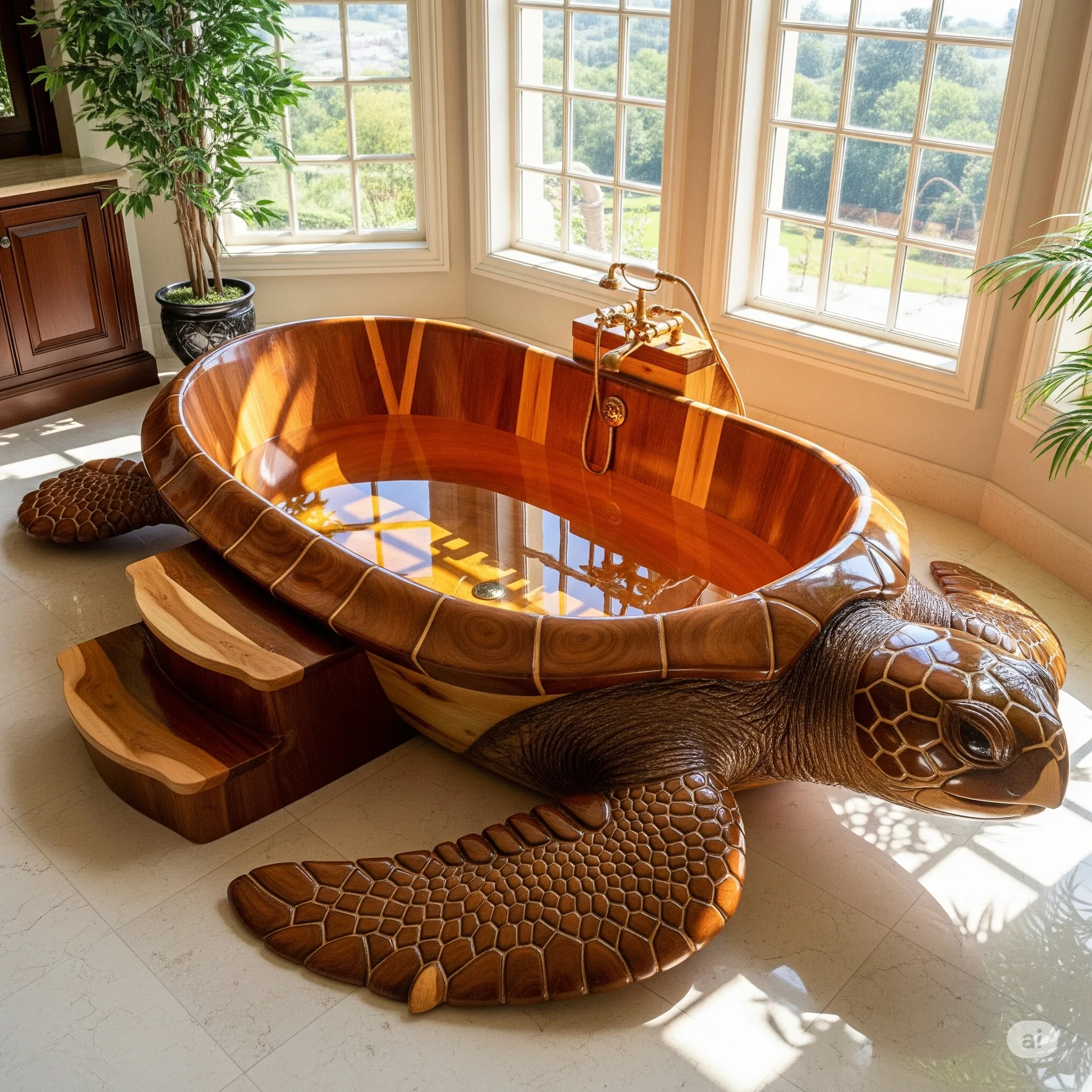
Why a Bathtub Can Be a Story, a Sculpture, and a Sanctuary
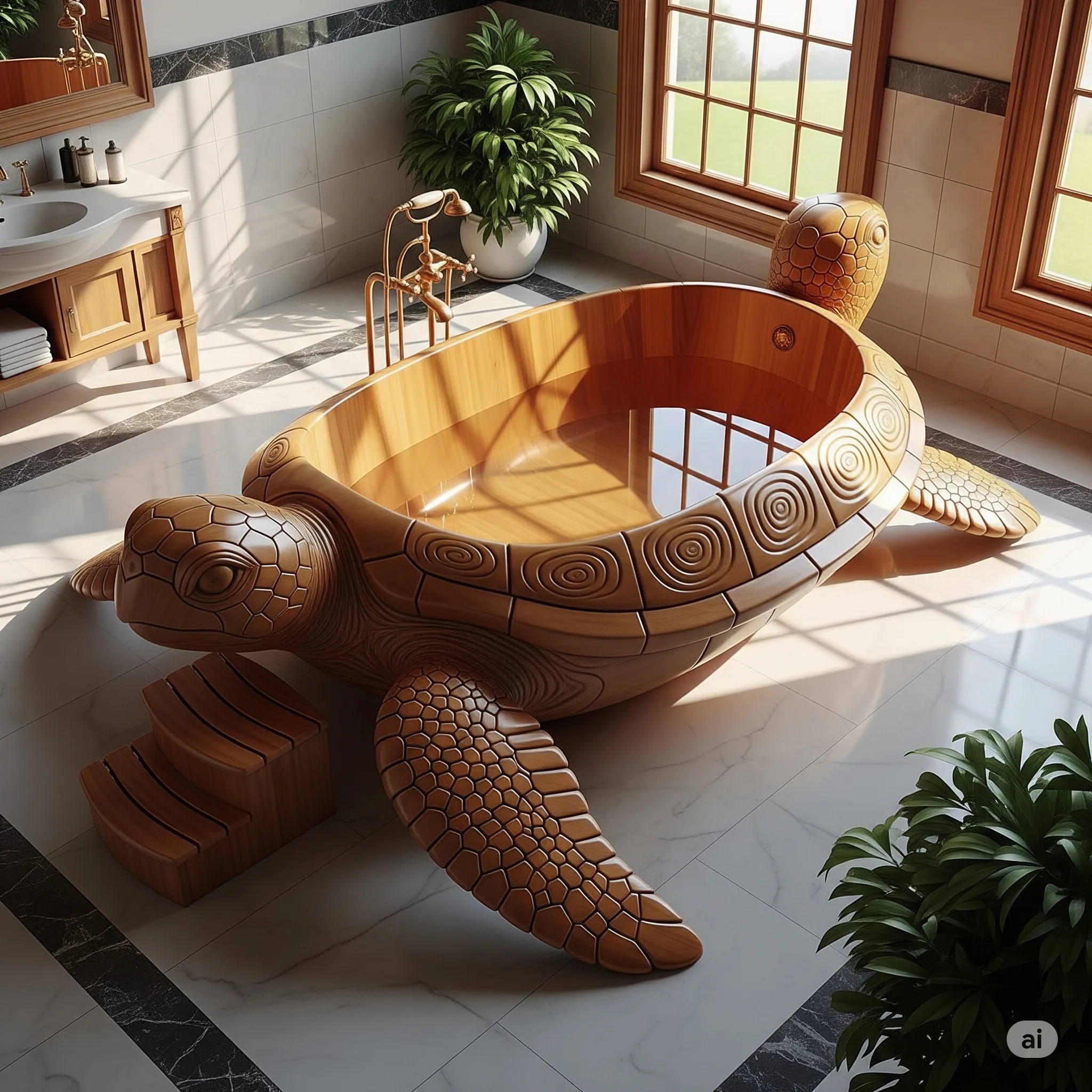
A wooden turtle bathtub is not simply a place to bathe; it is a deliberate object that combines craft, symbolism, and ritual. At once sculptural and utilitarian, it channels the quiet endurance of a turtle’s shell—its protection, longevity, and slowness—into a vessel for pause. When you choose a wooden turtle bathtub you are choosing more than a fixture: you are choosing an experience that transforms bathing into an act of care, a tactile ceremony, and an architectural moment in the home. This article explores why wooden turtle bathtubs are the perfect and unique choice for homeowners, designers, spa operators, and anyone who wants bathing to be soulful as well as practical. We will examine the cultural meaning behind the form, materials and construction techniques, plumbing and engineering challenges, finishes and maintenance, safety and codes, design applications, sustainability considerations, cost and value, and how to commission or buy the right piece. By the end you’ll understand why this unusual object resonates so strongly—and whether a wooden turtle bathtub belongs in your space.
The Symbolism: What the Turtle Brings to a Bathing Ritual
Turtles populate myths and household iconography across many cultures. They are symbols of longevity, patience, shelter, and home—the shell is literally a carried house. Translating that shape into a bathtub yields a container that feels protective and grounding: the rounded, enveloping silhouette encourages slow soaking and inward attention. Unlike angular modern tubs that suggest utility and speed, a wooden turtle bathtub invites lingering; it signals a different tempo. Designers choose turtle-reference forms because they tap into deep archetypal language—when people see the shell curve they register a promise of safety and retreat, which is precisely the mental state a restorative bath seeks to produce.
Historical Roots and Design Lineage
Wooden bathing vessels are far from new. Japanese ofuro tubs, Scandinavian wooden hot tubs, and traditional cedar bathhouses demonstrate centuries of wood-and-water craft. The wooden turtle bathtub draws on these lineages while adding a narrative twist: the shell. Craftspeople trained in coopering, boatbuilding, and furniture-making bring techniques—stave assembly, steam-bending, laminated shells—into the project. The result is often hybrid: a tub might show the craft logic of a barrel, the curvature of a carved sculpture, and the finish quality of fine furniture. That confluence is both why the piece feels classic and why it reads as contemporary art.
Forms and Typologies: How Turtle Motifs Translate into Bathing Objects
Wooden turtle bathtubs appear in several typologies:
- Staved Tub (Barrel-Inspired): Vertical staves form a deep tub where the rim and exterior are shaped into a turtle-like contour. Bands or hidden compression systems hold the staves together and allow the wood to swell for a watertight seal.
- Carved Monolith: Carved from a laminated block or milled from thick planks, this type presents a seamless organic shell with integrated interior contours for comfort.
- Laminated Shell: Thin veneers glued and compressed over a mold create a thin, elegant shell with pronounced curvature and lighter weight.
- Hybrid with Liner: A watertight inner liner (stainless steel, copper, or acrylic) is enclosed by the wooden shell shaped like a turtle—this balances aesthetic warmth with practical waterproofing.
- Outdoor Hot-Tub Variant: Larger, round or oval tubs suitable for wood-fired heating, sometimes with an external stove and decking that mimics a turtle’s scutes.
Each typology has trade-offs—authentic solid timber feels sumptuous but requires more care; laminated shells are sculptural and stable but may feel cooler to the touch unless engineered for warmth.



Materials: Choosing the Right Wood for a Tub That Lives with Water
Material choice is central. The ideal timbers combine dimensional stability, natural resistance to rot, and pleasing grain. Common choices:
- Hinoki (Japanese Cypress): Revered in traditional ofuro for aroma, fine grain, and water resistance. It is warm to the touch and ages gracefully.
- Teak: Dense and oily, teak withstands moisture and decay exceptionally well—favored for both indoor and outdoor tubs.
- Western Red Cedar: Lightweight, aromatic, naturally rot-resistant, and often used in outdoor cedar hot tubs.
- Iroko or Mahogany: Harder woods with rich color, sometimes used with careful sealing.
- Engineered woods & Laminates: Marine-grade plywood and laminated veneers reduce shrink-swell and create predictable performance in challenging climates.
Beyond species, hardware matters: stainless or bronze bands, marine adhesives, and food-safe finishes that resist mold and bacteria are essential. Sustainable sourcing (FSC certification, reclaimed timber) is an important consideration for environmentally conscious buyers.
Construction Techniques: How Craftspeople Make Wooden Turtle Bathtubs Watertight and Durable
Several techniques make wooden tubs function reliably:
- Coopering: Individual staves are beveled and bound; when wet they swell to form a seal. Stainless bands or internal hoops provide clamping force.
- Steam Bending & Lamination: Thin boards are steamed and bent over frames, glued to hold complex curves without the stress of solid carving.
- Carving & Hollowing: Laminate blocks are shaped and hollowed for monolithic forms—this is labor-intensive but yields uninterrupted grain and sculptural purity.
- Hybrid Liners: An inner liner handles the water; the wood is decorative and structural without being directly water-exposed. This reduces maintenance while preserving the tactile exterior.
- Sealed Joinery: Using marine-grade epoxy or multiple coats of penetrating oil varnishes and thermally stable sealants protects joints while allowing subtle wood movement.
Professional builders combine empirical knowledge—how a species of wood behaves when wet—with modern adhesives and coatings to produce tubs that perform reliably for years.
Waterproofing and Finishes: Finding the Balance Between Breathability and Protection
Waterproofing is a careful balance. Fully sealing wood with epoxy creates a resilient barrier but also inhibits the wood’s “breathing,” which some owners dislike for tactile reasons. Alternatives:
- Penetrating oils (tung, teak oil blends): Enhance grain and preserve a natural hand but require reapplication.
- Marine varnishes: Create a hard, glossy film that is durable and easier to clean; multiple coats protect against moisture ingress.
- Liners (stainless, copper, acrylic): Provide near-absolute waterproofing; wood remains decorative and thermally insulating but not water-laden.
- Food-safe sealants: Important for intimate contact; ensure finishes are non-toxic and rated for human contact.
Choice depends on climate, desired aesthetic, and maintenance expectations. Installers should recommend systems tailored to the species and installation context.
Plumbing, Heating & Technical Integration: Making Wood & Water Work with Modern Systems
Integrating plumbing and heating into a wooden turtle bathtub requires thoughtful planning:
- Drainage: Underside drains with stainless flanges, accessible clean-outs, and overflow systems to prevent accidental flooding.
- Water supply: Concealed in floor or adjacent walls; thermostatic mixing valves for safe temperature control.
- Heating: For soak temperatures, electric in-line heaters, heat exchangers for wood-fired stoves, or solar-assisted systems are options; inline heaters should be isolated from direct wood contact.
- Circulation & Filtration: Hidden sumps or external filtration reduces the need for interior voids and simplifies maintenance.
- Access panels: Removable panels or discreet hatches allow service without damaging the woodwork.
Coordination between cabinetmakers, plumbers, and heating specialists early in the design phase avoids retrofitting headaches.
Safety & Codes: What You Must Consider Before Installation
Safety considerations are practical and legal:
- Load-bearing floors: Filled tubs are heavy—calculate water weight and reinforce joists or provide dedicated bases for second-floor installations.
- Electrical codes: All electrical work near water must use GFCI protection and licensed electricians to prevent shock hazards.
- Ventilation & humidity control: In enclosed bathrooms, extractors and humidity control prevent mold and wood degradation.
- Slip-resistance: Steps, ledges, and surrounding floors should use non-slip finishes or integrated grating.
- Child safety & covers: Locks and fitted covers protect children and prevent accidental drownings.
- Local building codes: Hot tub and plumbing codes vary; always secure permits and inspections for public or permanent installations.
Professionals must sign off on structural and electrical work to ensure compliance and insurance coverage.
Care & Maintenance: Keeping a Wooden Turtle Bathtub Beautiful for Decades
Maintenance is part of ownership, but well-designed systems minimize toil:
- Daily/Weekly: Rinse after use, wipe rims, and maintain water chemistry if tub is used for soaking with additives.
- Monthly: Inspect seals, test drains, and re-oil visible timber if recommended.
- Seasonal: For outdoor tubs, winterize by draining and storing pumps where freezing is a risk.
- Long-term: Reapply penetrating oils or varnishes according to manufacturer schedules; address minor cracks with compatible fillers.
- Hygiene: For interior wood exposed to water, maintain filtration and sanitization—chlorine or bromine protocols apply; for hybrid liners, follow liner care instructions.
Contents
Maintenance is not onerous if the tub is designed with service in mind—removable access panels and external sumps make a big difference.
Turtle-Inspired Form
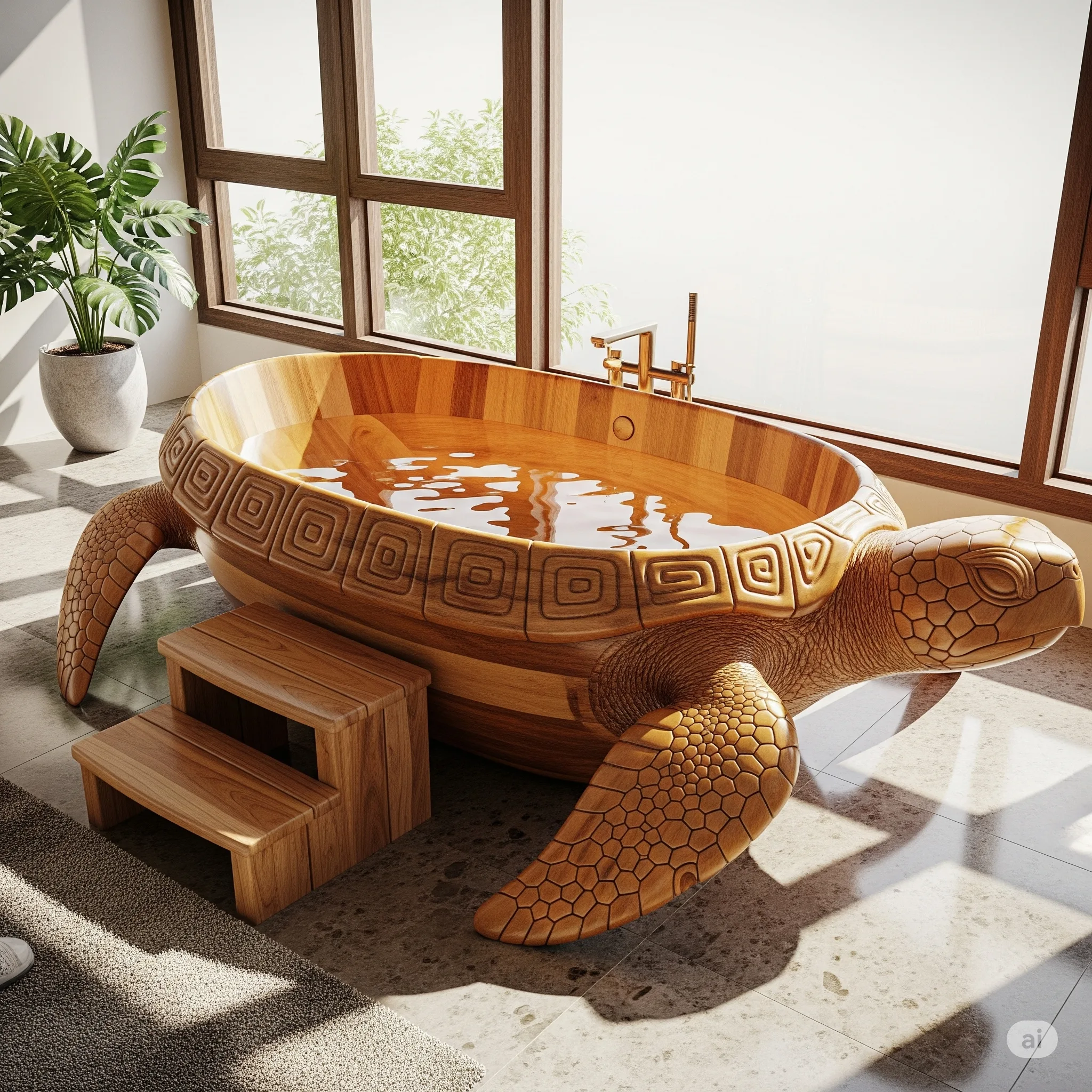
The tub’s outer shell often mimics the rounded, patterned back of a sea turtle, with detailed carving or inlaid patterns representing shell segments. Some designs are fully sculptural, with the tub nestled inside the “shell,” while others have subtle turtle motifs for a more understated look.
Warm, Organic Aesthetics
The natural grain of the wood enhances the oceanic theme, creating a sense of calm and earthiness. The warm tones also contrast beautifully with cool bathroom tiles or stone surroundings.
Materials and Craftsmanship
Premium Wood Choices
High-end Wooden Turtle Bathtubs are often crafted from moisture-resistant hardwoods such as teak, cedar, or hinoki cypress. These species naturally repel water and resist decay, making them ideal for long-term bathroom use.
Waterproof Finishing
Multiple layers of marine-grade sealant protect the wood from swelling, cracking, or warping. The finish also brings out the richness of the grain.
Hand-Carved Details
Artisan-made tubs may feature hand-tooled patterns or shell-like ridges, making each piece unique.
Sizes and Configurations
Compact Single Soakers
Perfect for smaller bathrooms, designed for one person to enjoy a deep, meditative soak.
Luxury Double Models
Extra-wide tubs that can comfortably accommodate two bathers, often placed as the centerpiece of a spa-style room.
Freestanding or Built-In
Some are designed as freestanding art pieces, while others integrate into platforms or tiled surrounds.
Functionality Meets Aesthetic
Comfort
Ergonomic shaping ensures that the bather’s back and legs are supported while reclining.
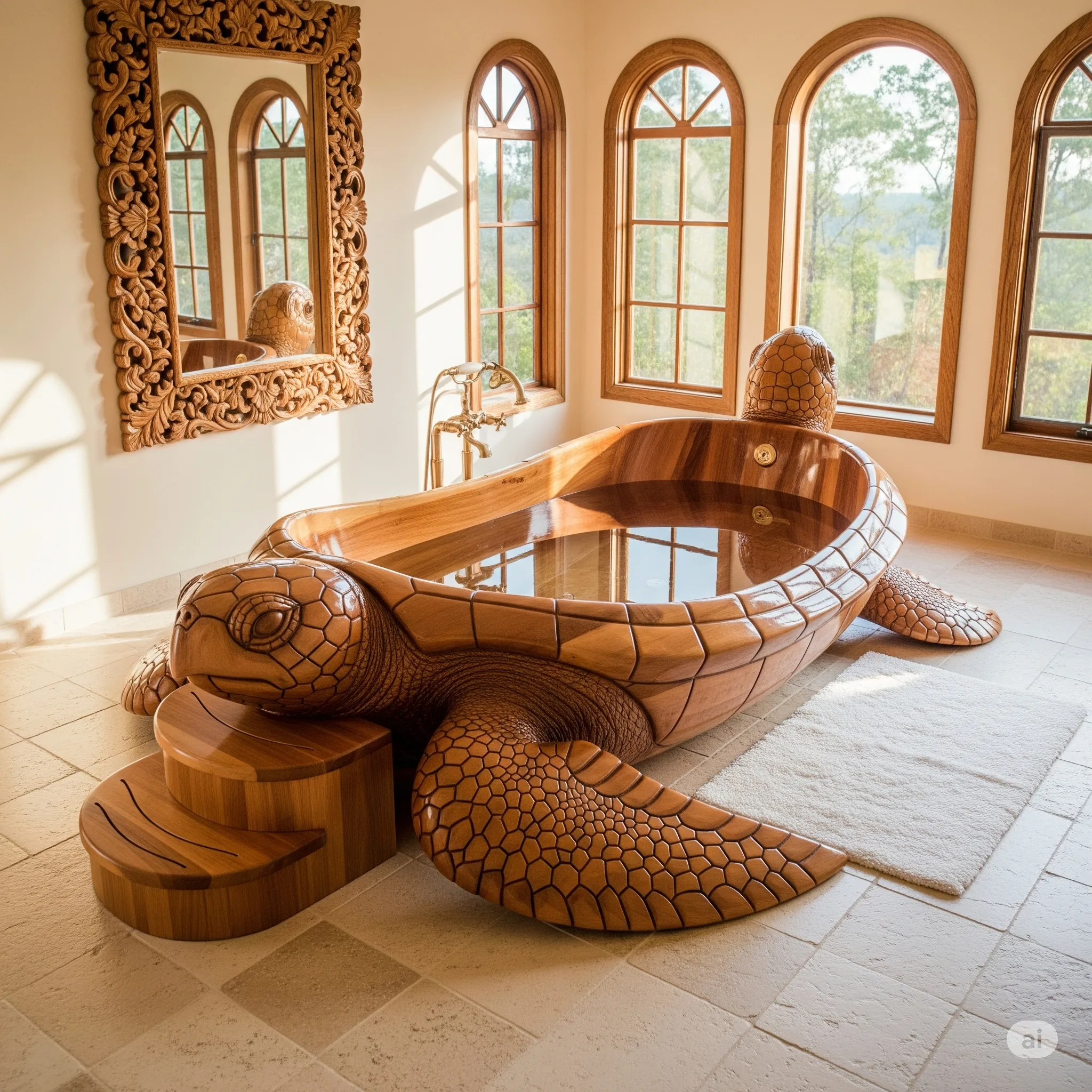
Aesthetic Integration: Styling a Wooden Turtle Bathtub into Interiors & Landscapes
Designers treat the wooden turtle bathtub as a centerpiece. Styling tips:
- Material palette: Pair warm woods with stone pavers, matte black fittings, and soft textiles to create spa-like composure.
- Lighting: Downlights, integrated LED under-rim strips, and soft backlighting emphasize the shell’s curves and the water’s glow.
- Landscaping for outdoor tubs: Use native plantings, pebble paths, and timber decking to integrate the tub into its environment.
- Textural contrasts: Combine the smooth shell with woven mats, linen towels, and cast-iron fixtures for visual richness.
- Scale and placement: Allow clearance for maintenance and visual breathing room—don’t tuck the tub against a wall unless it’s a headboard-style composition.
A wooden turtle bathtub can be minimal and meditative or ornate and ritualized—the silhouette supports both.
Uses & Contexts: Who Chooses Wooden Turtle Bathtubs and Why
These tubs find homes across contexts:
- Private residences: Master bathrooms and wellness suites where owners prioritize design and ritual.
- Boutique hotels & resorts: Signature suites use them to create memorable guest experiences and compelling photography.
- Spas & wellness centers: The tub frames therapeutic hydrotherapy or ceremonial soak experiences.
- Garden pavilions and retreats: Outdoor turtle hot tubs connect users to landscape and weather cycles.
- Cultural or retreat centers: Where slow ritual bathing aligns with programming in yoga, meditation, or cultural immersion.
Buyers often choose wooden turtle bathtubs for emotional resonance—they want an object that expresses values as much as functions.
Sustainability & Ethical Considerations: Choosing Materials and Practices That Respect the Planet
Sustainability is central to many buyers. Considerations include:
- Certified wood: FSC or PEFC certified species minimize ecological harm.
- Reclaimed timber: Salvaged wood, old beams, and boat planking carry history and cut new harvesting.
- Durable construction: Designing for repair and long lifespan reduces lifecycle impacts versus disposable products.
- Efficient heating: Heat recovery, wood-fired stoves with efficient exchangers, or solar preheat systems reduce energy use.
- Water management: Recirculating systems and responsible chemical use limit environmental discharge.
A wooden tub, when responsibly sourced and properly maintained, can be an eco-friendly choice relative to frequent replacement of cheaper materials.
Cost & Value: What to Budget and How to Think About Return on Experience
Costs vary widely:
- Entry-level hybrid models (small, liner-based, decorative shell): several thousand dollars including installation.
- High-end handcrafted tubs (solid timber, custom sculptural forms): $10,000–$50,000+ depending on size, species, and technical integrations.
- Outdoor hot tub systems (stove, insulation, decking): can add significant installation costs for foundations and chimneys.
Value is experiential and practical: these tubs can increase property value, create unique hospitality revenue, and provide lifelong aesthetic and wellness returns—something that often justifies premium investment for design-minded buyers.
Commissioning & Buying: How to Get the Right Wooden Turtle Bathtub
Steps to commissioning:
- Define brief: Size, indoor/outdoor, liner or all-wood, heating method, and usage frequency.
- Consult professionals: Architect for structural issues, plumber for drains and heating, and master craftsman for timber selection and joinery.
- Review prototypes: Ask for scale models, sketches, or 3D renders.
- Confirm materials and finishes: Check sample boards and finish mock-ups under real light.
- Request a maintenance plan: Clear instructions on care, re-sealing intervals, and service contacts.
- Permits and engineering: Secure structural and plumbing permits before work begins.
Vetted builders and designers with experience in marine or bath projects will reduce risk and improve outcome predictability.
Case Studies & Inspirational Examples
- A Kyoto-Inspired Suite: A boutique ryokan reinterprets ofuro tradition into a turtle-shaped cedar tub, creating a quiet, aromatic soak with a custom roof opening for moonlight baths.
- A Coastal Retreat: Teak-clad turtle hot tubs with wood-fired stoves sit beneath palms—designed for resilience against salt spray and winter storms.
- A Minimalist Urban Loft: A laminated walnut turtle tub with an acrylic liner provides sculptural contrast to concrete floors and glass walls, acting as the apartment’s centerpiece.
These installations highlight how context and craft shape divergent but equally potent experiences.
FAQs: Quick Answers to Common Questions
Q: Do wooden turtle bathtubs leak?
A: Properly constructed tubs—especially those with liners or well-executed coopering—do not leak. Regular inspection of seals is recommended.
Q: Are they hygienic?
A: With correct finishes and water management, wooden tubs are hygienic. Hybrid liners simplify sanitation.
Q: Can they be used outdoors year-round?
A: Yes, with proper species selection (teak, cedar), insulation, and winterization protocols.
Q: How long do they last?
A: Decades with care; some well-maintained wooden tubs have lifespans comparable to stone when preserved.
Q: Are they eco-friendly?
A: When made from certified or reclaimed wood and designed for durability, they can be more sustainable than repeatedly replaced synthetic tubs.
Conclusion: Why Wooden Turtle Bathtubs Are the Perfect and Unique Choice
A wooden turtle bathtub is, in equal measure, a practical object and a lived metaphor. It brings shelter and stillness into the act of bathing, translating the turtle’s protective geometry into a vessel that supports slow rituals and sensory renewal. For homeowners seeking a signature piece, designers crafting memorable hospitality environments, and makers striving for honest craft, wooden turtle bathtubs offer a rare convergence: tactile warmth of wood, the visual poetry of organic form, and the engineered performance necessary for everyday use. They require intention—thoughtful material sourcing, technical integration, and a willingness to care—but the return is substantial: a nightly practice that restores the body, calms the mind, and enriches the home with a living story. If you want a bathtub that is simultaneously functional, symbolic, and exquisitely personal, a wooden turtle bathtub is not merely an option; it is the perfect and unique choice.