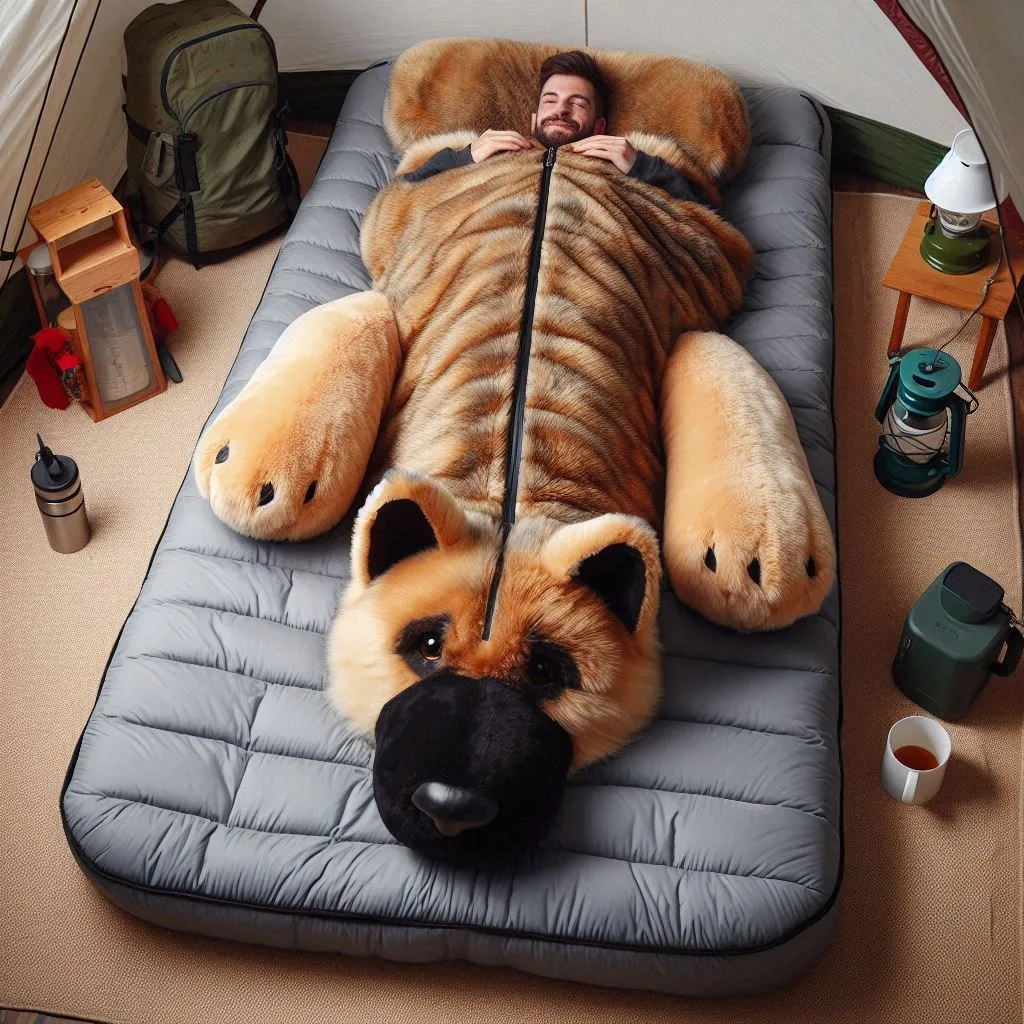
Creating the perfect sleeping environment for your dog can greatly enhance their comfort, health, and happiness. A dog sleeping bag is not just a cozy shelter; it’s a vital accessory that ensures your furry friend has a comfortable, secure place to rest whether indoors or outdoors. This guide will walk you through everything you need to know about selecting, using, and maintaining a dog sleeping bag, backed by expert insights and practical tips.
The term “dog sleeping bag” refers to specially designed bedding that provides warmth, comfort, and portability for dogs during naps, travel, or outdoor adventures.
Contents
- 1 Understanding the Importance of the Dog Sleeping Bag – Benefits, Comfort, and Security
- 2 How to Choose the Right Dog Sleeping Bag – Size, Material, and Weather Suitability
- 3 Tips for Using, Maintaining, and Maximizing Your Dog Sleeping Bag Investment
- 4 FAQs About Dog Sleeping Bags – Your Common Questions Answered
- 5 Conclusion
Understanding the Importance of the Dog Sleeping Bag – Benefits, Comfort, and Security
Deciding to purchase a dog sleeping bag demonstrates your commitment to your pet’s well-being. This section explores why investing in a good-quality dog sleeping bag is beneficial, covering aspects such as temperature regulation, psychological comfort, durability, and convenience. With increasing awareness about pet comfort and health, a dog sleeping bag has become an essential item for caring pet owners.
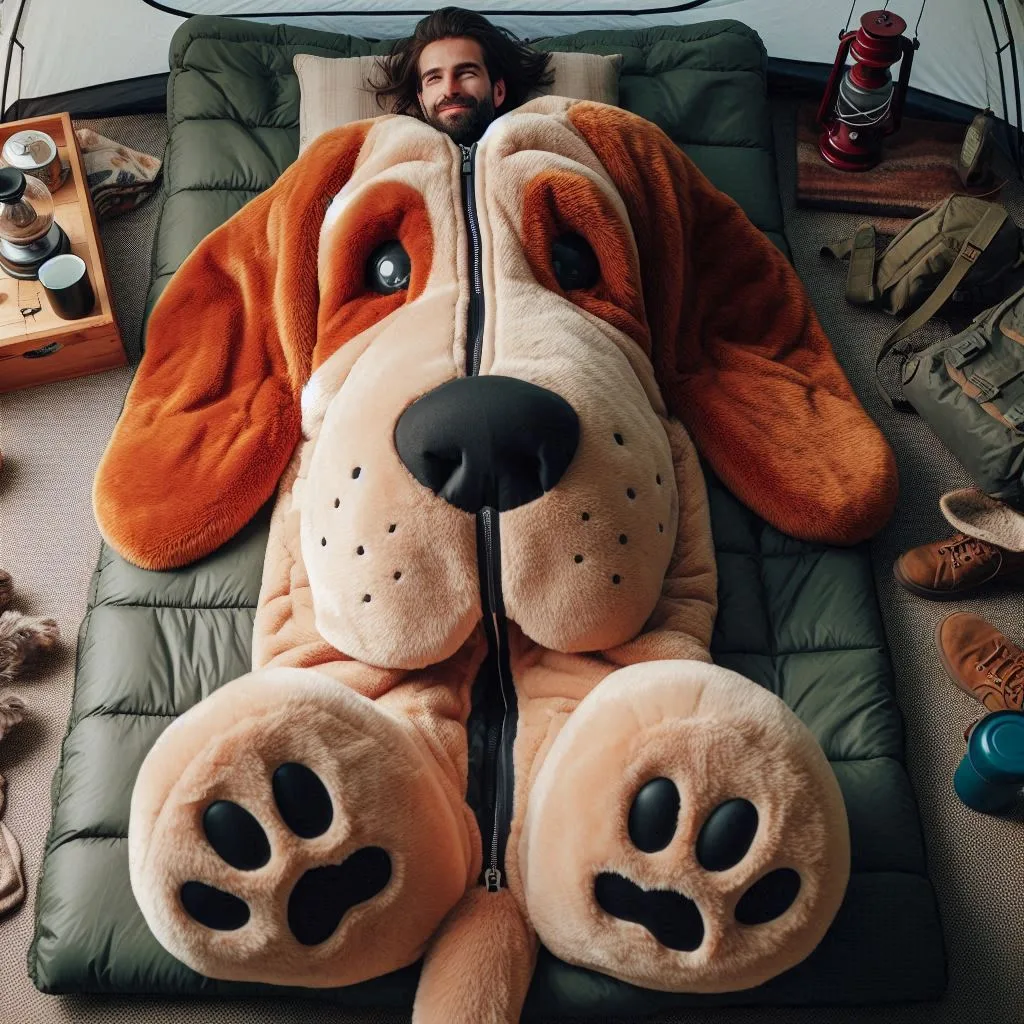
The Comfort and Heat Retention Benefits
Warmth and comfort are fundamental for a dog’s sleep quality, especially during colder months. The insulation provided by a dog sleeping bag helps regulate body temperature, which is vital for puppies, senior dogs, or breeds that are sensitive to cold. Unlike flat bedding, a sleeping bag envelops the dog, providing snugness that mimics natural burrowing instincts.
Furthermore, high-quality materials like fleece, synthetic down, or insulated fabrics ensure that the dog stays warm without overheating. These materials also help wick away moisture, keeping your pet dry and comfortable through long or short naps. A comfortable sleeping environment encourages restful sleep, which in turn, boosts immunity and overall health.
Providing a Sense of Security and Reducing Anxiety
Dogs are creatures of habit and thrive on familiar, secure environments. A dog sleeping bag offers a personal sanctuary where your pet can relax without distractions. This is especially beneficial for anxious or nervous dogs who may feel stressed by unfamiliar surroundings or loud noises.
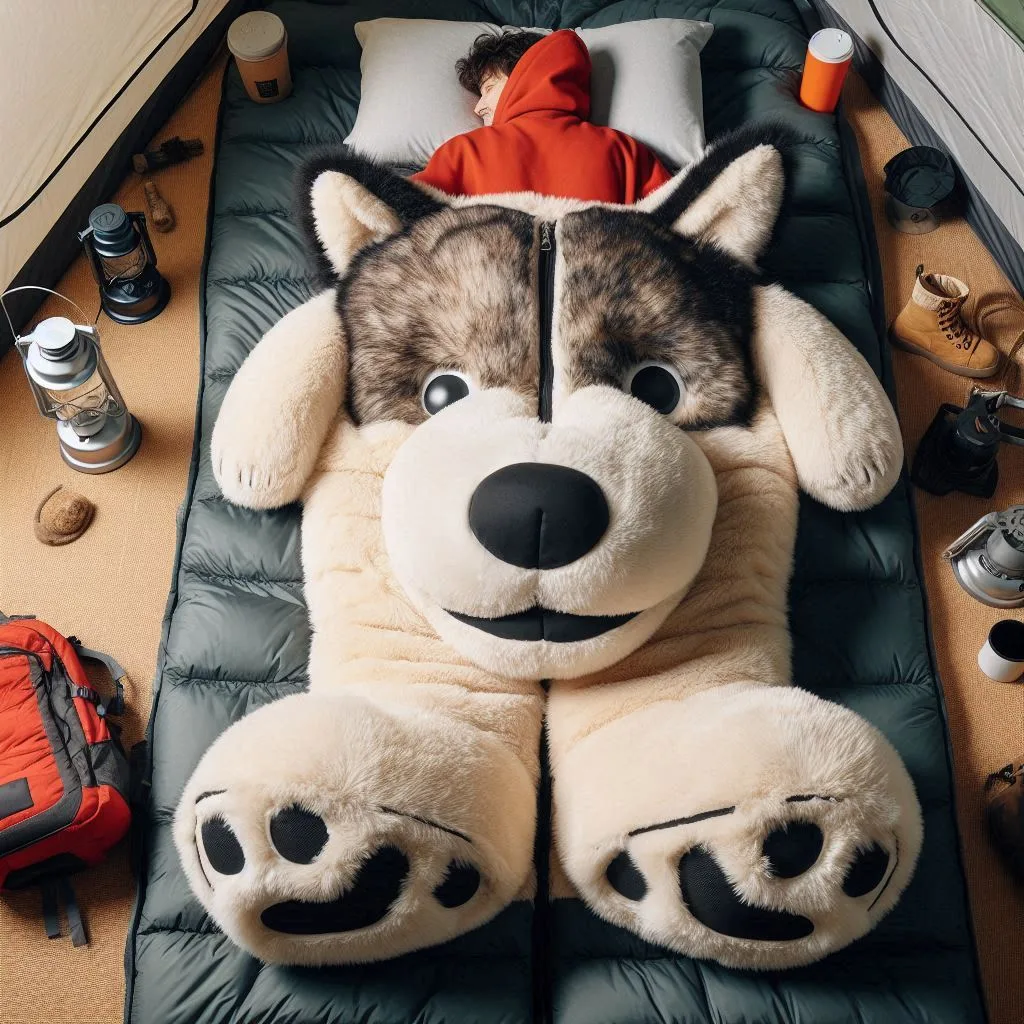
Sleeping bags with enclosed or hooded designs create a den-like atmosphere, helping dogs feel protected and less exposed. This psychological comfort improves their sleep quality and may help reduce behavioral issues caused by stress or fear, such as excessive barking or restlessness.




Enhancing Portability and Convenience
Whether you’re traveling, camping, or simply moving your dog from room to room, a portable dog sleeping bag makes life easier. Lightweight, foldable, and easy to clean, these sleeping bags are designed with pet owners’ busy lifestyles in mind.
Durability is also a key factor—quality dog sleeping bags are made to withstand wear and tear, including scratching, chewing, or exposure to outdoor elements. This longevity ensures that your investment provides ongoing comfort and protection for your canine companion.
Practical Considerations When Choosing a Dog Sleeping Bag
Before purchasing, consider the following to match your dog’s needs with the right sleeping bag:
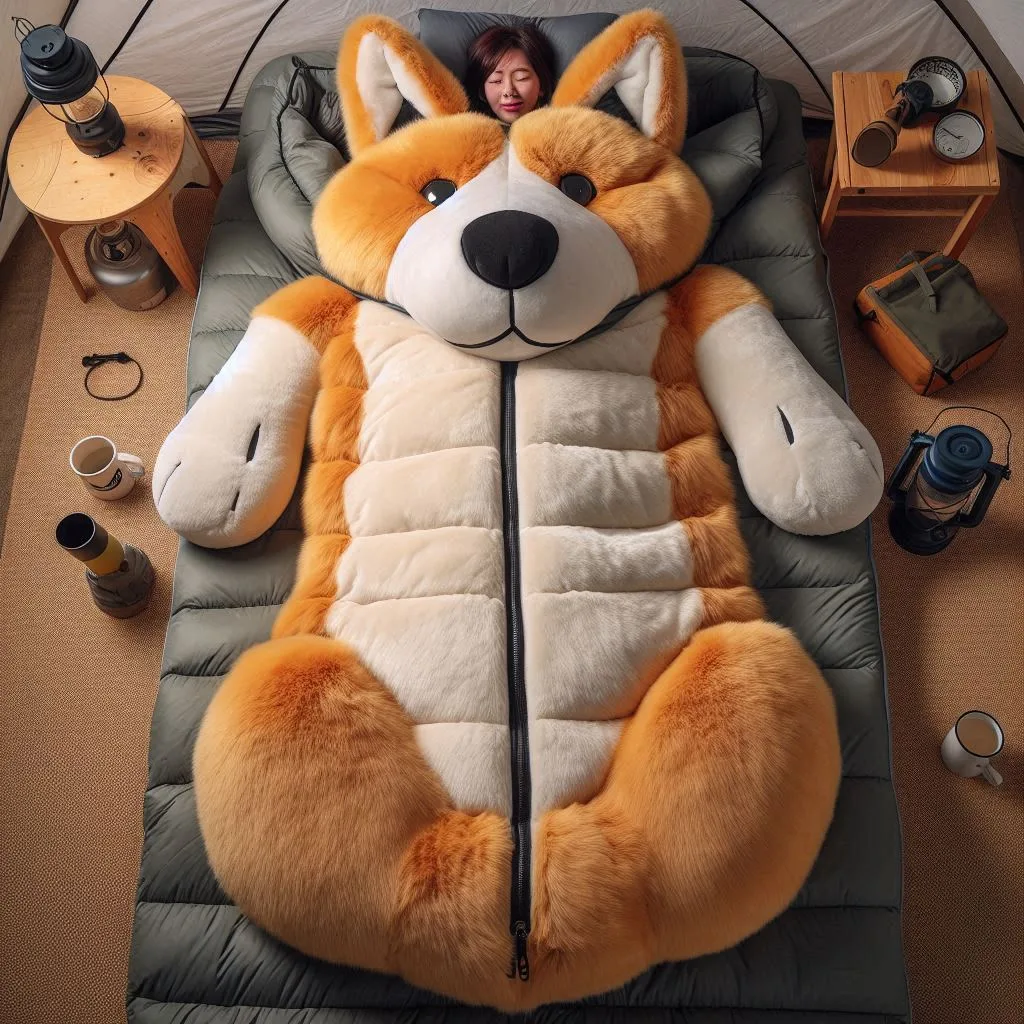
- Size and Fit: Ensuring ample space for your dog to stretch comfortably
- Material: Breathable fabrics for hot climates, insulated for cold weather
- Portability Features: Lightweight, foldable, or equipped with carrying handles
- Design Preferences: Enclosed for security or open for easy access
Expert Tips for Using a Dog Sleeping Bag Effectively
Proper usage maximizes the benefits of a dog sleeping bag. Always select the right size, provide a clean and dry environment, and introduce the sleeping bag gradually to your dog to encourage acceptance. Keep the sleeping area in a quiet, draft-free spot, and wash the sleeping bag regularly to maintain hygiene. Remember, your dog’s comfort also depends on other essentials like proper bedding, climate control, and routine.
How to Choose the Right Dog Sleeping Bag – Size, Material, and Weather Suitability
Choosing the ideal dog sleeping bag requires thoughtful consideration of your pet’s size, breed, and typical climate. An ill-fitting or unsuitable sleeping bag may lead to discomfort and may not serve its protective purpose effectively. This section delves into detailed criteria to guide your selection process.

Assessing Your Dog’s Size, Breed, and Sleeping Habits
The first step is accurately measuring your dog. Measure length from nose to tail and take note of height and weight. Remember, a snug fit might be cozy, but too tight a fit can restrict movement, while excessive space can lead to cold drafts.
Different breeds have different needs:
- Small breeds or puppies benefit from snug, insulated bags that keep them warm.
- Larger breeds or active dogs require spacious sleeping bags that allow movement.
- Dogs prone to anxiety might find enclosed designs more calming.
Understanding your dog’s typical sleeping position—curled up or stretched out—also helps select the right size. Many manufacturers provide sizing charts; always opt for a slightly larger size if your dog is between measurements.
Material Considerations for Different Climates and Needs
Material selection is critical for comfort, durability, and ease of cleaning.
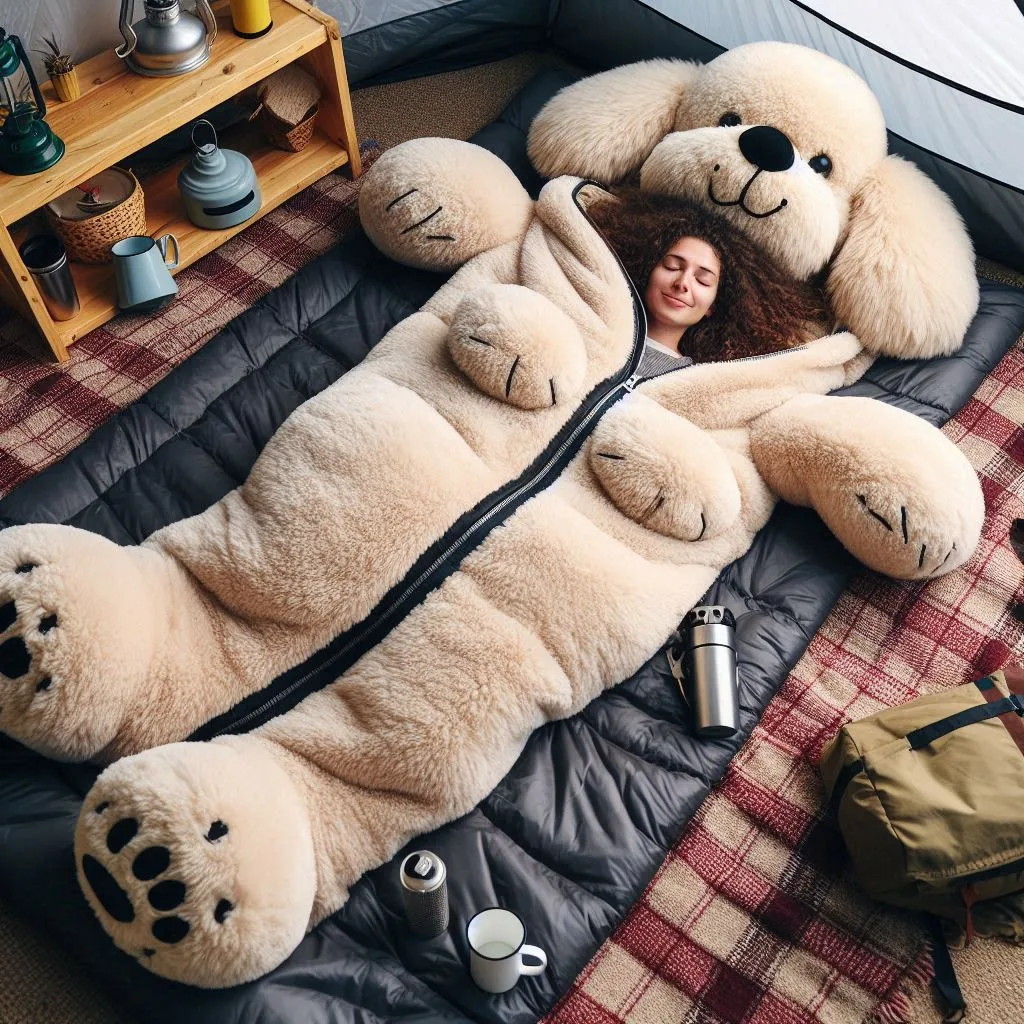
- Fleece and Plush Fabrics: Soft and warm, ideal for cold climates. These materials are easy to wash and often machine-friendly.
- Synthetic Down or Insulation: Offers excellent heat retention and lightweight portability, perfect for outdoor use or backpacking.
- Breathable Cottons or Mesh: Suitable for warmer climates, ensuring airflow and preventing overheating.
Additional features to look for include stain resistance, hypoallergenic properties, and water resistance for outdoor environments.
Weather and Environment Suitability
Your dog’s sleeping bag should match the typical weather conditions of your locale:
- Cold Weather: Insulated, lined with fleece or Sherpa, with water-resistant outer layers.
- Warm Weather: Breathable fabrics with minimal insulation and open designs.
- Outdoor Adventures: Durable, water-resistant, and easy to clean, with layered insulation options for extreme conditions.
Choosing a versatile sleeping bag with removable liners allows adaptability across seasons.
Comparing Different Types of Dog Sleeping Bags – Features and Suitability
| Type | Best For | Pros | Cons |
|---|---|---|---|
| Enclosed Hooded Bag | Cold climates, anxious dogs | Creates a den-like environment, secure fit | Can be warm for hot weather |
| Open Bed Design | Hot climates, easy access | Breathable, easy to wash | Less secure, may not suit anxious dogs |
| Inflatable or Portable | Travel, camping | Lightweight, easy to carry | Less insulation, needs careful handling |
Understanding these differences ensures you select a dog sleeping bag tailored to your pet’s needs.

Personalizing and Customizing Your Dog Sleeping Bag
Some brands offer customization options like adding your dog’s name, choosing specific colors, or including extra pockets for toys or accessories. Personalization enhances your pet’s comfort and makes the sleeping bag feel like a part of their personal space.
Tips for Using, Maintaining, and Maximizing Your Dog Sleeping Bag Investment
Proper use and maintenance extend the lifespan of your dog sleeping bag and ensure your pet consistently benefits from its comfort and security. Using these tips keeps your furry friend happy, healthy, and cozy.
How to Use a Dog Sleeping Bag Correctly
Introduce the sleeping bag gradually, especially if your dog is unfamiliar with it. Place treats or favorite toys inside, and let your dog explore at their own pace. Encourage them to rest in or near the bag, and praise them for accepting it.
Set up the sleeping bag in a quiet, comfortable spot away from drafts or direct sunlight. Consistency in placement and routine helps your dog associate the sleeping bag with rest and safety.
Always check the fit—ensure your dog can move comfortably, has sufficient space, and that the temperature inside aligns with their comfort needs.
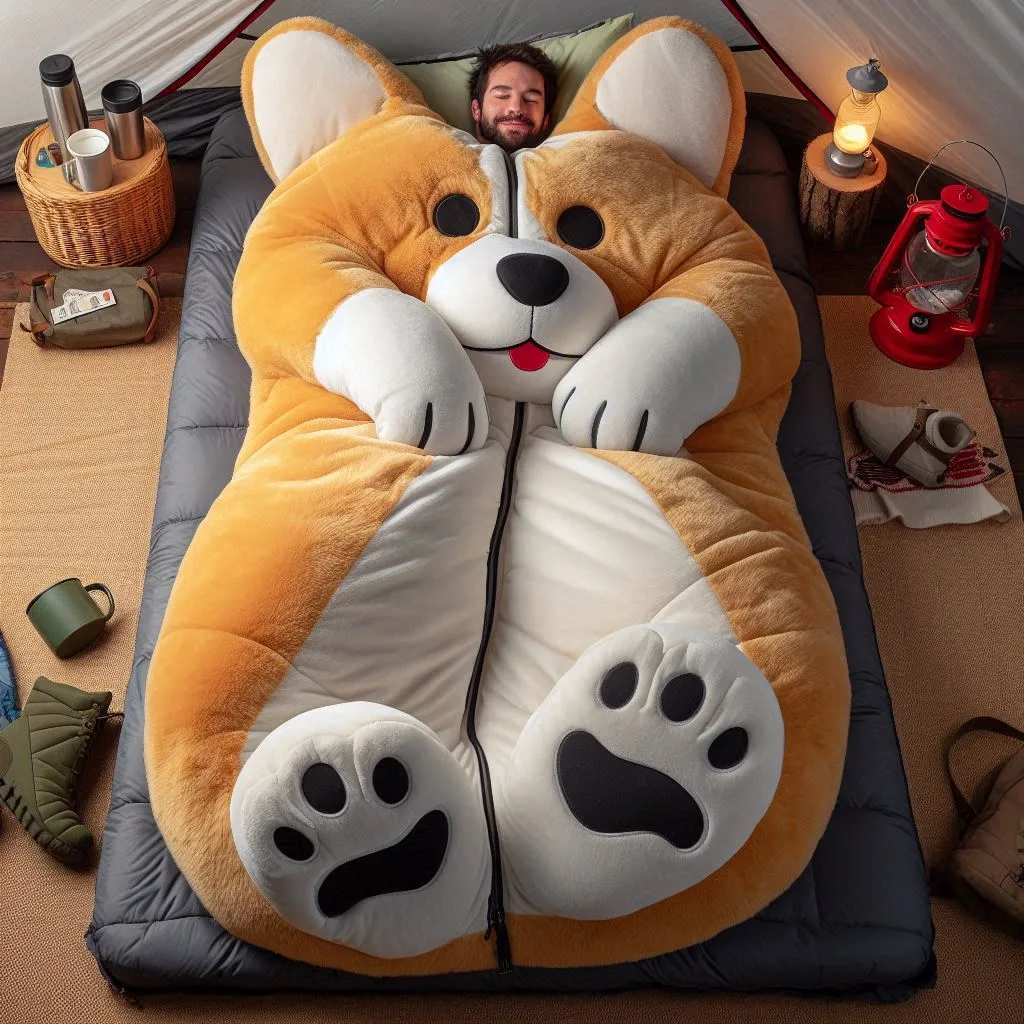
Cleaning and Maintaining Your Dog Sleeping Bag
Regular cleaning is vital for hygiene, especially if used outdoors or with multiple pets. Follow the manufacturer’s instructions—most sleeping bags are machine washable with gentle detergents. Air dry to prevent damage to insulation and fabric.
Inspect for signs of wear, such as fraying or tears, and repair or replace as needed. Keep the sleeping bag dry and store it in a cool, dry place when not in use to prevent mold and odor development.
Enhancing Safety and Comfort
Adding a familiar blanket or an owner’s scent to the sleeping bag can make your dog feel more secure. Layering the sleeping bag with an orthopedic mat or padded bed underneath offers added support, especially for senior dogs or those with joint issues.
Monitor your dog’s response to the sleeping bag. Adjust positioning or material choices if your dog shows signs of discomfort or allergies.
When and How to Replace Your Dog Sleeping Bag
Consider replacing the sleeping bag if it becomes torn, excessively stained, or no longer provides adequate insulation. The frequency depends on usage, but a well-maintained sleep bag can last several years.
Regular replacement ensures your dog’s comfort, safety, and hygiene, preventing issues related to worn-out or soiled bedding.
FAQs About Dog Sleeping Bags – Your Common Questions Answered
What size of dog sleeping bag should I choose for my pet?
The size should accommodate your dog’s length and height comfortably, allowing for movement. Always measure your dog and follow manufacturer sizing charts, opting for a slightly larger size for flexibility and extra warmth.
Are dog sleeping bags suitable for outdoor adventures?
Absolutely. Many models are designed weather-resistant and durable, perfect for camping, hiking, or outdoor travel. Ensure the sleeping bag meets your specific outdoor needs with features like waterproof fabric and insulation.
Can I wash my dog sleeping bag in a washing machine?
Most modern dog sleeping bags are machine washable, but always check the care label. Use gentle cycles and mild detergents to prolong the integrity of the fabric and insulation.
How do I get my dog to accept the sleeping bag?
Gradually introduce the sleeping bag with positive reinforcement like treats and praise. Allow your dog to explore and associate the bag with comfort. Placing familiar toys or blankets inside can also help.
Is a dog sleeping bag better than a regular bed?
A dog sleeping bag offers portability, insulation, and a den-like environment that regular flat beds may lack. It’s especially beneficial for outdoor activities, travel, or anxious dogs needing a secure space.
Conclusion
A thoughtfully selected dog sleeping bag is more than a mere bedding accessory; it’s an investment in your dog’s health, comfort, and peace of mind. By understanding the nuances of size, materials, weather suitability, and maintenance, pet owners can provide their furry friends with a cozy, secure retreat that enhances their quality of life. Whether for indoor relaxation, outdoor adventures, or traveling, a high-quality dog sleeping bag ensures your pet’s sleep is both comfortable and secure, fostering a happier and healthier companion.